
Vesta is a high-yielding sweet pepper variety popular among both professional farmers and amateur gardeners. It is prized for its large, fleshy, and sweet fruits and its ease of cultivation. With proper care and adherence to certain guidelines, it will yield large harvests for future use.
Origin of the plant
Breeder V. Blokina-Mechtalin developed the hybrid. It's a relatively new hybrid, registered only in 2019. The Moscow-based agricultural firm "Partner" handled the registration process.
Description of the culture
The bushes reach 70-80 cm in height. The robust plants are moderately covered with long, green leaves. The plant has a well-developed root system located close to the surface.
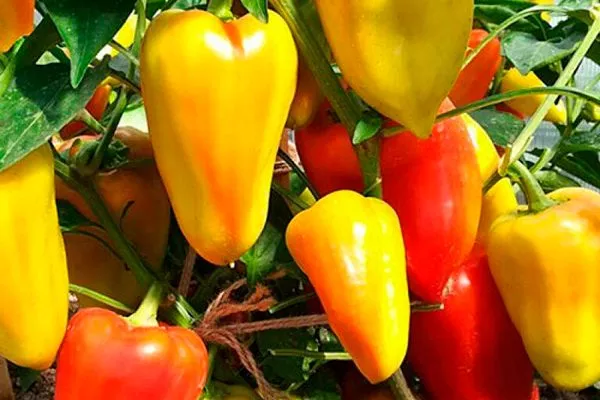
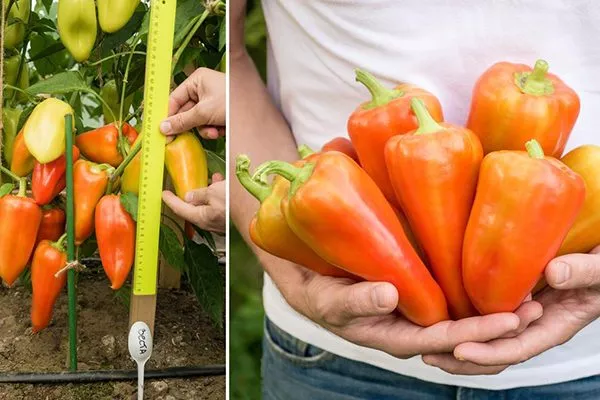
Flowering begins in May. The flowers open sequentially. The plant is self-pollinating. This variety is characterized by large fruits – up to 14 cm in length and 130-160 g in weight, with individual specimens reaching 230 g. The peppers have thick, thin skin with a glossy sheen.
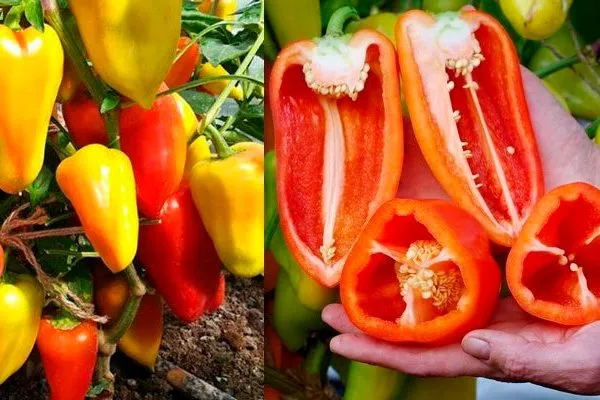
The fruits are elongated and cone-shaped. They have fleshy, juicy pulp and excellent flavor. The walls are 6-8 mm thick, with 3-4 chambers inside. Gardeners note the excellent aroma and high marketability. Up to 20 peppers form on a single plant.
| Parameter | Characteristic |
|---|---|
| Bush height | 70-80 cm |
| Fruit shape | Elongated conical |
| Fruit weight | 130-160 g (up to 230 g) |
| Wall thickness | 6-8 mm |
| Number of cameras | 3-4 |
| Number of fruits per bush | 20 |
Characteristics of the Vesta variety
The crop is grown by planting seedlings. Before sowing, the seeds must be pre-germinated.
Vegetable yield
The yield is top-notch – gardeners harvest up to 10 kg of ripe fruit per square meter. Four to six bushes are planted per square meter.
Fruiting periods
Sweet peppers are an early variety, ripening approximately 65-70 days after planting.
Work schedule
- Sowing seeds: February-March
- Planting seedlings: April-May (greenhouse), May-June (open air)
- First feeding: 2 weeks after planting
- Beginning of fruiting: June (greenhouse), July (open air)
- Peak harvest: August-September
Disease resistance
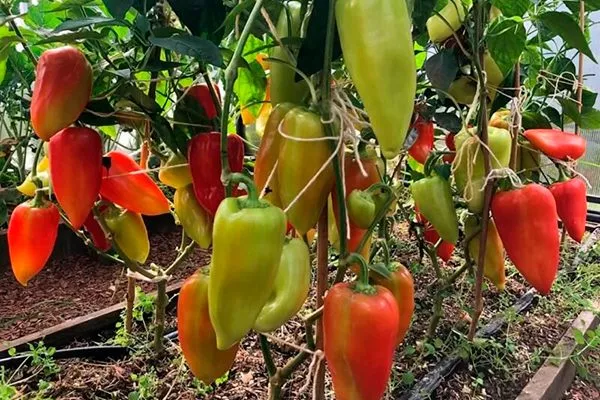
Vesta has a strong immune system. The hybrid is resistant to diseases such as black spot and tobacco mosaic.
Cultivation regions
Suitable for cultivation in many regions of the country, it even thrives in northern regions, but there it is grown in greenhouses.
Pros and cons of Vesta pepper
Before sowing seeds, study the positive and negative qualities of pepper. It has numerous characteristics:
Features of agricultural technology
Planting this crop doesn't require any experience or special skills. Even a novice gardener can handle it.
Sowing seeds for seedlings
Sow seeds for seedlings 60-70 days before planting. The soil should be light and fertile. Make furrows 1-1.5 cm deep. The optimal temperature for pepper germination is 25-28°C. Once the seedlings emerge, move them to a cool, well-lit area.
- ✓ Sowing depth: 1-1.5 cm
- ✓ Germination temperature: +25-28°C
- ✓ Germination: 7-14 days
- ✓ Picking: when there are 2 true leaves
- ✓ Hardening: 7-10 days before planting
Planting seedlings in a hotbed/greenhouse
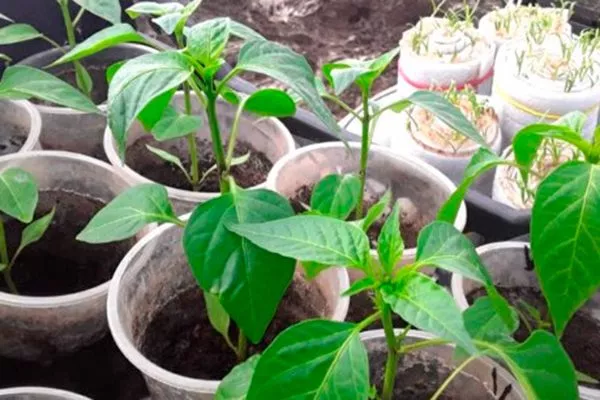
Plant pepper seedlings in a greenhouse or hotbed in April-May. The temperature in the greenhouse should be at least 15°C. Space the plants at least 40-50 cm apart. When planting, plant the seedlings deep enough to reach the first true leaves.
Planting seedlings in the open ground
Transplant outdoors after the danger of frost has passed. Plant in a sunny, wind-protected area. Space seedlings at least 50-60 cm apart.
| Parameter | Open ground | Greenhouse |
|---|---|---|
| Landing dates | Late May – June | April - May |
| Soil temperature | Minimum +15°C | Minimum +12°C |
| Planting diagram | 50×60 cm | 40×50 cm |
| Planting depth | Until the first leaves | Until the first leaves |
Helpful tips:
- Choose a sunny location with well-drained soil. Add compost or humus to improve soil fertility.
- A week before planting the seedlings outdoors, begin hardening them off. To do this, gradually lower the temperature in the room where the plants are located and increase the time they spend outdoors.
- The holes should be large enough to accommodate the root system of the seedlings.
- Water the holes before planting.
- Carefully remove the seedlings from the pots and plant them in the holes, pressing them down to the first true leaves.
- After planting, firm the soil to ensure good root contact.
- Water the seedlings.
- Mulching the soil around future bushes will help retain moisture and suppress weed growth.
Pinching out stepsons
It's important to promptly remove side shoots that grow from the leaf axils. Perform side shoot removal regularly as the shoots grow. This procedure promotes the formation of a strong, compact bush and improves light and ventilation for the plants.
Harvesting
Begin harvesting peppers outdoors in late July or early August. In greenhouses, peppers can be harvested as early as June. Harvest as the fruit ripens. Ripe peppers have a bright color and soft walls.
Gardeners' reviews of the Vesta pepper
The Vesta pepper is an excellent choice for those seeking a bountiful harvest of sweet and juicy vegetables. This variety is easy to grow, disease and pest resistant, and tolerates adverse weather conditions well. Growing this crop will allow you to enjoy delicious and nutritious fruits throughout the summer and fall.