
Growing Tsitsak peppers is an exciting and rewarding process that will not only enrich your garden with delicious, spicy fruits but also allow you to enjoy the harvest throughout the season. This hybrid variety has unique characteristics. Proper care is essential to ensure a good harvest.
Who developed the variety and when?
The Bulgarian Tsitsak pepper is the result of folk selection through hybridization. Its name, translated from Georgian, means "pepper," reflecting its connection to the Caucasus regions, where this crop is often found in the daily diet of local residents.
Description of the variety
This pepper plant is characterized by moderate foliage density. Its distinctive features include sturdy stems, 60 to 70 cm tall. The foliage is green and elongated, with tapering edges. The tops of the plants reach a height of 80 cm.
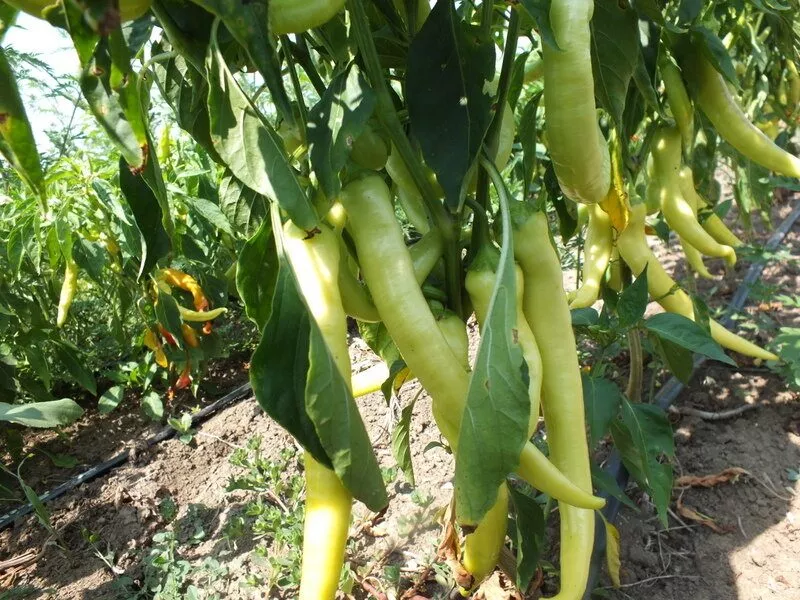
The Tsitsak hot pepper begins bearing fruit 100-110 days after the first leaves appear on the seedlings. This characteristic classifies it as a mid-season crop, according to experts.
Fruit characteristics and yield
Tsitsak fruits resemble chili peppers, but are more conical in shape with fleshy pulp. The average fruit weight is 30-50 g, and they can reach 15-20 cm in length. The flavor of these pungent fruits is sweet with a moderate spiciness.
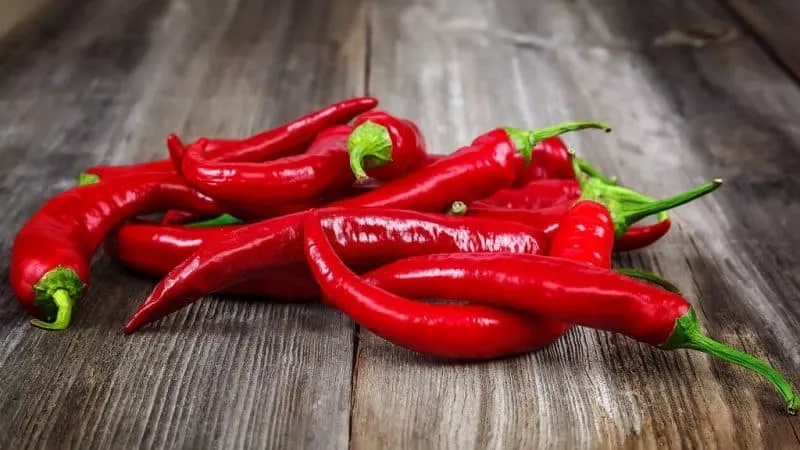
Those who enjoy spicy dishes are recommended to add the vegetable to salads or prepare a variety of hot dishes with it fresh. Those who prefer less spicy dishes may be interested in canned tsitsak, which is also excellent for seasoning.
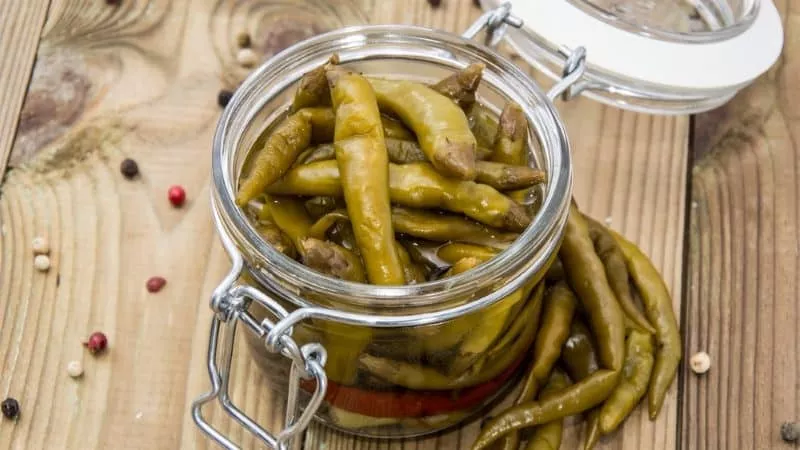
This versatile product is suitable for both fresh consumption and canning and freezing. The fruits are ideal for winter preserves and a variety of dishes, especially in Caucasian cuisine.
Pros and cons
Before planting this crop in your garden, be sure to research its pros and cons to avoid any problems. This pepper variety has several advantages:
- high shelf life of fruits, allowing to preserve up to 95% of the harvest;
- low maintenance requirements;
- resistance to fungal infections;
- high yield rates;
This variety has several drawbacks. Some gardeners consider Tsitsak's heat requirements a drawback, making it preferable to grow it in greenhouses in colder climates.
Another drawback is their light requirements. Insufficient light can slow down the pepper's growth and development, and also reduce its yield.
Growing
To obtain strong, high-quality seedlings, it is recommended to pre-treat and germinate the seeds. When planting, it is important to use nutritious soil.
Selection and processing of seeds
To ensure uniform germination and the growth of strong, healthy pepper seedlings, pre-treat the seeds. To discard any empty seeds, submerge them in water. Discard any that float to the surface, as they will not produce seedlings.
Next, use the following method: prepare a solution of 2 grams of ash and 1 liter of water, letting it steep for 24 hours, stirring occasionally. Place the selected seeds in cheesecloth and soak them in this solution for 3 hours. Then remove the seeds, rinse, and dry.
There's an alternative method that's less time-consuming. Place the seeds in a 2% potassium permanganate solution, prepared at a ratio of 10 g of solution per 1.5 liters of water. Soak the seeds in this solution for 20 minutes, then remove them, rinse, and dry thoroughly.
Preparing the soil for seedlings
There are several options for obtaining the optimal soil, and while the easiest way is to buy a ready-made mix from the store, you can also make your own. Let's consider a few options:
- Mix peat, humus, sand and soil in equal parts.
- Combine turf with soil, humus, and sand in equal proportions. Add ash to the resulting mixture at a rate of 500 g for every 10 kg of mixture.
- Mix soil with drainage material in a 1:2 ratio. Add fresh turf and rotted compost to this mixture.
- Mix humus with peat in equal parts, adding superphosphate and potassium sulfate.
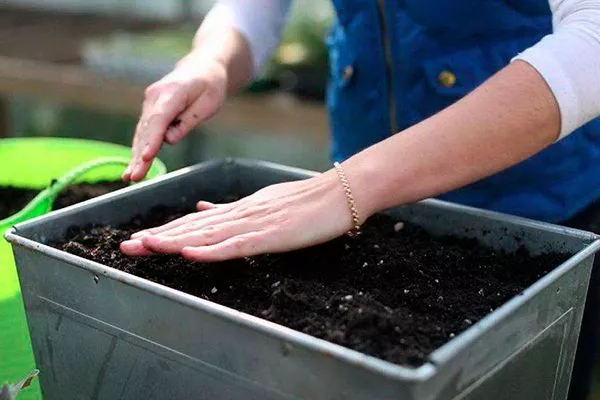
The choice of a particular option depends on the specific soil requirements and species preferences of the plants being grown.
Timing and features of sowing seeds
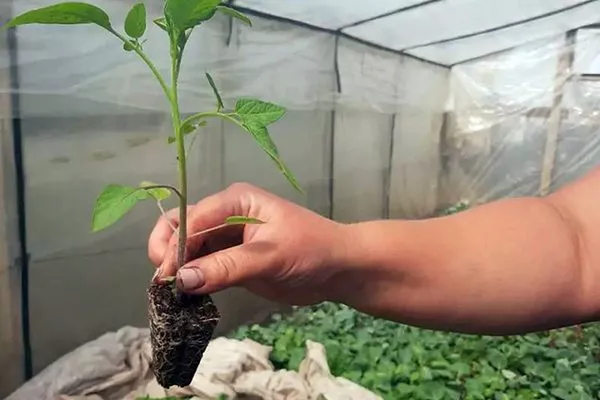
The best time to sow peppers is between February and March. To do this, prepare a potting mix and fill it into a container. Then, make furrows 0.5 cm deep. Place the pre-soaked seeds in these grooves, then cover them with a layer of soil.
- ✓ Maintain soil moisture at 70-75% for optimal seed germination.
- ✓ Provide seeds with access to oxygen; do not compact the soil after sowing.
To speed up germination, seeds can be covered with special agricultural fabric or regular film. Peppers require a specific temperature regime for successful growth and development. During the day, the temperature can range from 23 to 25°C, and at night, it should be between 13 and 15°C.
Caring for seedlings
Once the seeds have sprouted, it's time to transplant the seedlings. During transplanting, the seedlings are transferred to separate containers filled with peat and soil. This step must be carried out carefully to avoid damaging the plants' delicate, developing root systems.
Watering and fertilizing
Water your plants regularly, taking weather conditions into account, to maintain moderate soil moisture. To achieve this, water 2-3 times a week, morning or evening.
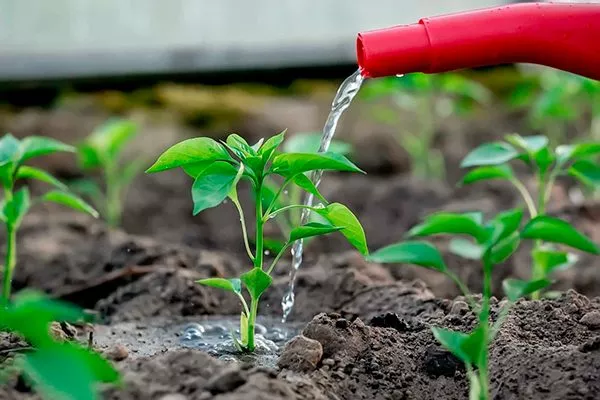
For optimal growth, provide the plant with nitrogen fertilizer. When three leaves appear on the stems, add phosphorus and potassium supplements to the soil. Additionally, apply wood ash 1-2 times a week to accelerate plant growth.
Hilling and loosening the soil
Soil loosening plays an important role in successful pepper cultivation and is often combined with hilling. During the active growth of seedlings, perform this procedure approximately five times, taking into account the plant's developmental stages:
- During flowering, loosen the soil to a depth of 12 cm.
- When the seedling begins to form ovaries, loosen the soil even deeper – to 15 cm.
- During the fruiting period, increase the loosening depth by an additional 10 cm.
It's important to adapt the loosening process depending on the plant's development phase to ensure optimal soil care. If peppers are planted close together, avoid loosening the soil during flowering.
Rules for bush formation
For proper development, it's important to properly shape the bush, beginning this process when the plant reaches a height of 15-20 cm. At this stage, branching begins, and the first bud—the crown bud—appears where the buds form. Be sure to remove this bud, which will allow the pepper to develop better.
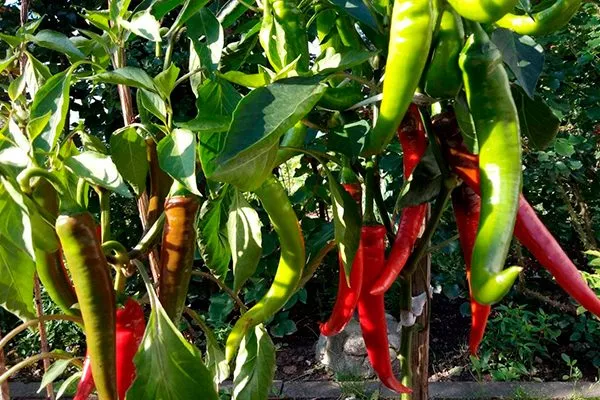
Further shaping involves pinching and removing excess shoots. Remove leaves that create excess shade and don't contribute to the nutrition of developing fruit. This will ensure that only strong stems with ovaries and fruit remain on the bush, providing them with sufficient light, warmth, and nutrients.
Prevention of diseases and pests
This pepper variety is resistant to certain diseases, but problems can arise if not properly cared for. Potentially dangerous diseases include stolbur and fusarium.
To prevent such problems, follow these guidelines:
- Avoid moisture retention and high humidity.
- When growing in a greenhouse, ventilate it regularly.
- Fight weeds and pests.
- Provide balanced nutrition to plants.
- Treat the soil with disinfectants before planting and keep the beds clean.
Peppers can be susceptible to pest attacks. The most common include:
- Aphid. It sucks the plant's juices. A solution of wood ash, water, and liquid soap can help combat this pest.
- Slugs. They can damage foliage and fruit. Using pesticides such as Karbofos and Kelthane will help solve the problem.
- Spider mites. They cover leaves with a white web. Insecticides can be an effective control method.
It's important to follow crop rotation rules to prevent potential problems by not planting peppers after other nightshade crops such as tomatoes, potatoes, or eggplant.
Reviews from gardeners
Growing Tsitsak peppers isn't just a process aimed at producing a tasty and spicy vegetable; it's a true art. From carefully selecting seeds to meticulously tending the plants, every step plays a vital role in ensuring a successful harvest. Garden plots filled with these peppers become a source of pride and joy for gardeners.