
If you want to grow hot peppers, decide on a variety. The choice depends on the growing conditions, the desired yield, and the gardener's taste preferences. There is a wide range of hot pepper varieties, so let's look at the most popular ones. With proper care and maintenance, you can reap a bountiful harvest.
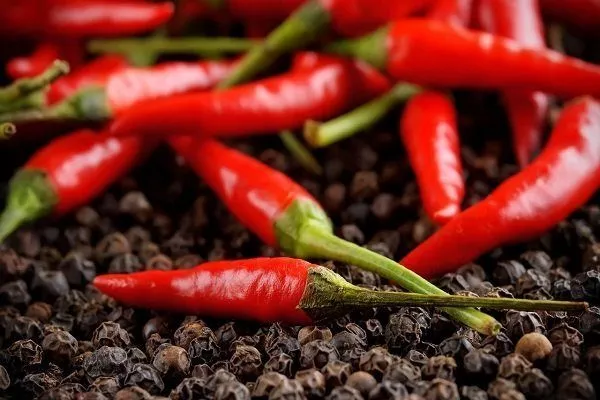
The best varieties of hot peppers for open soil
When growing peppers in an open garden, frost resistance, low maintenance, and seasonality are important. Harvesting begins in July and continues until October or the first frost. The fruits, stems included, are not harvested all at once, but gradually as they ripen. The richest flavor is achieved when the hot peppers are biologically ripe.
| Name | Ripening period (days) | Bush height (cm) | Fruit length (cm) | Fruit color |
|---|---|---|---|---|
| Adjika | 100-120 | 50-100 | 25 | red |
| Dragon's tongue | 110 | 60-70 | 10-12 | red |
| The Queen of Spades | 100-115 | 20-30 | 10-12 | red |
| For the mother-in-law | 110-120 | up to 50 | 10-12 | red |
| Bully | 110-120 | up to 70 | 10-12 | red |
- ✓ Resistance to temperature changes and frost.
- ✓ Ability to self-pollinate in open ground conditions.
- ✓ Resistance to common pests and diseases.
Adjika
A common hot pepper variety that bears fruit 100-120 days after planting. The bush reaches 0.5-1 m in height, with fluffy, spreading branches. The deep red fruits are 25 cm long.
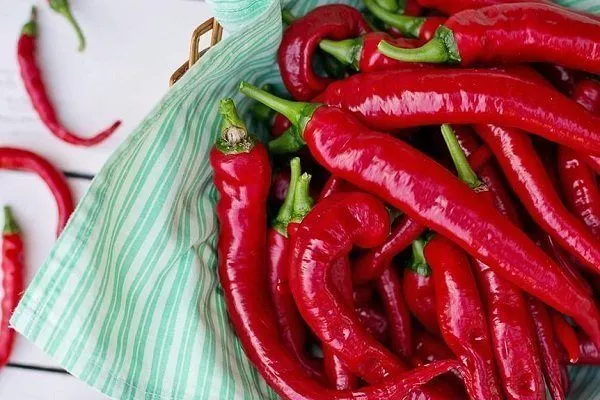
The plant doesn't require staking and produces fruit well for several years. The pods are cone-shaped, firm, and richly red. The Adjika variety has a pleasant peppery aroma and a medium spiciness.
Dragon's tongue
This early-ripening hot pepper variety ripens 110 days after planting. It's a spreading bush 60-70 cm tall with small green leaves and a fluffy crown, producing medium-sized fruits.
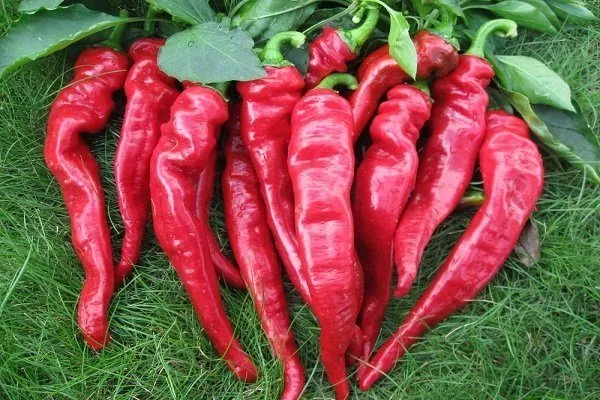
One plant can produce up to a hundred red pods, 10-12 cm long, per season. The aroma is peppery, and the flavor is very pungent. This variety is easy to care for, but prefers light, warmth, and regular watering. It is used in cooking and for canning.
The Queen of Spades
A mid-season, low-growing shrub that reaches biological maturity 100-115 days after sowing. The plant reaches 20-30 cm in height, with a rounded crown and small green leaves.
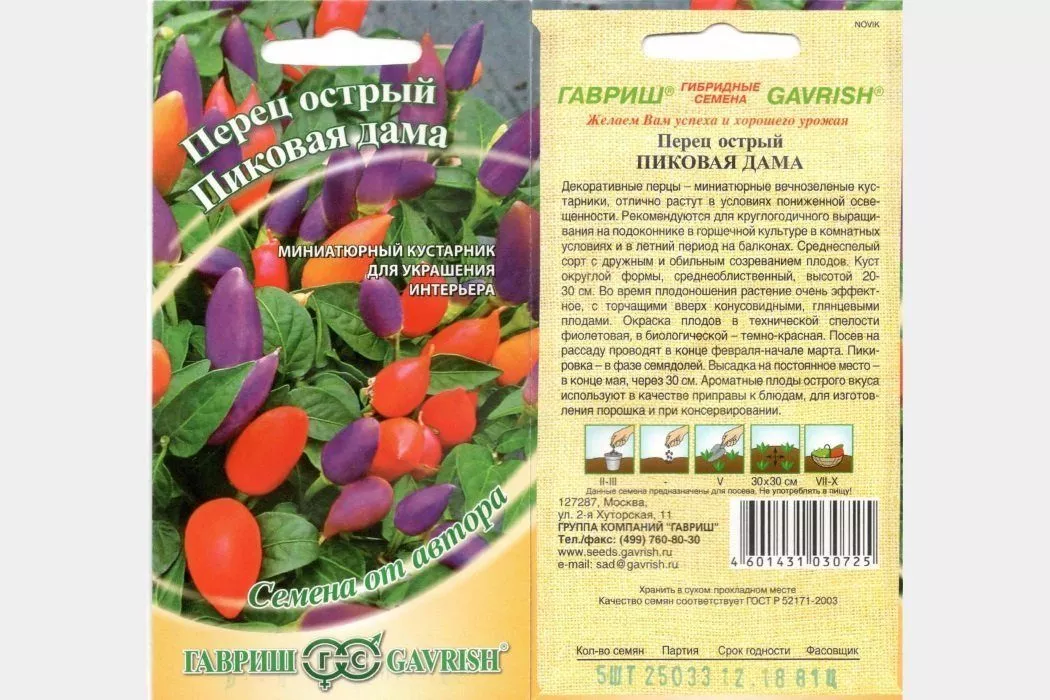
Ripe fruits are 10-12 cm long, cone-shaped, and weigh up to 15 g each. The flavor is spicy with a pleasant sweetness. Harvesting can be done in late summer or fall (August-September); each bush produces up to 50 peppercorns per season.
For the mother-in-law
This early-ripening variety produces a bountiful harvest and is distinguished by a sharp, tart flavor. The fruits ripen in 110-120 days from planting, reaching 10-12 cm in length, gradually turning a deep red, and growing only upward.
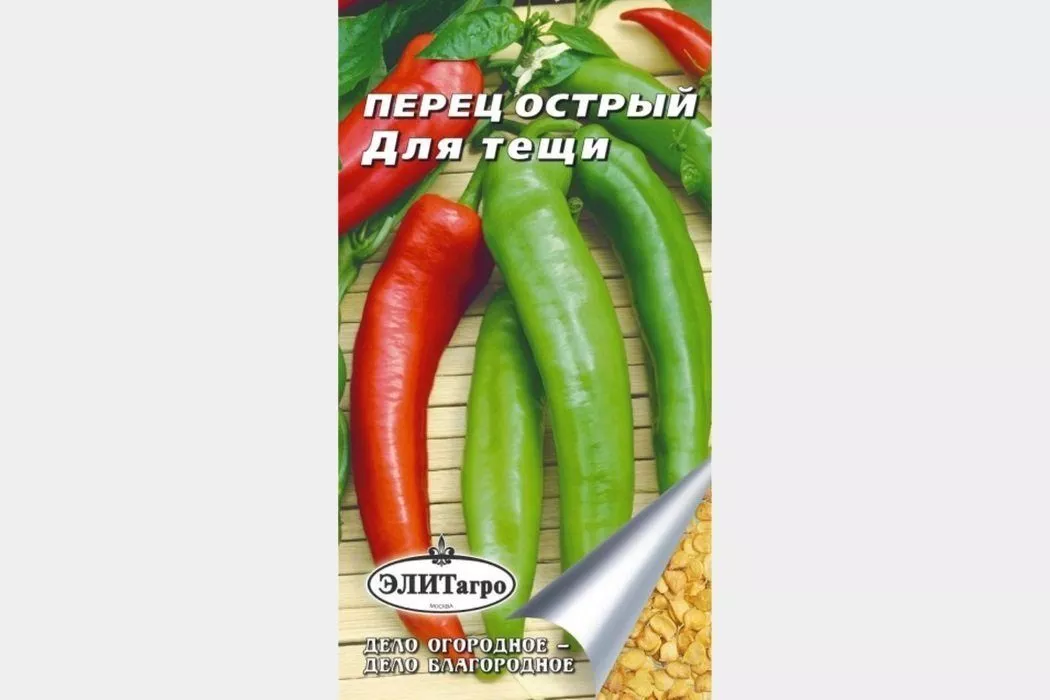
The bush itself is short—up to 50 cm tall—with a rounded crown and small green leaves. A single bush can produce up to 50 ripe peppers per season, depending on how well it's cared for.
Bully
A mid-season variety that matures in 110-120 days. The bush grows to a height of no more than 70 cm, with green, medium-sized, and wrinkled leaves. The red fruits, as they ripen, point downward and take on a trunk-like shape.
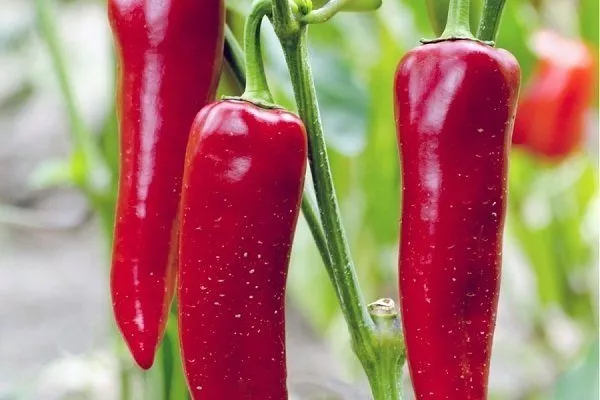
One square meter of garden space can yield up to 3 kg of ripe pods. The flavor is tart and semi-sharp, with a subtle aroma. This variety is well-adapted to any climate and produces a bountiful harvest. It is widely used in cooking and folk medicine.
Popular early ripening varieties
These vegetables are distinguished by their pungent flavor and rapid ripening in a greenhouse or garden. Biological maturity occurs three months after germination. Early-ripening hot pepper varieties are resistant to pests and severe frosts, but also require special care (fertilizing, weeding, watering, and timely harvesting).
| Name | Ripening period (days) | Bush height (cm) | Fruit length (cm) | Fruit color |
|---|---|---|---|---|
| Anniversary VNIISSOK | 100 | 130 | up to 30 | dark red |
| Miracle of the Moscow Region | 95-110 | 120 | up to 50 | red |
| Double abundance | 95-110 | 50-80 | up to 20 | red |
| A fiery bouquet | 95-110 | up to 70 | up to 15 | dark red/green |
| Chinese fire | 95-110 | 60 | up to 30 | red |
Anniversary VNIISSOK
An ornamental shrub that can reach 130 cm in height, it's best to tie it to a trellis with two stems when growing it. Regular weeding, loosening, and fertilizing the soil will increase the yield.
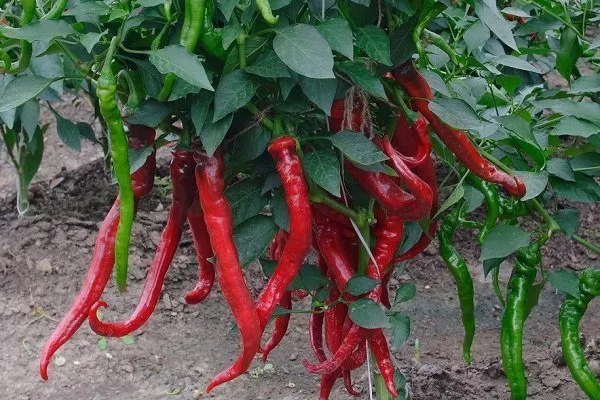
The dark red fruits grow up to 30 g in weight, have a glossy surface, and a trunk-like shape. The first harvest can be collected after 100 days – up to 2 kg of pods per square meter. The aroma is peppery, the taste is mildly spicy.
Miracle of the Moscow Region
This variety reaches biological maturity in 95-110 days. The Chudo Podmoskovya hot pepper is adapted for growing in northern regions and tolerates severe frosts well.
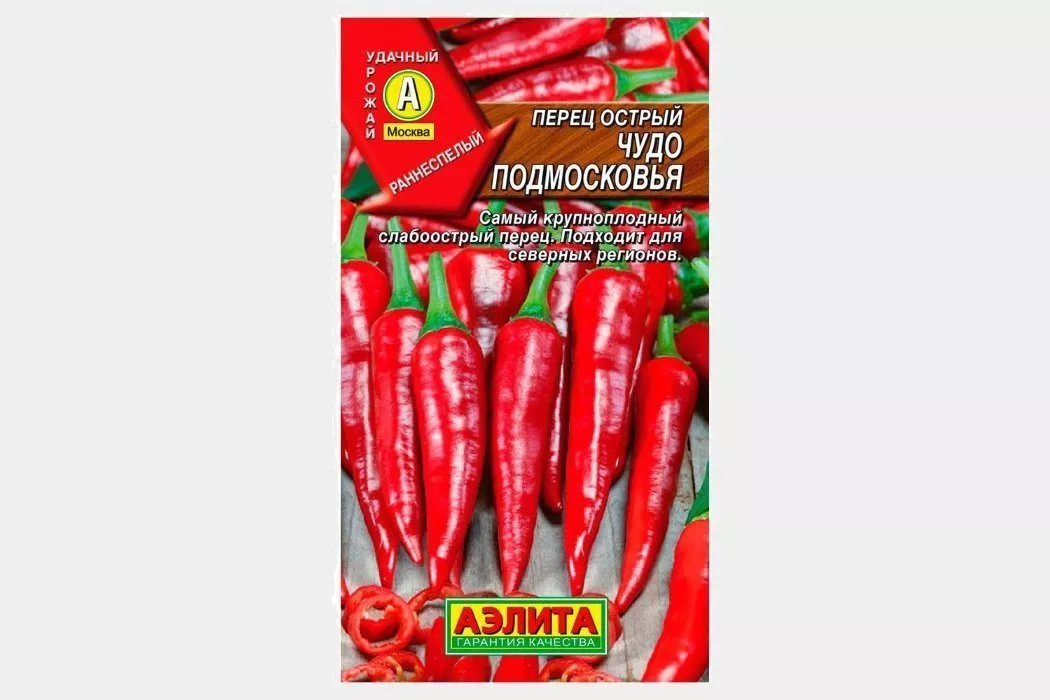
The sturdy trunk, up to 120 cm long, bears few leaves, and the fruits grow solitarily. Up to 20 pods ripen simultaneously, and they are always harvested with the stalk attached. As they mature, the fruits change color from orange to red, taking on a trunk-like shape. Ripe pods weigh up to 50 g each.
One square meter can yield up to 4 kg of red fruit. The harvest has a light aroma and a semi-sharp flavor. This variety is common in the Moscow region, hence its distinctive name.
Double abundance
This variety produces better fruit in greenhouses than in open ground. Overall, this hot pepper is easy to care for, produces a bountiful harvest, and is used in folk medicine and cooking.
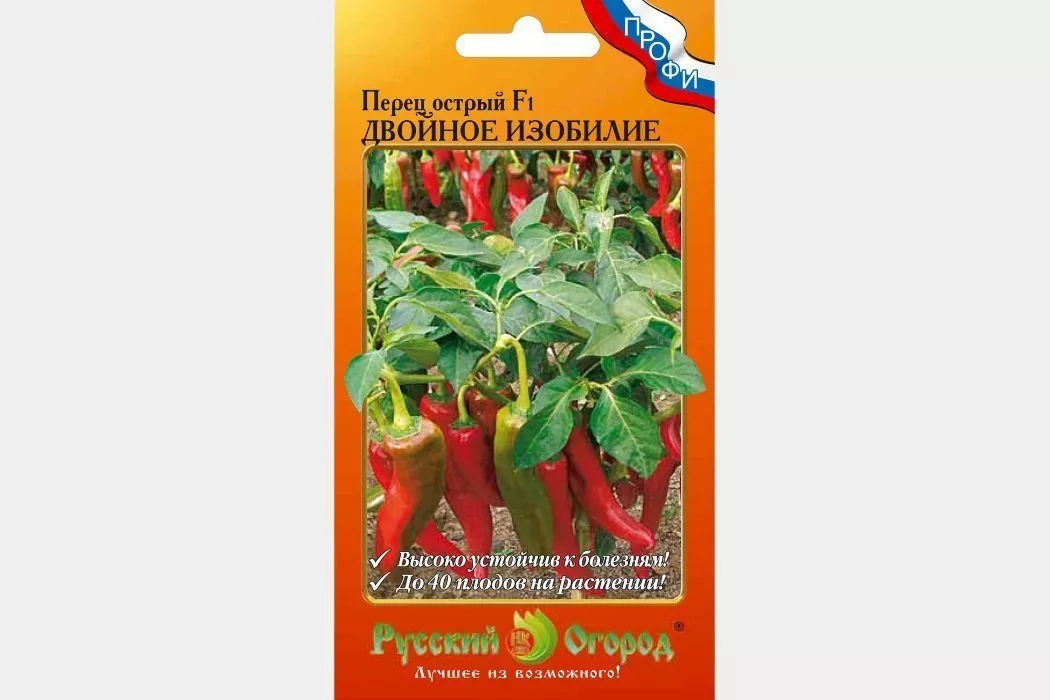
A single plant can produce up to 50 ripe, trunk-shaped pods, each up to 20 cm long. The peppers have thick walls, resulting in a semi-hot flavor and a light aroma. A mature plant reaches 50-80 cm in height and requires no additional support.
This variety of hot pepper is used more often than others for canning, as it retains its taste and original shape even after repeated heat treatment.
A fiery bouquet
This variety is equally suitable for greenhouse and outdoor gardening, and is resistant to sudden weather changes. If you plant the seeds in late winter, the first harvest can be harvested in August-September.

This compact shrub grows up to 70 cm tall and begins bearing fruit 95-110 days after planting. The fruits are dark red or deep green, cone-shaped, and up to 15 cm long. Up to 2 kg of ripe pods can be harvested per square meter per season. With proper care, this yield increases.
Chinese fire
The hottest of all hot peppers, it's traditionally grown exclusively in the garden. A mature bush reaches 60 cm in height, with spreading branches and a lush crown covered with small green leaves.
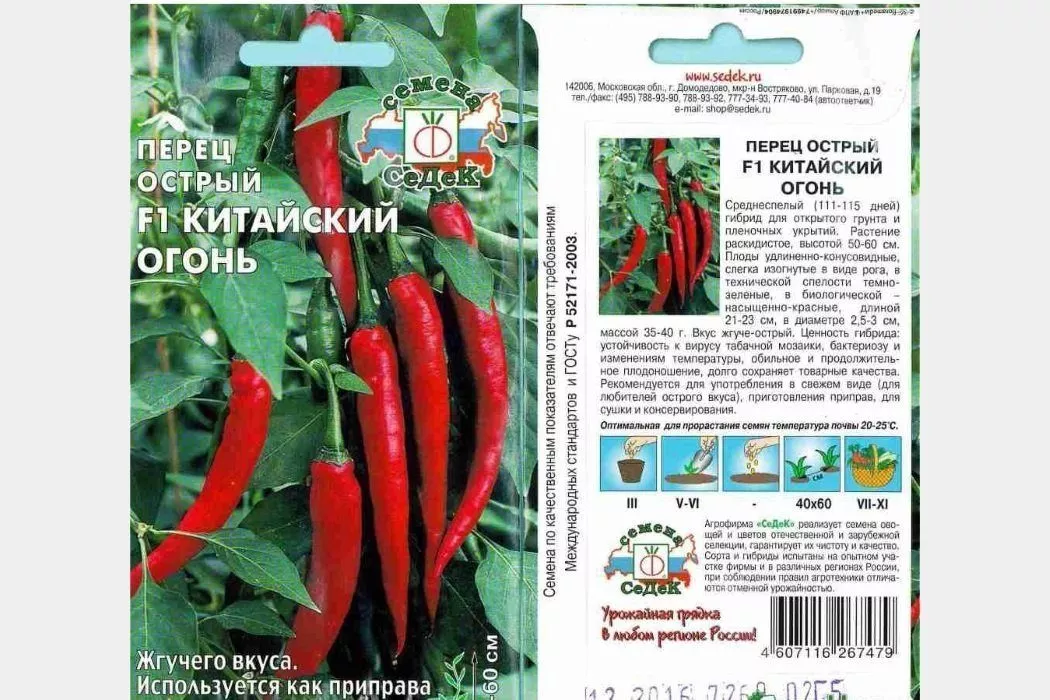
Ripe fruits reach 30 cm in length, but are narrow, thin-walled, and contain numerous seeds. When grown, the Chinese Fire pods point skyward, resembling tongues of flame. Hence the name.
Indian elephant
A tall shrub with wrinkled leaves, reaching 140 cm in length. To increase yields, it is grown in a greenhouse; vertical support or staking of the spreading branches is not required.
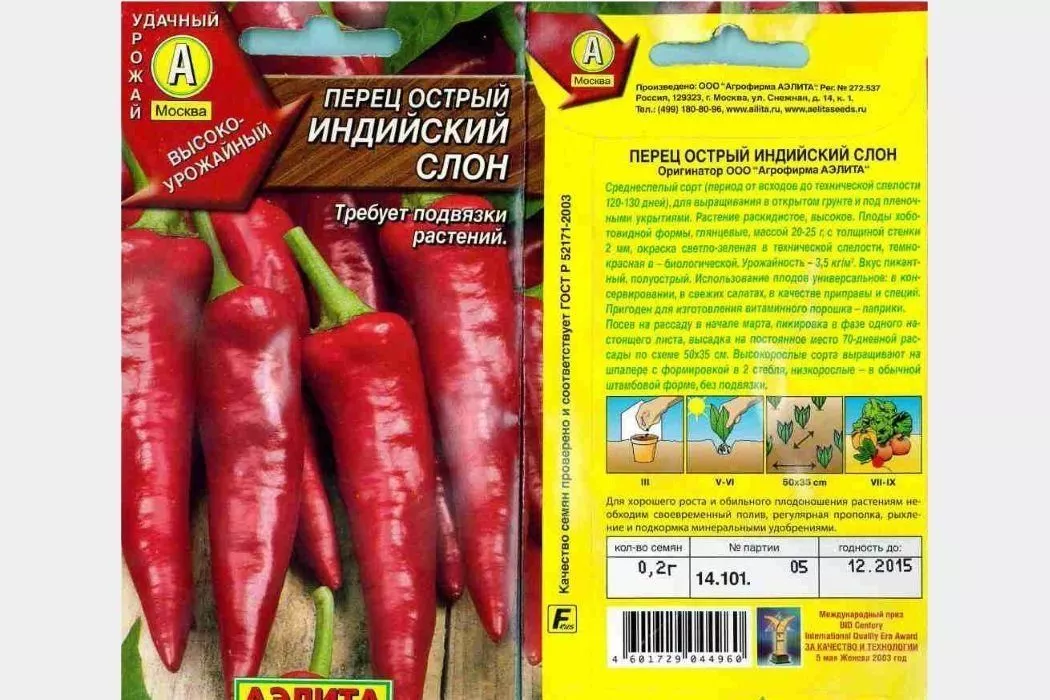
Ripe fruits resemble an elephant's trunk in shape and weigh up to 35 grams each. The peppers are red, although orange varieties are also available. Ripening time ranges from 120 to 130 days, with yields reaching up to 4 kg per square meter.
Jalapeño
A medium-hot pepper that reaches biological maturity in 80 days. Harvesting begins when the pods are 5-9 cm long and still green. Red pods indicate biological maturity.
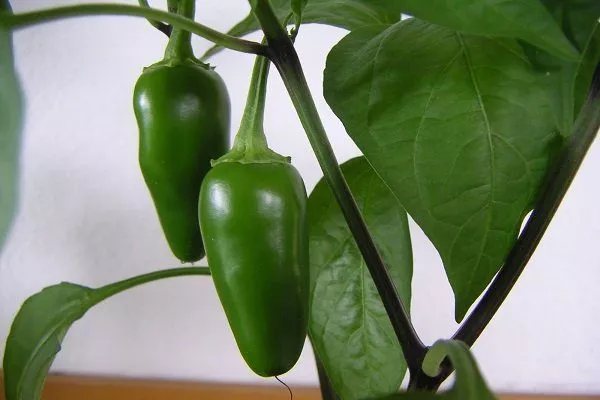
You can harvest up to 35 fruits from a single bush per season. Jalapeño is a perennial plant that thrives in full sun, abundant watering, and regular care. Regularly loosen the soil, provide oxygen to the root system, and avoid direct sunlight.
Wear gloves when harvesting. Peppers produce a specific sap that can cause severe skin irritation in some people. This is especially true for those who are frequent patients of dermatologists.
Impala
An early-ripening hybrid with a high yield. The shrub grows up to 80 cm in length, is easy to grow, and has strong resistance to fungal diseases.
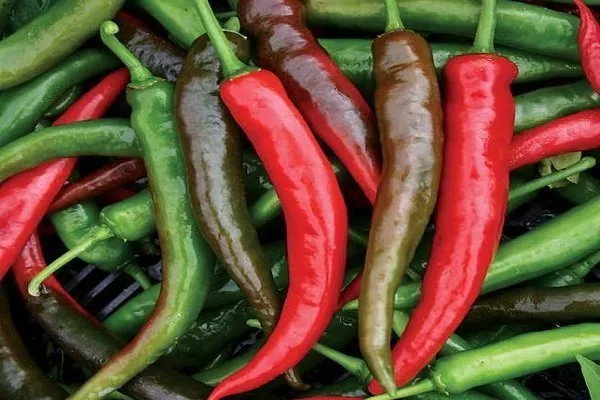
As the fruits ripen, their color changes from green to fiery red. The pods are up to 20 cm long and weigh 80-100 g. The flavor is moderately bitter, with a tart aroma. Up to 40 ripe fruits can be harvested from a single bush during the season (July-September). This variety is rarely grown in Russia because seeds are difficult to find commercially.
wit
This variety is an excellent choice for greenhouse and garden cultivation. Its dark-red, cone-shaped fruits have a glossy surface and a rich, pungent flavor. The plant is pest-resistant and, with proper care, maintains its productivity for up to four years.
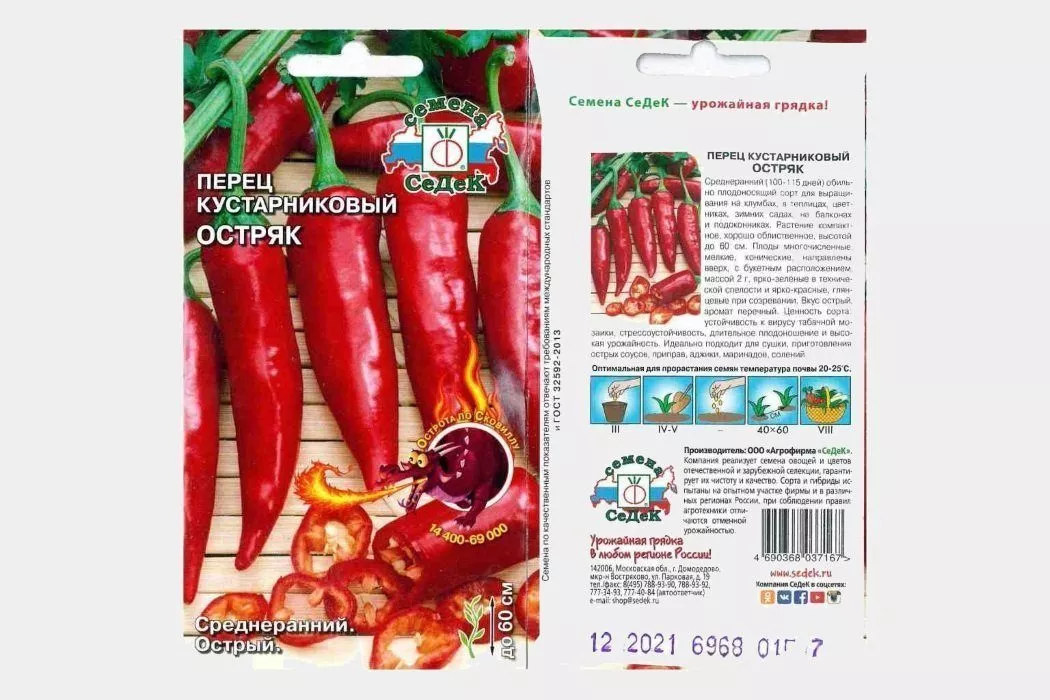
The fruits are thin and long, growing up to 30 cm. The bush produces fruit well: up to 4 kg of ripe pods can be harvested from 1 square meter of area. Providing adequate light is essential for increased yield (regular watering is not as important).
Tula
This hot pepper variety begins bearing fruit 90-100 days after planting. It's an ornamental shrub up to 70 cm tall with cone-shaped fruits measuring 15-20 cm. The small, unripe pods are light green; ripe ones are red. Inside, there's a pungent pulp and numerous seeds.
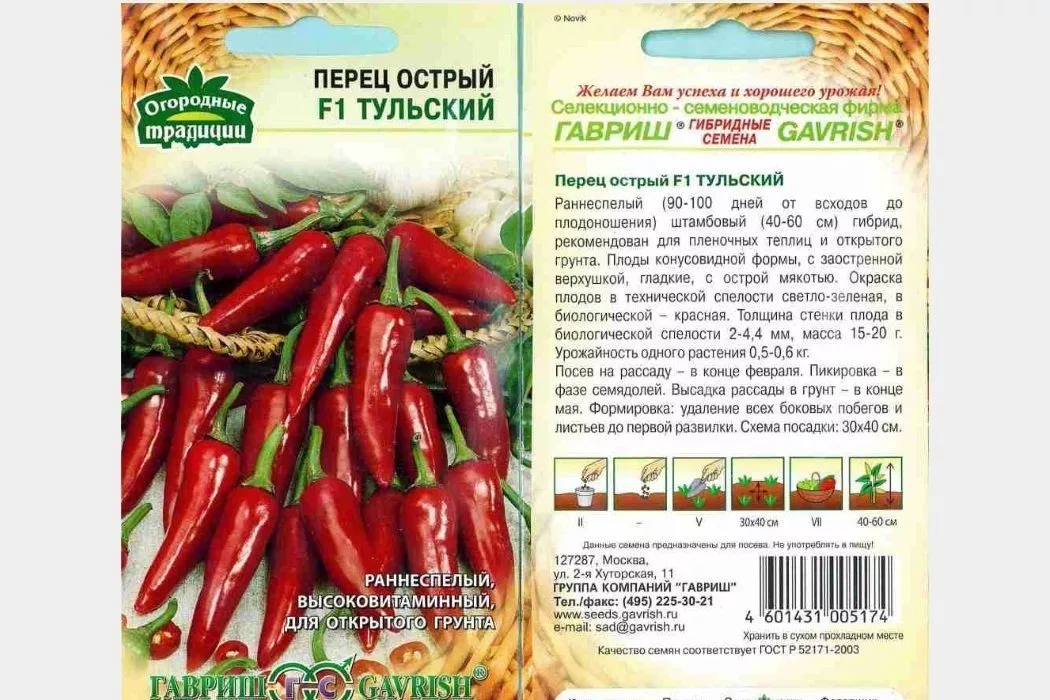
A single bush can yield up to 20-30 fruits. The plant itself is easy to grow and produces well when grown outdoors. A distinctive feature is its excellent pliability. The pods retain their shape and do not disintegrate when cooked. Therefore, Tula pepper is often used in preserves and gourmet dishes.
Trinidad Small Cherry
Externally, this is an ornamental shrub 50-90 cm tall. The crown of the plant bears numerous bright red and orange 2.5 cm long fruits. The bush is practically covered with small peppercorns, making it particularly eye-catching.
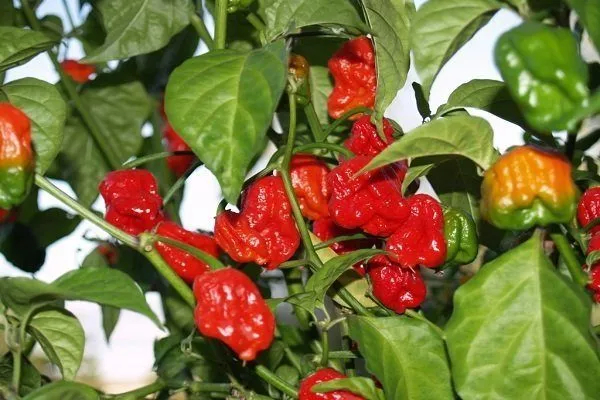
With proper care, the plant ripens 70-80 days after planting. With timely watering, loosening, and fertilizing, the yield can reach up to 50 berries. The distinctive flavor is a slight tartness, reminiscent of ripe cherries, hence the name.
Habanero Tobago Seasoning
This perennial plant prefers slightly acidic soil and warmth, but does not tolerate sudden temperature changes, drafts, or direct sunlight. If you plant seedlings in late winter, you can harvest up to 1,000 ripe, heart-shaped pods weighing up to 15 grams during the harvest season.
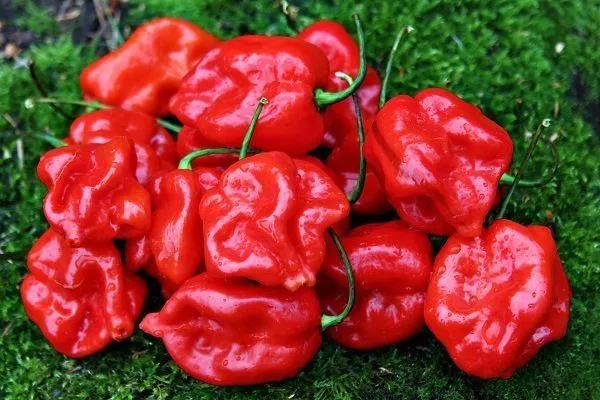
The bush needs regular watering and plenty of light, otherwise the yield will decrease. Habañero pepper It takes root better in open ground and requires regular weeding and fertilizing.
The pepper is hot and contains a pungent component called mavra. It should be consumed in small portions, otherwise it can cause heartburn and digestive problems.
Average ripening period
These hot pepper varieties are temperature-tolerant, have a strong immune system, and produce high yields. Harvest time is October until the first frost. Below are the most popular culinary varieties with excellent flavor.
Cayenne red
A distinctive feature of this variety is the variety of fruit colors. At the biological maturity stage, green, black, red, orange, and yellow pods are found. This pepper grows best in shade and does not tolerate sudden temperature fluctuations or changes in humidity.
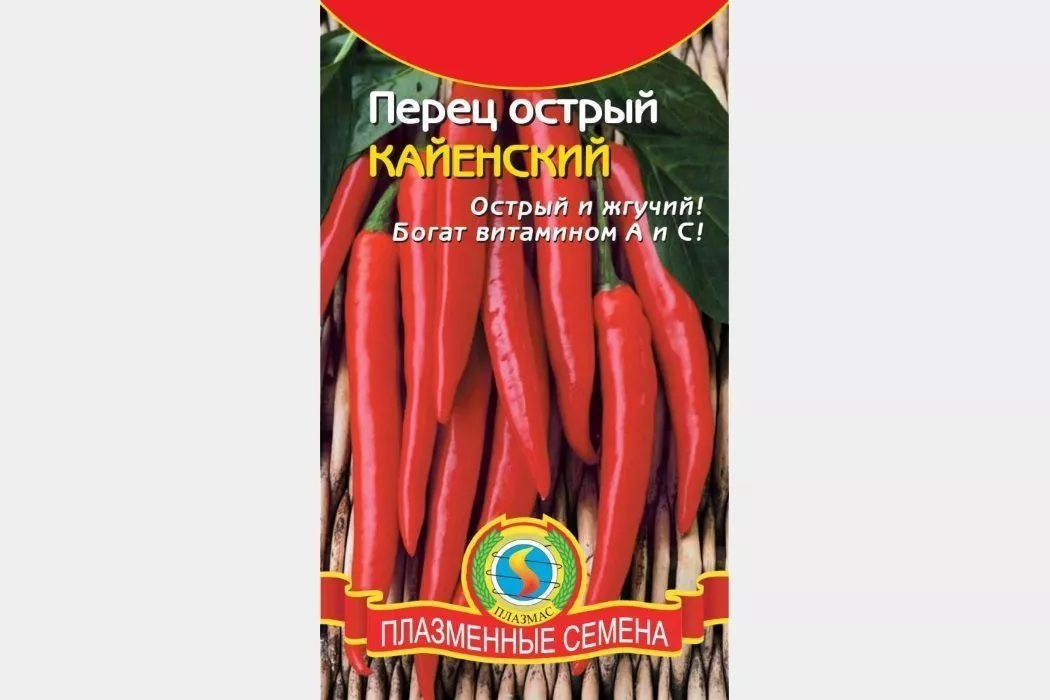
Ripe fruits acquire a deep red hue, reach 20 cm in length, and weigh up to 30 g. Yield depends on growing conditions, but averages up to 3 kg per square meter.
Astrakhan 147
The full ripening period is 122-148 days. The fruits are most often grown outdoors; to increase yield, they require regular fertilizing and weeding. Peppers don't like heat, but they also bear fruit poorly in the shade.

The height of a mature bush is up to 70 cm, the fruit length is up to 10 cm, the weight is up to 20 g, and the color is deep red with a glossy surface. A single bush can yield up to 3 kg of fresh pods. A distinctive feature of this variety is its resistance to pests and the preservation of flavor when properly dried.
Ram's horn
A yellow pepper that produces equally well in both greenhouse and open ground conditions. Mature plants reach up to 60 cm in height. The pods are up to 35 cm long and weigh up to 30 cm. The long fruits curl in a spiral.
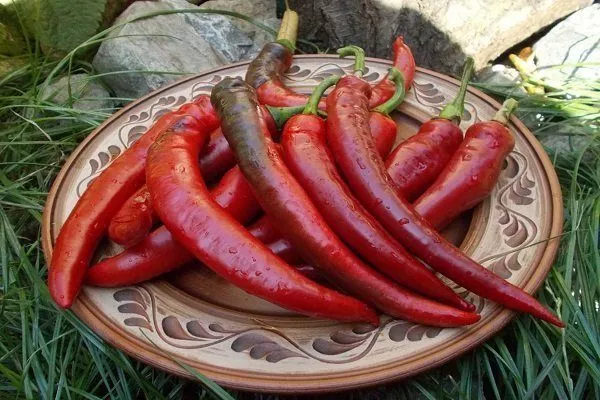
Full biological maturity occurs in 145-150 days. The fruits are medium-sized, cone-shaped, and of medium density. Yields are up to 3 kg per square meter.
Cascabel pepper
This variety matures in 120 days. A mature bush grows to 50-70 cm in length, with spreading branches and a rounded crown bearing small, medium-sized fruits. The pods produce a characteristic rattle-like sound when shaken.
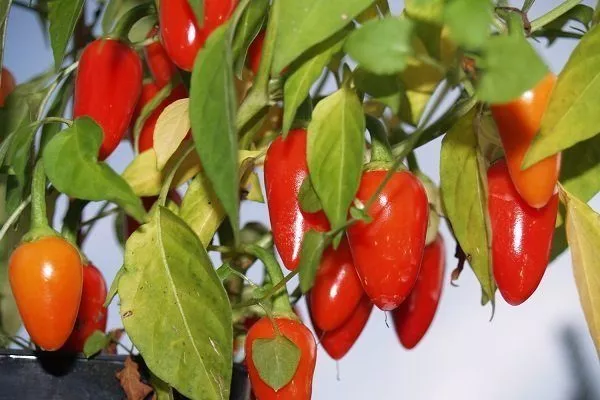
The peppercorns are dark in appearance and glossy. Their flavor is medium-hot, tart, and peppery. Cascabel peppers are ideal for drying and are used in cooking.
Late ripening period
This hot pepper is resistant to low temperatures, produces a bountiful harvest in late autumn, is frost-resistant, and is suitable for drying and fresh cooking. It has a high heat level. The growing season lasts 150 days or more. Its flavor is an acquired taste (the peppercorns are very hot).
Vizier
This hot pepper variety grows up to 100 cm in height. It is sown from February to July and harvested from August to October. The fruits ripen to a deep red, turban-shaped color, weighing up to 30 g each.
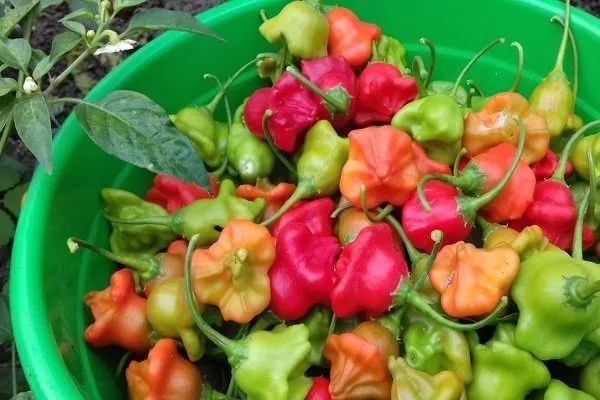
One square meter can yield up to 2 kg of fresh peppercorns. The Vizier variety quickly acclimates to harsh weather conditions and tolerates frost and sudden temperature changes well. The risk of disease is minimal.
Tabasco
An ornamental shrub 40-50 cm tall with a compact crown and small leaves around the perimeter. Tabasco ripens 90-110 days after planting and requires regular watering and occasional fertilizing.
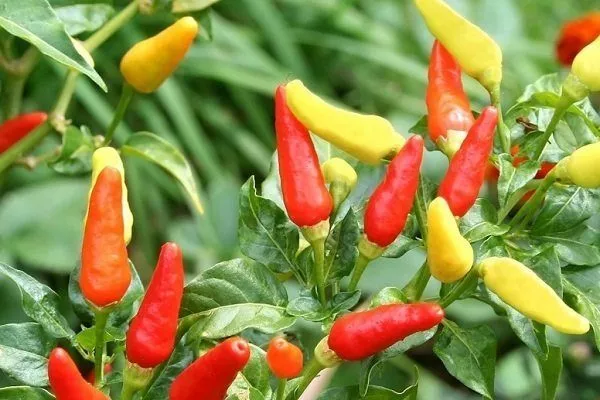
At first, pale green fruits are visible between the leaves. As they ripen, the small peppercorns turn red and become hot. The fruits grow in clusters, facing upward. Tabasco is pest-resistant, has good immunity, and produces a high yield—up to 100 peppercorns per plant per season.
Riot
This is a climbing shrub with spreading branches, green leaves, and thin, long fruits. The plant branches extensively, reaching 60-65 cm in length, and has a powerful root system.
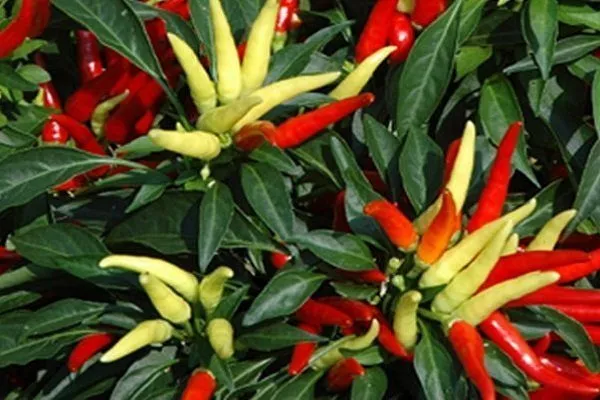
The fruits are initially white, but turn red as they ripen. They are small, thin-walled, 5-7 cm long, and weigh up to 10 g each. A single bush produces up to 300 small pods with a rich, pungent flavor.
Jati Jolokia
An Indian variety of hot pepper, widely used in cooking. The bush is compact, reaching 40 cm in height. The growing season lasts 130 days. The plant bears fruit well, yielding up to 2 kg per square meter per season.
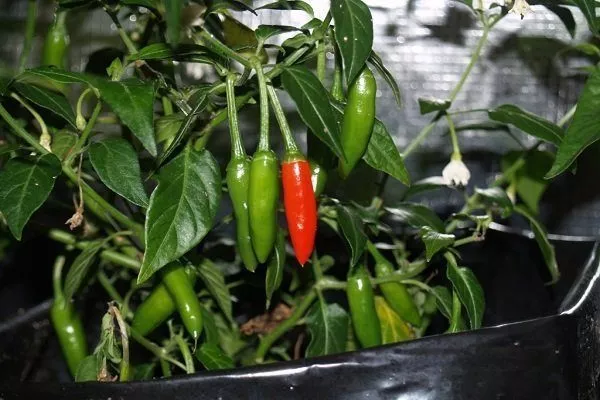
The tiny peppercorns are initially pale green, but gradually acquire a rich red hue and the bitterness typical of hot peppers. The flavor is tart, the appearance is glossy, and the aroma is light. The heat level is high.
7 Pot Brain Strain Red
This variety reaches biological maturity 120 days after planting. The shrub is grown from seedlings and requires careful care and monitoring. For good fruiting, special attention is paid to soil quality. Additional requirements include good lighting, regular watering, appropriate fertilizer, and systematic soil loosening.
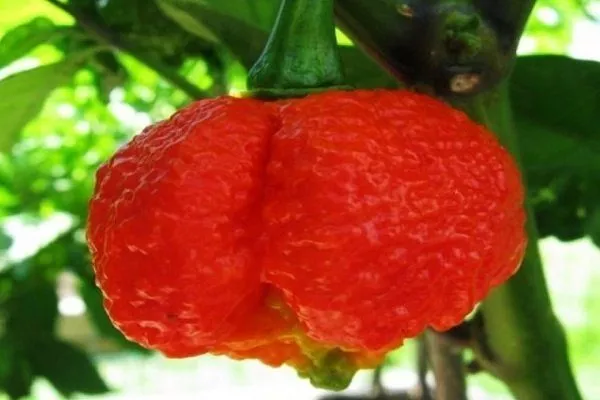
The seedlings are planted in late winter, while the bush itself bears fruit in the fall. A single plant can yield up to 35 ripe pods, which are distinguished by their unique shape and distinctive flavor. They have a slight sourness and a medium spiciness.
The best varieties for growing in a country house
Hot peppers can be grown in your garden—from garden to table, so to speak. The suggested varieties can be planted in a greenhouse or under plastic, outdoors. Hot pepper varieties such as Superchili and Ogonyok are suitable for garden plots.
Super Chili
This hybrid variety is highly pungent. It should not be planted near other vegetables, as this will cause them to become bitter and lose their original flavor.
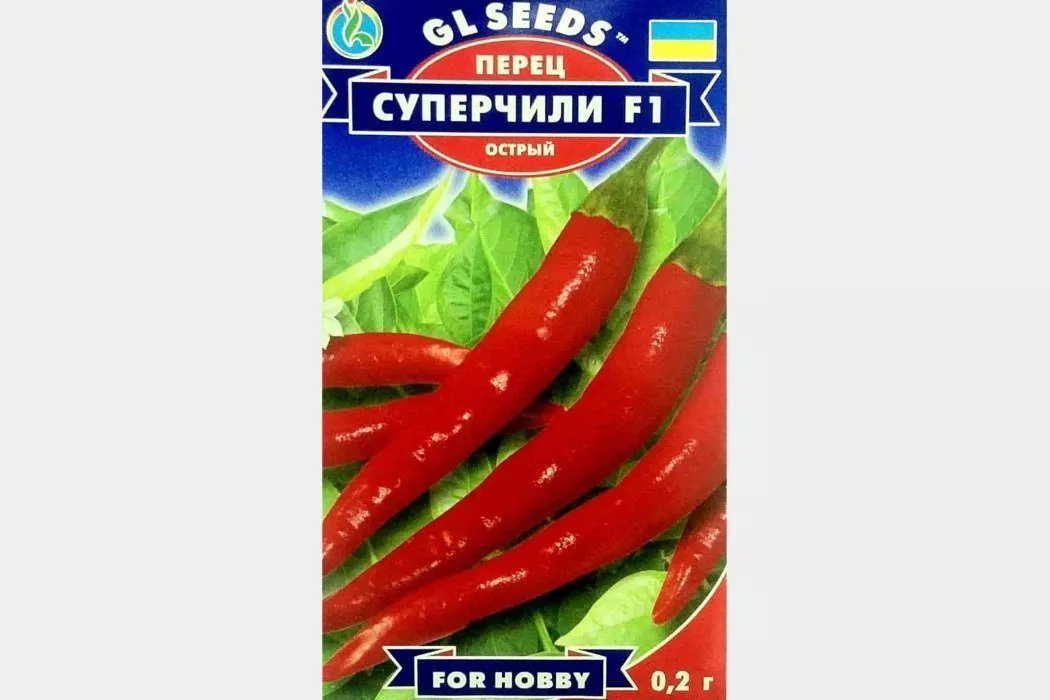
The Superchili bush grows up to 100 cm tall, with peppercorns up to 30 cm long and weighing up to 50 g each. The fruits hang beneath the dark green foliage, resembling catkins, and are distinguished by their cherry hue and pungent flavor.
Super chili is often used in cooking for making sauces and meat dishes, but is not used in canning due to its natural bitterness.
Ogonyok
It bears fruit well in a pot or in a garden bed. pepper OgonyokThis ornamental shrub grows 40 cm tall and produces up to 100 ripe pods per year. The fruits weigh up to 50 g each and reach 5 cm in length.
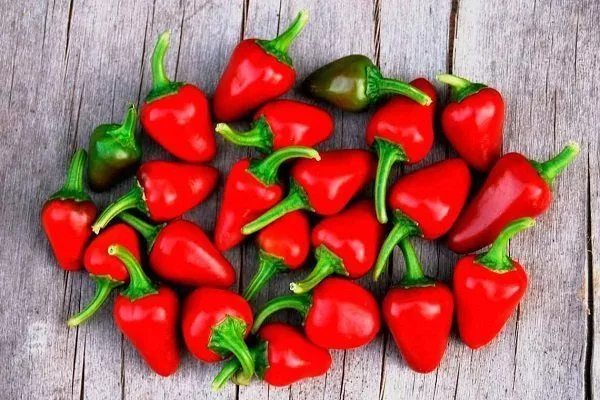
As hot peppers ripen, they change color—from green to deep red—and develop a fiery flavor. Hot peppers are used in preserves and medicinal purposes, but consuming large amounts can cause heartburn and digestive issues.
Hot pepper varieties for indoor growing
If you're planning a vegetable garden on your own balcony, consider adding hot peppers to your list of essential vegetables. Not all varieties are suitable for home growing, and choosing the wrong ones can lead to poor harvests. Choose one of the options below.
- ✓ Provide sufficient lighting, but avoid direct sunlight.
- ✓ Maintain moderate air and soil humidity.
- ✓ Use pots with good drainage to prevent root rot.
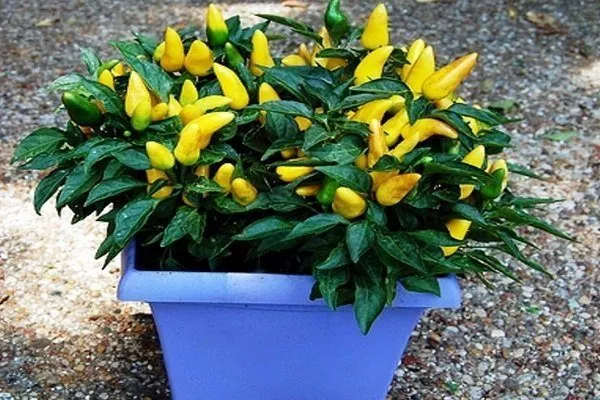
Goldfinger
This early-ripening plant produces fruit well when placed on a well-lit windowsill. The bush reaches 25 cm in height, with fruits 5 cm long. The yellow peppers are attractive but inedible. The Goldfinger variety is most often used for ornamental purposes—for beauty and to repel harmful insects.
Filius Blue
For this variety to thrive on a windowsill and produce a bountiful harvest, it requires moderate watering, good lighting, humid air, and no direct sunlight.
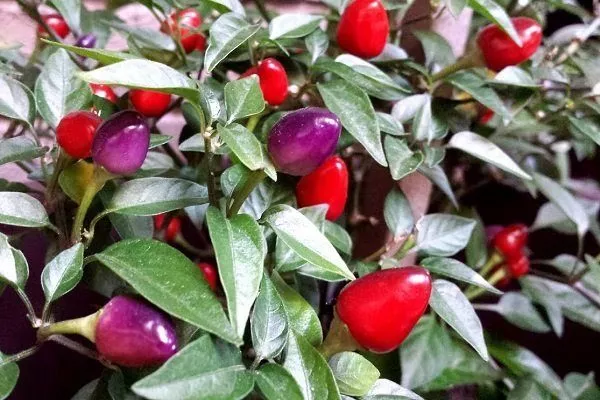
The mature bush reaches 20 cm in height. With proper care, Filius Blue bears fruit year-round. The small purple fruits are inedible (considered unripe); only the red peppercorns are edible.
Indian summer
This easy-to-grow plant can be grown in the shade on a windowsill and doesn't require regular watering. It's a short but stocky bush, reaching 30-40 cm in height, with small green leaves on its crown.
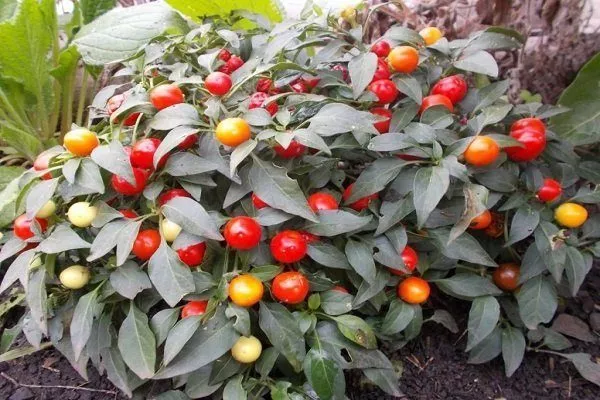
The fruits are eye-catching with their varied colors, small in size, and evenly distributed throughout the crown. The peppers are hot, slightly sour, and are used for cooking and eating fresh.
Hungarian yellow
A temperature-tolerant vegetable that produces fruit well both in the garden and on a windowsill. A little light and regular watering ensure a bountiful harvest.
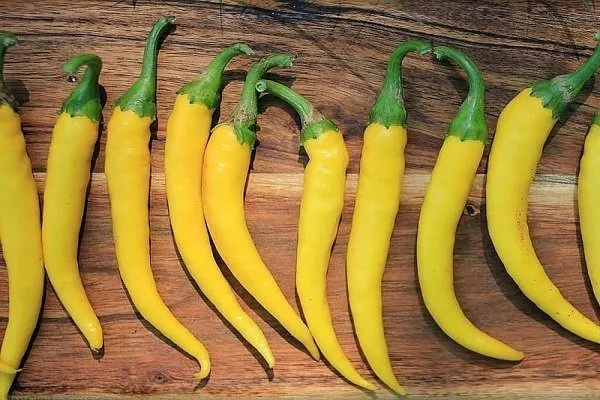
The mature bush reaches 20-30 cm in height, with fruits that are yellow at the technical ripening stage and bright red at the biological ripening stage. The cone-shaped peppers hang downwards and are characterized by a medium heat and slightly sweet taste.
When choosing hot peppers and before planting them, consider where they will be grown—in the open ground or in a greenhouse. Perhaps you'll even have a windowsill garden. With proper care, you can get not only a bountiful harvest but also a unique flavor for creating exquisite dishes.
A very informative article. We love hot peppers, so we always grow them. But not all of them are as hot as we'd like. Thanks for the detailed description and recommendations.