
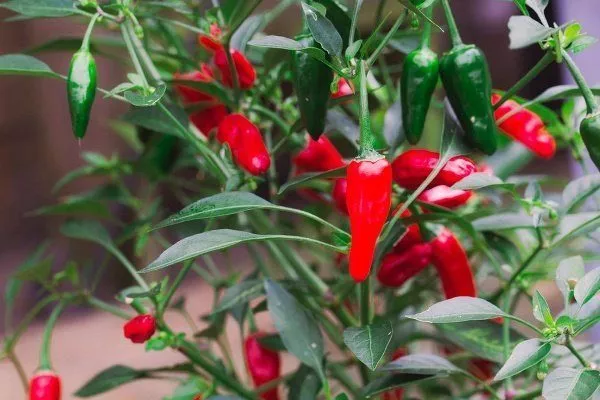
Ornamental peppers are a healthy and easy-to-grow crop, suitable for growing indoors. There are many varieties to suit every color and taste. When ripe, the pepper plant is beautiful, and its fruit is edible.
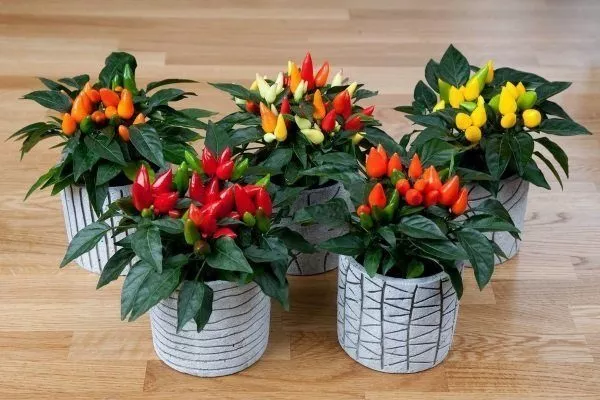
Botanical characteristics of ornamental peppers
The pungent substance capsaicin (which translates as "biting") gives ornamental peppers their heat. Pepper flowers resemble potato flowers, but some have a ring around the edge of each petal.
Since ancient times, this plant has been cultivated in South America, Mexico, and other countries for its aesthetic value and for use in preparing local traditional dishes. Special varieties, no taller than 1.5 meters, have been developed for domestic cultivation.
Ornamental peppers easily adapt to environmental conditions and produce a bountiful harvest. The fruits of different varieties vary in shape, color, and growth habit.
Can you eat indoor peppers?
| Name | Plant height | Fruit color | Sharpness |
|---|---|---|---|
| Aladdin | 25 cm | Green, cream, purple, scarlet | Spicy |
| Ogonyok | 60 cm | Red | Very spicy |
| Black Pearl | 49 cm | Black, dark purple, scarlet, pink | Spicy |
| A little miracle | 30 cm | Green, purple, red | Very spicy |
| Dragon | 30-40 cm | Red | Spicy |
| Firework | 20 cm | Dark green, orange | Spicy |
| Apache | 30-40 cm | Bright red | Spicy |
Only edible varieties of ornamental peppers are used as food. These include:
- "Firework";
- Aladdin;
- "Little miracle";
- Ogonyok and others.
Their fruits can be eaten raw or used as a spice in cooking. If you can't grow your own vegetables at home, many varieties of hot peppers are ideal for growing indoors.
Ornamental peppers contain potassium and ascorbic acid, which are essential for bone health, making them very beneficial for the human body (provided you don't have stomach issues). Edible peppers promote gastrointestinal function, disinfect food, and enhance the flavor of dishes.
Types of hot peppers
| Name | Plant type | Height | Fruit shape |
|---|---|---|---|
| Annual pepper | Annual | 30-50 cm | Diverse |
| Bush pepper | Perennial | Up to 50 cm | Oval |
| Berry-bearing pepper | Perennial | Up to 80 cm | Berry-shaped |
| Chinese pepper | Perennial | Up to 50 cm | Lantern-shaped |
| Pubescent pepper | Perennial | 3-4 m | Oval |
There are five species of peppers in the Capsicum genus grown worldwide. Let's take a closer look at them.
Annual pepper (Capsicum annuum)
This pepper is also known by other names: capsicum annuum, red pepper, annual pepper, paprika, and vegetable pepper. This is a vegetable variety with a sweet taste (like bell peppers), but sometimes there are also hot varieties (long-fruited, finger-shaped, and other chili subspecies). A characteristic feature of this variety is that after the fruit is harvested or the plant sheds its leaves, it dries out. However, with careful care and proper growing conditions, annual peppers will bear fruit for a long time.
The bushes of this pepper are small, approximately 30-50 cm tall. The color and shape of the fruit depend on the variety of annual pepper.
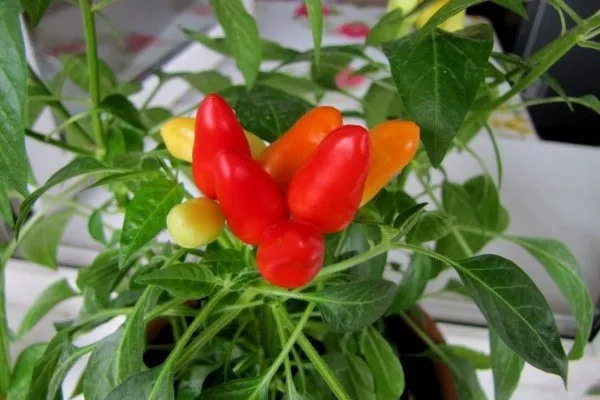
Bush pepper (Capsicum frutescens)
These perennial and pungent varieties, bearing fruit abundantly for 5-6 years, are well suited for indoor growing (on a windowsill, balcony, etc.). A single plant can produce up to 50 fruits. Another name for this ornamental pepper is cayenneThe pepper is very hot.
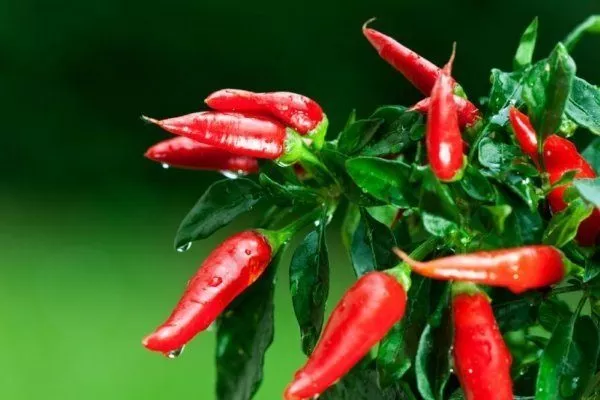
Berry pepper (Capsicum baccatum)
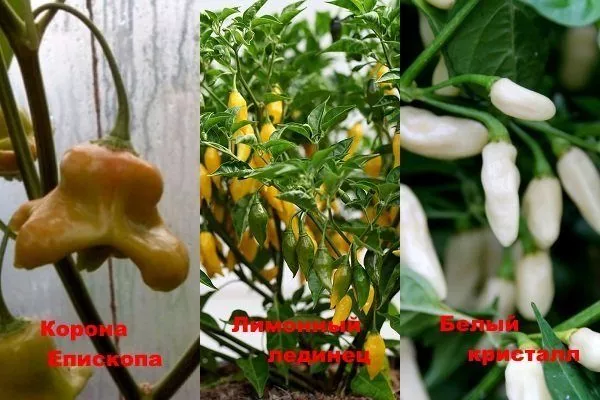
The berry-bearing or berry pepper gets its name from its unusual shape. The most common varieties of this plant are 'Bishop's Crown' (with a medium yield), 'Lemon Drop', and 'White Crystal.' Berry-bearing ornamental peppers have a pungent flavor.
The plant usually grows up to 80 cm, so it is not suitable for growing on a windowsill.
Chinese pepper (Capsicum chinense)
The least widely grown variety of Chinese pepper (Habanero pepper) is due to its slow growth. The plant reaches 50 cm in height, with light green, oval leaves. The flowers are white and green.
The fruits resemble lanterns, but may vary among varieties. The plant's fruits are the hottest of all ornamental indoor peppers.
Pubescent pepper (Capsicum pubescens)
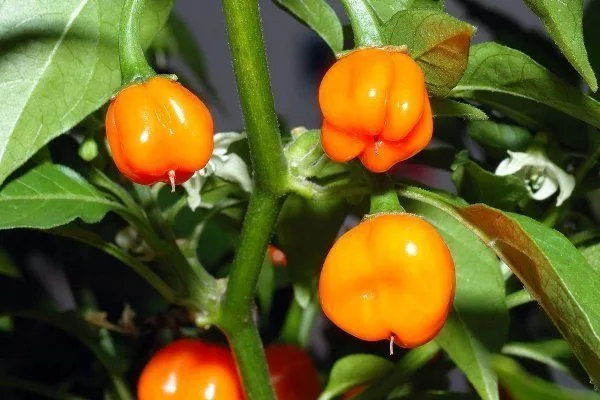
Another name for this pepper is "fluffy." It's also called "Rocoto" not only in Russia but also in Peru and Ecuador. The plant got its name because its leaves are covered in hairs. It's recommended for outdoor cultivation, as it grows quite tall (3-4 m).
Fluffy peppers have a pungent taste and are suitable for eating raw.
Popular varieties for indoor growing
There are many varieties of indoor peppers. They differ in crown appearance, leaves, fruit color, and growing season. Furthermore, each variety requires specific care to achieve the optimal yield.
Pepper variety "Aladdin"
One of the most valuable and widespread varieties of ornamental pepper, producing a large yield (up to 1 kg). "Aladdin" can bear fruit for over 5 years, growing up to 25 cm. As it grows, the fruit develops several colors:
- green;
- creamy;
- purple;
- scarlet.
This variety has a pungent flavor and aromatic aroma. The plant is easy to grow and is ideal for indoor use (on balconies and loggias). This pepper is commonly used as a spice for preserving vegetables or marinating meat.
Pepper "Ogonyok"
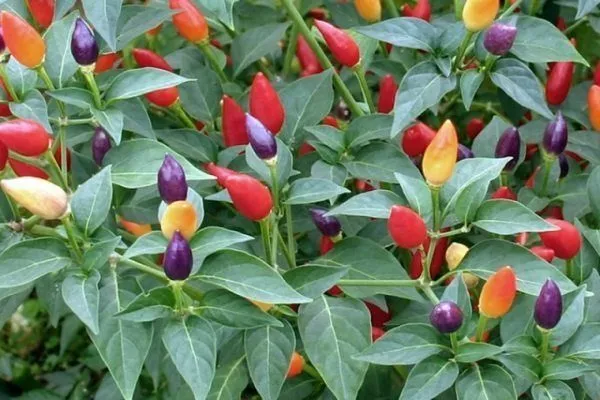
One of the most popular perennial varieties of ornamental pepper is Ogonyok, growing up to 60 cm. It arose as a result of crossing the Cayenne and Chilean species.
You can read about growing ornamental chili peppers on a windowsill in our other article. article.
The Ogonyok pepper typically ripens in summer and fall, growing for 120-140 days. Ogonyok fruits are pear-shaped and bright red. This variety is highly resistant to bacteria.
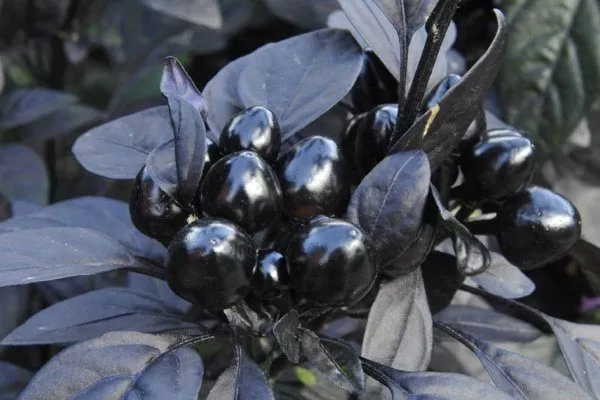
Black Pearl Pepper
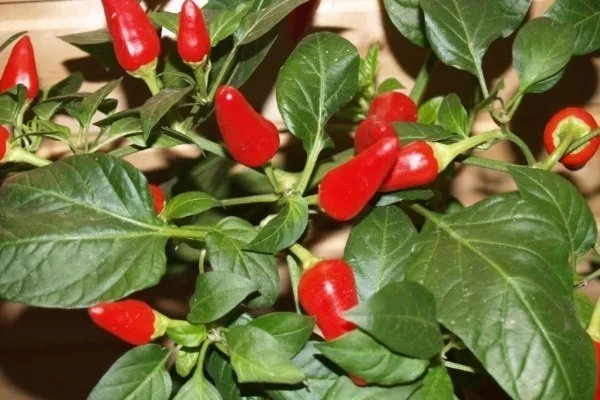
A type of hot pepper with black leaves (hence its name). The plant's fruits are spherical and slightly elongated, 1 cm in diameter.
As they grow, their color changes from black and dark purple to scarlet and pink. This shade-tolerant variety grows up to 49 cm when grown in a pot and up to 150 cm when grown in a greenhouse.
Pepper "Little Miracle"
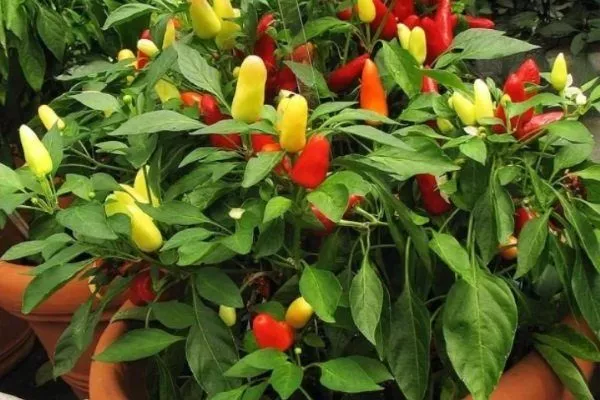
An ornamental variety with a pungent, spicy flavor and cone-shaped fruits that turn green, purple, and red as they grow. The plant grows to a maximum height of 30 cm. This little miracle belongs to the ornamental chili pepper variety and is used as a seasoning in vegetable preserving.
Pepper "Drakosha"
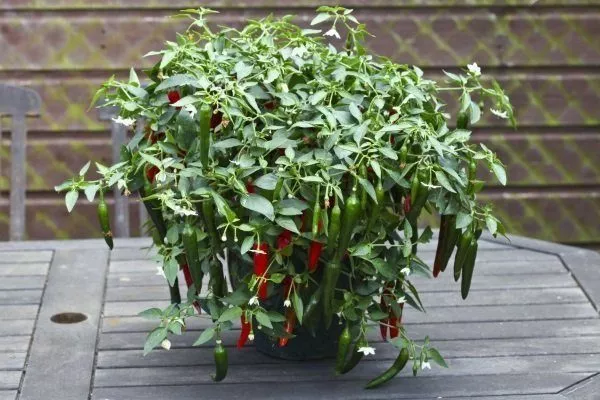
This pepper variety is generally considered a bush variety. It's suitable for growing in flowerpots on a windowsill. The 'Drakosha' peppers are cone-shaped, and the plant itself is weather-resistant, so it can withstand prolonged exposure to sunlight. The 'Drakosha' peppers are commonly used as a seasoning in cooking.
Hot pepper "Salute"
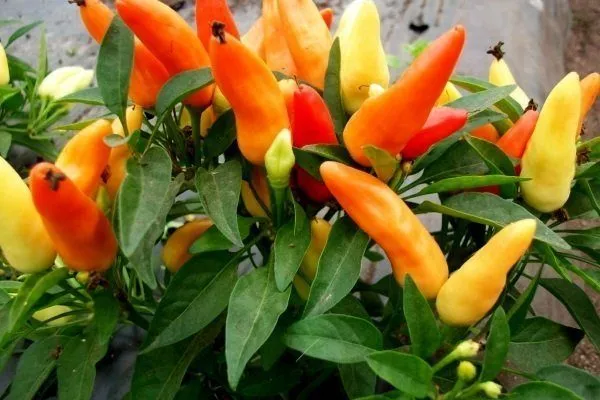
A common ornamental plant that requires no pruning thanks to its perfectly shaped crown. The bush grows to a height of no more than 20 cm, making it easy to fit on a windowsill.
During the growing season, the peppers' color changes from dark green to orange. The 'Salute' peppers are cone-shaped and ribbed, making them ideal for use as a seasoning for canned vegetables.
Apache pepper
A branching plant reaching 30-40 cm in height, the bright red fruits of 'Apache' are conical in shape. The plant grows well for 80-90 days in pots of various sizes on a balcony or windowsill. The fruits of this variety are used as a seasoning in cooking.
Features of cultivation
Typically, sowing seeds isn't done before February. This is the best time for indoor peppers to take root. To prepare the seeds for sowing, you'll need to acquire:
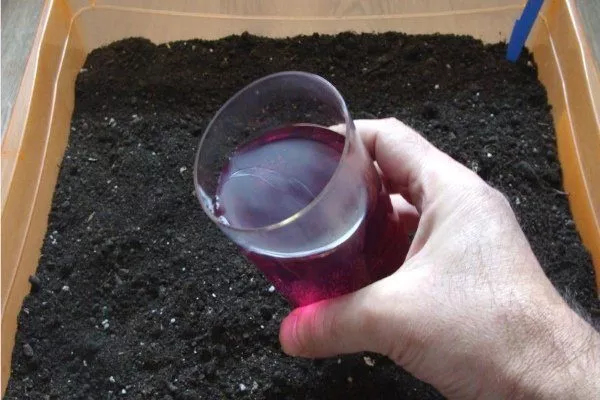
- disinfectant solution (phytosporin or potassium permanganate will do);
- growth stimulating agents.
When using the first solution, the seeds should be soaked during germination. If you use a growth stimulant, the seeds should be sprayed as directed in the solution's instructions. When planting fresh seeds, such stimulation is not necessary.
Seed germination technology
Instructions for properly growing ornamental pepper seeds:
- When sprouting, soak the seeds in water for 12 hours. Leave at least 2 cm between them to prevent the sprouts from interfering with each other's growth.
- Then sprinkle the sprouted shoots with soil so that it covers the shoots with a layer 1 cm thick.
- Next, spray the seeds with water using a spray bottle. The soil should be slightly damp to prevent mold and rot.
- Proper seed germination conditions should be similar to those in a greenhouse: cover the sprouts with plastic wrap and place them in a warm, well-lit area, but not in direct sunlight (otherwise, a greenhouse effect will occur, which is harmful to the seeds). The ambient temperature should be at least 23ºC.
- After the first shoots appear after a few weeks, remove the film.
- ✓ The water temperature for soaking seeds should not be lower than +25°C to activate growth processes.
- ✓ The distance between seeds when planting should be at least 3 cm to avoid competition for light and nutrients.
Selecting and preparing soil
It's recommended to use a light, neutral soil. You can purchase it at a specialty store or make your own. To do this, mix the following ingredients in a 2:2:1 ratio:
- turf;
- leaf humus;
- sand.
To properly prepare the soil for growing ornamental peppers, amend it with vermiculite or agroperlite. These components help the soil retain moisture well.
Transplanting a plant to a permanent location
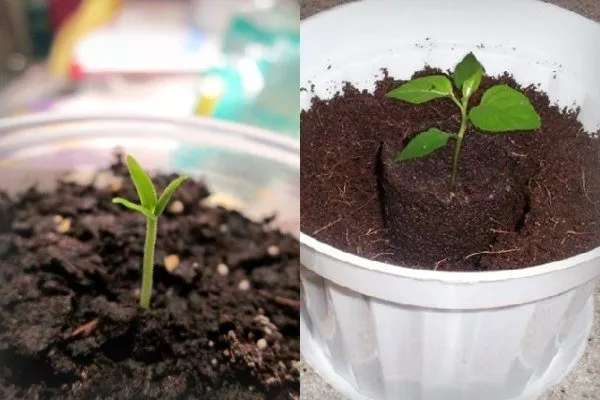
As soon as the first leaves appear on the sprouts, you can begin transplanting the seedlings. Prepare a separate container (a 300 ml pot) for each seedling.
The plant may not produce fruit if there are multiple sprouts growing in the same pot. It's also important that the pot size doesn't exceed the specified size, otherwise the root system will begin to oxidize when watered. Place a drainage layer at the bottom of the pot.
When replanting, place the seedling at the same depth it was during germination. Place the seedling shallowly into the soil to prevent the roots of the ornamental pepper from rotting.
Pinch the main root to strengthen it and promote the development of lateral shoots. Lightly press the soil around the sprout, then water thoroughly. While the plant is rooting, don't water it for a week.
Care and creation of favorable conditions
After all the seed planting procedures have been completed, it is important to provide the plant with proper care, which includes the following key steps:
- watering and spraying;
- feeding.
Watering and fertilizing plants
During the warmer months, peppers should be watered when the soil begins to dry out. The water should be room temperature and allowed to sit. Avoid allowing the soil to dry out too much, as this will cause the plant to wilt and prevent it from producing new fruit. Mist the plant several times a day if the ambient temperature exceeds 25ºC.
Sometimes the soil lacks the nutrients the plant needs, so it's necessary to fertilize your indoor pepper. Purple leaves indicate a phosphorus deficiency, while light-colored leaves indicate a nitrogen deficiency.
The plant should be fed every two weeks. Apply a potassium-containing solution to the roots, and a nitrogen-containing mixture to the leaves.
Selecting a location, lighting and temperature conditions
The room where the ornamental pepper will grow should be well-lit and regularly ventilated, but drafts should be avoided.
The windowsills where the plant pots will be placed should be on the east or west side, as the south side receives a stronger concentration of sunlight, which can cause unwanted sunburn. However, constant shade will also be detrimental to the plant. The plant should be placed in full sun for three to five hours a day, or a light source should be created.
- ✓ For uniform plant growth, rotate the pot 90° every 2 days.
- ✓ Use phytolamps with a spectrum of 400-700 nm for additional lighting during the winter.
If the pepper plant's branches are weak and there are few fruits, this indicates the plant needs more sunlight. In November and December, when daylight hours are short, it is recommended to use a grow light.
The room temperature for growing indoor peppers should be 25ºC (77ºF) in spring and 16-19ºC (61-65ºF) in winter. Ornamental peppers are not sensitive to temperature fluctuations, so they can be periodically placed on the balcony. Humidity should be 60-70%. If humidity levels drop after watering, mist the plant with a spray bottle.
Prevention of diseases and pests
Excessive soil moisture can cause root rot or late blight, which appears as brown spots on the leaves, in ornamental peppers. In these cases, treat the peppers with copper-containing products.
If the plant's leaves begin to wilt, this indicates root rot. Remove the affected plant from the ground and change the soil. Spider mites are also a common pest of ornamental peppers. They appear when the humidity level in the room is unhealthy.
To prevent spider mites, the plant should be watered regularly and maintained at the correct humidity level. If spider mites have already infested the plant, fungicides can help eliminate them. Mealybugs can also infest the root system. To prevent this pest, be sure to treat the soil before planting. disinfect.
Possible mistakes when growing and reviews
To avoid the most common mistakes when growing and caring for ornamental peppers, use the following tips:
- If you're growing peppers on a windowsill, it's practically impossible to make a mistake. Just move the plant to a shaded area during periods of intense sun exposure and water it regularly with settled water.
- If you're planning to grow peppers like 'Ogonyok,' be careful not to let the soil dry out. This pepper is very sensitive to moisture stress during flowering, so if it doesn't get enough water, it may begin to drop its buds.
- Avoid drafts and dry air to prevent the plant from shedding its leaves and going dormant.
- To ensure proper fruit set, shake the pepper bushes during the flowering period – this will promote proper pollination.
- When planting the plant, do not bury it too deeply into the soil (the root collar should be no more than 2 cm deep), otherwise it will die or the fruiting period will begin very late.
- To avoid confusion about the dosage of pepper fertilizer, buy ready-made fertilizer from a specialty store. Organically approved varieties are best, especially if the peppers will be eaten.
Reviews
Hot peppers are an easy-to-grow and beneficial indoor plant that serves decorative, edible, and medicinal purposes. Growing and caring for them is straightforward, making them a welcome, healthy addition to your windowsill or balcony.
I've never had any luck growing a chili pepper on a windowsill, but then I read your article and decided to give it another try. I realized what I was doing wrong. It turns out I was overwatering it (thinking it was better that way), not feeding it, and using just sod as a substrate. I also placed the pot in the shade (on the table, so I could see it and remember to water it every day, sometimes even twice a day). Thank you for the excellent information.
Ask for sprouts... It's kind of strange...
Sorry, don't ask, but sprouted.