
Unique varieties are emerging in the gardening world, offering the opportunity to enjoy exquisite flavors and abundant harvests. Among them, the Ramiro pepper stands out, impressing with its disease resistance, excellent flavor, and wide range of culinary uses. Proper care guarantees a high yield.
General description of the plant
Ramiro is a mid-late ripening variety, and in harsh climates, it is grown exclusively in greenhouses. It is unsuitable for conventional greenhouses and tunnels due to its large bush size, which does not support its growth.
It takes approximately 115-130 days from germination to fruiting. The exact harvest time depends largely on planting time and current climate conditions.
The characteristics of this variety include the following:
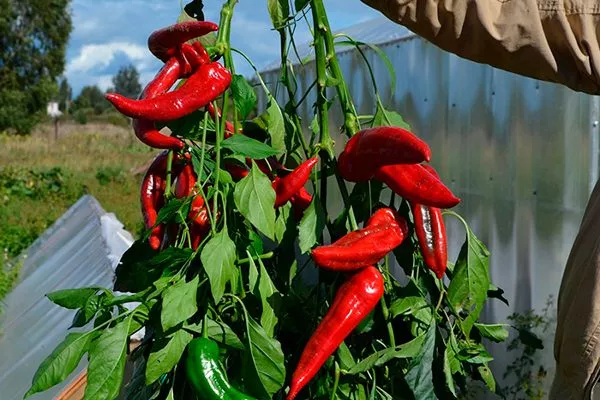
- Tall stems (100-120 cm) and strong, robust bushes with a well-developed root system. Due to the weight of the large fruits, support and tying are required.
- The leaves are semi-oval, standard green, and moderately wrinkled. The plant produces a profusion of small white flowers, although not all of them produce fruit. This variety is a bush pepper, forming several stems from the base.
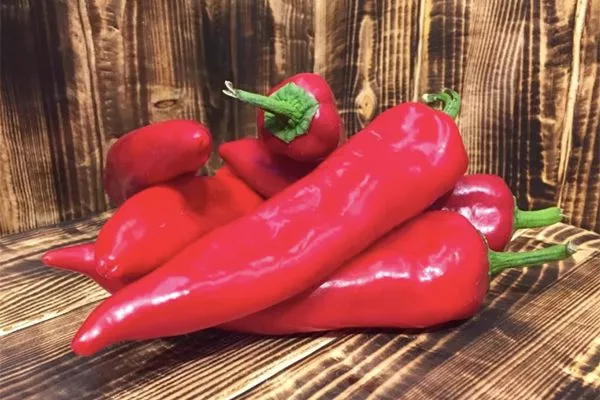
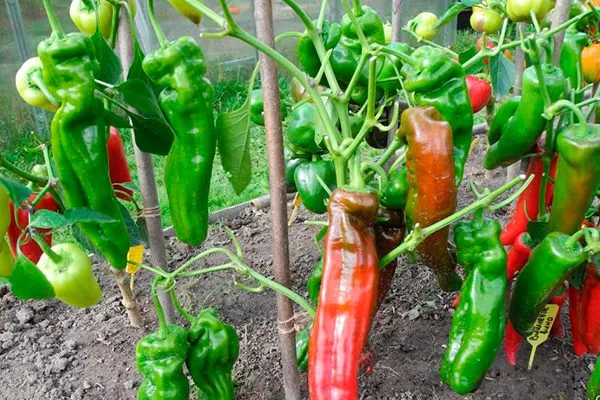
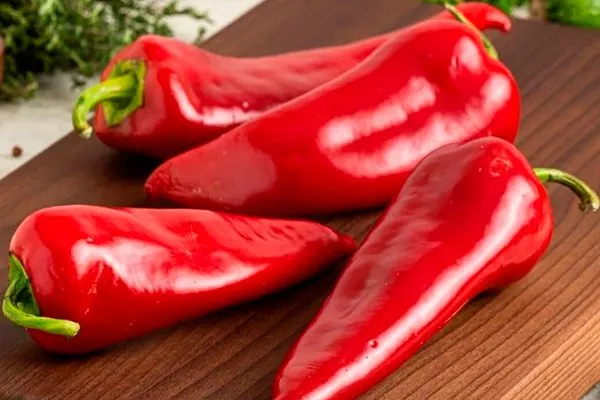
- Ramiro fruits are large and come in a variety of colors: red, orange, yellow, and green. Their elongated shape features a characteristic crescent-shaped curve and slight creases at the stem. Their smooth, shiny skin and size (up to 30 cm, weighing up to 150 g) make them attractive.
- The main advantage of this variety is its distinct taste and aroma, fine texture of the pericarp and a small number of seeds.
- This pepper variety is distinguished by its exceptional productivity. Each plant produces 12 to 15 large fruits, yielding an impressive harvest. On average, a single plant yields approximately 2 kg of ripe peppers.
This variety is popular due to its versatility: it can be eaten fresh, added to salads and vegetable appetizers, pan-fried, grilled, dried, used in seasonings, sauces, and stuffed with various fillings.
Ramiro retains a pleasant crunch when fresh, and its flavor intensifies when cooked. This pepper prefers a warm environment and requires seedlings to be planted in well-heated soil. In areas prone to early frosts, it may not reach full maturity. Proper watering and timely fertilizing are essential for its care.
Benefits and harms
The Ramiro pepper is deservedly considered a champion among peppers due to its high content of vitamin C, which is necessary for maintaining immunity, especially during the autumn-winter cold.
The vegetable is enriched with beta-carotene, vitamins B, H and PP, as well as minerals, including potassium, calcium, selenium, iron, chlorine, sulfur, silicon, phosphorus and sodium, natural sugars and fiber.
Ramiro pepper is useful for stimulating intestinal peristalsis, normalizing gastrointestinal function, and removing excess toxins.
Low in calories and rich in flavor, peppers are an ideal ingredient for fasting days and diets. Raw peppers can cause a feeling of heaviness and discomfort in the stomach. In rare cases, consuming ramiro peppers can cause allergic reactions.
Advantages and disadvantages
The Ramiro pepper has earned the imaginative nickname "giant chili," but despite its outward resemblance (narrow pericarp, curved pod, creases at the stem, and crescent shape), it has many advantages:
Planting seeds
Before planting, soak the seeds in water until they are fully swollen, using a 1% potassium permanganate solution. Then place them on a damp cloth or cotton wool for 2-3 days. To increase seed germination, use growth stimulants such as Epin. Soak the seeds in this solution for 4 hours, then rinse thoroughly with water.
Place the prepared seeds in furrows 1-1.5 cm deep, water well, and place in a dark place. Cover the tops with plastic wrap or glass. Typically, the seeds begin to germinate the next day.
When growing seedlings by transplanting, sow the seeds in special containers. Once the seedlings emerge, move the container to a well-lit area.
Growing seedlings
To ensure successful seedling development, optimal conditions should be created. Follow these recommendations:
- Temperature. Daytime temperatures reach +26°C, nighttime temperatures do not fall below +10°C.
- Watering. Provide moderate watering with warm, settled water. Avoid using cold water to avoid stressing young plants.
- Ventilation. Ventilate 2-3 times a week to maintain fresh air.
- Light. The photoperiod should be at least 12 hours. If natural light is insufficient, provide additional lighting for the seedlings.
- Fertilizer.To stimulate root development, add potassium humate (5 ml per 2 liters of water when watering).
- Picking. After the second leaf appears, transplant the seedlings into cups no more than 10-12 cm in diameter. A method without transplanting is also possible, when sowing directly into cups.
- Acclimatization. Two weeks before planting in their permanent location, begin hardening off the seedlings to acclimate them to fresh air. Gradually increase the time.
By providing seedlings with such conditions, you can achieve healthy and sustainable growth, which will increase the success of subsequent cultivation in a permanent location.
Transplantation into open ground
The Ramiro variety is suitable for both open ground and greenhouse planting. A week before transplanting, treat the soil with copper sulfate to disinfect it. Transplant the plants in late May or early June.
- ✓ The soil temperature for planting seedlings should be at least +15°C to avoid stress on the plants.
- ✓ The distance between bushes should be at least 40 cm to ensure sufficient space for growth and ventilation.
Space the bushes 40 cm apart and 50 cm between rows. Plant the seedlings in holes up to 15 cm deep, along with the soil from the cup. Staggering the bushes prevents them from becoming overcrowded. Cover the roots with soil and compact the soil lightly.
Water the plants generously with warm water and mulch with peat to maintain soil moisture. Then, do not water or fertilize the seedlings for a week to give them time to establish. Plant on a cloudy day, preferably in the morning or evening.
Fertilizer
To increase the yield of the Ramiro pepper variety, fertilize. Apply the first fertilizer 16-17 days after planting, using a mullein infusion at a ratio of 1:15 or a solution of bird droppings (1:10 with water).
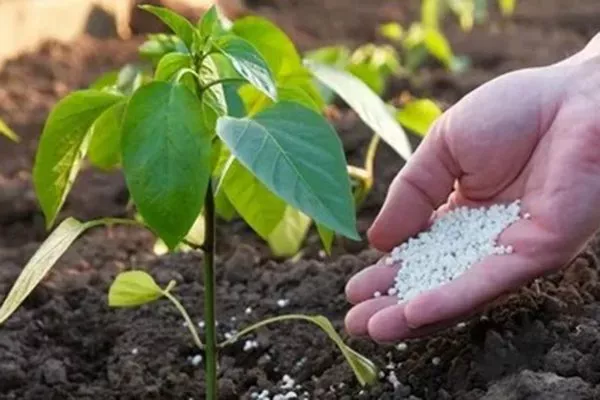
During flowering, spray the plants with a boric acid solution at a concentration of 2 g per 1 liter of water. This will help strengthen the ovaries. You can also add a small amount of sugar to attract pollinating insects.
Additional feeding should be carried out after flowering using a solution containing 20 g of potassium salt and 20 g of superphosphate per 10 liters of water.
| Feeding method | Period of application | Efficiency |
|---|---|---|
| Mullein infusion | 16-17 days after planting | High |
| Boric acid solution | During the flowering period | Average |
| Potassium salt and superphosphate | After flowering | High |
Fertilizers strengthen the root system and improve the flavor of the fruit. To extend the fruiting period, apply another fertilizer after the first harvest.
Watering
Water peppers in the morning or evening, avoiding direct sunlight. Use warm, settled water at a rate of 6 liters per square meter. Watering frequency depends on the plant's stage of development.
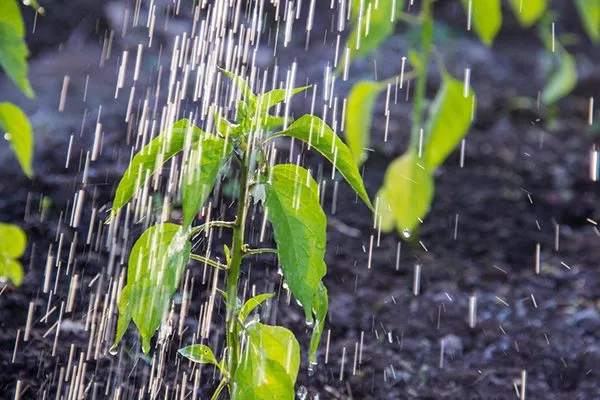
During the budding period, water twice a week, and during the fruit formation and ripening stage, once a week is sufficient.
Harvesting
Harvest after 94 days of full ripening. Perform the first harvest at the technical ripening stage, which helps the plant recover and form a new set of ovaries. The next harvest can ripen directly on the vines, which improves overall yield.
For long-term storage of peppers, consider the following conditions:
- Harvesting at the stage of technical maturity.
- Selection of high-quality fruits without deformations for storage.
- Maintain the temperature in the room where the pepper will be stored at no higher than +7°C.
To increase the shelf life of peppers, they can be sliced and placed in the freezer compartment, distributing the vegetable slices in a thin layer in plastic bags.
Diseases and pests
The Ramiro pepper exhibits good resistance to various diseases, but preventative measures are a good idea. Potential diseases include phytoplasmosis, which causes fruit deformation and shrinkage, as well as yellowing and wilting of the foliage.
Preventive measures aimed at preventing the development of fungal infections include:
- Irrigation of seedlings with warm liquid.
- Use of fungicidal preparations such as Zaslon and Barrier to strengthen the immune system of plants.
- Thinning out plantings to reduce overcrowding.
- In case of serious damage, it is necessary to treat the bushes with copper-containing agents, for example, Bordeaux mixture, copper oxychloride, Oxychom.
It's important to stop all chemical treatments 21 days before harvest. Weed control is a key preventative measure. If the crop is infested, double treatment with a Malathion solution is recommended.
Growing Ramiro peppers is not only a fun activity but also a chance to reap a high-quality, delicious harvest. By following proper care recommendations and disease and pest prevention, you'll enjoy this variety's bright, juicy fruits all season long.