
Getting a juicy and delicious pepper harvest requires effort. One of the keys to achieving this is fertilizing when growing seedlings. To avoid an overabundance or deficiency of nutrients in the soil, it's important to know when and how much to feed your peppers. This article discusses the fertilizers needed for this vegetable crop during the seedling stage and application schedules.
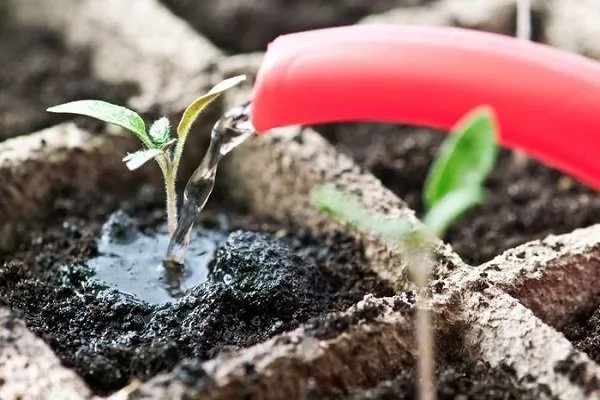
When and why is fertilizing necessary?
The fertilizer application schedule below can be modified and adjusted to suit specific climate, season, soil type, and pepper variety. Supplemental fertilizers are added between main feedings if required by the vegetable crop.
When to feed seedlings:
- First main feeding.This is done when the first pair of leaves appears on young plants. Applying nitrogen fertilizer will support the seedlings at this stage and provide strength for rapid growth and further development. The frequency of additional feeding during this phase of vegetable growth is once every two weeks.
- Second main feeding.It's done after picking. It's designed to help the peppers cope with the stress of the procedure and to mitigate its effects.
- Third feeding.This is done before transplanting the seedlings to the main bed. This will help them cope with the transplanting process more easily and adapt to the new location more quickly.
If the soil is well prepared in the fall, even basic fertilizer applications may be required in smaller quantities.
Main types of fertilizers
Today, the market offers a huge variety of fertilizers of diverse compositions and qualities. These can range from fertilizers consisting of a single active ingredient to mixtures with a rich composition of components and substances. To correctly calculate the total amount of fertilizer to apply and their single dose, you need to know the different types of fertilizers and their composition.
Mineral fertilizers
This group includes fertilizers produced by the chemical industry. They are obtained through various reactions between individual components. These fertilizers have a rapid positive effect on plants, but their effects are short-lived.
Depending on the element predominant in their composition, mineral fertilizers are divided into:
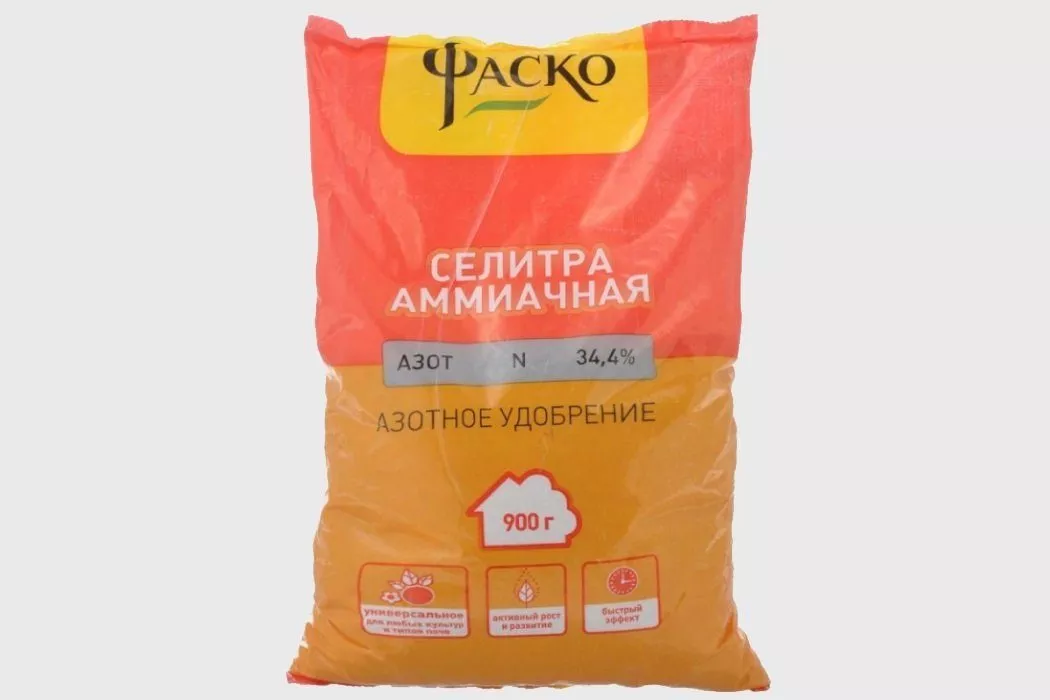
- Nitrogen.They are used to promote active crop growth. They are applied in the fall during soil preparation for the upcoming season or in early spring. The most common nitrogen fertilizers include ammonium nitrate (34% nitrogen) and urea (46% nitrogen).
Saltpeter is explosive, so be careful when transporting and storing it. Also, be careful about its content in the soil, as excessive nitrate concentrations can become nitrites, which are dangerous to humans. Vegetables containing excess nitrates should not be consumed.
Urea is more nitrogen-rich and can be applied much more economically than other nitrogen fertilizers. However, due to its high nitrogen concentration, this type of fertilizer is often used only by large agricultural farms.

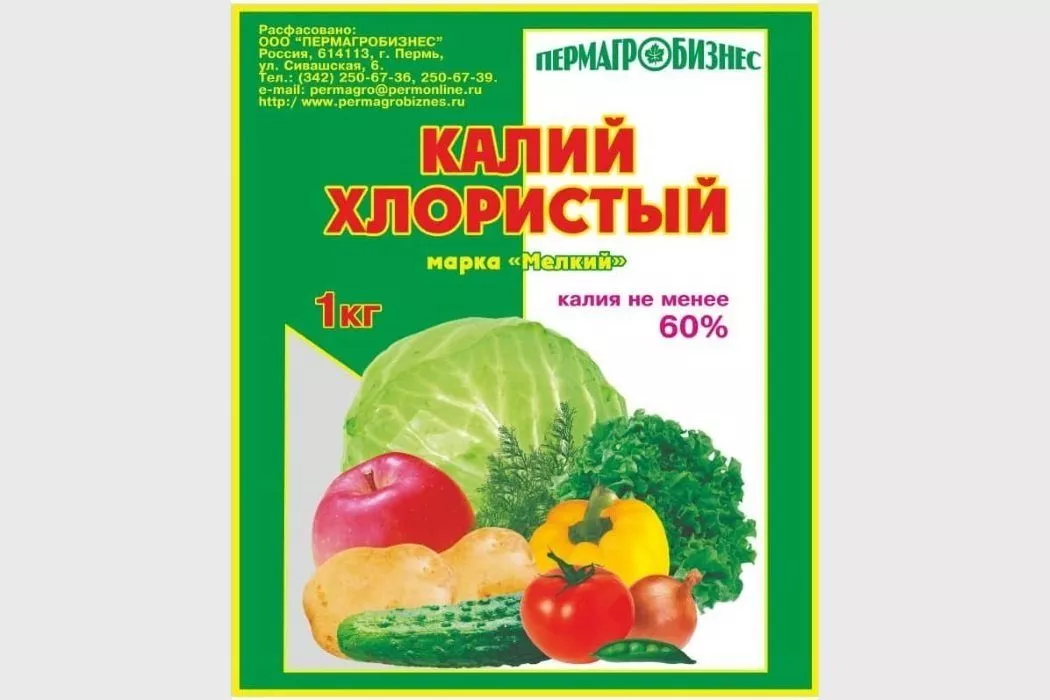
- PotassiumPotassium is responsible for proper plant metabolism and promotes the development of a strong, branched root system. With sufficient amounts in the soil, peppers grow juicy and sweet.
Potassium chloride contains approximately 60% active potassium, but when used, it increases soil acidity. Keep this in mind and use alkalizing measures when necessary.
If a vegetable crop is sensitive to chlorine in the soil, potassium sulfate is used instead. Its active element content is slightly lower—50%—but this does not affect the plant's health.
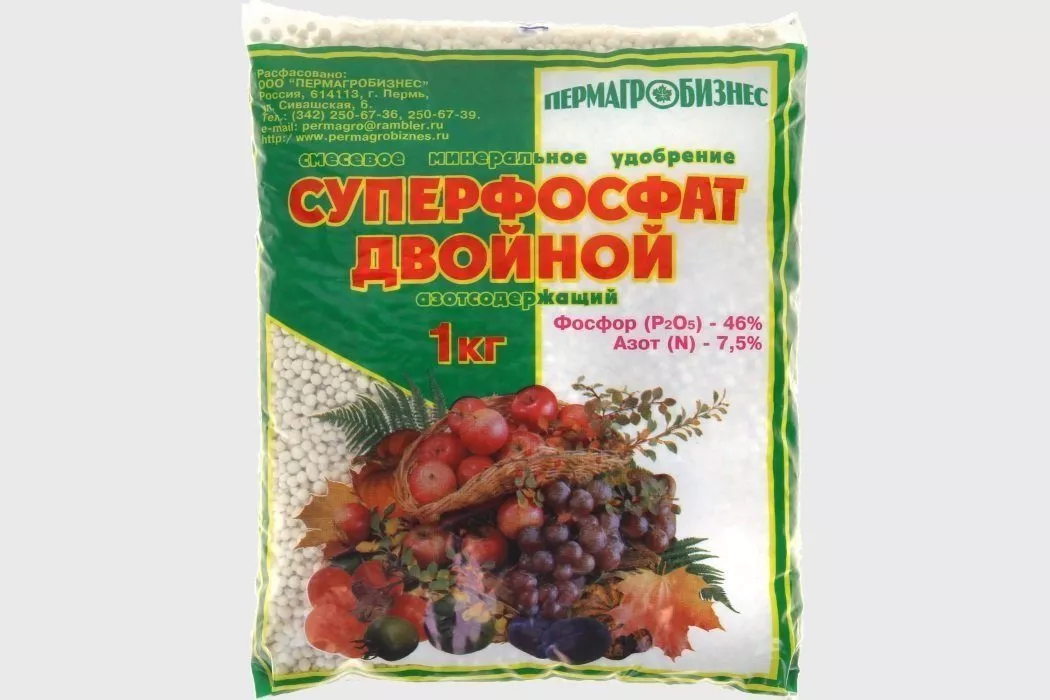
- Phosphorus.It's essential to ensure the soil has the required amount of phosphorus after transplanting to its permanent location. By improving metabolic processes, this element is responsible for the accumulation of nutrients in the fruits and their taste.
Superphosphate contains up to 22% of phosphorus absorbed by plants, and in double superphosphate its amount approaches 45%.
- Complex (mixed). Such things contain 2 or 3 of the main components:
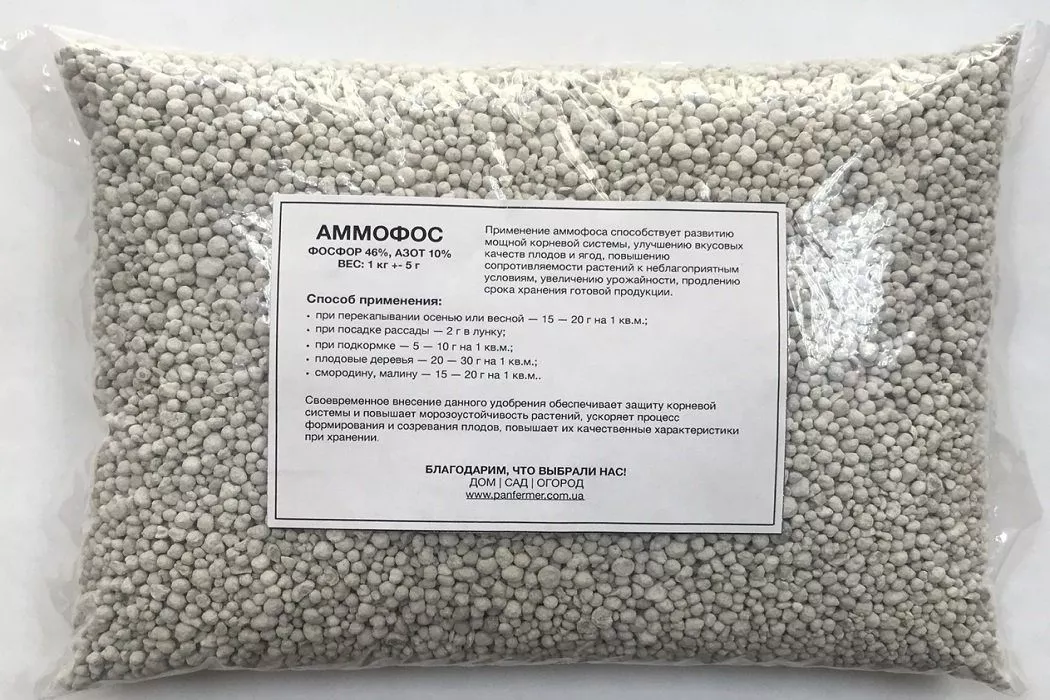
- Ammophos is a mixture of nitrogen and phosphorus;
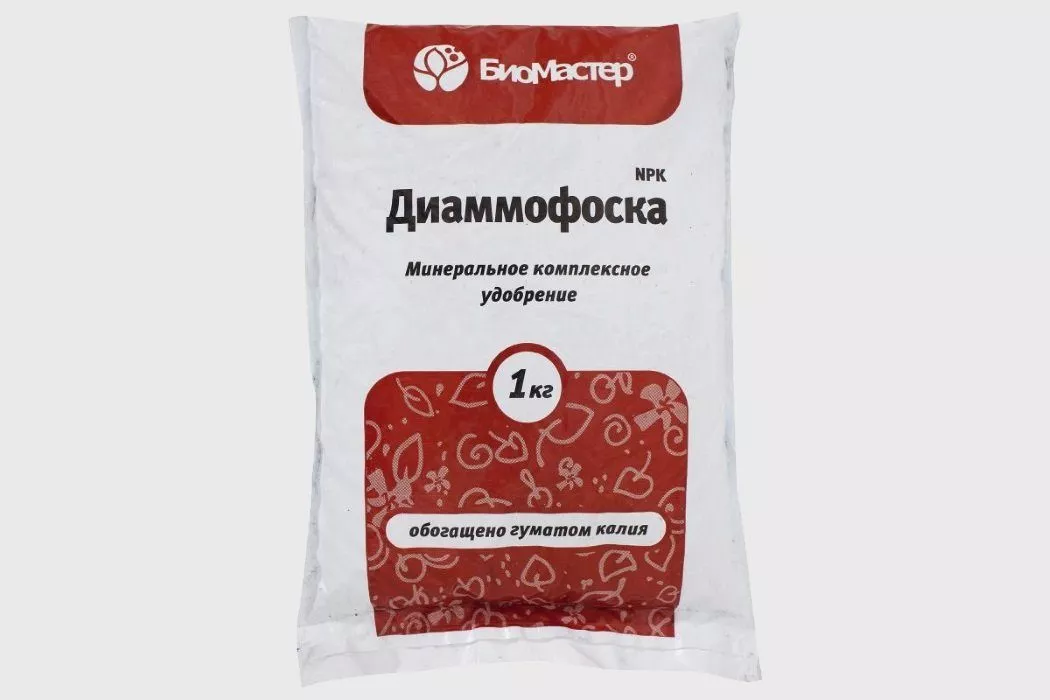
- Diammophoska - contains nitrogen, phosphorus and potassium;
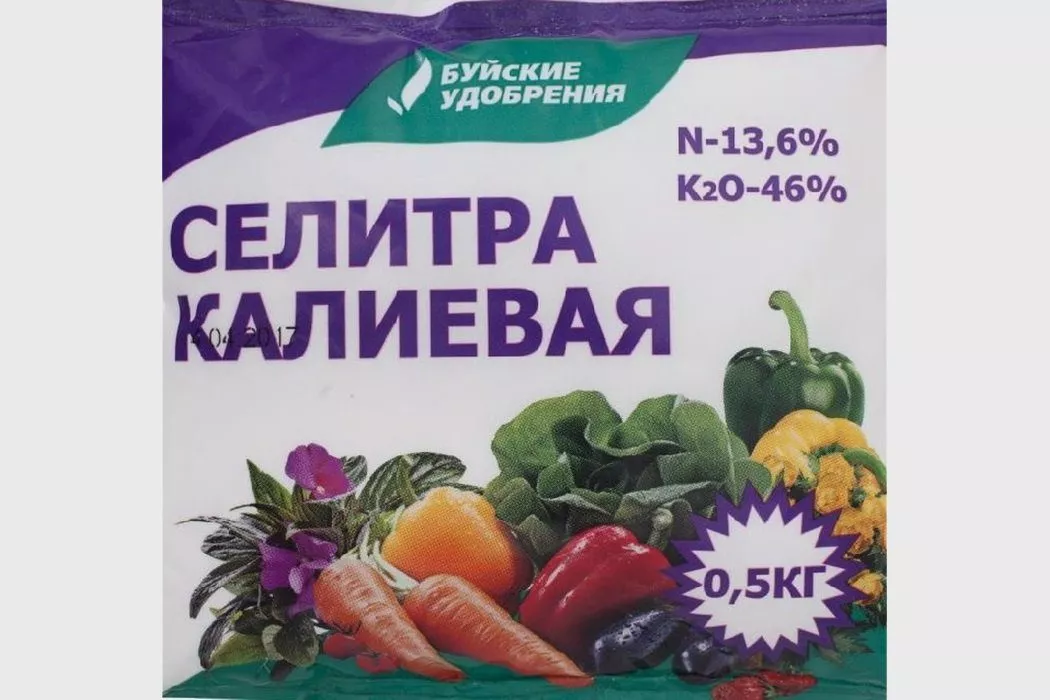
- Potassium nitrate - nitrogen + potassium;
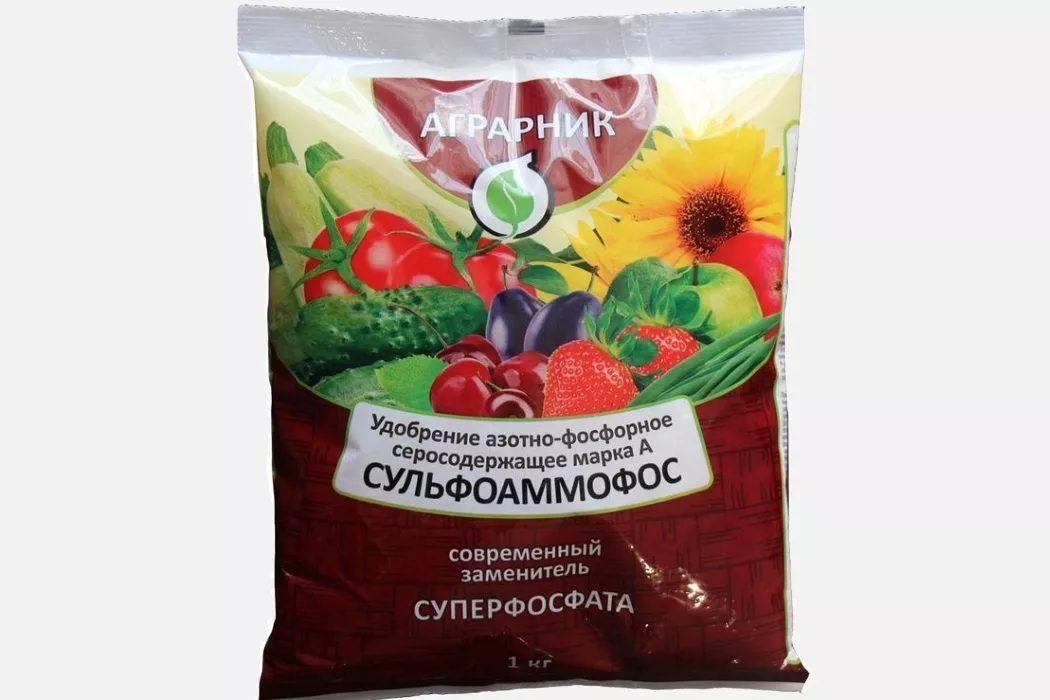
- Sulfoammophos consists of nitrogen, phosphorus, sulfur, etc.
- Ammophos is a mixture of nitrogen and phosphorus;
Organic fertilizers
Organic fertilizers are natural supplements. They can be found on even the smallest farm or garden plot. Organic fertilizers have a long-lasting effect on vegetable crops, but it takes some time for the effects to begin.
- ✓ Manure must be fully rotted (at least 9 months) to eliminate the risk of plant infection by pathogens.
- ✓ Compost requires regular turning to speed up the decomposition process and destroy weed seeds.
When fertilizing the soil with organic matter during tillage or adding natural fertilizers to the planting holes, no additional feeding is required. To avoid an overabundance of nutrients and minerals in the soil, subsequent feedings are based on the development and appearance of the peppers.
The best option for fertilizing pepper seedlings is to alternately apply organic and mineral fertilizers.
The most commonly used types of organic matter include:
- Manure. Only use manure that has been rotted for at least nine months. Apply it to the soil before plowing to ensure that the seedlings receive a generous dose of nitrogen for vigorous growth in the spring.
You can use a mullein solution, but be careful not to use a concentration that will burn the peppers. Horse manure is less acidic than cow manure, so it's preferable. - Compost.Eight months after filling the compost bin, its contents become an excellent fertilizer for vegetable crops, rich in nitrogen, calcium, and magnesium. A drawback of this organic matter is that it contains weed seeds, which can cause various diseases.
- Bird droppings.This natural fertilizer is comparable to high-quality complex mineral nutrition. This fertilizer is effective for a long time—2-3 years. When using bird droppings in liquid fertilizer for pepper seedlings, dilute it with water at a ratio of 1:20.
- Wood ash.The final composition of the ash depends on its source. Sunflower ash is considered to be the richest in mineral content. This type of natural fertilizer is considered a potassium fertilizer, although calcium is the primary component.
It is used to reduce soil acidity and provide additional nutrition to plants. When applied dry to pepper seedlings, the rate of organic matter is 200 g per square meter of bed, and for an ash solution (150 g of ash per bucket of water), the rate is 0.5 l per plant.
For information on fertilizing pepper seedlings with vermicompost, watch the following video:
Folk remedies
In addition to the above-mentioned fertilizers, folk remedies have a special place, having a beneficial effect on pepper growth and fruiting. These fertilizers contain fewer active ingredients, which prevents their overabundance in the soil. Furthermore, the effect of folk remedies is very gentle, often supplemental.
Common folk remedies for feeding peppers include:
- Infusion of eggshells.To prepare this fertilizer, add one eggshell per liter of warm water. Cover the container so that air can flow in and leave for 3-4 days. After this time, apply root feeding to the seedlings.
The finished infusion becomes cloudy and smells foul. However, it's a good remedy for peppers, with a wide range of effects.
Crushed shells can be sprinkled into planting holes for pepper seedlings and onto the soil surface beneath the bushes during transplanting. This will not only enrich the soil with nutrients but also act as a barrier to slugs and insect larvae.
- Infusion of onion peel.It has a bactericidal effect and boosts peppers' immunity to disease. To prepare the remedy, mix 5 grams of onion peel per liter of water and let it steep for 3-5 days. Strain the solution. It can be used both as a root and foliar treatment.
- Baker's yeast solutionContains nitrogen, phosphorus, and other nutrients. Yeast bacteria inhibit pathogenic microorganisms. This fertilizer will improve the pepper's condition, boost immunity, and optimize metabolic processes.
To prepare this remedy, dissolve 50 g of fresh yeast in 1 liter of warm water, adding 1 teaspoon of sugar. Mix well and bring the volume to 5 liters. Spray the peppers with the prepared mixture or water the plants at the roots. - Green manureContains nitrogen, potassium, iodine, and other beneficial elements. To prepare this fertilizer, gather the following herbs:
- nettle
- dandelion;
- sagebrush;
- yarrow;
- tomato tops.
Place the plant mixture in the bottom of the container, filling it 1/6 full. Fill to the top with warm water. Let it ferment for several days, stirring occasionally. To feed, dilute 1 liter of the resulting solution in 10 liters of water.
How to feed pepper seedlings?
Peppers require multiple fertilizations. Fertilizer composition and amounts vary at each growth stage. During the period of foliage growth, peppers require nitrogen.
The success of the entire growing season depends on the quality and timeliness of fertilization.
After germination
Pay close attention to the first feeding, when the seedlings are still very weak. Now they need a low-concentration fertilizer solution. Give the peppers a week to adapt after transplanting, and then give them a boost with mineral fertilizers.
For the first feeding of peppers at the two-leaf stage, use azophoska and nitroammophoska according to the instructions. The best organic fertilizers are a 1:20 solution of chicken manure in water, 1:10 manure, or 1:50 ash.
The second feeding should be carried out in 10-14 days, when 3 pairs of leaves have formed on the bush.
An alternative to the first feeding can be a solution of 1.5 tablespoons of Kemira-Lux fertilizer per bucket of water. A folk remedy based on iodine is also useful: add one drop of the product to 3 liters of water. Water the pepper plant or spray it.
After the dive
After transplanting, the seedlings need to be fertilized 3-5 days before transplanting to their main growing site. The following solutions can be used as nutrients:
- 20 grams of Kristalon fertilizer per 10 liters of water;
- 10 g of ammonium and potassium nitrate and 30 g of superphosphate per bucket of water;
- 15 g of superphosphate and 30 g of oxamide per 10 liters of water, etc.
For vigorous flowering, use "Ecohuminat" or "Dachnik" mixtures, scattering them around the bed under each pepper plant. Organic fertilizers, such as bird droppings infusion and wood ash, are also effective.
During the fruiting period, add an infusion of mullein in a ratio of 1:20 with water or another type of phosphorus-potassium fertilizer.
For information on how to feed pepper seedlings after transplanting, watch the following video:
Signs of nutritional deficiency in plants
A pepper's appearance is an indicator of its soil composition, so if there's an imbalance of nutrients and microelements in the soil, the plant will immediately respond with various changes in its condition. For example:
- The green part of the plant has lost its rich color and has become pale green with yellow transitions - a sign of nitrogen deficiency.
- The leaves have become curly, and yellow-gray spots have appeared on their surface – calcium and potassium are needed.
- The bush has few leaves, most of them have turned yellow and are tending to fall off. Nitrogen needs to be added to reduce the amount of calcium in the soil.
- Slight paleness of leaves indicates nitrogen deficiency.
- Leaves are rich green with a red or purple tint - pepper requires phosphorus.
Don't delay adding the necessary components to give the crop time to restore its nutritional balance and recover. Your actions will determine the final harvest.
When is it not necessary to feed?
If the soil has been properly prepared before sowing the seeds, using organic fertilizers and mineral fertilizers, then additional application of nutrients for peppers is not required.
It's fairly easy to determine whether a vegetable crop is getting enough minerals and nutrients from the soil. Look at the plants' appearance. Healthy peppers have rich green foliage, and the leaflets are waxy and shiny. The stems are strong, with a thick central stem.
If the seedlings are developing according to their age, and the above-ground portion of the bush is free of yellow spots, the peppers are doing well. Fertilizing can lead to an excess of nutrients in the soil, which can have the same negative consequences as a deficiency.
Helpful tips
To ensure maximum efficiency in fertilizing peppers, follow these tips:
- Before applying root fertilizer, water the seedlings thoroughly. This will ensure the fertilizer is evenly distributed throughout the soil and will not damage the plant roots.
- Spray with nutrient solution only in the morning or evening, or in cloudy weather.
- Consider the total amount of fertilizer applied.
- Use the basic organic complex when preparing soil for seedlings and in spring.
- Alternate different types of fertilizers.
- When deciding on fertilizer application, consider the appearance of the pepper and its needs.
- Do not overdo it with feeding, causing harm to the crop instead of the expected benefit.
Fertilizing pepper seedlings involves a complex process. Knowing all the nuances, plant needs, and alternatives to various nutritional options makes fertilizing a breeze. And the end result—a bountiful harvest of healthy, delicious fruit—will delight any gardener.