
Growing peppers is a fascinating and exciting pastime, and the Fox Tail variety is a true discovery for experienced gardeners and budding agronomists alike. This unique pepper, developed with care and attention, promises not only a bountiful harvest but also rich, flavorful fruits. Proper care and attention are essential.
Description of the variety
Fox Tail is a sweet pepper variety developed and presented by a team of authors, including Sergei Fedorovich Gavrish, Raisa Nikolaevna Kapustina, Vadim Mikhailovich Verba, and Natalya Sergeevna Shandala. This variety was officially approved for use in 2021.
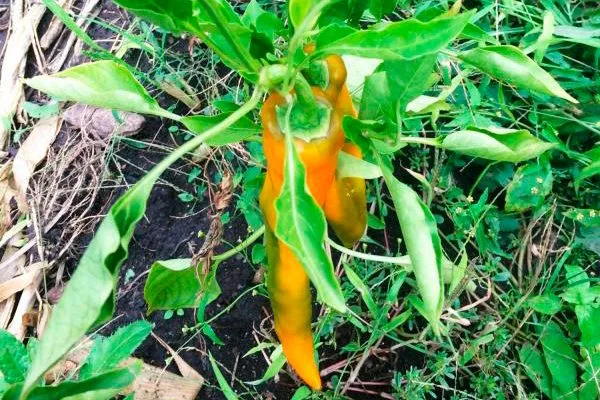
Characteristics of the appearance of the plant and fruits
The plant exhibits vigorous growth, reaching a height of up to 100 cm, with a compact and spreading habit. The medium-sized leaves are dark green and slightly wrinkled. The fruits are elongated and conical, reaching a size of approximately 20-22 cm and weighing approximately 120-130 g.
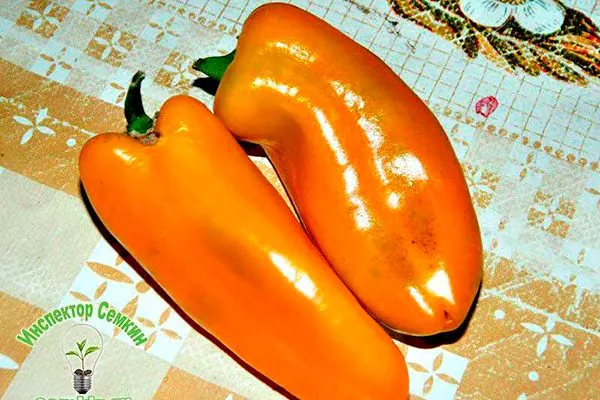
At technical maturity, they have a green tint, turning orange as they mature. The fruit surface is slightly wrinkled, shiny, and deeply embedded.
Purpose and taste
Foxtail peppers are eaten fresh. Due to their excellent flavor, they are popular for canning and stuffing. Their characteristics make them an excellent choice for a variety of dishes, ensuring high quality and flavor.
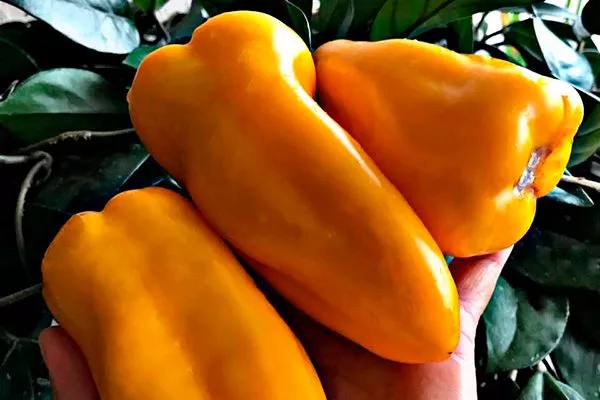
Ripening time
Foxtail peppers have a relatively fast ripening process. It takes approximately 100-105 days from seedling formation to fruiting. The fruits ripen in July-August, making this pepper variety available for harvesting relatively quickly after planting.
Growing and care
Purchase high-quality seeds from reputable producers or suppliers. Use specially prepared seedling soil or create a mixture of humus, peat, and sand.
Follow these helpful tips:
- Use small pots, trays or special cells for sowing seedlings.
- Fill the containers with prepared soil. Place the seeds at a depth of approximately 0.5-1 cm.
- Cover the crops with plastic or glass to create a greenhouse effect. Maintain a constant temperature of 22-25°C.
- Once the seedlings emerge, remove the covering. Provide bright light, for example, using grow lights or placing the containers in a window.
- When the sprouts grow and form a pair of true leaves, transplant them into separate pots or cells.
- Water the seedlings regularly, maintaining soil moisture. Fertilize according to package directions.
- ✓ Optimum soil temperature for planting seedlings: not lower than +15°C.
- ✓ Distance between plants when planting in open ground: 30x40 cm.
Test the soil for acidity and adjust the pH if necessary to ensure optimal growing conditions for your peppers. The optimal time to plant pepper seedlings is late May, when the risk of frost is minimal and the soil has warmed up.
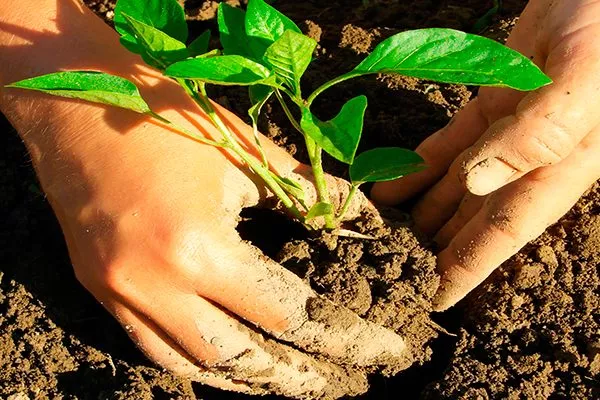
Planting seedlings step by step:
- Grow pepper seedlings early, starting in early March. Plants should be strong, with a well-developed root system, and reach 8-10 cm in height.
- Before planting seedlings, calcine the pots with soil to prevent possible diseases.
- Prepare holes in the soil at a distance of 30x40 cm between plants.
- Carefully remove the seedlings from the pot, place them in the hole and gently press the soil around the roots.
- Install supports for future plants to prevent wind damage to stems.
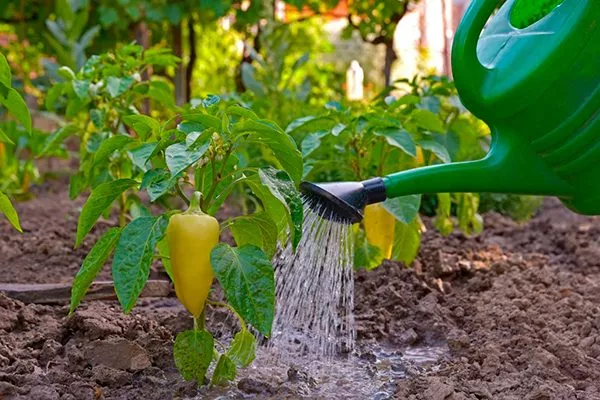
Post-planting care includes the following agricultural measures:
- Watering. Water regularly, keeping the soil moist but not overwatering. Overwatered soil can cause root rot.
- Top dressing. Apply the first feeding two weeks after planting the seedlings, using a diluted mullein infusion (in a 1:10 ratio) or a fermented herb decoction. Apply the second feeding 7-10 days later, using a specialized vegetable fertilizer or a fertilizer containing phosphorus and potassium.
Apply additional fertilizer as needed during flowering, fruit formation, and ripening. Fertilize plants in moist soil after watering. - Pinching out stepsons. Regularly remove side shoots (suckers) between plant nodes to encourage fruit development.
- Formation of bushes. Once the plant reaches a certain height (usually 20-30 cm), trim the top to stimulate lateral growth and form a bush.
- Mulching. Cover the soil with a layer of mulch to maintain constant moisture, suppress weed growth, and protect the roots from overheating.
By following these steps, you will create optimal conditions for successfully growing Foxtail peppers, providing them with careful care and a bountiful harvest.
Reviews
Growing Foxtail peppers is a creative process that rewards not only a harvest but also the satisfaction of caring for the plants. Careful site selection, proper planting techniques, abundant watering, and timely pruning are the keys to successful care.