
Hot peppers aren't as popular among gardeners as their sweet counterparts. However, the fruits of this "hot pepper" are widely used in preserves and in a variety of dishes. Carolina Reaper is considered one of the best varieties. It's listed in the Guinness Book of World Records as the hottest pepper.
Description: appearance and features
| Parameter | Characteristic |
|---|---|
| Bush height | 1.2-1.5 m |
| Length of lateral shoots | 100-120 cm |
| Fruit wall thickness | 2-3 mm |
| Period from planting to flowering | 105-110 days |
| Ripening after flowering | 30-35 days |
This stunning hot pepper was created by Ed Curry, a horticulturist and breeder who owns PuckerButt Pepper in Fort Mill, South Carolina. The variety was created by crossing the common red Habanero and Naja Viper peppers.
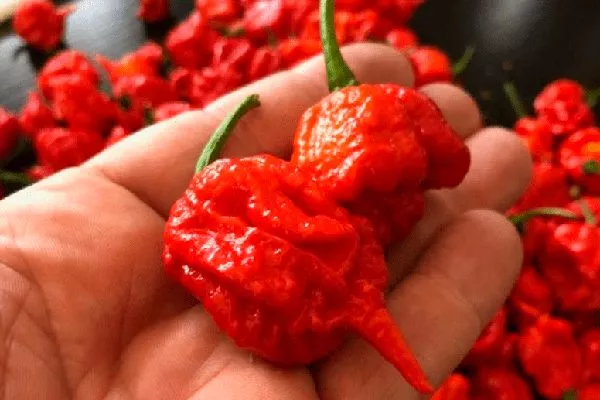
Appearance features:
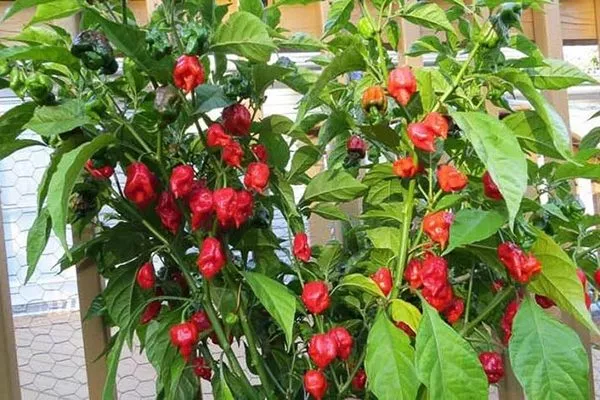
- Carolina Reaper bushes are quite tall, reaching 1.5 m in height, with lateral shoots 100-120 cm long.
- Ripe fruits are usually red in color, although sometimes you can find vegetables with other shades.
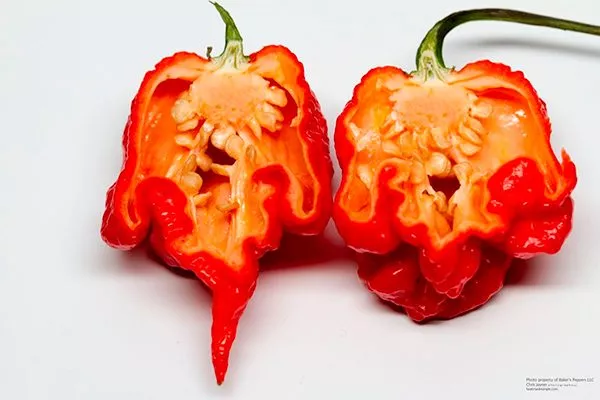
- Mature peppers of this variety have an elongated tip and are characterized by a dense wall 2-3 mm thick.
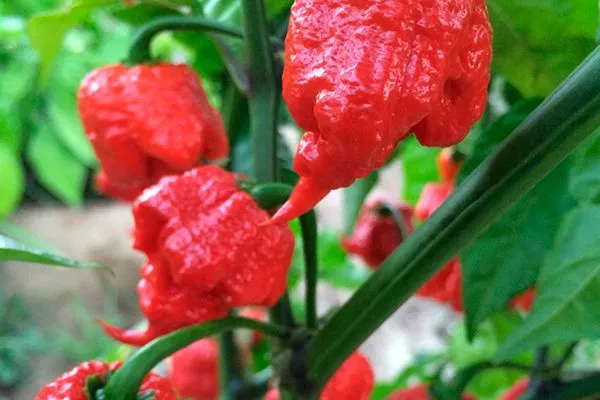
Carolina Reaper peppers begin to bloom three and a half months after planting, and the fruits ripen 30-35 days after flowering.
Advantages and disadvantages
The Carolina Reaper, like other pepper varieties, has a number of advantages and disadvantages. Its main advantages include:
- High yield. With proper care of the bushes, you can expect to harvest a large number of ripe fruits from each bush.
- Long fruiting period. The crop forms new fruits within 20-30 days, ensuring a long harvest period.
- Sharpness. The fruits are among the most pungent peppers. Some people may consider this pepper dangerous, but overall, it is safe to eat.
- Unpretentiousness to climate. The variety is resistant to frost and temperature changes, which makes it adapted to various climatic conditions.
- Disease resistance. Carolina Reaper has a strong immune system, protecting bushes from many infectious and fungal diseases.
- Valuable composition. Ripe peppers contain many vitamins and beneficial components, making them a food product with high nutritional value.
 Despite these advantages, the variety does have some drawbacks. Gardeners note its demand for good lighting—the bushes require sufficient light for normal fruiting. Another drawback is that the fruits are contraindicated for people with heart problems. This is due to their excessive pungency.
Which regions is it suitable for?
Gardeners planning to grow Carolina Reaper peppers should first familiarize themselves with the recommended growing regions for this variety. It is frost-resistant and adapts to a variety of climates.
However, there are certain regions where this pepper produces the best results. Ideal growing locations include the Leningrad Region and the Moscow Region. Residents of Yakutia and Khakassia can expect a good harvest. The bushes also thrive in Belarus and Ukraine.
In northern regions, it's recommended to plant peppers in greenhouses, which will significantly increase yields. This is especially important to ensure optimal growth and development conditions in cooler climates.
Productivity
The Carolina Reaper variety produces impressive yields. A single plant can produce up to 40 fresh fruits, providing an impressive amount of hot peppers. Over the course of a year, this variety can yield 300 to 500 grams of hot peppers per plant.
Disease resistance
Carolina Reaper exhibits high resistance to diseases and pests, but some problems are still possible. One potential disease is Cladosporiosis, which can cause brown spots on the leaves.
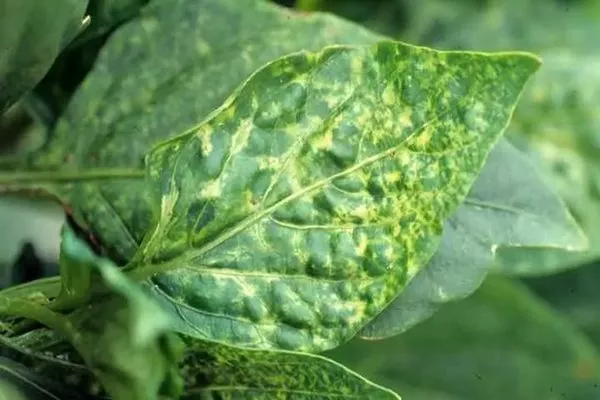
Gardeners may also occasionally encounter spotted wilt, in which the surface of the leaves becomes covered with a purple or brown coating. Mosaic wilt can also be a problem, appearing as yellowish spots on the leaves that may curl and wilt over time.
Carolina Reaper is highly resistant to phytoplasmosis, verticillium wilt, late blight, and blackleg. To prevent fungal infections, regularly treat your plants with preventative treatments.
This will help maintain the health of plants and ensure their successful development.
Planting and growing
Planting and growing Carolina Reaper peppers is straightforward and requires no experience. Even a novice gardener can handle the process.
Work calendar
- Early March: Seed germination
- Mid-March: sowing in the ground
- April: picking seedlings
- End of May: hardening
- Early June: planting in the ground
The predecessors are good
Certain plants not only can, but should be planted next to hot peppers, as they act as "good neighbors," providing the vegetable with protection from pests and promoting its growth.
Good precursors to the "fire":
- Hot peppers, which are characterized by slow growth, can benefit from being planted alongside various varieties of lettuce, spinach, Swiss chard, and cilantro. These plants not only provide additional protection but also help optimize space in the garden.
- Eggplants are excellent companions for hot peppers, as they require virtually identical care: similar temperature requirements, humidity levels, and fertilizing. Both vegetables grow successfully both outdoors and in greenhouses, and their ripening periods are almost identical.
- Herbs such as basil, dill, and thyme can have a positive effect on the pungency and flavor of hot peppers, strengthening their immune system.
- Nettle and chamomile can be useful companions for hot peppers, and dandelions promote faster ripening of fruits.
Regular weeding is essential to prevent excessive weed growth and maintain soil fertility. With the right plantings, hot peppers can thrive, producing tasty and healthy fruits.
The predecessors are bad
Hot peppers also have "hostile companions," whose proximity can negatively impact their health and flavor. Some crops are not only not recommended for planting near hot peppers, but even for growing them in the same area.
Let's take a closer look:
- One of the dangerous neighbors is fennel, which, due to its dominant nature, can cause diseases and suppression of hot peppers, leading to lethargy and underdevelopment of fruits.
- Beetroot is not the best neighbor because of the rapid growth of the root crop and the creation of shade due to the tall tops.
- Potatoes, which require abundant feeding, can deprive their neighbors of essential minerals and vitamins.
- It's important to avoid planting hot and sweet peppers next to each other, as they can interact, altering each other's flavor. If they pollinate, this can lead to the loss of the hot pepper's beneficial properties.
- Separating hot peppers from cucumbers or tomatoes can ensure yield and product quality.
Planning your vegetable plantings and considering their interactions will help create optimal conditions for each crop and ensure a successful harvest.
Sowing seeds
Hot peppers require warmth and a long growing season to successfully produce a crop. Since temperate climates often lack the time for the fruits to fully ripen, growing chilies from seed using transplants is the preferred method.
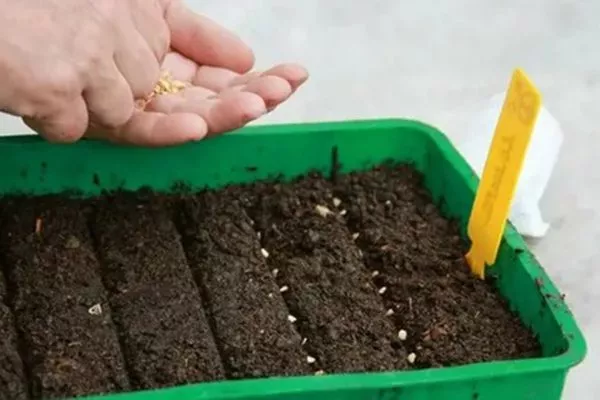
Follow the recommendations:
- Germination of seeds. Place hot pepper seeds in wet cheesecloth and keep at a temperature of at least 25°C for 7 days. This process is best started no later than early March.
- Soil preparation. Prepare boxes with soil containing a drainage layer of broken brick or expanded clay at the bottom, followed by a layer of turf, compost, and sand. Before sowing, disinfect and compact the soil.
- Sowing seeds. Make holes in the soil to a depth of about 1 cm, and place the seeds at a distance of more than 5 cm from each other.
- Growing seedlings. After the seeds germinate, move the containers to a warm place and cover them with transparent film. Once sprouts appear, move the containers to a well-lit area.
- Picking seedlings. After the leaves appear, carefully transplant the plants into separate peat pots.
About 2 months after the seedlings appear, transplant the chili seedlings into open ground.
- ✓ Germination temperature: +25°C
- ✓ Sowing depth: 1 cm
- ✓ Distance between seeds: 5 cm
- ✓ Time of emergence of seedlings: 7-10 days
- ✓ Age for picking: 2 true leaves
Check your plants first to see how prepared they are for colder conditions.
Lighting
To ensure successful germination of hot pepper seeds, ensure good lighting. Follow these important guidelines:
- Intense light. Hot pepper seedlings require bright, intense light for proper growth. If you're germinating seeds indoors, use artificial lighting, such as grow lights. These provide the most favorable spectrum of light for plant growth.
- Duration of illumination. Hot peppers require long days during seed germination. Provide seedlings with 12-16 hours of light per day.
- Correct distance from the light source. If using artificial lighting, maintain an optimal distance between the seedlings and the lamps. Positioning them too close can cause overheating and damage the young plants.
- Adjusting the height of lamps. If you use hanging grow lights, adjust their height so that the light reaches all plants evenly.
- Natural lighting. If possible, supplement artificial lighting with natural light, especially on sunny days. Seedlings benefit from full daylight.
By providing proper lighting during the germination process of hot pepper seeds, you will create favorable conditions for the healthy growth and development of seedlings.
Hardening
Two to three weeks before planting, move the seedlings out onto the balcony or veranda, opening the windows slightly (avoiding drafts). This will allow them to gradually acclimate to the cooler temperatures.
During the hardening process, carefully monitor weather conditions, eliminating the possibility of exposing pepper seedlings to frost or excessively low temperatures, since the optimal temperature for the crop is above +13°C.
Planting diagram
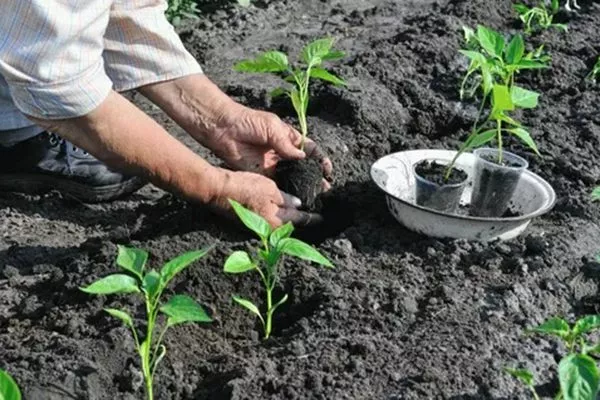
Plant peppers in a 40x40 cm pattern. The planting depth should be equal to the pot's height. If the seedlings are overgrown, plant them at an angle, but do not plant the stems too deeply, as peppers do not effectively develop additional roots in deep soil.
Transplanting
Once warm weather stabilizes, with nighttime temperatures of at least +10°C and daytime temperatures of +15-17°C, begin planting seedlings in the greenhouse. Before planting, add 8-10 kg of compost per square meter of greenhouse space, as well as 30-40 g of superphosphate and potassium sulfate per square meter.
Plant care and formation
Experienced gardeners recommend training pepper plants with 2-3 stems. When branches appear, it's important to remove the first bud. As the plants grow, remove side shoots, as well as all leaves and flowers below the branch. When the plant produces 25-30 fruits, pinch off the stem tips and remove any new buds.
Fertilizers and dressings
Apply the first fertilizer two weeks after planting the seedlings, using a 1:10 mullein infusion with the addition of fermented grass. Apply the second fertilizer 7-10 days later, using a specialized fertilizer for tomatoes and peppers or another phosphorus-potassium fertilizer.
Subsequently, fertilize as needed, typically during the flowering, fruiting, and ripening phases. Don't forget to apply root fertilizer when the soil is moist, watering the plants beforehand. The temperature of all solutions should be at least 20°C.
| Growth phase | Fertilizer | Norm |
|---|---|---|
| 2 weeks after planting | Mullein 1:10 + herbal infusion | 0.5 l/plant |
| 7-10 days after the first | Phosphorus-potassium | 30-40 g/m² |
| Bloom | Potassium nitrate | 20 g/10 l of water |
| Fruit formation | Superphosphate | 40 g/m² |
Watering
The Caroli Reaper pepper has a strong need for moisture and requires regular watering. Water every 2-3 days, but be sure to monitor the soil conditions. If the soil crust begins to dry out and reaches a thickness of 2-4 cm, loosen the soil and water it.
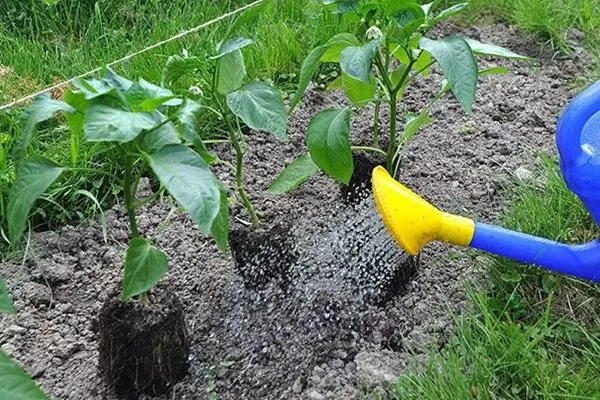
Avoid overwatering and over-watering, as this can cause waterlogging, soil acidification, and ultimately lead to the development of fungal diseases. For efficient watering, use a drip irrigation system.
Comparison with similar varieties
Carolina Reaper can sometimes be confused with other varieties of hot pepper. For example, its dense, tall bushes are often associated with the Miracle of the Moscow Region, which can reach a height of one and a half meters and spread rapidly.
There are some similarities with the Vizir variety, especially in the appearance of the fruit. Both varieties have elongated fruits with a red skin on the surface, making them similar in appearance to the Carolina Reaper.
Growing Carolina Reaper peppers is a fun activity for both experienced and novice gardeners. This unique variety boasts outstanding characteristics, but for successful cultivation, it's important to consider certain care considerations. Despite its spiciness, this variety requires careful and loving care.