
The Babkin Tongue pepper is a unique variety that boasts not only excellent flavor but also excellent growing characteristics. This crop, which has won the hearts of many gardeners, is becoming increasingly popular due to its early maturity, strong immunity, and large fruits. Proper care is essential for successful pepper cultivation.
Who developed the variety and when?
Babkin Yazyk, introduced to the market in 2020, is a relatively new product. Semena Altaya is the originator of this variety and provides the planting material for its cultivation.
Features, pros and cons
The Babkin Tongue pepper is characterized by rapid growth, which is due to numerous characteristics, including excellent taste.
The Babkin Tongue pepper is an attractive variety with good flavor and a number of positive characteristics, but it requires some attention and care to grow successfully.
Description of the plant
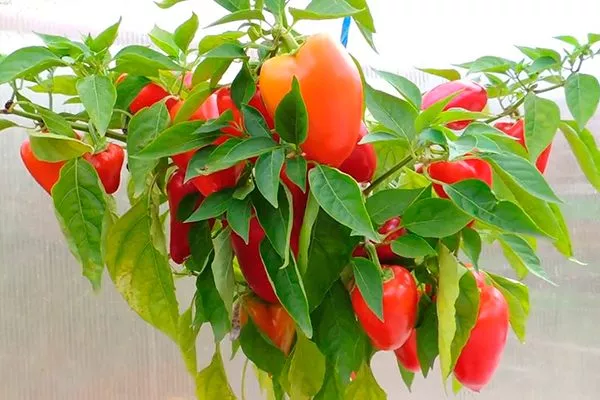
This variety's bush is compact, reaching only 45 cm in height, with a compact, not spreading crown. The shoots branch extensively, creating a dense plant.
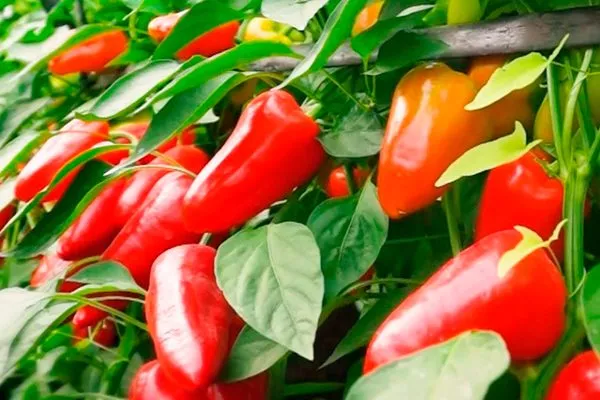
The leaves are elongated, oblong, and dark green. Their surface is matte, smooth, and abundantly veined. Each bush produces up to 20 white buds, giving the plant a decorative appearance.
Fruits, their taste and purpose
The fruits of the Babkin Tongue variety are large and cone-shaped, weighing between 100 and 150 g. At the technical maturity stage, the peppers are light green in color, which turns into an intense red as they ripen.
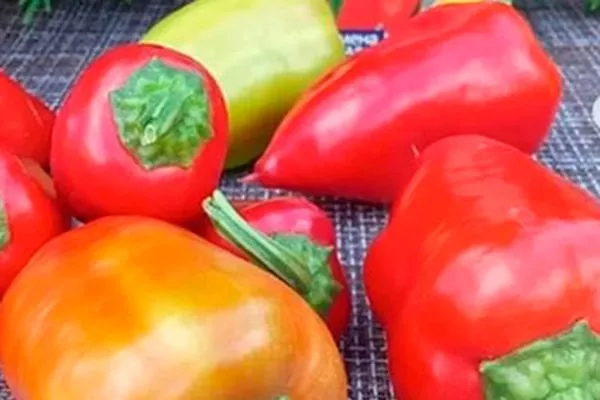
The fruit's interior features thick walls, ranging from 5 to 8 mm thick. There are 2-3 chambers containing a small number of white seeds. The peppers' flesh is juicy and crisp.
The Babkin Tongue pepper is a versatile variety suitable for fresh consumption. The fruits are added to first and second courses, frozen, and stuffed. Vegetables are often deep-fried and grilled. The flavor is sweet, rich, and without bitterness.
Ripening and yield
The Babkin Tongue pepper is an early-ripening variety, requiring an average of 80 to 90 days to produce fruit. This plant is highly productive, yielding 15 to 20 peppers per plant.
Landing features
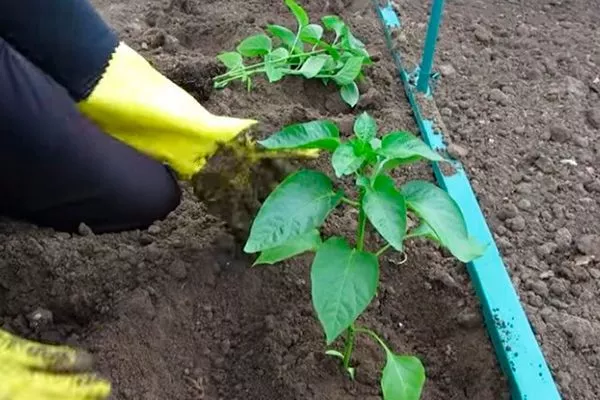
To ensure normal growth and development of Babkin Tozhak peppers, it is recommended to plant them using a 40x40 cm pattern. For an early harvest, begin growing peppers in winter, following a specific sequence.
- Soak the seeds in warm water for a few minutes, then remove any that remain on the surface.
- Treat the seeds with a weak solution of potassium permanganate to disinfect them.
- Soak the seeds in any growth stimulator for 5-8 hours, after placing them in a gauze solution.
- Sow the seeds in prepared containers, planting them no more than 1 cm deep. Water with a spray bottle and cover with glass or a plastic bag.
- Provide sufficient light for young plants, as they require 14 to 16 hours of daylight. In spring, use special UV lamps for illumination.
- ✓ The optimal soil pH should be in the range of 6.0-6.8 to ensure nutrient availability.
- ✓ The soil must be well-drained to avoid waterlogging and root rot.
It's best to choose a planting site in the fall, looking for neutral sandy loam and loamy soils. It's important that the chosen site hasn't previously been used for growing nightshade plants, such as tomatoes or eggplants, to avoid the potential for inheriting diseases hidden in the soil.
Before the onset of autumn frosts, dig up the garden bed, adding 15 kg of compost and 20 g of superphosphate per 1 sq. m. to the soil. If you didn't apply fertilizer in advance, do this in the spring, adding 15 kg of humus and 200 g of ash per 1 sq. m.
Subtleties of agricultural technology
To ensure a good harvest of Babkin Tongue peppers, careful and timely care is recommended. Follow these key steps. Peppers are among the crops that tolerate drought better than excess moisture.
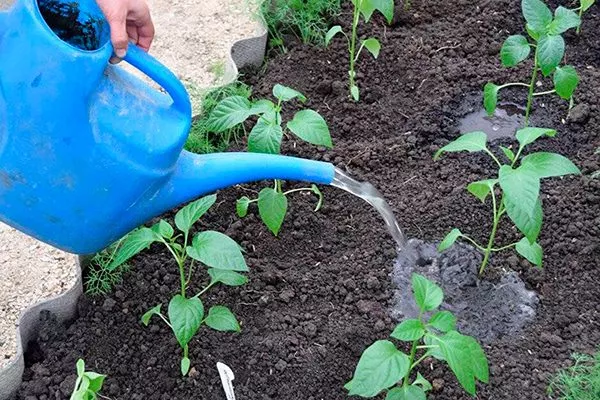
Water once every 10 days, but during dry summers, pay attention to the soil condition and maintain its optimal moisture level.
The need for fertilizer for Babkin Tongue peppers is largely determined by soil characteristics. Fertile soil requires less fertilizer than poorer soil.
On average, feed peppers 5-6 times during the season:
- Apply the first fertilizer immediately after planting the young seedlings in a hotbed or greenhouse, when the sprouts have three full leaves. At this stage, apply fertilizers containing nitrogen and phosphorus, applying fertilizer to both sweet and hot peppers.
- The second feeding is carried out 10-12 days after the first feeding. If the plants are being transplanted, apply fertilizer to the soil only a week after this procedure.
- The third feeding involves fertilizing the plantings with a mixture of organic and mineral fertilizers. Perform this procedure one week after transplanting the young plants into the open ground.
- The fourth feeding is performed two weeks later, helping the plants adapt more quickly to the new conditions. At this stage, use fertilizers containing nitrogen and magnesium.
- The fifth feeding involves adding nitrogen and potassium to the soil before or during flowering, which has a beneficial effect on fruit set.
- The last feeding is usually carried out during the budding period, helping to increase the yield.
Excessive shoot production requires intervention. Regular pruning, including removing excess shoots, promotes optimal growth and development. To support the growing fruit, tie the peppers using stakes and twine. This will ensure proper weight distribution across the plant.
Resistance to diseases and pests
The Babkin Tongue pepper has relatively good immunity, but there is a risk of various diseases and insect attacks. The pepper is susceptible to the following diseases:
- Late blight. This fungal disease can cause plant wilting and fruit death. Use fungicides to control it and ensure good ventilation to prevent spread.
- Bacterial verticillium wilt. Characterized by yellowing and discoloration of leaves. Prevention includes crop rotation and the use of healthy seeds.
- Tobacco mosaic. A viral disease that causes leaf discoloration. Use healthy plants and take pest control measures.
Bushes are often attacked by pests:
- Mealybug. A pest that covers leaves with a white coating, which can cause them to become distorted and reduce yield. Insecticides and regular inspection can help control this pest.
- Spider mite. These tiny insects create a fine web on plants, which can cause their leaves to dry out. Spray your plants regularly and maintain humidity to prevent their proliferation.
- AphidsThese are small pests that feed on plant sap and can transmit viral diseases. The use of detergents and natural enemies, such as predatory insects, can be effective in controlling them.
The Babkin Tongue pepper is not only a delight for gourmets but also a reliable partner for gardeners seeking a bountiful harvest. The captivating shape of the fruit, high yield, and relative disease resistance make this variety attractive for a variety of growing conditions.