
Growing peppers is an exciting and rewarding endeavor, especially when a reliable variety like Partner takes center stage. This resilient plant boasts not only excellent flavor but also high resistance to various diseases and pests. Proper care will ensure a bountiful harvest.
Who developed the variety and when?
The cultivar's originator is V. I. Blokin-Mechtalin, a renowned figure in plant breeding. In 2019, the Partner variety was approved and cleared for use. The hybrid is a strong and highly productive plant, boasting delicious fruits and an attractive presentation.
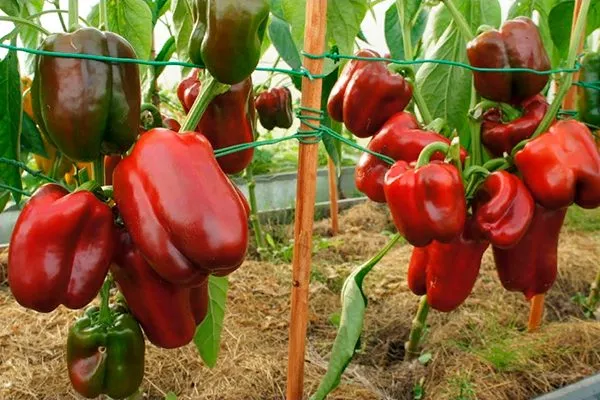
Characteristics of the variety
| Parameters | Characteristic |
| Variety | Partner f1 |
| Description of fruits | Thick-walled, large, universal purpose, with aromatic, sweet and juicy pulp |
| Fruit weight | On average 250 g |
| Color | Rich red |
| Form | Cuboid |
| Fruit size | Large |
| Wall thickness | About 1 cm |
| The taste of the fruit | Pronounced, pleasant |
| Productivity | Up to 15 pieces per bush when grown in 2-3 stems |
| Ripening speed | A mid-season variety, the fruits ripen on average in 80 days after planting the seedlings in the ground |
| Bush height | Up to 140 cm |
| Pollination type | Self-pollinating |
| Nesting | 3-4 cameras |
| Type of ovary formation | Single |
| Transportability and shelf life | High/high |
| Resistance to adverse conditions | The hybrid is undemanding to soil composition, requires good lighting, and is resistant to adverse weather conditions. |
| Resistance to diseases and pests | Resistant to blossom end rot, bronze leaf spot virus and TMV |
| Should I dive? | Yes, when sowing in a common container |
| Recommended growing regions | Central, Volga-Vyatka, Central Black Earth Region, North Caucasian, Middle Volga, Lower Volga, Ural, West Siberian, East Siberian, Far Eastern, Northern, Northwestern |
| Year of inclusion in the State Register of the Russian Federation | 2019 |
| Originator | Agrofirm Partner |
- ✓ Resistance to blossom-end rot, bronze leaf spot virus and TMV.
- ✓ Self-pollinating, making it easy to grow indoors.
Description of the variety
The Partner pepper belongs to the mid-early ripening group. Key features of this variety:
- The bushes are distinguished by their impressive height.
- The shoots are characterized by a strong and powerful structure.
- The leaves are medium-sized, slightly wrinkled, and have a dark green tint.
Under optimal growing conditions, the bushes reach a maximum height of 120-140 cm. These traits make the Partner pepper an attractive option for gardeners seeking a bountiful harvest from mid-early ripening plants.
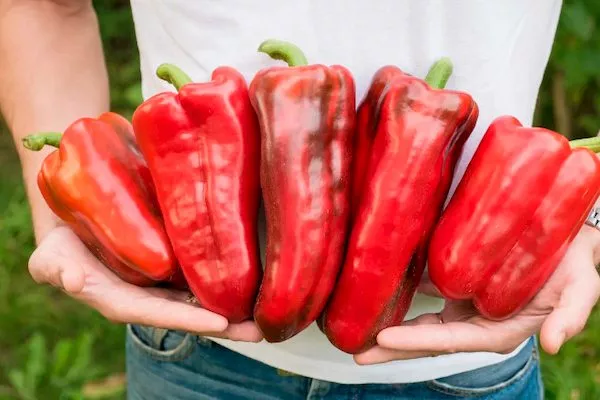
The yield of this variety depends on the growing location. When planted in a greenhouse, the yield increases by 1.5 times. Tasters rate the pepper's flavor as excellent.
The fruit pulp is richly juicy, sweet, and has a distinctive peppery flavor, accompanied by a distinct aroma. The fruit's flavor depends directly on proper cultivation practices.
Pros and cons of the variety
Before planting peppers in your garden, it's important to understand their positive and negative qualities. This will help you avoid problems. The Partner variety has many advantages:
- Adaptation to different regions. Thrives well in any climate.
- Versatility of cultivation. It is successfully grown both in greenhouses and in open ground.
- High yield. If the necessary agricultural practices are observed, the variety demonstrates high productivity.
- Disease resistance. Provides reliable protection against major diseases.
- Transportability. Tolerates transportation well, maintaining the integrity of the fruit.
- Long shelf life. Provides the possibility of long-term storage of the harvest.
- Exquisite taste. The fruits have a rich and pleasant taste.
The disadvantage of this variety is slow growth after planting: A slowdown in growth is observed after planting in a permanent location, but this can be compensated for by using growth stimulants.
Tips for growing the Partner pepper variety
The Partner variety requires care comparable to other sweet pepper varieties. It requires regular watering, fertilizing, loosening the soil, removing weeds, and protecting it from pests. Experienced gardeners recommend starting the cultivation of this variety by sowing seeds and growing seedlings.
When to sow Partner pepper seedlings?
In temperate regions, early February is the ideal time to sow pepper seedlings. In the Moscow region, this process shifts to the second half of February, given the colder conditions. In northern regions, sow in early March.
Since pepper seedlings require warmth, sow them in open ground only after the threat of frost has completely passed.
How many days does it take for Partner pepper seeds to germinate?
To stimulate rapid pepper germination, maintain a room temperature above 25°C. Warmer conditions promote accelerated seed germination. At temperatures above 28°C, seedlings can appear in as little as a week. At 25-27°C, the process extends to 14-15 days, and at 22°C, up to 3 weeks.
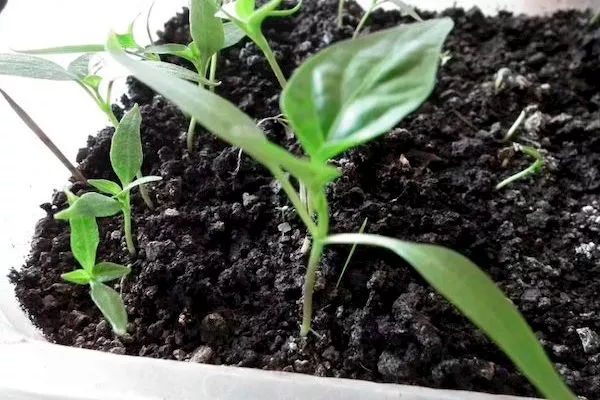
After the sprouts emerge, reduce the temperature to 16-18°C for 5-6 days to prevent the seedlings from stretching. Then move the container back to a warm, bright location, avoiding cold windows. Provide artificial lighting for adequate light.
Insufficient light slows fruit formation. Water sparingly to prevent the soil from drying out. Once the leaves appear, begin applying micro-doses of fertilizer. Pricking out peppers after 3-4 true leaves appear, proceeding carefully to avoid damaging the root system.
When and at what distance should I plant Partner peppers in the ground?
The timing of transplanting peppers into open ground depends on weather conditions. Since peppers don't tolerate temperatures below 10°C, plant them outdoors when the weather warms up. In a greenhouse, it's more convenient to provide additional heat for the plants. The soil should warm up to 15-16°C by the time of planting.
- ✓ Optimum soil temperature for planting seedlings: +15-16°C.
- ✓ Distance between plants when planting: 40-45 cm, row spacing 50-60 cm.
Ripening period
The first ripe fruits are harvested no earlier than 75 days after transplanting the seedlings to their permanent location. If the plants experienced stress during transplantation or lacked warmth and sun, fruiting may be delayed.
To obtain large fruits, leave no more than 4-5 ovaries on side shoots, pinching out the rest. This allows the plants to focus their energy on developing large, high-quality fruits, improving yield.
Soil for sowing
Begin preparing the soil for spring planting of peppers outdoors in the fall. At this stage, add chalk and dolomite flour. Before transplanting the seedlings, dig the beds, remove weeds, and enrich the soil with mineral mixtures.
Helpful tips:
- If the planting date is two weeks in advance, add 2-3 kg of humus or compost per square meter and 10 g of nitroammophoska as a complex mineral fertilizer. When preparing the soil a week before planting, dissolve the nitroammophoska in water and apply it in liquid form.
- To prevent various plant diseases, including late blight, rot, and scab, treat the beds with a copper sulfate solution (20 g per 10 liters of water). If soil disinfection is necessary, use manganese (1 g per 10 liters of water, temperature +85°C…+90°C) or Fitosporin with Trichoderma and Bacillus subtilis.
- To warm up cold soil before planting, water the soil with hot water (+90°C) and cover it with plastic wrap. This will raise the soil temperature by 2-3 degrees. A day before planting, water the holes to moisten the soil, and add ammonium nitrate to the holes before planting.
Sowing seeds
Sow seeds for seedlings in February or March in cooler regions, and in January or February in warmer regions. To prepare the soil, use a ready-made soil mix from the store or prepare a potting mix using equal parts of non-acidic high-moor peat, humus, and river sand.
Some recommendations for sowing:
- Pre-treat hot pepper seeds by soaking them in a weak solution of potassium permanganate for half an hour.
- Wrap the seeds in a damp cloth and leave at a temperature of +25°C until sprouts appear.
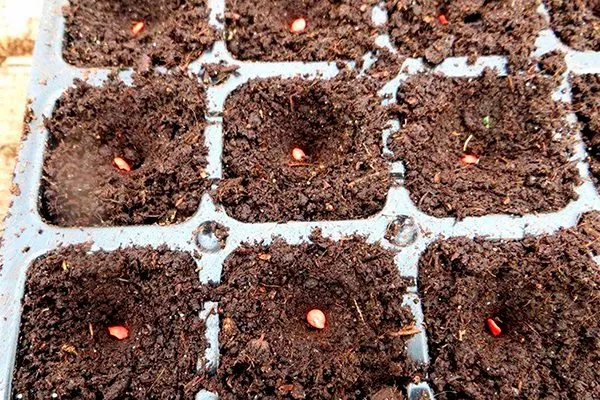
- After this, carefully place the seeds in moist soil to a depth of 5-10 mm, with an interval of at least 5 cm between them, avoiding damage to the sprouts.
Sow in boxes or peat pots, then cover them with film or glass and keep them in a warm place until the seedlings appear.
Lighting
The Partner sweet pepper variety prefers plenty of light. The optimal light period for its development is 14 hours. Young plants, especially during the ripening period, prefer long days.
As the peppers age, gradually reduce daylight hours to 12 hours. This will slow down the overall plant growth rate in favor of faster flower bud and fruit formation.
Hardening
Pepper seedlings should be hardened and well-established before transplanting. These plants have better adaptability and will establish themselves more quickly in new conditions. Before planting the seedlings outdoors, acclimate them to the surrounding conditions (cool air, wind, and sunlight).
Gradually move the seedlings to the balcony, greenhouse, or terrace, increasing the amount of time they spend outdoors. Two to three days before, transfer the potted plants to a garden, such as a greenhouse or hotbed, as an intermediate step before finally planting them outdoors.
A week before planting, spray the seedlings with a fungicide solution to prevent disease. Stop watering 2-3 days before planting, before transporting the seedlings to the garden. Water the seedlings only on the day of planting to ensure the roots receive sufficient moisture and the plants regain their elasticity.
The predecessors are good
It's important to choose the right site for pepper seedlings to thrive. Good predecessors for sweet peppers include:
- Tomatoes. Both crops belong to the nightshade family, and planting them in the same area provides similar soil and nutrient requirements.
- Brassicas (cabbage, broccoli, cauliflower). Intercropping with cabbage plants can help control common pests and diseases.
The predecessors are bad
There are also poor predecessors for sweet peppers. Among them are:
- Eggplants. Both crops are susceptible to similar pests and diseases, which can exacerbate soil disease problems.
- Potato. Crops encounter common pests such as bugs and beetles, which can increase insect problems on the property.
Avoid planting hot peppers next to sweet peppers. Planting sweet and hot peppers close together can lead to cross-pollination and altered flavor.
Planting diagram
To plant peppers, create holes 40-45 cm apart, keeping the row spacing between 50-60 cm. It is also possible to plant using the nesting method:
- According to the 60x60 scheme, where two seedlings are placed in one hole at once.
- According to the 70x70 scheme, where each hole has space for three bushes.
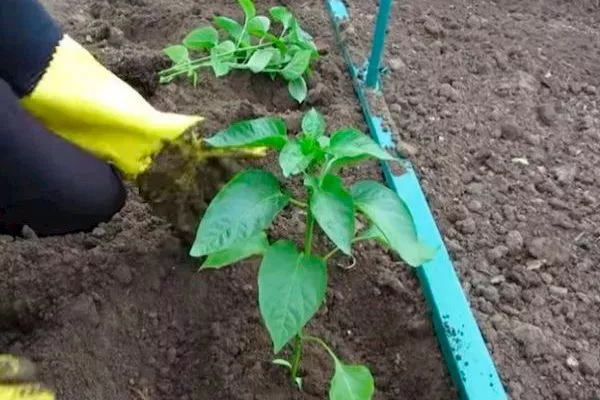
Maintain a distance of at least 3 m between areas with bell peppers and hot peppers.
Watering
Peppers thrive on moderate watering with warm water. To make care easier, mulch the soil. This will reduce the frequency of watering and eliminate the need for tilling and weeding. A drip irrigation system may be the optimal solution.
What and when to feed?
To ensure a bountiful pepper harvest, regular fertilization is required. Three fertilization cycles are recommended. Let's take a closer look:
- At the beginning of growth, a fermented infusion of slurry or bird droppings is suitable. Prepare a nutrient cocktail consisting of 15 g of ammonium nitrate, 15 g of superphosphate, and 20 g of potassium sulfate.
- Apply the second fertilizer at the beginning of flowering, using a mixture of potassium salt and superphosphate (10 g of each per 10 liters of water). You can also use specialized fertilizers for peppers.
- After harvesting the first fruits, carry out a third feeding, repeating the composition of the second or using an ash solution (200 g per 10 l of water).
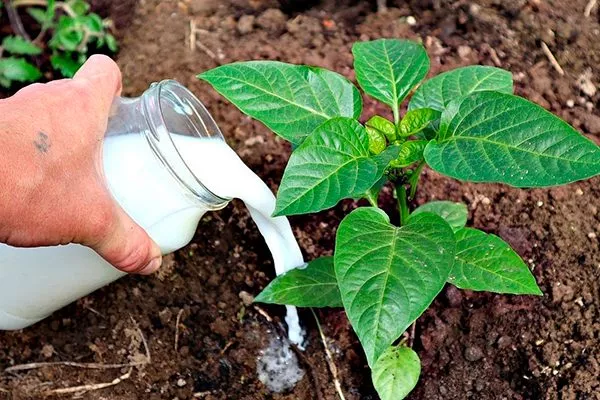
If the pepper shows signs of unsatisfactory condition, carry out an unscheduled top dressing.
Is it necessary to shape the Partner pepper bush?
For optimal development of this pepper variety, specific bush training is required, including timely removal of side shoots. This process helps remove excess vegetative mass, which can compete for nutrients.
Failure to remove side shoots can result in small fruits. After cutting off the lower fruits, remove the leaves at the appropriate level. Even with thick stems, tie up the peppers to prevent the shoots from breaking under the weight of the fruit, especially on tall shoots.
Diseases and pests
The Partner variety is highly resistant to tobacco mosaic virus, blossom-end rot, and bronze leaf spot virus. Like any plant, it is susceptible to certain diseases. Helpful tips:
- This variety is susceptible to blackleg caused by overwatering. This disease can be prevented by allowing the soil to dry out and plowing it.
- Peppers can be susceptible to late blight, which causes hard spots on the fruit that extend from the skin to the flesh, causing the plants to dry out. To combat late blight, use the following products: Barrier, Zaslon, and Oxyhom.
- Pepper pests can include aphids, slugs, and spider mites. Aphids, the most dangerous enemy of peppers, feed on the sap of the plant and reproduce quickly. For effective control, use insecticides. For minor infestations, try a soap solution.
- Traps set for slugs include kvass, fermented juice, and honey. Collect slugs by hand. Spider mites respond to insecticides, and the number of treatments depends on the stage of the infestation and the extent of the infestation. For prevention, use a weak fungicide solution during the plant growth stage.
- Organizing conditions to reduce the risk of infection and pest attacks is important. This includes maintaining temperature and humidity, ventilating the greenhouse, and disinfecting the soil before planting, for example, with Fitosporin.
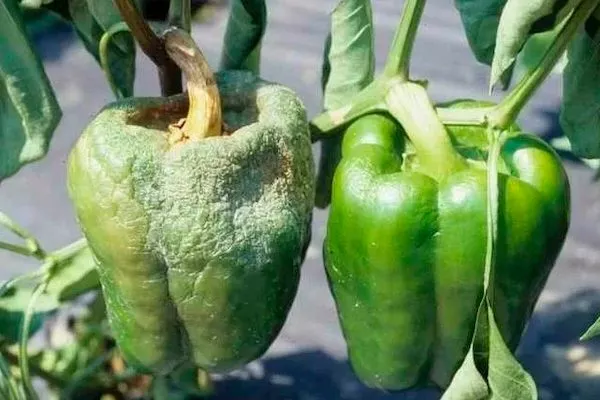
Harvesting and storage
Harvesting requires timely completion. As soon as large, ripe fruits appear on the bushes, carefully pick them, allowing new flowers to develop. For long-term storage, choose mid-season, firm, and undamaged fruits.
Growing the Partner pepper isn't just a process that enriches our table with delicious and healthy fruits, it's also an exciting adventure in the world of agriculture. The reliability and resilience of this variety make it an excellent choice for experienced gardeners and novice farmers alike. Successful cultivation requires attention to detail.