
The Paprika pepper is a distinct variety from which the popular spice paprika is made. Its flavor depends directly on the pepper variety grown, so it can range from exceptionally sweet to very hot. Some varieties are used to produce smoked paprika.
What is paprika?
Paprika is a spice with piquant red notes. The powdered seasoning is used in many culinary dishes. But the term "paprika" also has another meaning—the type of plant (pepper) from which the spice is made.
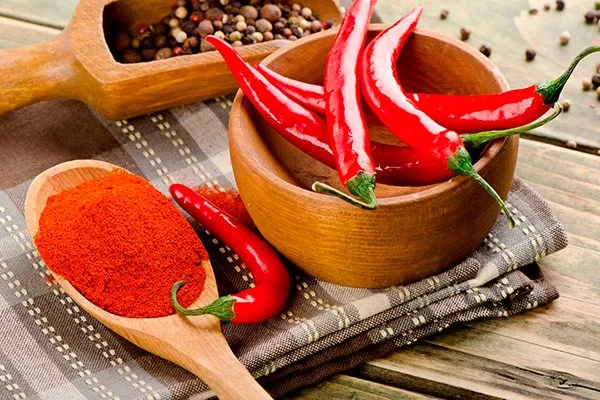
Subtleties of seasoning production technology:
- Only a special variety of pepper is used, which is grown in warm regions;
- the fruits should be as ripe as possible, with a bright red or orange color;
- Before producing the powder, the pepper fruits are thoroughly dried and then ground using specialized equipment.
Capsicum is a healthy vegetable, and the paprika variety is distinguished by the fact that it retains all its nutritional properties after heat drying. Therefore, this seasoning offers numerous health benefits:
- has an antioxidant effect, delaying cell aging;
- reduces the risk of cancer and cardiovascular diseases;
- strengthens the immune system;
- relieves pain a little;
- reduces the feeling of hunger;
- accelerates metabolism;
- promotes weight loss, etc.
The spice can only cause harm in case of overdose or individual intolerance, especially if the following problems are present:
- pancreatitis;
- gastritis;
- ulcer;
- intestinal disorders;
- epilepsy;
- kidney disease.
Where did Paprika pepper come from?
South America is considered the birthplace of the Paprika pepper variety. It was from there that seeds began to be transported to Portugal and Spain, and from there to other European countries. These peppers reached their peak popularity in the mid-16th century, leading to their spread to Russia. It was here that Paprika became known as Turkish pepper.
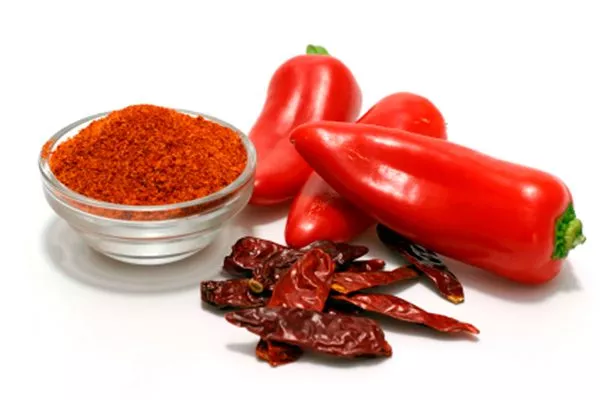
The variety was so popular with consumers and farmers that other varieties were developed from it, and today there are many of them. The spice first appeared in the 19th century, but the powder was used earlier as a remedy, especially during cholera epidemics.
Types of pepper and paprika
Many people mistakenly believe that parika (a spice) should taste exclusively sweet, but this is not the case. The flavor depends on the specific variety from which the spice is produced, so it can even be spicy.
At the global level, five types are distinguished:
- Hungarian - characterized by a unique smell, divided into many subspecies according to the degree of sweetness/hotness;
- Chilean or Slovak - has a light aroma and a slightly hot taste;
- Spanish - always has sweetness;
- Bulgarian/Moroccan – aroma and taste are very pronounced.
In cooking, paprika is divided into types, depending on the type of capsicum used:
- Sweet. The most popular. It's often called Hungarian. It's made from the sweetest varieties of paprika. Besides the sweetness, it also has notes of bell pepper and a slight tartness. It goes well with all dishes. Due to the high sugar content, it darkens in color when fried. It has a fine texture.
- Acute. Used for meat dishes, it has a flavor reminiscent of cayenne pepper. It has a coarser grind. It is divided into subtypes depending on the degree of pungency:
- mildly hot – suitable for pickles and all types of dishes;
- medium pungency – used for meat and marinades;
- burning - always has a yellowish tint.
- Smoked. Another name for it is Spanish. It has a smoky flavor and pairs well with grilled meats and vegetables.
- Tender. It is distinguished by its medium grind and mild flavor.
- Semi-sweet. Characterized by light red shades.
Description of the plant
Peppers of any variety are annual or perennial herbaceous plants, characterized by branched stems and bare shoots. The lower part of the stem is woody.
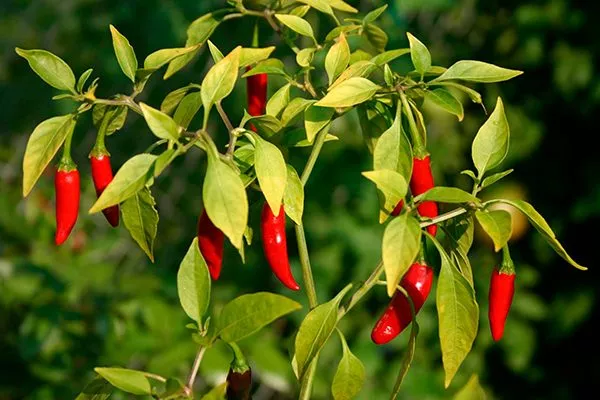
The main difference from regular bell peppers is that they are used only for drying, not fresh consumption. Other general characteristics:
- average length of shoots – 100-150 cm;
- the root is well developed, goes deep to 90-100 cm;
- leaves - with a smooth surface, solitary arrangement, slightly pointed tip, standard green shade;
- flowers - slightly purple or white, single;
- The fruits come in different shades, but are always fleshy and not very watery, and can be round, conical, or elongated in shape.
Taste: sweet, medium hot or spicy.
Varieties of paprika for making
Paprika is made from many specialty varieties, but only a few are considered the most popular. These can be either individual varieties or hybrids.
| Name | Ripening period (days) | Bush height (cm) | Fruit weight (g) | Wall thickness (mm) |
|---|---|---|---|---|
| Bouquet of the East | 110 | 100 | 100-120 | 3-4 |
| Vortex | 100 | 50 | 50 | 4 |
| Pomegranate | 110-115 | 45 | 30 | 3.5 |
| Cascade | 110 | 100 | 120 | 5 |
| Miracle paprika | 110 | 100 | 70-100 | 2-3 |
| Golden lightning | 110 | 100-120 | 110 | 5 |
| Mother-in-law's tongue | 115 | 70 | 45 | 2.5 |
| Paprika from Aelita | 110 | 100 | 30-50 | 2-3 |
| Szentesi Cherry Pepper | 115 | 100 | 20-30 | 4 |
| Hirös F1 | 100 | 100 | 50 | 2.5 |
| Pimenton | 130 | 100 | 200 | 5-6 |
| Vizier | 130 | 100 | 30 | 3 |
| Dagger | 105 | 50 | 35 | 3 |
| The Little Prince | 120 | 100 | 10 | 3 |
| Fire volcano | 110 | 100 | 20 | 3 |
| Sharp tongue | 110 | 115 | 18 | 3 |
| Dragon Flame | 90 | 60 | 120 | 5 |
| Dragon's tongue | 120 | 100 | 10 | 3 |
| Big Daddy | 120 | 65-75 | 100-150 | 6-7 |
| A gift from Moldova | 135 | 120-150 | 70-90 | 5-6 |
| Lumina | 130 | 70-80 | 90-110 | 6-7 |
| Korenovsky | 110 | 65 | 200 | 5-6 |
| Bell | 150 | 200 | 60-100 | 5-6 |
Bouquet of the East
This is a fiery, mid-season hybrid that's grown in beds or greenhouses and ripens in 110 days. The peppers grow to a height of no more than 100 cm, and their shape is narrow and conical.
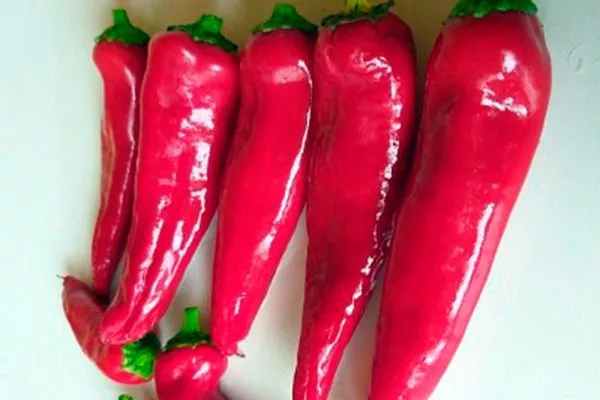
The fruits have a glossy surface and are red when fully ripe. The walls are 3-4 mm thick, and each pepper weighs 100-120 g.
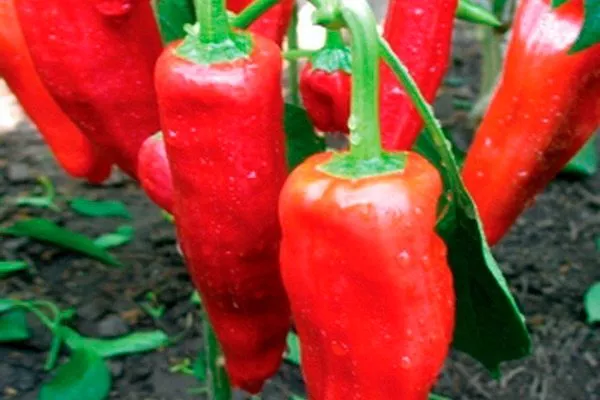
Vortex
This hot, mid-early pepper is ready to harvest after 100 days. It adapts easily to various climates and grows to a maximum height of 50 cm. The peppers have a ruby hue, a 4 mm thick wall, and weigh approximately 50 g.
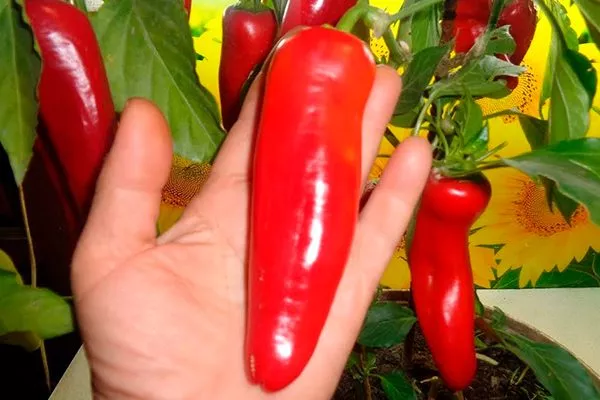
Pomegranate
A sweet mid-season variety, ripening in 110-115 days. Stems are 45 cm long, the fruit is elongated and pointed, and the walls are 3.5 mm thick. The color is dark red when ripe, and the fruit weighs 30 g maximum.
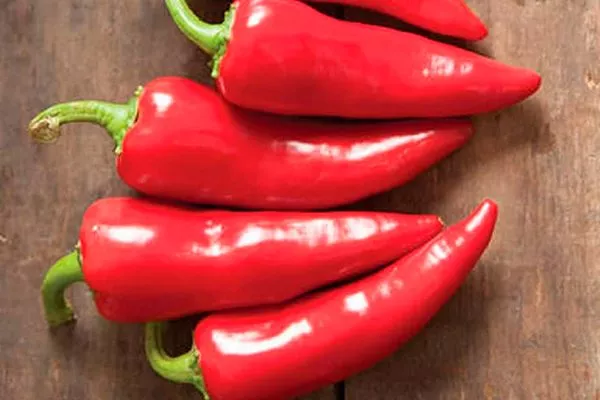
Cascade
A sweet, mid-season variety with large fruits—up to 120 g in weight, but with a wall thickness of 5 mm. The color is bright red, and the shape is slightly elongated and curved at the bottom.
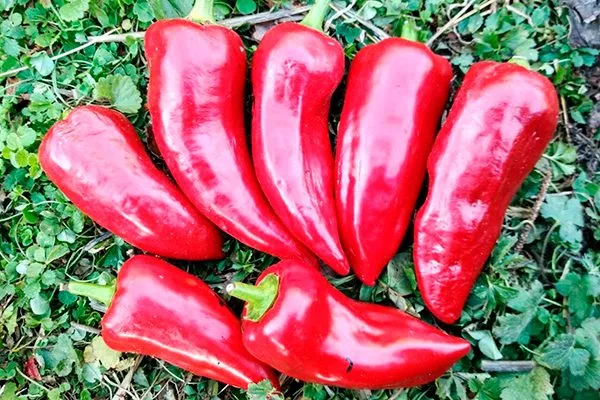
A distinctive feature is that the bush produces very high yields. Unlike other peppers, the hybrid is also used in cooking.
Miracle paprika
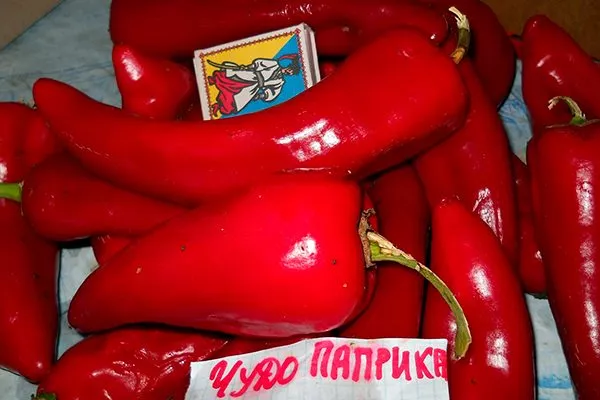
An early, medium-sized variety, the fruits weigh 70 to 100 grams and have thin walls, a bright red hue, and an elongated shape. The pepper produces a fragrant and sweet paprika. It dries quickly even under natural conditions (due to its thin walls).
Golden lightning
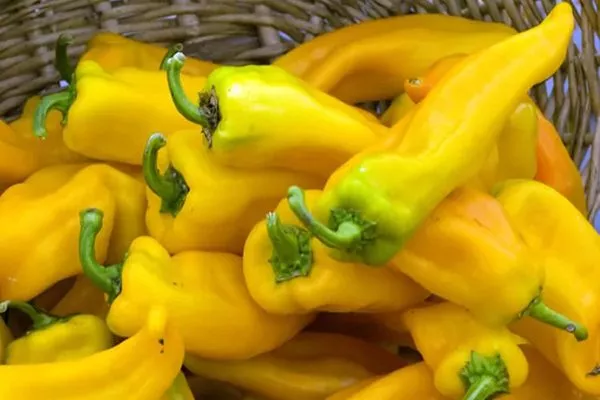
A mid-early hybrid with a bright yellow hue and sweet flavor. Each fruit weighs approximately 110 g, the bush grows 100-120 cm tall, and the walls are 5 mm thick. In addition to the sweetness, a slight piquant flavor is noticeable. Its distinctive features include increased resistance to diseases and pests, and tolerance to inclement weather, frost, and drought.
Mother-in-law's tongue
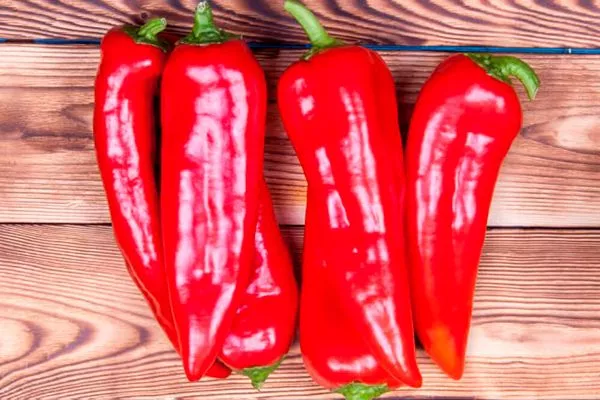
A medium-sized, mid-season plant, reaching a height of 70 cm. Harvesting begins in 115 days. The fruit is bright red with a glossy surface, elongated conical in shape, and sweet in flavor. The fruit walls are 2.5 mm thick, and the average fruit weight is 45 g. This variety is highly productive.
Paprika from Aelita
Agrocompany "Aelita" offers the Paprika variety, a proboscis-shaped pepper. Its elongated shape is identical to hot varieties, but this Paprika is sweet and aromatic.
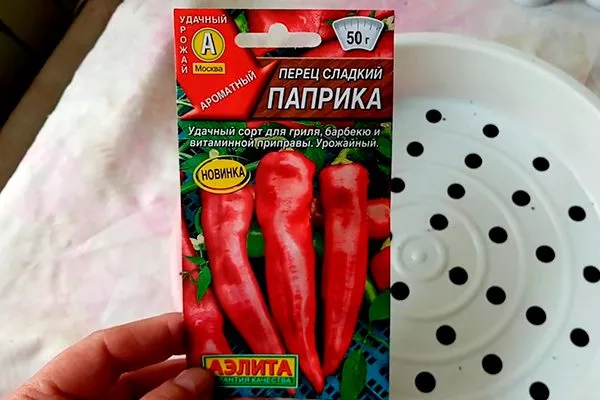
Wall thickness is 2-3 mm, color is red, weight is from 30 to 50 g. Ripening time is at least 110 days, recommended for growing under film cover.
Szentesi Cherry Pepper
Hungarian Paprika, with its unusual round fruits, ranging in diameter from 2 to 3 cm. The flavor is both sharp and sweet, the walls are 4 mm thick, and the average ripening period is 115 days.
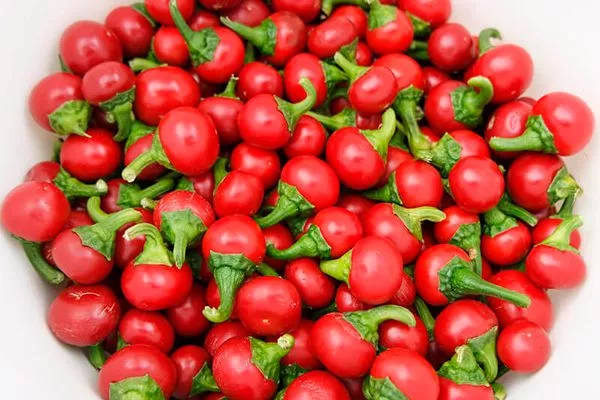
This variety is characterized by very high yields and a vibrant red color with a distinct peppery aroma. It's suitable not only for spice production but also for canning.
Hirös F1
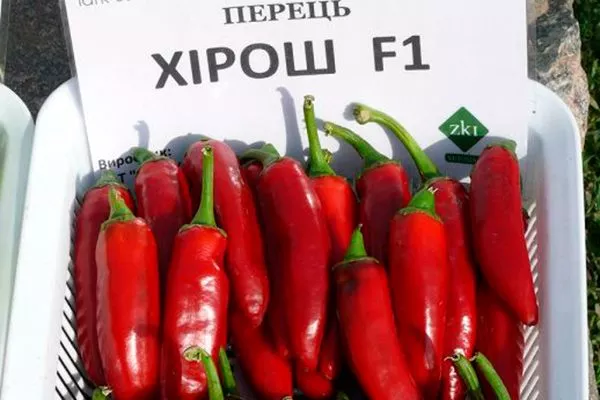
Another popular paprika variety, bred by Hungarian scientists, it features a vibrant red hue, a very elongated conical shape, and walls up to 2.5 mm thick. It is intended for outdoor cultivation only, is considered early maturing, and is quite large—each fruit weighs approximately 50 g.
Pimenton
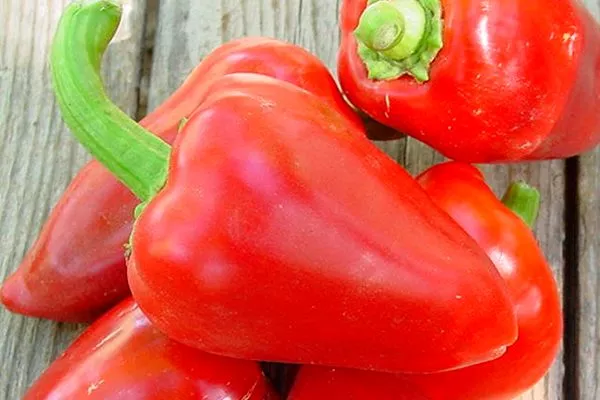
This Spanish pepper is used to make a hot smoked paprika. The fruits are large, reaching 20 cm in length, with fairly fleshy walls, but a high dry matter content. Therefore, the pepper dries quickly.
Vizier
A mildly spicy pepper with a unique shape that amazes even seasoned gardeners. It can be grown under plastic or in open ground, but ripens later—on average, 130 days.
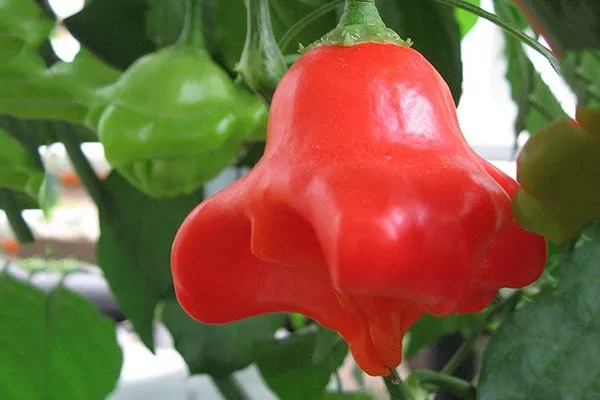
The fruits have a glossy red surface and weigh up to 30 g. The wall thickness is a maximum of 3 mm, and the bush height is 100 cm. This variety belongs to the category of "strong immunity," so it is not affected by diseases and pests.
Dagger
A hot, yellow pepper that ripens 105 days after planting. It can even be grown indoors, is versatile, and grows compactly, reaching a maximum height of 50 cm. The peppers are elongated and cone-shaped, with a very aromatic, peppery flavor, weighing approximately 35 g.
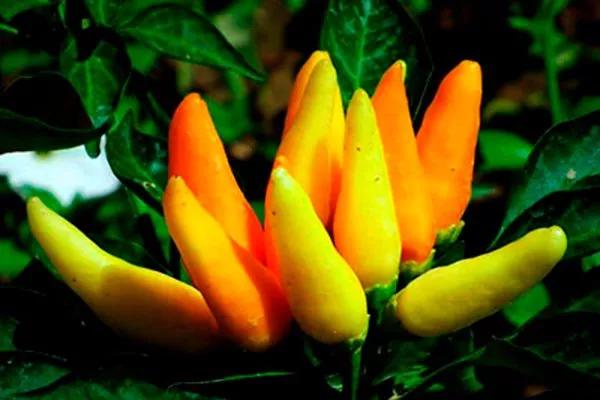
The Little Prince
This pepper is an indeterminate variety with a very spreading habit. It ripens in 120 days and produces small fruits, averaging 10 g. The pepper is oval-round in shape, red in color, has a pungent flavor, and has a fleshy texture.
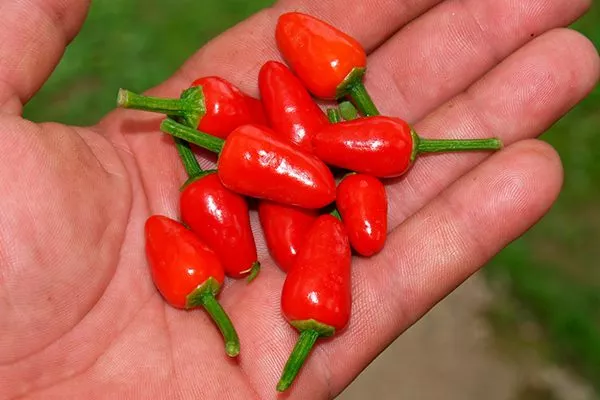
Fire volcano
A hot pepper with an elongated, conical shape, weighing about 20 g. It can also be grown on a windowsill, as the bushes are quite compact. The pods grow unusually—the tips of the peppers point upward, not downward. When ripe, the color is red, the skin is shiny, and the aroma is distinct.
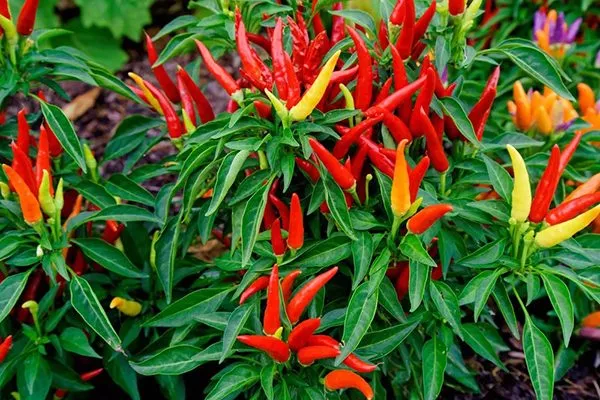
Sharp tongue
A pepper with a piquant aroma and flavor, used as a seasoning for grilling and barbecue. It ripens in 110 days, and the bush reaches 115 cm in height. The fruits are elongated, conical, red in color, weighing approximately 18 g. The walls are 3 mm thick, the peppers grow droopingly, and the number of seeds is small.
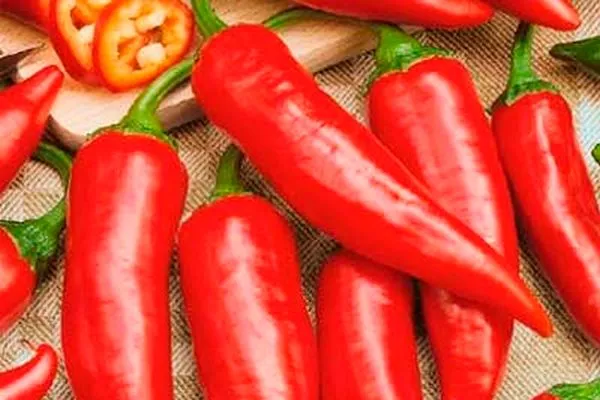
Dragon Flame
This pepper, sold by Gavrish, is an early-ripening variety, so the harvest is completed within three months. The bushes are spreading and low, reaching a maximum height of 60 cm. The fruits are red, cone-shaped, and have a pointed tip. They weigh 120 g and are approximately 20 cm long. The flesh is aromatic and spicy.
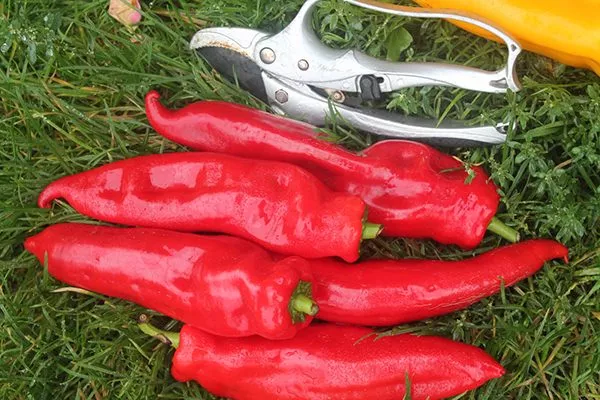
Dragon's tongue
This variety is characterized by its cold resistance and a spreading bush, reaching 100 cm in height. It ripens in 120 days, producing red fruits with a pungent flavor and a vibrant aroma. Each pepper weighs 10 g.
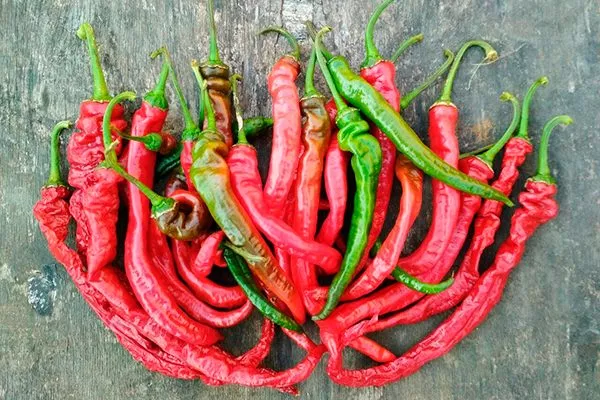
Big Daddy
The most unusual sweet pepper grown for paprika, its fruits have dark cherry, lilac, and even purple hues. The peppers ripen in 120 days and are distinguished by their size – each weighing 100-150 g. The wall thickness is 6-7 mm, and the bush height is 65-75 cm. The yield is very high – just over 7 kg per bush.
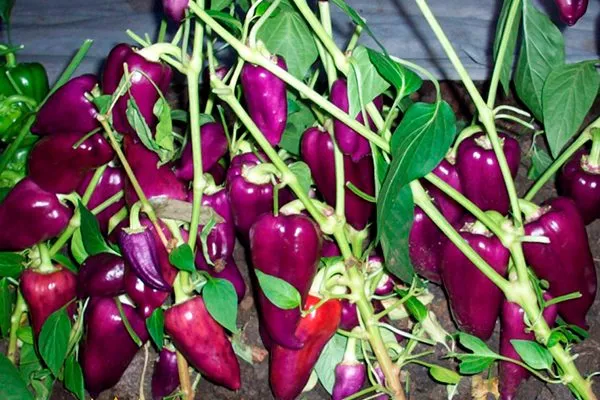
A gift from Moldova
The pepper is sweet and very fleshy, weighing between 70 and 90 grams and a standard red color. The plant grows to a height of approximately 120-150 cm, and harvesting occurs 135 days after sowing. It grows in a variety of conditions and is highly resistant to adverse weather and diseases.
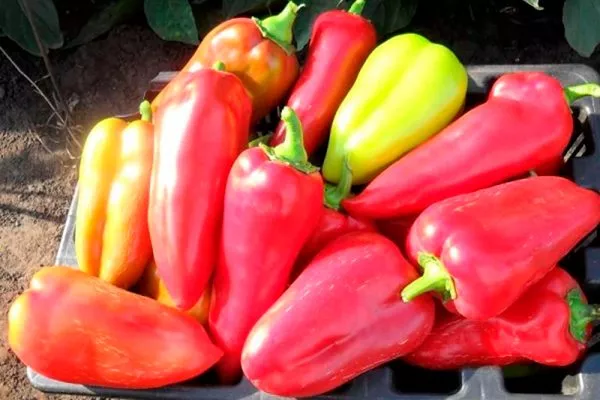
Lumina
A sweet pepper of Moldovan origin that matures in 130 days. The bush grows to 70-80 cm and is considered a standard variety. It easily tolerates both drought and frost, and is disease-resistant.
The fruits are aromatic and red, weighing 90-110 g. The wall thickness is 6-7 mm, the shape is conical, and the pulp is very juicy.
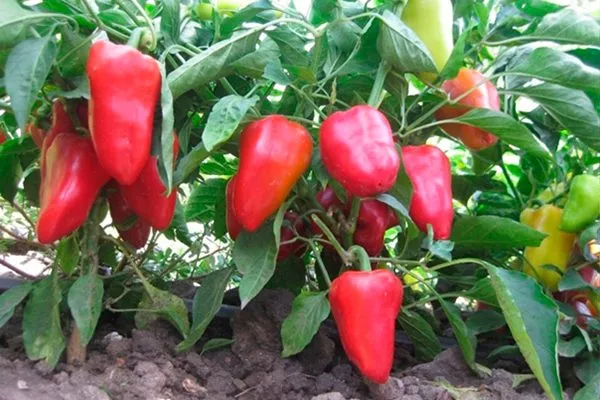
Korenovsky
A sweet paprika pepper with fairly large fruits—up to 200 g in weight. The wall thickness is 5-6 mm, the bush height is 65 cm, and the plant type is semi-spreading. The dark red fruits ripen in 110 days. The peppers have a slightly ribbed and smooth surface. It is suitable for universal use.
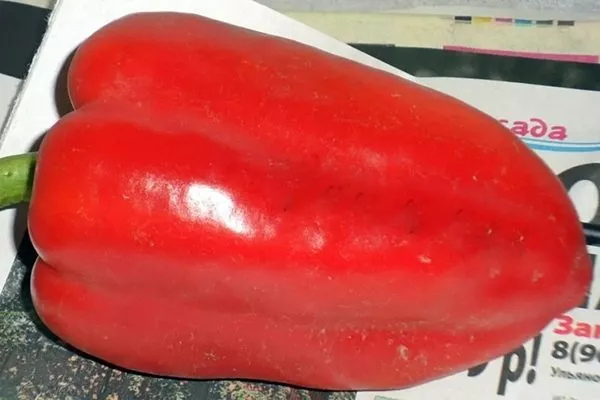
Bell
Another unusually shaped pepper, reminiscent of the Vizier variety. However, this is a tall plant, with bushes reaching almost 200 cm. Ripening is late, occurring 150 days after germination. The fruits are red and small (maximum 60-100 g). The flavor is sweet, but also slightly spicy. The aroma is very rich.
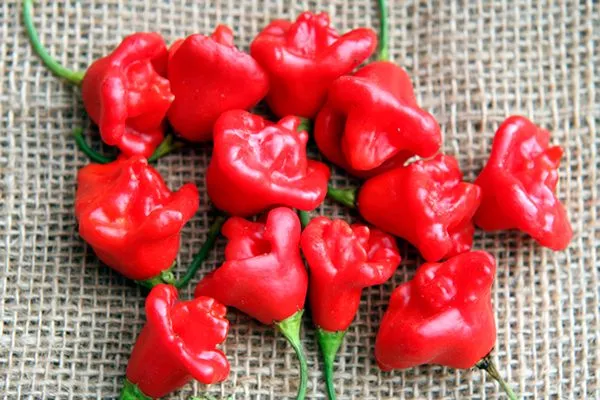
How to grow peppers for paprika?
The main rule for growing Paprika peppers is to harvest them at full technical maturity, when the pulp reaches its maximum richness and flavor (sweetness/spiciness).
- ✓ The optimal soil temperature for sowing seeds should be at least +15°C.
- ✓ To prevent fungal diseases, it is necessary to ensure good air circulation around the plants.
When planting in southern regions, seeds are sown directly into open beds; in other regions, it is better to use seedlings, and in very harsh climates, the bushes should be transplanted into a greenhouse.
Preparing soil and seeds
Unlike other varieties, paprika peppers require a special approach when preparing the substrate. Its composition is slightly different. You'll need 2 parts peat and garden soil, and 1 part humus and river sand. Next, disinfect the substrate using one of the following methods:
- roasting in the oven for half an hour at 200 degrees;
- pouring boiling water or a pink solution of potassium permanganate;
- freezing several times for 5 days in the freezer.
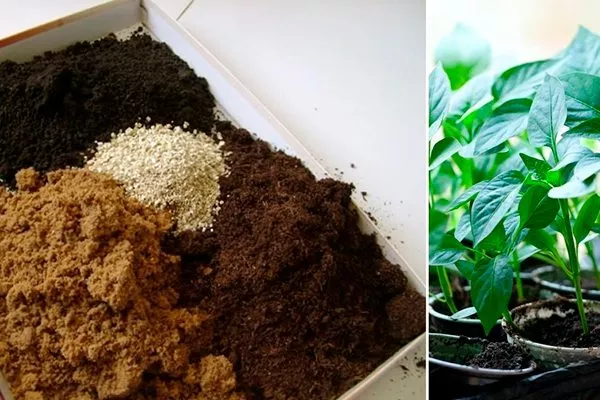
It is essential to mineralize the soil mixture, for which you can add one of the following to every 10 kg of substrate:
- nitroammophoska – 40 g, wood ash – 1 glass;
- potassium and nitrogen – 20 g each, phosphorus – 40 g, charcoal – 1 glass.
The seeds also need to be prepared, but keep in mind that if they're store-bought, no preparation is required; you can simply let them germinate. Otherwise, follow these steps:
- Carry out calibration by sorting through the beans, removing unsuitable ones and sorting them into piles according to size.
- Now harden them by placing them in the refrigerator for a week.
- Disinfect by soaking in a light pink solution of potassium permanganate or hydrogen peroxide for 15-20 minutes.
- Soak in a growth stimulator (Epin, Heteroauxin, etc.) according to the instructions for the specific preparation.
- Keep them in wet gauze for several days to allow the seeds to germinate.
Sowing for seedlings and in open ground
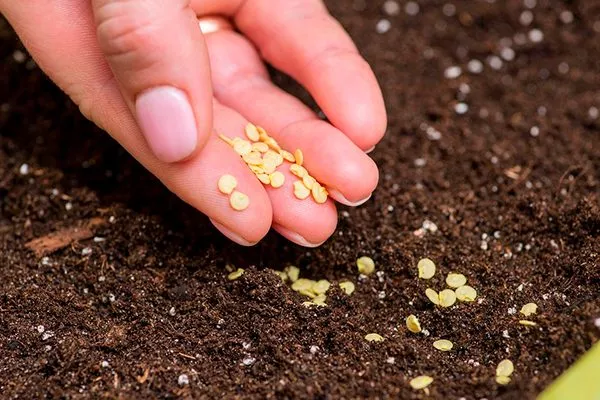
Sowing seedlings in open ground follows a standard procedure: preparing the site, digging furrows, and planting the seeds 2 cm deep. Next comes watering, mulching, and covering with plastic film.
The process for seedlings is identical, but with the difference that instead of using shared containers (as Paprika peppers don't like being transplanted), they use disposable cups or peat pots. In these, the seeds are planted only 1 cm deep, not 2 cm.
Growing seedlings and transplanting to a permanent location
When growing seedlings, you need to take into account the growing conditions:
- Before sprouting, the seeds should be kept under a transparent cover;
- seedlings need to be ventilated daily for 15-20 minutes;
- periodic moderate watering is required to prevent dry crust from appearing;
- daylight hours – 12-14 hours;
- the temperature regime until two leaves form is +25-28 degrees, after which it needs to be lowered to +16-18 degrees for a week, and then raised again to the usual levels;
- Sometimes it is necessary to loosen the soil mixture.
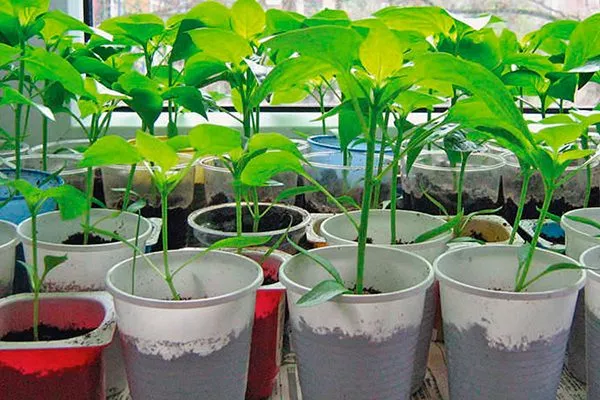
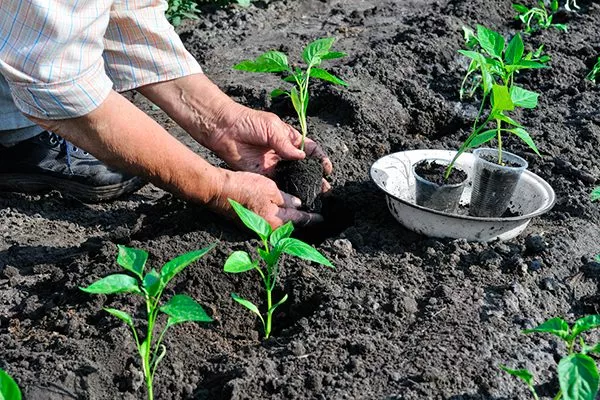
Transplant into open ground or a greenhouse when the seedlings reach a height of 20 cm. The bushes should have at least 9-10 leaves. Transplant along with the root ball into pre-prepared holes filled with nutritious soil (they should be enriched with organic matter – approximately 8-10 kg of compost, rotted manure, or humus per square meter).
Caring for paprika peppers
Care procedures are not much different from those used for other pepper varieties. However, keep in mind that if the paprika is sweet, it's important to provide the plants with sufficient sunlight, otherwise the fruits won't reach the desired sweetness.
Watering
Almost all paprika peppers don't tolerate overwatering—their root systems are susceptible to rotting, so avoid overwatering. Water should reach a maximum depth of 30 cm, and there should be no stagnation.
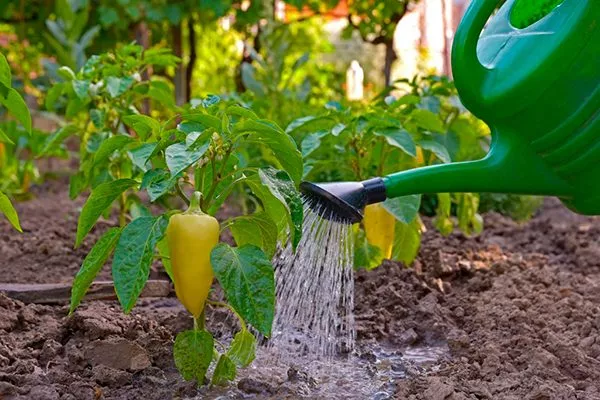
It is recommended to mulch the trunk area with sawdust, humus, etc. This will reduce the frequency of watering, as moisture will be retained.
Fertilizers and fertilizer composition
To ensure that plants develop normally and produce a lot of ovaries, they are fertilized:
- before flowering with nitrogen;
- during budding and before the period of ovary formation – with phosphorus;
- then potassium and phosphorus.
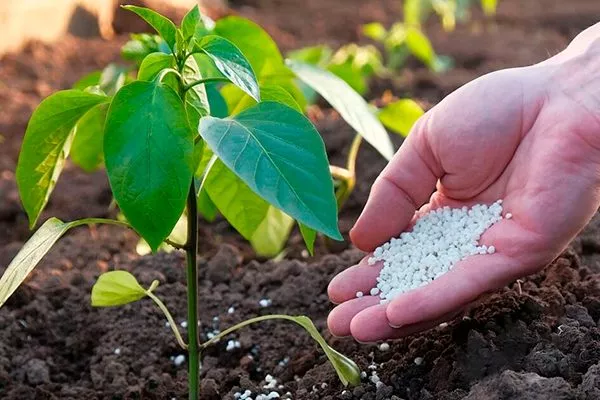
Sometimes additional feeding is required, for example, in the case of the following problems:
- if the ovaries begin to fall off, fertilize with boric acid - 1 teaspoon of the substance is enough for 10 liters of water;
- if peppers are developing slowly and poorly, use ash solutions and superphosphate;
- If the leaves turn yellow, you will need nitrogen - 1 teaspoon of urea per 10 liters of water.
In the latter case, not root feeding is carried out, but foliar feeding (spraying).
Pruning, shaping and harvesting
Regardless of the paprika variety, it's important to remove excessively long and non-fruiting stems, as well as those that are weak. Most paprika peppers don't require pruning, but experts recommend removing the first 1-2 flowers, which significantly increases yield.
Reviews of pepper varieties for paprika
Paprika peppers are divided into different subvarieties, which differ in shape, color, flavor, and spiciness. If you prefer a sweet spice, choose the appropriate hybrids, but when growing paprika crops, pay special attention to planting and care. This will ensure not only a bountiful harvest but also fruits that match the characteristics of the original varieties.