
The Palermo pepper, also known as Palermo in Latin, is a new variety that has gained widespread popularity in Russia. This hybrid has an increased sweetness and a unique flavor and aroma. Experts estimate its sweetness to be comparable to that of a watermelon, making it a popular choice among children.
Who developed the variety and when?
Palermo is a hybrid developed in the Netherlands at the beginning of this century, but it arrived in Russia a little later and was added to the state register in 2015. The originator is the agricultural company Rijk Zwaan Zaadteelt en Zaadhandel BV.
Characteristics of the variety
Palermo peppers are not grown in open beds, as they were originally intended for greenhouse conditions. Despite this, some southern Russians sow the seeds outdoors. However, this method results in a slightly reduced yield.
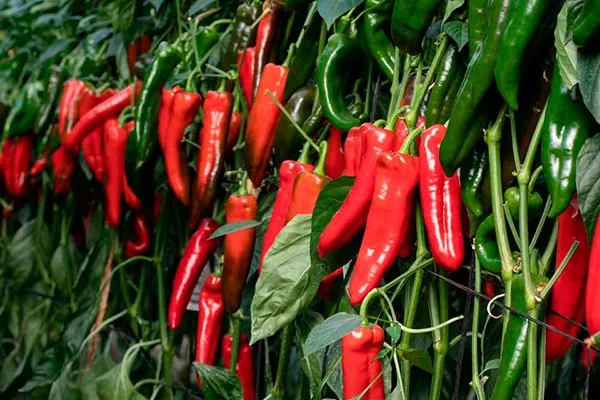
The variety is characterized by strong immunity, drought resistance, and excellent transportability and shelf life. But most importantly, it's highly productive—at least 20 kg can be harvested per square meter. Peppers can grow in both hot and cool climates, in full sun and partial shade.
Description of the variety
This pepper is completely identical to the hot pepper—its shape is narrow and elongated, but it is sweet and lacks the heat. It is also much larger in size. The plant grows vigorously.
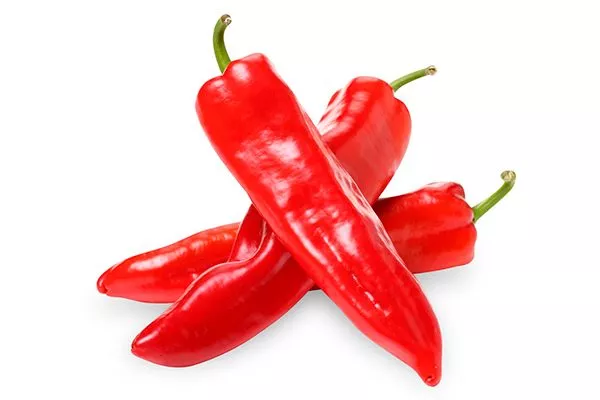
The variety can also be identified by other characteristic features:
- Bushes. Stems vary in length from 50 to 70 cm, but can be longer under very favorable conditions. Ovaries form in tiers. As soon as peppers emerge from the bottom, flowering continues on the second tier, and so on. Leaves are medium-sized and dark green. Foliage is moderate.
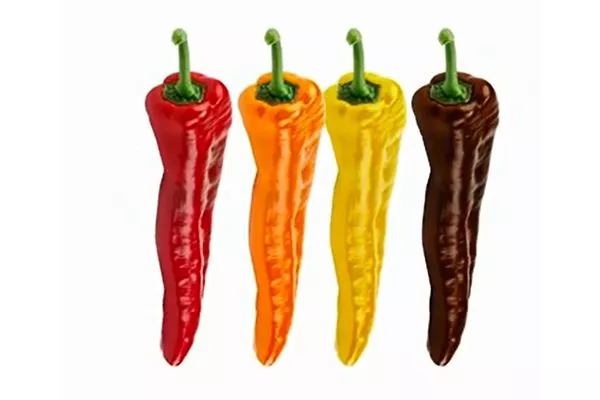
- Fruit. They are cone-shaped, weighing from 100 to 350 g, up to 30 cm long, and 0.6 cm thick. The first peppers to form are considered the longest. The fruits droop downwards. The flesh is juicy and fleshy. The peppers have three locules, but the seeds are few.
The color is initially dark green, turning bright red upon reaching technical maturity. The skin is dense, so it doesn't break during transportation. - Taste. It combines several notes - fruity, sweet and sour, and the aroma has a hint of spiciness.
Pros and cons of the variety
The Palermo hybrid, unlike other varieties, has a particularly high sweetness—9%. Other ultra-sweet hybrids have maximum sweetness levels between 6 and 7%. But some varieties also have other advantages:
There are minimal disadvantages: seeds are not used for planting, so you will have to buy them daily.
Tips for growing the Palermo pepper variety
Since Palermo is grown in a greenhouse or under a hotbed, the seeds are initially planted indoors to form seedlings. This process isn't particularly difficult, but proper care of the young seedlings is essential.
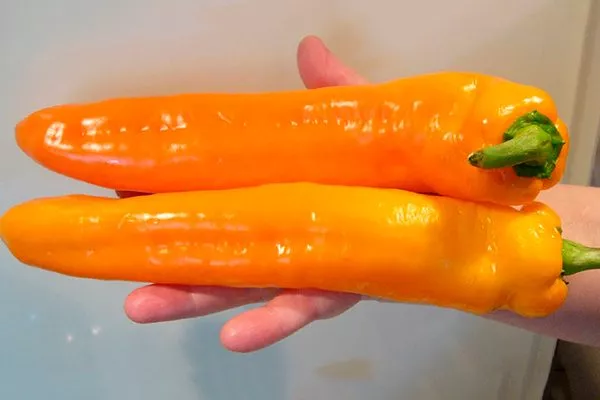
When to sow Palermo pepper seedlings?
When grown from seedlings, Palermo is transplanted into the ground or greenhouse after 50-60 days, so the exact sowing date is determined based on this. For the central and middle zones of the country, this is the last ten days of March; for harsher climates, early to mid-April.
- ✓ Optimum soil temperature for seed germination: +28-29°C.
- ✓ It is necessary to reduce the temperature to +17°C after emergence for 5 days.
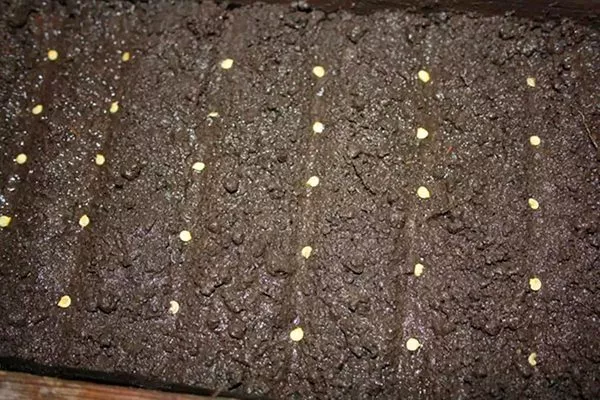
How many days does it take for Palermo pepper seeds to germinate?
Germination is affected by the conditions in which the seeds germinate and the quality of the planting material. At temperatures of 28-29°C (82-83°F), sprouts will appear within 7-9 days; at lower temperatures, it will take 15-20 days.
Planting and germinating seeds
The first thing you need to do is prepare the substrate. There are two optimal options for this:
- in equal proportions turf and leaf soil, sand and humus or rotted manure;
- in equal proportions turf soil, leaf compost, peat and river sand.
Don't forget to disinfect the components to prevent plants from getting sick. Next, follow these steps:
- Prepare the containers with holes in the bottom. You can plant the peppers in either the same containers (in which case, space the seeds 2-3 cm apart) or, more conveniently, in individual cups. Spray the containers with a potassium permanganate solution.
- Pour in the prepared substrate.
- Deepen the planting material by 2 cm.
- Level the surface of the soil mixture.
- Moisten with a spray bottle.
- Cover with plastic or glass and place in a warm place.
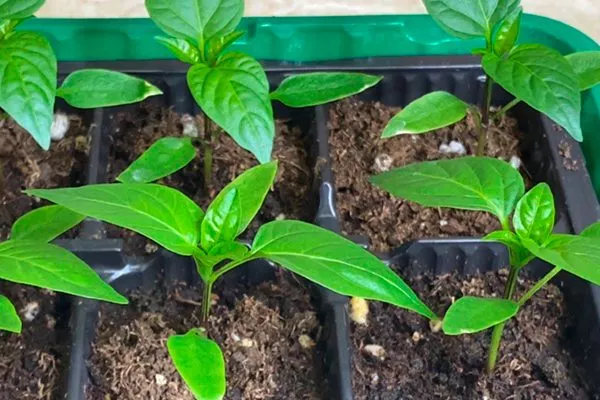
Until sprouts appear, water the seedlings periodically and allow them to air out. Otherwise, rot may develop.
Transplanting into a greenhouse
Transplanting seedlings to their permanent location is necessary when the soil temperature in the greenhouse reaches 18-20 degrees Celsius. Daytime air temperatures should be 25 degrees Celsius and nighttime temperatures around 19 degrees Celsius.
The transplant process is as follows:
- Prepare a nutrient substrate. For 1 square meter, you'll need 100 g of charcoal, 200 g of superphosphate, 25 g of ammonium nitrate, and 5 kg of humus (compost or rotted manure can be substituted). Mix thoroughly with the soil to be dug.
- Form holes to the size of the root ball with the soil.
- Water it.
- Remove the seedlings from the cups and transplant them together with the soil into the greenhouse.
When and at what distance should Palermo peppers be planted in open ground?
If you're sowing Palermo peppers in the south and directly into open beds, begin sowing when the outdoor temperature stabilizes at 18 degrees Celsius. Prepare the site as you would for a greenhouse and plant the seeds 50 cm apart within a row and 60-70 cm apart between rows.
Watering
The Palermo hybrid doesn't require excessive soil moisture, as this encourages rotting. The variety tolerates drought better than overwatering. Therefore, follow these guidelines:
- water twice a week until flowering ends;
- when the fruits are formed, it is enough to moisten once every 6 days;
- If there is increased heat, add water every two days;
- use settled liquid at a warm temperature;
- try not to get water on the leaves and stems;
- Always loosen the soil and weed out any weeds after water treatment.
What and when to feed?
Fertilizer should be applied twice a month, especially when grown in a greenhouse. Unlike open ground, nutrients don't accumulate naturally in greenhouses. Palermo peppers prefer organic fertilizers and complex minerals, so they should be alternated. What to use:
- bird droppings in a ratio of 1:20 to water;
- mullein (proportions 1:10;
- Superphosphate;
- urea;
- infusions of fresh herbs;
- ammonium nitrate;
- potassium sulfate, etc.
During the formation of ovaries, use the preparation Clean Leaf; during fruiting, carry out foliar feeding with Fosforovit and Kaliyvit.
Do Palermo peppers need to be shaped?
The Palermo variety has one important feature for gardeners: after the ovaries and fruits have formed, the vines stop growing. This completely eliminates the need for pruning, shaping, and pinching.
- ✓ Cessation of growth of shoots after formation of fruits, which eliminates the need for pruning.
- ✓ High level of fruit sweetness (9%), which is higher than most ultra-sweet hybrids.
Other important care rules
In addition to the basic steps, experts and experienced gardeners recommend paying attention to the following:
- There is no air circulation in the greenhouse, so be sure to ventilate the room;
- If the weather is hot and the climate is humid at the same time, always cut off the side shoots;
- the height of the mulching material is 9-10 cm.
Diseases and pests
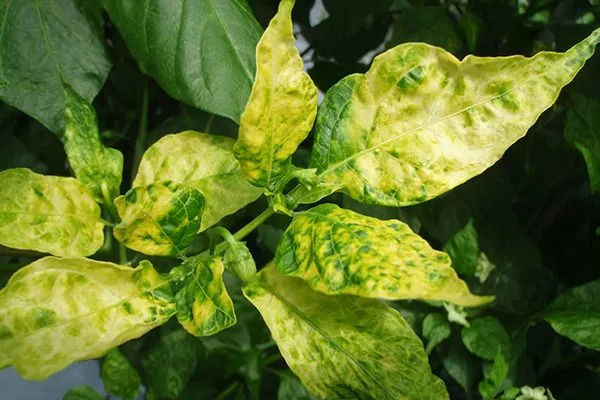
The Palermo variety is disease-resistant and insect-resistant, making it considered one of the most resilient hybrids. However, if proper agricultural practices are not followed and peppers are grown in excessively humid conditions, fungal diseases will develop. Preventative spraying with universal insecticides and fungicides is best done in the spring.
The Palermo pepper is a newcomer to Russian gardens, but thanks to its high sweetness and yield, it's increasingly becoming a favorite among gardeners and farmers. It's easy to grow and can be grown in greenhouses, making it ideal for all regions of Russia. The key is to follow the proper seeding and cultivation guidelines and purchase high-quality planting material.