
Palaničko Chudo pepper is a wonderful Serbian variety that makes excellent preserves. This sweet pepper is the main ingredient in popular appetizers, and it's the one that makes the most delicious lecho.
Description of the Palanicko Miracle variety
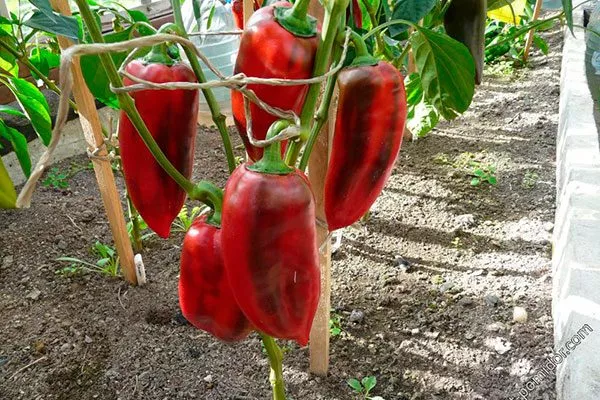
The Palanacico cudo variety was developed by Serbian breeders and belongs to the early-ripening group. The fruits ripen in 100-105 days. The variety produces large fruits, with an average fruit weight of 400 g.
Brief description:
- Bushes in open ground reach a height of 40-70 cm. In greenhouse conditions, plants can grow up to 1 m.
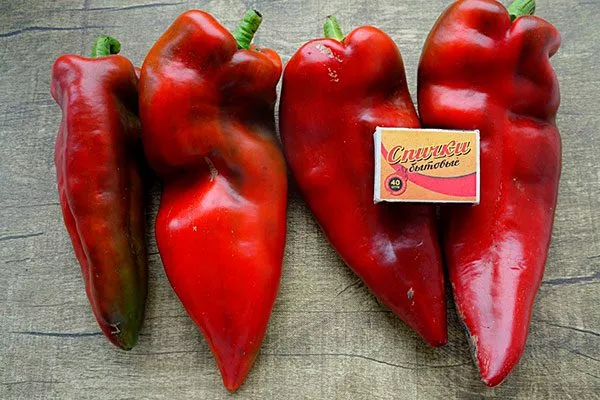
- The fruits are thick-walled, slightly flattened, conical in shape, and have a pointed tip. They are a rich red color. The peppers reach 20 cm in length, and the walls are 1 cm thick. The flesh is meaty and juicy.
At biological maturity, the fruits turn a burgundy red. Once the peppers reach technical maturity, they develop a very harmonious flavor profile. As they ripen, they become increasingly sweeter and more delicious.
Application
The Palaničko Chudo variety has an excellent flavor, making it a popular choice among preserves and dishes in which bell peppers play a prominent role. The fruits of this variety are very sweet and juicy, making them delicious eaten fresh.
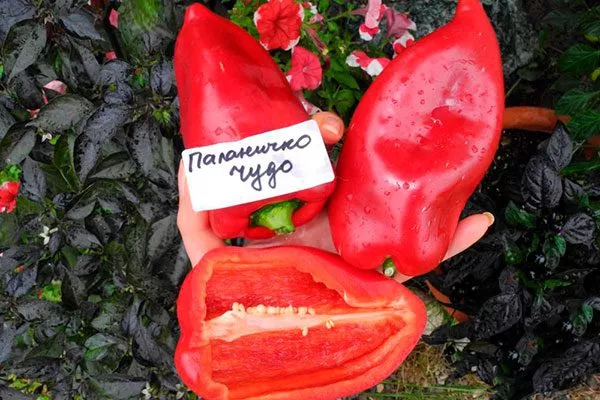
Palaničko Chudo peppers are suitable for processing and creating a wide variety of preserves. They can be canned, frozen, and used in salads and other culinary dishes.
Pros and cons
The Palanacico cudo pepper attracts gardeners not only for its excellent nutritional qualities; this variety has other advantages as well.
Before planting this pepper, it is also useful to familiarize yourself with its disadvantages. The Serbian variety has few of them, but for some gardeners they may be an obstacle to growing it.
Ripening time
Seeds sown for seedlings in March allow for the first harvest as early as August. The second wave of fruiting occurs in September. Peppers harvested in the fall are smaller than those harvested in the summer. However, their number is greater than in the first harvest.
Features of agricultural technology
This variety is quite easy to grow, requiring no special effort from gardeners or large-scale agricultural producers. However, its cultivation practices do have a number of aspects that are worth considering.
Features of planting and growing:
- Planting is done in a sunny area.
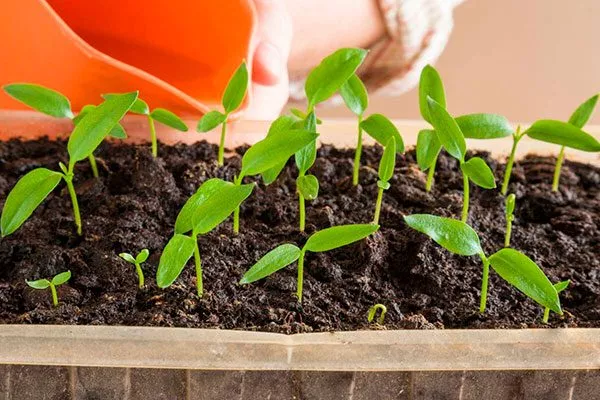
- Sowing can begin in late February. Seeds are planted 1-2 cm deep in trays or peat pots. Seedlings are grown at daytime temperatures of 26 to 28°C. Optimal nighttime temperatures range from 18 to 22°C.
- The seedlings are picked after 1 or 2 true leaves appear.
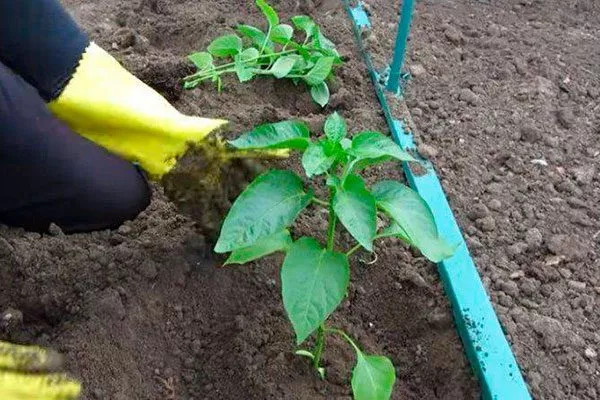
- Hardening off the seedlings begins two weeks before planting. Transplanting occurs 60-70 days after sowing.
- This variety requires moderate watering and fertilizing. The soil should be slightly moist but not allowed to dry out.
- ✓ The optimal soil acidity for the Palanicko Chudo variety should be within the pH range of 6.0-6.8.
- ✓ The distance between plants when planting should be at least 40 cm to ensure sufficient ventilation and lighting.
The Palaničko Chudo pepper fully lives up to its unusual name—it's truly miraculous. Growing it will quickly yield not only a fresh, superb-tasting pepper, but also a wonderful ingredient for lecho.