
To ensure a bountiful harvest, it's important to pay due attention to any crop. Padrón peppers require minimal care, making them ideal for those who are often away from home. They offer delicious fruits, a variety of unique characteristics, and the opportunity to experiment with culinary endeavors.
Description
The bush is compact, reaching a height of 50-55 cm. The fruits are conical in shape and 6-8 cm long, but for culinary purposes they are often harvested at a young stage, when they reach a size of 2.8 to 3.8 cm. This variety is highly productive and grows successfully in pots on a windowsill.
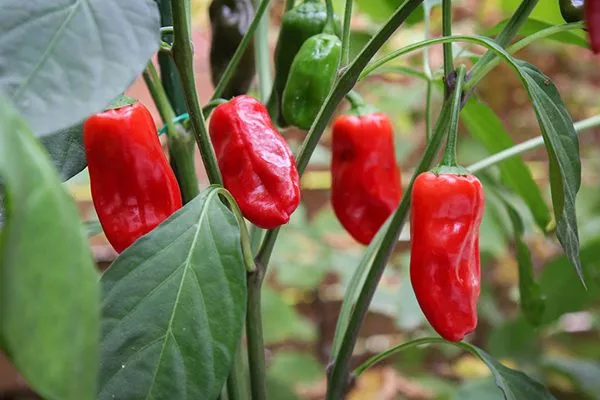
The pods range in color from deep green to a vibrant red. The peppers have a mild, sweet flavor, but a small percentage can be slightly spicy. This is due to the specific growing conditions.
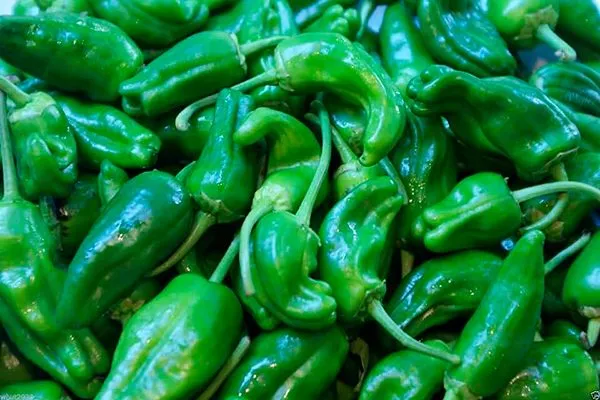
Plant Facts: History
Known as Pimento de Padrón, it is a product originating from the municipality of Padrón, located in the province of Galicia in northwestern Spain.
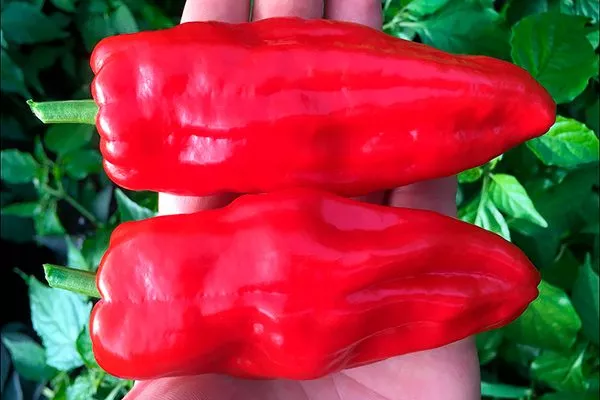
A distinctive feature of the Padron pepper in its early stages is its piquant, but not hot, flavor. As the fruit ripens, it becomes more pungent.
Characteristics
It has certain characteristics that are important when growing it. Its frost resistance is low. It prefers a warm climate, so it prefers conditions where minimum temperatures don't drop too low.
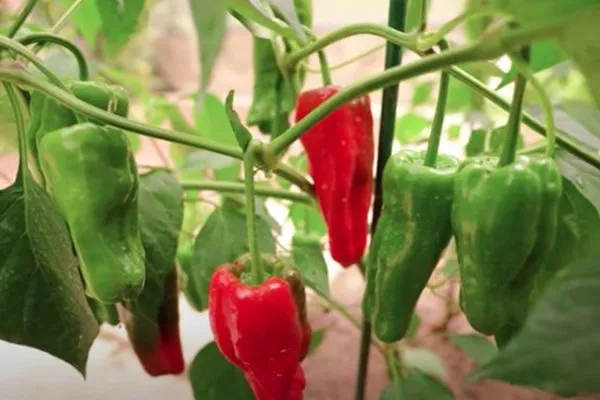
Requires regular watering. Although it can tolerate short periods of drought, maintaining moist soil is essential for a good harvest. Disease and pest resistance depend on growing conditions and environment.
Purpose and taste
The pods are used in a variety of dishes, including appetizers, sauces, and additions to main ingredients. They pair perfectly with meat, fish, and vegetables. The flavor is described as piquant and spicy.
Ripening time
It is characterized by a short ripening period, typically taking about 50 days from germination to fruiting. This quality makes it attractive to those seeking fresh fruit as quickly as possible.
Culinary preparation
Traditionally used in tapas, it's quickly fried and seasoned with salt. Padrón is popular in tapas bars and is easy to prepare at home. It's perfect as an appetizer or side dish.
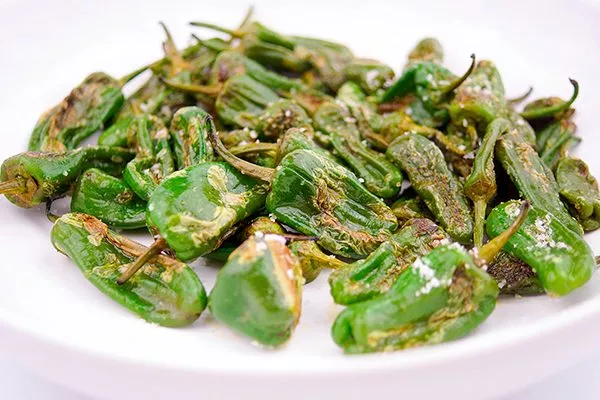
It's often served this way: cut into pieces, add cheese, and bake, grill, or fry in a hot pan, then cover and let the cheese melt. Goat cheese pairs especially well with this dish.
Pros and cons
Provides a number of significant benefits.
In addition, problems with whiteflies and weevils may arise.
Diseases and pests
Among the common diseases that can affect Padrón, blossom-end rot is one of the most prevalent. Greenhouses are susceptible to whitefly infestations, while open-air beds are susceptible to weevil attacks.
Blossom end rot
In a stuffy greenhouse or even in an open field during periods of severe drought, blossom-end rot can occur. It appears as reddish-black, wet spots, most often on the upper leaves and crowns of vegetables.
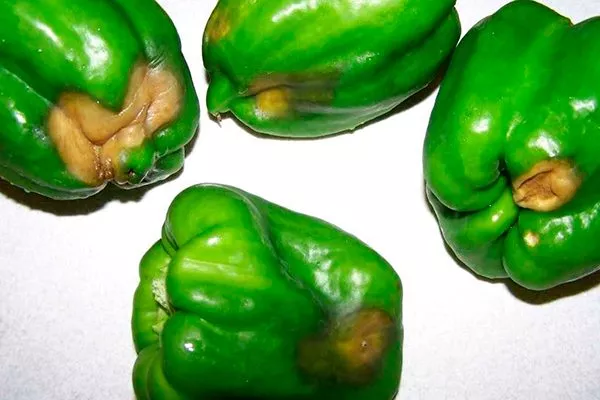
- ✓ Maintain calcium levels in the soil by using calcium nitrate at a rate of 1 tablespoon per 10 liters of water every 2 weeks.
- ✓ Ensure uniform watering, avoiding drying out or over-watering the soil, especially during the fruit formation period.
To prevent the disease from developing and save the bushes, treat them with specialized products. Agronomists recommend calcium acetate or Megafol.
Whitefly
This small butterfly with grayish-white wings prefers dense plantings and warm conditions. Infested fruits are easily identified by the cream-colored larvae on the undersides of leaves.
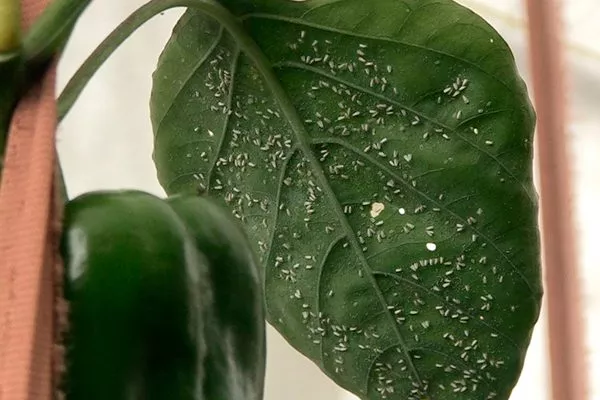
To prevent wilting, spray the plantings with specialized insecticides such as Alatar or Applaud. For prevention, apply a wormwood decoction to the crown.
Weevils
They often inhabit flowering bushes. Their presence is indicated by small punctures on the leaves, surrounded by a black border.
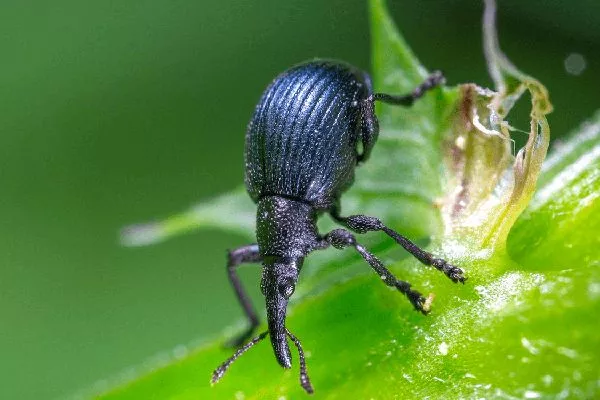
- In early spring, treat the soil around the plants with a solution of green soap (100 g per 10 l of water).
- During the flowering period, spray the plants with mustard infusion (2 tablespoons of dry mustard per 10 liters of water) every 10 days.
Effective control methods include treatment with Komandor or Fufanon. As a preventative measure, use a green soap solution.
Harvesting: technology
The best time to harvest is when the peppers reach 5.5-6 cm in size, before they develop color. Cut off the ripe peppers, stems included. Harvest daily in the morning.
Growing and care
Peppers are grown in greenhouses and outdoors, on balconies, or indoors. For successful cultivation, create specific conditions, including constant lighting (especially indoors), maintaining an optimal temperature (20-25°C), and regular watering.
Helpful tips:
- When planting seedlings, maintain a distance of about 30 cm between plants. This will ensure sufficient space for development and good ventilation.
- Focus on limited watering. The plant prefers slightly moist soil, but avoid overwatering. Weekly watering is optimal for this variety, and during dry periods, every three days.
The recommended watering volume per square meter of planting is up to 13 liters. The liquid should be at room temperature. A hose or a small watering can is convenient for watering. - Form the plant into two stems, removing the crown bud at the fork and all lower shoots that appear below this point.
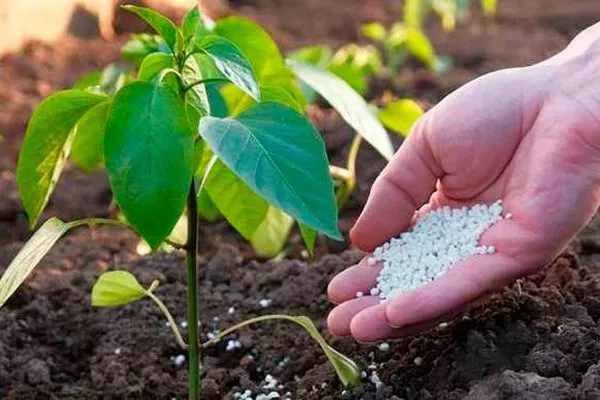
Fertilizer schedule plays an important role in caring for:
- 4-5 days after planting the seedlings, use potassium chloride with azophoska.
- At the stage of ovary formation, use boric acid with potassium sulfate.
- At the beginning of fruiting, apply superphosphate with liquefied mullein.
Reviews
Among the world's diverse vegetables, the Padron pepper is the most sought-after. This variety, with its eye-catching array of colorful pods, is popular among both novice and experienced growers. It's important to create optimal conditions for the crop to ensure good harvests in the future.