
Sweet peppers go through several stages of ripening: first, they're green, then they turn yellow, and gradually turn red. Many gardeners eagerly await the reddening of their peppers so they can make beautiful winter preserves. If the peppers take a long time to turn red, in most cases, you can speed up their ripening.
Pepper ripening stages
Peppers can be picked long before they turn red—they're delicious even when unripe. The stage of ripeness at which the peppers are picked determines not only their flavor, but also storage and harvesting techniques.
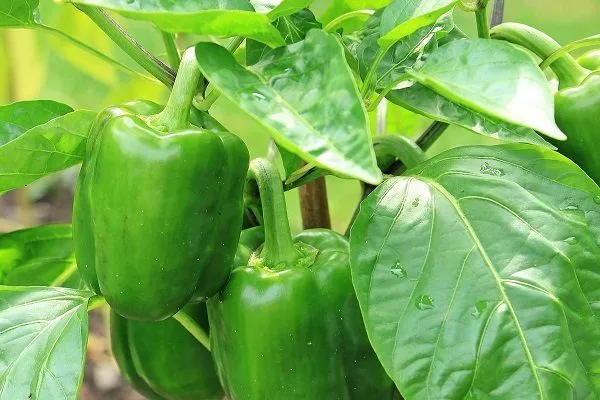
There are two levels of pepper maturity:
- Technical. This is also known as harvest maturity. It takes 40-45 days from the formation of ovaries to technical ripeness. At this stage, the fruits have not yet acquired their full varietal characteristics, but are already quite ready for both consumption and winter preservation.
- Biological. It occurs during the period of seed ripening, and the fruits acquire bright varietal characteristics.
It takes 3-4 weeks from technical to biological maturity. During this time, the fruits can be harvested and eaten, preserved, added to salads, and other dishes. But it's during this final month that the vegetable accumulates the maximum amount of nutrients, sugars, and microelements.
Biologically ripe peppers differ from technically ripe ones not only in appearance and color, but also in nutritional value. Red peppers are healthier than unripe green ones.
Why peppers don't turn red: the main reasons
Sometimes, even after growing large, peppers remain green for a long time—they don't turn red. There are several reasons why peppers don't ripen fully. The gardener's job is to determine what exactly is causing the peppers to slow down their reddening process and take appropriate action accordingly.
Features of the variety
| Name | Ripening period | Fruit color | Disease resistance |
|---|---|---|---|
| Viking | 90 days | Green | High |
| Marshmallow | 100 days | Green | Average |
| Green miracle | 110 days | Green | Low |
- ✓ Choose early-ripening varieties with a ripening period of up to 100 days to ensure fruit reddening in temperate climates.
- ✓ Pay attention to the variety’s resistance to temperature fluctuations, which is critical for open ground.
Gardeners often try to grow high-quality peppers from seeds harvested from store-bought vegetables. It's helpful to know that most of the large, beautiful peppers found in Russian supermarkets come from warmer climates or southern Russia.
Why peppers don't turn red:
- Zoning. Vegetables grown in Egypt, Turkey, or the Krasnodar region are not suited to temperate climates. Varieties grown in warm climates don't have time to ripen in most regions of Russia, or ripen several weeks later than regional varieties.
- Varietal characteristics. There are pepper varieties that don't turn yellow or red even at the biological maturity stage. As they ripen, they acquire a green color—light or dark, purple, or chocolate. To avoid confusion, read the varietal information on the packaging beforehand.
Non-reddening varieties include Viking, Zephyr, and Green Miracle peppers. If you're specifically looking for red peppers, check the variety's characteristics beforehand. - Ripening periods. Some varieties ripen several weeks later than others. Find out in advance whether the pepper is considered early, mid-season, or late. The range of ripening times is very wide—some varieties ripen in 90 days, others in 150 days.
Unfavorable conditions
Peppers "refuse" to turn red if they are exposed to unfavorable conditions—when agricultural practices are violated or the weather is bad.
Circumstances under which pepper does not turn red:
- Temperature. Peppers grow well and ripen at temperatures of 18 to 30°C. The fruit doesn't ripen in cool weather—when the thermometer drops to 12 to 13°C. This heat-loving crop simply stops growing at such temperatures. If temperatures reach 35°C, the pepper plants quickly dry out.
- Lighting. Peppers thrive when exposed to at least 12 hours of light per day. If daylight is too long—more than 14 hours—this can also impair fruit ripening.
- Watering. Problems with pepper growth, ripening, and fruiting occur if they are watered with cold, unsettled water. The method of watering also affects the development of peppers: avoid watering the leaves and stems; apply water only at the roots.
- Dense plantings. If pepper bushes are planted too densely and block each other's light, the fruits are slow to ripen and do not turn red because they lack nutrition.
Agricultural technology errors
Agricultural errors, which are often made by inexperienced gardeners, can also lead to delayed ripening.
Agricultural errors that prevent peppers from ripening:
- Incorrect planting of seeds. Sowing into the ground can only be carried out after temperature fluctuations have ceased, the soil has warmed up and stable heat has been established.
- Unsuitable soil. Peppers require light, fertile soil; heavy clay soils and overly acidic soils are unsuitable. To prevent delayed ripening, add organic matter and dolomite flour to the beds, which deacidifies the soil.
- Fertilizers were applied incorrectly. Peppers react negatively to excess nitrogen fertilizers. Instead of focusing their energy on fruit ripening, plants build up green mass. Nitrogen is applied before early summer; it is contraindicated during flowering and fruiting.
Potassium deficiency also negatively impacts fruit ripening; without it, peppers may not ripen at all. This situation is typically observed in soils rich in sand and peat. Calcium deficiency is also dangerous and can be addressed with wood ash. - Excess of ovaries. Their abundance negatively affects the yield and can cause delays in the ripening of peppers - they do not have time to reach a large size or turn red.
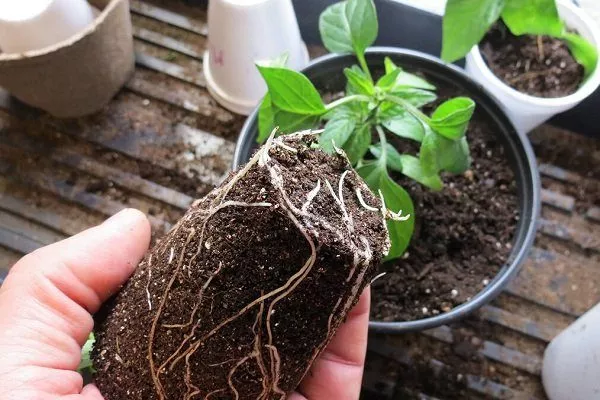
Thinning out the buds can help avoid this problem. It's recommended to remove the first inflorescence, located at the point where the stems branch. Only one, the most vigorous, bud should remain at the internode. Otherwise, the bush won't have enough energy to ripen all the fruits. - Root damage. This situation can occur when growing peppers from seedlings. If the roots are damaged during transplantation, this can have a very negative impact on the subsequent growth of the plant. Peppers with damaged roots take a very long time to recover, the plant will lag in development, and the fruits will not have time to ripen.
Careful picking and transplanting of pepper seedlings helps prevent this problem. This is done exclusively by transshipment—the seedlings are removed from the planting container and moved to a new location along with the soil ball. It's best not to disturb the roots during transplantation.
How to speed up the ripening of peppers on the bush?
The goal of any pepper gardener is to produce large, fleshy, and vibrant fruits. Once ripe, peppers become incredibly tasty, pair beautifully with other vegetables and meat, and are ideal for processing and canning.
General methods
It's not always possible to reliably determine the cause of delayed ripening with 100% accuracy. If the weather is good and there are no problems with the variety, then measures should be taken to encourage the bushes to ripen their fruit faster.
What to do to make peppers turn red faster:
- If it’s getting towards autumn and it’s getting cool, cover the beds with ripening peppers with agrofibre or non-woven material;
- water the pepper only with warm water, heated to +60°C, pour it exclusively into the root zone;
- spray the bushes with phosphorus-potassium fertilizers - for example, potassium sulfate (1 teaspoon per 10 liters of water) or a solution of wood ash (300 g per 10 liters of water);
- pick off some of the leaves - they delay the ripening of the fruit, but don’t overdo it, pick off the tops and lower leaves;
- If autumn rains have started, protect the peppers from excess moisture by constructing a film cover;
- add yeast solution (200 g live or 10 g dry per 10 l of water).
Hot peppers, unlike bell peppers, don't fully ripen after being picked from the bush. To ensure the hot pepper pods turn red, the plants are dug up and hung upside down.
Nuances for indoor cultivation
Pepper is a heat-loving crop, therefore, to ensure that the ripening of the fruit does not slow down, in greenhouses You should close all the windows and the front door at night. This will protect the bushes from frost and drafts.
How else can you speed up the ripening of peppers in a greenhouse?
- install and turn on additional heaters;
- Place plastic bottles filled with hot water between the beds;
- trim off any overly long shoots during active growth - this will improve the lighting of the bushes and stimulate the ripening of the peppers;
- Add light by installing ultraviolet lamps - blue light is beneficial for peppers even if there is enough sun in the greenhouse.
Nuances for open ground
The lack of shelter complicates growing peppers in the lead-up to autumn. If ripening is delayed and the weather has already turned cold, you'll need to provide heating for the plants—place bottles or oven-heated stones between the beds, just like in a greenhouse.
To ensure peppers ripen on time, it's important to regularly train the bushes. At the end of August, pick off all the flowers and remove any overly bushy shoots. With the arrival of autumn, pick all the small peppers—they won't have time to ripen anyway, but they will hinder the ripening of the larger fruits.
Is it possible to ripen peppers at home?
Bell peppers can be ripened in much the same way as fruit. To ensure they reach biological maturity and don't spoil, turn red, or lose their flavor, they are placed in a warm, dark place for 4-5 days.
How to ripen peppers:
- The first method. Place the peppers in a dark room, such as a pantry, and place one red pepper or a ripe apple between them.
- The second way. Lay out aluminum foil on a windowsill, preferably a north-facing window. Place the unripe peppers on the foil. This will allow sunlight to reflect off the foil, stimulating the ripening process.
- The third way. If you have a large harvest, place the peppers in paper bags or cardboard boxes. Place bananas and apples nearby. Seal the containers tightly; in a few days, the peppers will turn red.
- ✓ For uniform ripening of peppers at home, maintain a temperature of at least +20°C and humidity of around 80%.
- ✓ Avoid direct sunlight on the fruits during ripening to prevent them from overheating and spoiling.
If there is no need to make the pepper red immediately, it is placed in a cooler room.
Optimal conditions for storing peppers:
- temperature - +10...+12°C;
- air humidity - 85–90%.
Under these conditions, the peppers will be stored and ripen simultaneously. They will reach biological maturity—full redness—in about a month.
There are no green peppers – truth or myth?
At markets and stores, you can see green, yellow, and red bell peppers. Many people think these peppers are different varieties. In fact, these peppers may be the same variety; they were simply picked at different stages of ripeness.
Green, yellow, and orange peppers are unripe red peppers. But there are indeed varieties that remain yellow or orange even when ripe. Green peppers are an intermediate stage between red, orange, and yellow varieties.
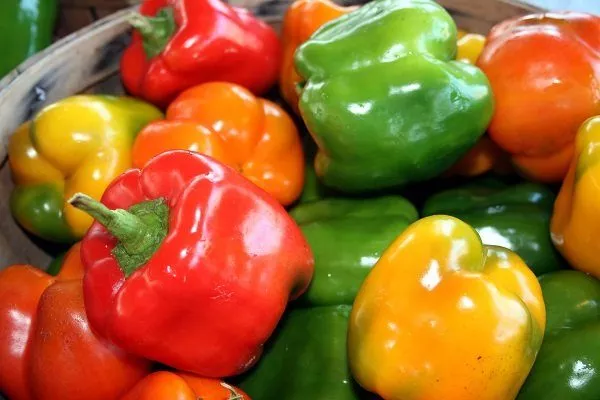
The color of peppers affects not only the taste of the fruit, but also the nutrient content:
- Green pepper. It contains more phytosterols, which regulate fat metabolism and remove cholesterol from the body, and vitamin K, which prevents atherosclerosis.
- Yellow and orange peppers. They contain a lot of carotene and vitamin C. They surpass red and green peppers in potassium and iron content, so they are useful for people suffering from anemia and cardiovascular diseases.
- Red pepper. It's high in sugar, making it sweeter than other peppers. It contains a valuable substance called lycopene, which is recommended for cancer prevention. Red peppers are higher in vitamins A, C, B, and E.
Tips from experienced gardeners
Along with the basic rules for accelerating the ripening of peppers in open and closed ground, there are a number of simple measures that can speed up the ripening of peppers.
Helpful tips from experienced gardeners:
- To help peppers ripen faster, harvest more frequently. This is especially important at the beginning of the fruiting season—be sure to pick the first peppers, as this will help subsequent ones ripen faster.
- Banana peels spread over the beds help stimulate ripening. They release ethylene, which accelerates the ripening of fruits and vegetables.
- If the gardening season is drawing to a close and temperatures are dropping, only the largest peppers should be left on the bush and the smaller ones should be picked. All flowers and fruit buds should also be removed from the bushes, so that all the plant's energy will be focused on ripening the remaining peppers.
Delayed pepper ripening is a minor problem with a variety of solutions at different stages of the growing season. If proper agricultural practices are followed, the peppers will definitely reach their biological maturity. In extreme cases, if the weather doesn't allow it, the peppers can be ripened indoors.
My peppers also refused to turn red this year. I followed your three tips, and they all worked. Thank you!