
The world of gardening is seeing the emergence of amazing and unique hybrids destined to transform vegetable gardens and greenhouses. One such unique variety is the Medusa pepper. This ornamental variety not only impresses with its shape and color but also delights with its bountiful harvest.
Who developed the variety and when?
Dutch breeders have unveiled an extraordinary hybrid called Medusa. This is a new, unique hybrid of ornamental pepper.
Description and characteristics of the variety
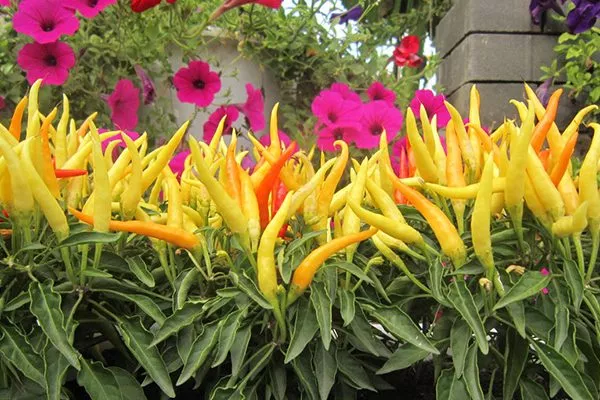
Medusa is a unique perennial plant distinguished by its ornamental appearance. The upright bushes create a striking, snake-like appearance. The brightly colored, long, and slender fruits lend a visual resemblance to the mythical Medusa of Greek mythology.
- ✓ The bushes reach a height of 30-40 cm without requiring garter.
- ✓ Fruits change color from ivory to deep red when fully ripe.
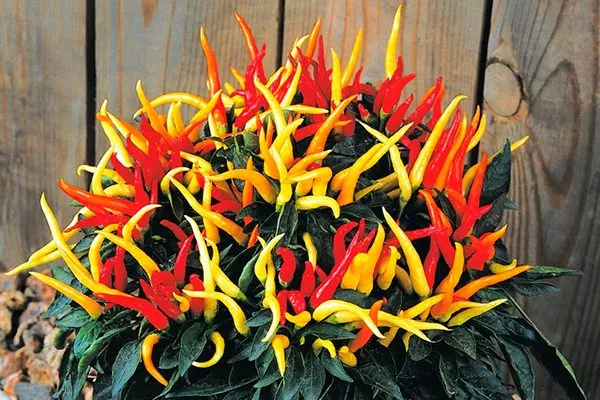
This hybrid chili variety is an attractive representative of its species. Each plant can produce 45-50 fruits, making it efficient and productive. The Medusa pepper not only offers functional qualities but also makes a striking decorative element.
Its compact growth, never exceeding 30-40 cm, and upright stems make it easy to grow without staking. Throughout the various stages of development, the fruits acquire shades ranging from ivory, green, and yellow to orange, and when fully ripe, they turn a deep red.
Ripening and yield
The Medusa pepper, based on its ripening characteristics, is classified as an early-ripening variety. The impressive ripening process takes 110-120 days, after which the fruits acquire a colorful hue and reach a length of 6 cm.
The Medusa hybrid variety is distinguished by its high productivity, producing an impressive harvest. A single plant can yield 400 to 500 grams of hot peppers, making it an attractive choice for those who value not only the decorative appearance but also want to enjoy a rich and tasty harvest.
Advantages and disadvantages
Before planting a new pepper variety in your garden, research its pros and cons. Medusa has many advantages:
- decorativeness;
- productivity;
- good shelf life;
- unusual shape of fruits;
- unique taste.
Among the variety's shortcomings, gardeners note low winter hardiness and its high maintenance requirements.
Growing seedlings
Growing pepper seedlings isn't particularly difficult. Even a novice gardener can handle the process.
- ✓ Optimum temperature for seed germination: +25-28°C, with a critical minimum of +15°C.
- ✓ Required soil moisture: maintain at a level that prevents both overdrying and excessive moisture.
Lighting
Peppers are a bright-light crop, and seedlings require supplemental light for 12-14 hours.
Soil for sowing
The soil intended for planting peppers should have optimal moisture and air permeability, be fertile, and loose. Peppers prefer well-moistened soil and do not tolerate overheating or excessive drying.
Sowing seeds
To ensure successful planting, disinfect and soak the pepper seeds beforehand. This can be done in a 1% potassium permanganate solution by soaking the seeds for 20-30 minutes, then rinsing them thoroughly with water. You can also use hydrogen peroxide, aloe, or biopreparations.
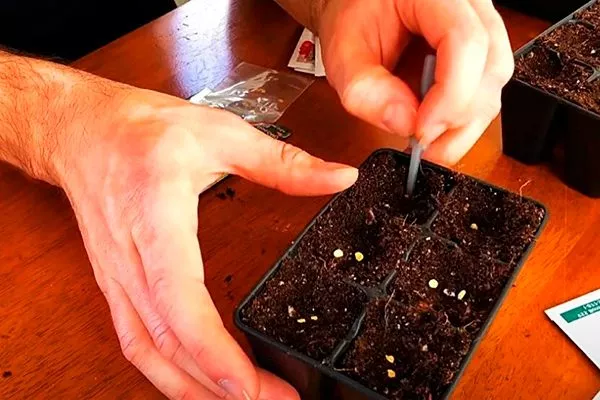
After disinfection, soak the seeds in water or a germination stimulant to increase germination. Sow the seeds in prepared containers at a depth of 1 cm. Pepper seedlings typically emerge within 5-15 days at a temperature of 25-28°C.
Hardening
Two to three weeks before planting, begin placing the pepper seedlings on the balcony or veranda, carefully opening the windows to avoid drafts. Hardening off the seedlings helps them adapt to cooler temperatures.
The predecessors are good
Choosing the right precursors for growing Medusa peppers is crucial in preparing the soil for a successful harvest. Suitable precursors can promote healthy growth and disease resistance. Optimal options for creating favorable conditions include:
- Green manure. Alfalfa or clover improves the soil structure and provides it with nutrients.
- Beans. The nitrogen-fixing properties of beans help enrich the soil with nitrogen, which has a beneficial effect on the growth of peppers.
- Beans. They are an excellent source of nitrogen, improving soil fertility.
- Zucchini. Can serve as a good precursor crop, helping to control weeds and diseases.
- Cabbage. The cruciferous plant helps prevent diseases specific to peppers.
- Onion. Repels pests and helps suppress weeds.
- Carrot. It has a beneficial effect on the soil structure and does not compete with peppers for nutrients.
- Cucumber. They create favorable conditions for pepper, supplementing it according to soil requirements.
- Squash. Like zucchini, pattypan squash helps control weeds and prevent diseases.
- Pumpkin. Adds to soil fertility and improves its structure.
Selecting the right predecessors is important to create optimal conditions for growing Medusa pepper and achieving a healthy and productive harvest.
The predecessors are bad
Some plants can negatively impact the growth and development of peppers, so it's important to avoid unsuitable neighbors in the garden. Bad predecessors for the Medusa pepper include:
- Physalis. Some species of this plant may share common pests and diseases with pepper.
- Eggplant. They are members of the nightshade family and growing them before Medusa peppers may promote the spread of common diseases.
- Potato. It is considered a potential source of infections that can negatively affect the health of peppers.
- Pepper. May increase the risk of common diseases and deplete soil resources.
- Tomato. Belonging to the nightshade family, growing them before peppers can exacerbate disease and pest problems and compete for shared nutrients in the soil.
Planting diagram
Due to the compactness of the bushes, a 40x50 cm scheme is used. Thus, there should be approximately 3 plants per 1 square meter.
Watering and humidity
The Medusa pepper, like other varieties, prefers optimal soil moisture and reacts negatively to excessive heat and dry soil. It requires regular watering, especially during the ripening period. Monitor and maintain soil moisture, preventing both over-drying and over-watering.
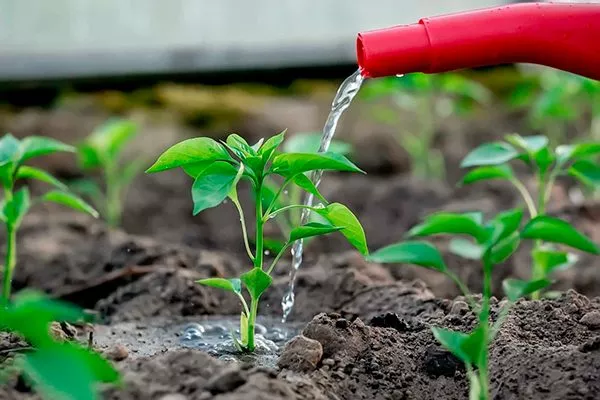
Use warm water for irrigation, especially at the beginning of the growing season, to avoid stressing the plants. Proper watering ensures optimal conditions for healthy growth and development of pepper plants, promoting the formation of strong and productive bushes.
Agricultural technology
Growing seedlings and caring for them are important steps that determine the health of the plants and their future harvest. Plant them correctly in the beds and ensure they receive the necessary fertilizers.
Planting seedlings: features
When consistently warm weather arrives, with nighttime temperatures not dropping below 10°C and daytime temperatures rising to 15-17°C, begin planting pepper seedlings in the greenhouse. Before planting, add 8-10 kg of organic compost per square meter.
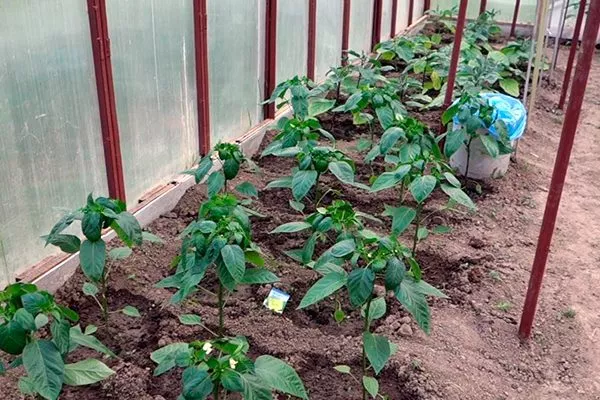
Add superphosphate and potassium sulfate at a rate of 30-40 g per 1 square meter (the fertilizer can be applied immediately before planting, adding 1 teaspoon to each hole). This will help provide the plants with the necessary nutrients for a successful start to their growth and development in the greenhouse.
Plant care and formation
Pepper stems are fragile, so immediately after planting, tie the plant to a stake and water it generously. Subsequent care includes regular watering (preferably with warm water).
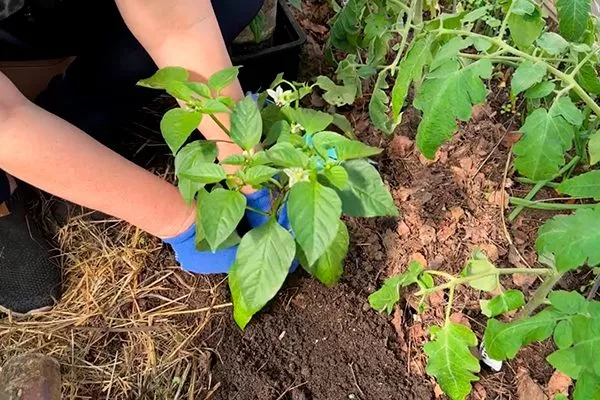
Careful, shallow loosening is required, as the pepper's root system is located in the top layer of soil, as well as light hilling to stimulate additional root growth. To form bushes, remove the first bud to promote branching and the formation of additional shoots.
Leave 3-4 stems on the plant, select the two strongest, and tie them up. Use the remaining shoots only for the first harvest, leaving no more than two fruits on each. These steps help develop strong pepper plants.
Fertilizers and dressings
Apply the first fertilizer to the peppers two weeks after planting the seedlings, using a mullein infusion (1:10) or fermented grass. Apply the second fertilizer 7-10 days later, using a specialized fertilizer for tomatoes and peppers, or another phosphorus-potassium fertilizer.
Reviews from gardeners
Growing the Medusa pepper requires careful attention and care. From the right soil and fertilizer to optimal lighting and regular watering, every step plays a vital role in creating healthy and productive plants. By focusing on proper care, you'll be able to enjoy all the beauty and benefits of this remarkable hybrid.