
The Livadia variety is a sweet (bell) pepper with large, thick-walled fruits, few seeds, and a rich flavor. This domestic hybrid is truly sweet and aromatic, ideal for salads, culinary dishes, and all kinds of preserves.
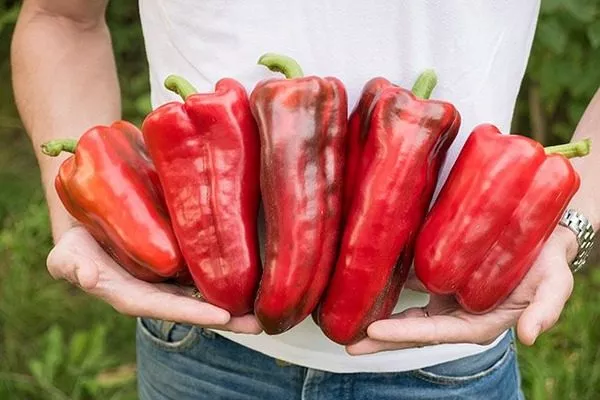
Description of the Livadia pepper
The Livadia pepper plant grows vigorously, semi-spreading, with drooping, drooping fruit. In a greenhouse, plants grow to 1.4-1.5 m tall. In the open ground, the plants are shorter. The leaves are medium-sized, dark green, and slightly wrinkled. The bushes have good foliage.
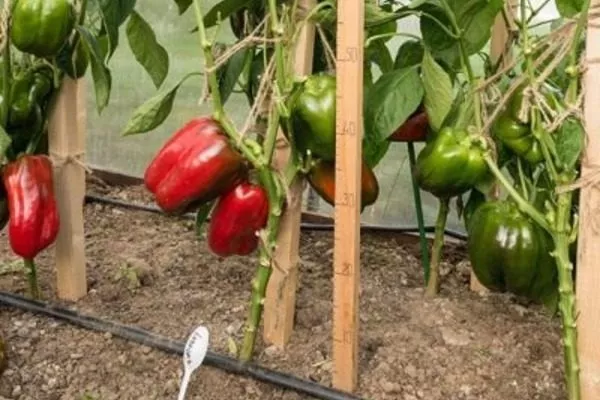
The fruits of the Livadia pepper are large, with well-defined edges and clearly defined chambers, three or four, and a small number of seeds.
Main characteristics of the Livadia variety of fruits:
- Colour of fruits at technical maturity: dark green.
- Fruit color at biological maturity: dark red.
- Fruit shape: cylindrical or prismatic.
- Size: 10x18 cm.
- Weight: 250-300 g
- Skin: smooth, glossy.
- Pulp: fleshy.
- Wall thickness: 7-9 mm.
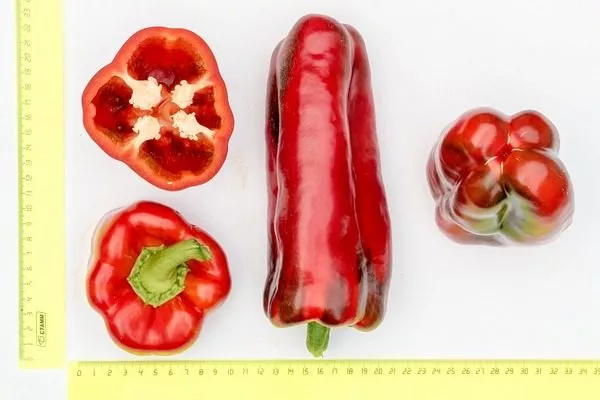
When fully ripe, the fruits become shiny, dark red, almost burgundy.
Characteristics
The Livadia hybrid has excellent agronomic characteristics, allowing it to be grown in all regions of the country and in different types of soil.
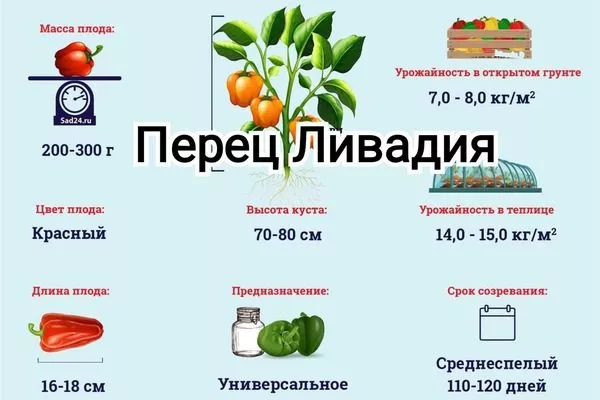
Main characteristics:
- Ripening periods. This is a mid-season variety. The fruits reach harvestable maturity 75-80 days after germination.
- Productivity. In greenhouses, yields reach 12.8 kg per square meter. In open ground, this figure is approximately half that.
- Disease resistance. The hybrid is resistant to various diseases, including the mosaic virus. It is not susceptible to pests, but timely preventative treatments are recommended.
Taste and application
The Livadia hybrid has a sweet, rich flavor. The flesh is juicy, with a distinctive peppery aroma. This hybrid variety is widely used in cooking. Untreated, the fruits are somewhat firm, but very juicy.
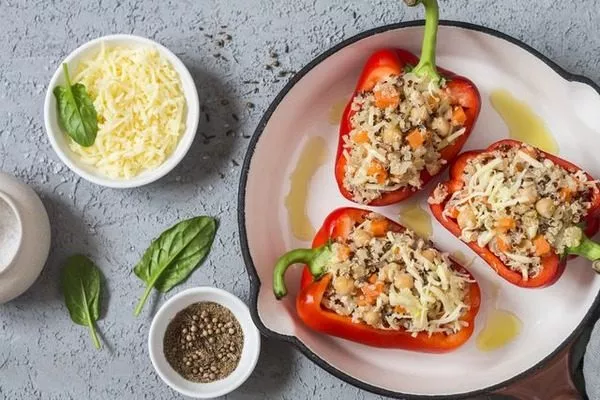
After heat treatment, the pepper's flavor unfolds in a new way, becoming more vibrant. The peppers are used to make lecho, stew, bake, and grill, and are used in a variety of salads and appetizers.
Pros and cons
Pepper Livadia, like most varieties, along with its advantages, which undoubtedly predominate, also has some disadvantages, which it is advisable to know about before planting.
Landing
Sweet peppers are typically grown from seedlings, as this method allows for an early harvest. Sowing directly into the ground is not generally used, as even in the south, it poses numerous challenges, ranging from the risk of frost to pest and disease problems.
At the initial stage of vegetation, peppers require increased care, and it is easier to provide this in greenhouse (home) conditions.
Seed preparation
Seed treatment before sowing increases their viability and hardens them. Seeds purchased from producers are usually completely ready for planting, but it's best to check this—the packaging should indicate this.
Soaking seeds accelerates germination and subsequent emergence. Wrap the seeds in damp cheesecloth or a napkin, place them in a container or on a saucer, and keep them in a room with a temperature of 25–28°C. The seeds should sprout within two days. A growth stimulant such as Epin or Zircon can be added to the water.
Selecting a site
Sweet peppers are a light- and heat-loving crop, so choose a well-lit area for planting, reliably protected from gusts of wind and drafts, which can provoke various diseases.
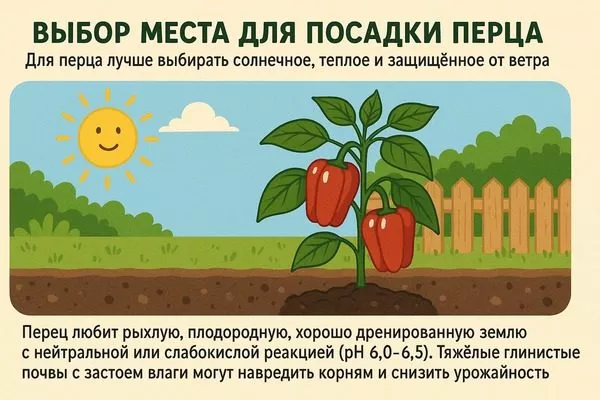
Peppers prefer light, loose, nutritious soils that are well-drained and aerated. They are best planted on south-facing slopes, if available. Crop rotation is also important.
Predecessors of sweet pepper:
- Good ones - carrots, onions, garlic, cucumbers, cabbage.
- Bad - tomatoes, eggplants, potatoes, all nightshade crops.
The optimal soil pH is neutral or slightly acidic (pH 6.0–6.8). If the pH falls outside this range, the plant begins to experience stress, its growth slows, and yields decrease.
Preparing soil for seedlings
Growing seedlings requires loose, light, and fertile soil. You can buy a ready-made substrate or prepare your own soil mixture. It's important to follow the composition and proportions of the mixture, and be sure to disinfect it.
To prepare the soil mixture, use organic matter - humus or compost, loosening agents - peat, coconut fiber, perlite, vermiculite, as well as wood ash, which corrects the acidity of the soil (lowers it) and saturates it with useful substances.
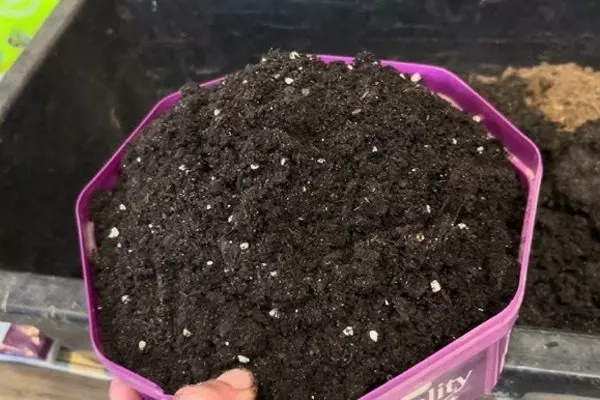
Examples of soil mixture recipes:
- Mix equal parts of garden soil, peat, river sand and humus.
- Mix garden or turf soil in equal proportions - 1:1, add 1/2 part sand, compost, vermiculite and sifted wood ash.
A self-prepared substrate can be disinfected by freezing it in the freezer for 2 days, or by baking it in the oven at 180–200 °C for 30–40 minutes.
To disinfect the soil mixture, you can also use a solution of potassium permanganate or biological preparations, for example, Fitosporin-M, Gamair, Baikal-EM-1.
Selection and filling of containers
Pepper seedlings can be grown in a variety of containers, including plastic cups, peat pots, and plastic cassettes. The recommended container size for sowing is 100-200 ml. For transplanting, use 500-1000 ml.
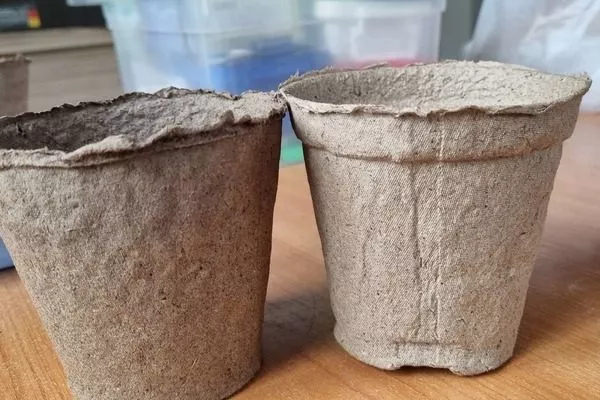
If using plastic containers, it's best to choose opaque or multicolored ones to prevent the plant roots from being exposed to bright sunlight. The container should have holes in the bottom to allow excess water to drain.
If the plants are to be transplanted (and seedlings can be grown without transplanting), it is convenient to sow them in large containers, from which they are then transplanted into individual containers.
Features of filling containers for growing seedlings:
- It is advisable to pour a 1 cm thick drainage layer onto the bottom of the container.
- Top with a prepared potting mix or store-bought, pre-moistened substrate. Level the soil, but do not compact it. Leave 1-2 cm above the top of the container.
Sowing for seedlings
Livadia pepper seedlings are sown in late February to early March. The exact planting dates depend on the region's climate. Read more about the timing and rules for sowing seeds to obtain seedlings. Here.
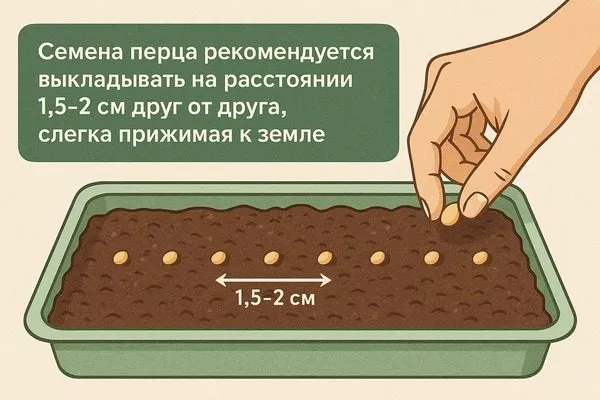
Features of sowing pepper Livadia:
- The soil is slightly moistened with warm, settled water from a spray bottle.
- For sowing, make holes or rows in the soil (if sowing is done in containers).
- Sowing depth is 1 cm. The distance between adjacent seeds is 2 cm.
- The seeds placed in the soil are sprinkled with soil on top (1-1.5 cm).
- The soil is moistened again using a spray bottle. Don't compact the soil; it should be loose to allow air and water to reach the seeds. If the soil is too compacted, the seeds may not even germinate.
- To create a greenhouse effect for the crops, they are covered with transparent film, which is removed immediately after the seedlings emerge.
Until the seedlings emerge, the planting containers are kept in a room with indirect light. The cover is removed daily to ventilate and moisten the seedlings, as well as to prevent condensation. Once the seedlings emerge, the containers or cups are moved closer to the light, to windowsills.
Caring for seedlings
When the shoots appear, the temperature is sharply reduced to +15…+16 °C to prevent the seedlings from stretching out. After 4-5 days, it is raised again to +22….+25 °C during the day and to +16….+18 °C at night.
Features of caring for Livadia pepper seedlings:
- Pepper seedlings are watered as the soil dries out. Use only warm, settled water. The frequency of watering depends on the room temperature and humidity, soil type, and the stage of seedling development.
- Seedlings are pricked out after 2-3 true leaves appear, approximately 2-3 weeks after sowing. During this period, the seedlings most easily establish themselves and adapt to the new conditions. Transplanted seedlings are planted slightly deeper than in their original containers, but without burying the growing point.
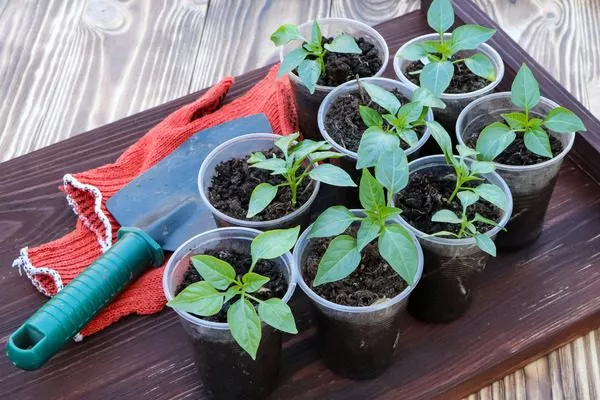
- Pepper seedlings require at least 12 hours of daylight. If natural light is insufficient, the seedlings are illuminated with phytolamps.
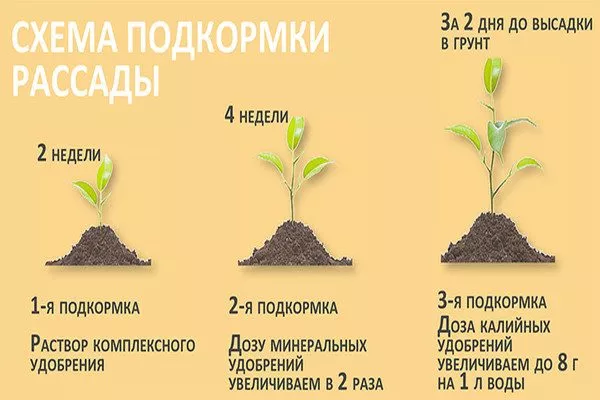
- After 3-4 true leaves appear, the seedlings can be fed with a complex fertilizer, such as Uniflor Bud or Uniflor Micro. After a couple of weeks, the peppers can be fed with a urea solution at the roots. Fertilize early in the morning, an hour after watering.
- Fertilize once every 4-5 waterings, and always on moist soil.
- Hardening off the seedlings begins 10-14 days before planting. Open windows for 15-20 minutes, but be careful not to create drafts. Then take them outside, gradually increasing the time spent outside to 4-6 hours. The last 2-3 days before planting, leave the plants outside for 12-18 hours or more.
Preparing the soil and beds
A week before planting the seedlings, dig the soil, adding organic matter such as compost or humus (5-7 kg per square meter). If the soil is clayey, add river sand or slightly rotted sawdust (10 kg per square meter). Wood ash is also recommended, especially in acidic soils, as it will reduce the acidity.
A week before planting the seedlings, dig the soil, adding organic matter such as compost or humus (5-7 kg per square meter). If the soil is clayey, add river sand or slightly rotted sawdust (10 kg per square meter). Wood ash is also recommended, especially in acidic soils, as it will reduce the acidity.
Planting seedlings in the ground
Seedlings are transplanted at 60-75 days of age, by which time they should have 7-12 true dark green leaves. Peppers are planted outdoors around the beginning of June, when the weather has become consistently warm. Seedlings are transplanted into greenhouses approximately 3 weeks earlier.
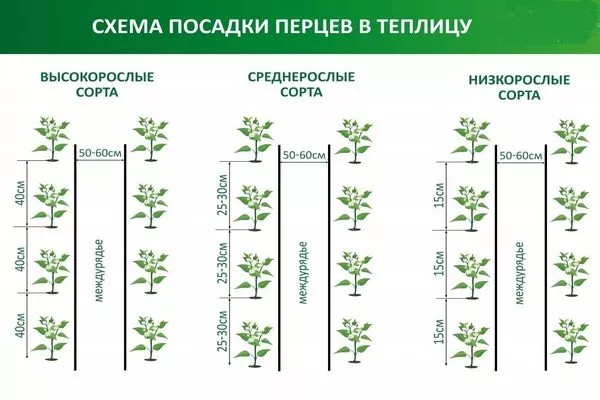
Features of planting Livadia pepper seedlings:
- Dig holes for planting in advance. The approximate depth is 10-12 cm. Place 3-4 plants per square meter.
- If the seedlings have outgrown their size, they are planted at an angle, without burying the stems.
- Add a couple of handfuls of compost or humus, a handful of wood ash and 30 g of superphosphate to each hole.
- The seedlings are planted using the transshipment method, taking care not to disturb the root ball. They are placed in the holes, the empty space is filled with soil, compacted, and watered generously. Once the water has been absorbed, the soil is mulched with peat, compost, or dry soil.
Pepper stems are fragile, so it is recommended to tie them to stakes after planting.
Care
The Livadia bell pepper requires standard care: watering, fertilizing, preventative and therapeutic spraying, and other measures required by the crop's agricultural technology.
Read about all the intricacies of caring for vegetable crops in greenhouse conditions. Here.
Watering
Livadia peppers are watered moderately, avoiding waterlogging and stagnant soil. Watering frequency depends on the weather and soil conditions. If the top 3-5 cm of soil is dry, water the beds.
Approximate frequency of watering sweet peppers:
- After planting the seedlings — Once every 2-3 days.
- During active growth and flowering — 2-3 times a week.
- During the fruiting period — up to 3-4 times a week.
For watering, use settled and sun-warmed water, as cold water can cause pepper diseases. Water should be applied to the roots, but avoid contact with the leaves.
Loosening
After watering, when the soil has dried out slightly, loosen the soil gently and shallowly to avoid damaging the plant roots. Peppers have many surface roots, so loosening the soil must be done with extreme caution. Weeds are removed simultaneously while loosening.
It is recommended to mulch the root zone with organic material—hay, straw, peat, etc. Mulch retains moisture well, prevents the formation of a hard crust, and prevents the growth of weeds.
Top dressing
To achieve high yields, sweet peppers require regular fertilization. Fertilizer composition depends on the growing season and plant condition.
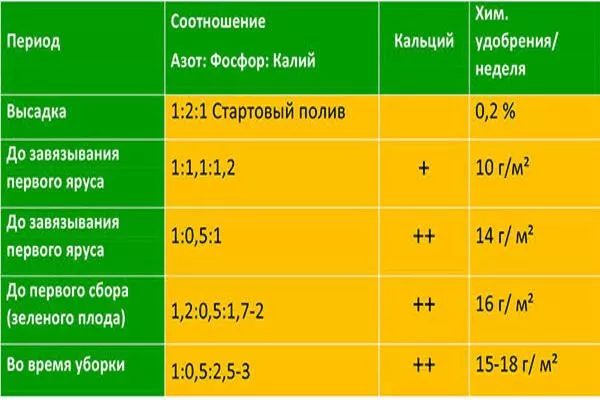
On average, bell peppers are fertilized 4-5 times per season:
- first feeding - immediately after planting seedlings in the ground or greenhouse;
- second - 2-3 weeks after the first feeding, when the first wave of flowering begins;
- third - again in 2-3 weeks;
- fourth and all subsequent ones - during the fruiting period, when the fruits gain weight and begin to ripen.
At the beginning of the growing season, the emphasis is on nitrogen, later switching to potassium-phosphorus compounds. For additional fertilizers, ammonium nitrate, urea, potassium nitrate, calcium nitrate, nitroammophoska, and other complex compounds are used.
Pest and disease control
The Livadia bell pepper is fairly resistant to most common diseases, but under unfavorable conditions it can be affected by fungal diseases. To combat these, chemicals such as Quadris and Skor, or biological preparations such as Fitosporin-M and Trichodermin are used. Read more about vegetable crop diseases and treatment methods. Here.
The variety is resistant to bacterial pathogens, as producers pre-treat the seeds with appropriate fungicides. Viral infections are extremely rare in the hybrid; if any are detected, the plants are uprooted and burned.
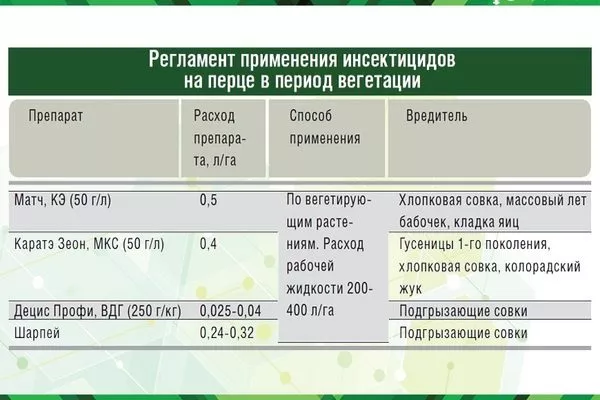
The Livadia variety is not susceptible to pest infestations, but if pests infest it, it may be attacked by aphids or spider mites, which can be controlled with biological products such as Fitoverm or similar products. Plants can also be attacked by whiteflies, which can be controlled with insecticides such as Confidor and Actellic.
Harvesting and storage
Harvest the fruits when they are biologically or technically ripe (dark green). Don't break or pluck the fruits, but rather carefully cut them. If your peppers aren't turning red for a long time, our adviсe.
This variety has excellent shelf life and can retain its marketable qualities for 2-3 months. To ensure proper storage, peppers require appropriate conditions: a temperature of 0 to 3°C and humidity of 50-70%. The storage area should be dark and well-ventilated.
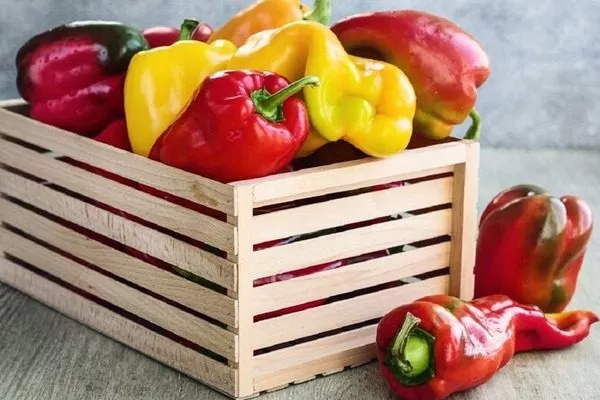
To ensure peppers last as long as possible without losing their flavor or commercial qualities, they are stored in boxes or crates, lined with paper, or, even better, individually wrapped. The paper wrapping absorbs excess moisture and prevents rotting.
Reviews
The hybrid Livadia variety is an excellent choice for lovers of large, juicy sweet peppers. It requires little care and produces good yields, and most importantly, it thrives in any soil type. This bell pepper is especially suitable for greenhouse cultivation, as its yield is almost twice that of open-air cultivation.