
The Livadia pepper is a popular hybrid that attracts both novice and experienced gardeners. Its popularity stems from its numerous positive qualities, including excellent characteristics, superb flavor, and high productivity. This plant will delight you with generous harvests, but with minimal care and simple maintenance.
Who developed the variety and when?
The cultivar was developed by renowned breeder V. I. Blokin-Mechtalin. The breeding work was completed in 2017, and in 2019, the hybrid was approved for cultivation throughout our country.
Characteristics of the hybrid and description of the fruits
One of the most recent new varieties of interest to farmers is the Livadia sweet bell pepper. This crop requires little maintenance and produces good yields. It is successfully grown both in greenhouses and open fields.
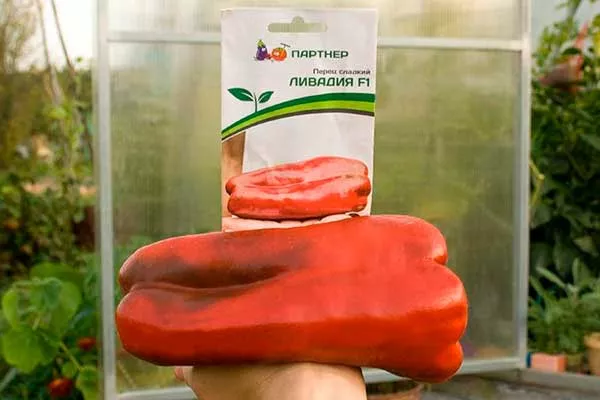
Description of the bush
A vigorous, spreading plant with abundant dark green leaves. In greenhouses, without blinding the skeletal shoots, it reaches a height of 1.4-1.5 m, while in the open ground, its dimensions are more modest.
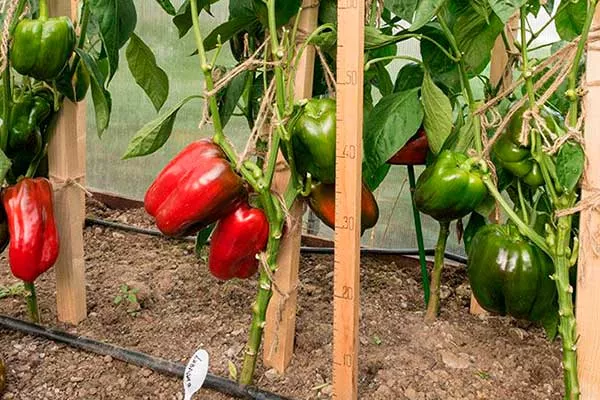
Characteristics of fruits
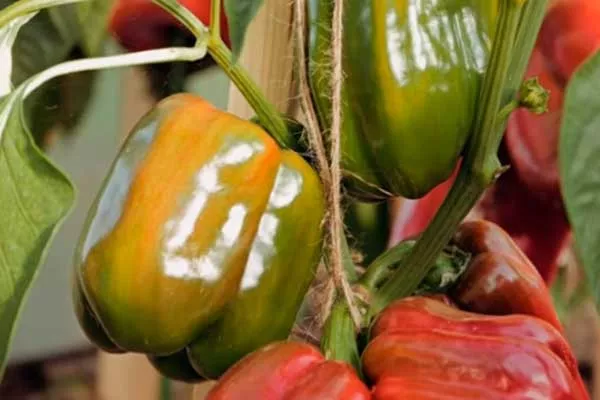
Peppers have a prismatic or cylindrical shape, distinct edges, and clearly defined 3 or 4 chambers, which are most often flattened on the sides. They weigh between 250 and 300 g. Their walls are 7-10 mm thick.
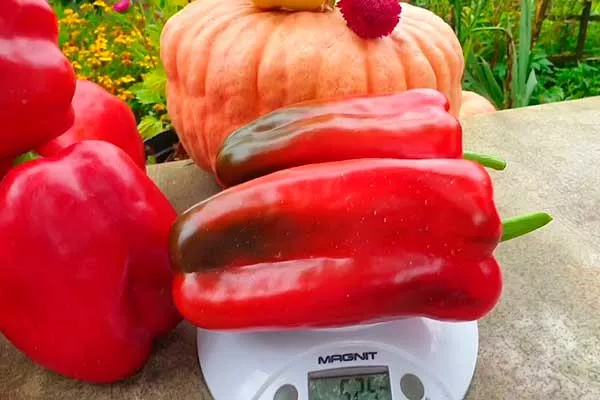
At the technical stage, the color is dark green, and as they ripen, red spots appear on the surface. When fully ripe, the fruits become shiny and burgundy. The peppers hang down with their tips facing downwards.
Taste, quality, and use of fruits
The vegetables have a particularly rich flavor and aroma, and the walls can be over 1 cm thick if the fruits ripen fully on the vine. They are usually harvested after the first red spots appear, so as not to interfere with the ripening of the top fruits.
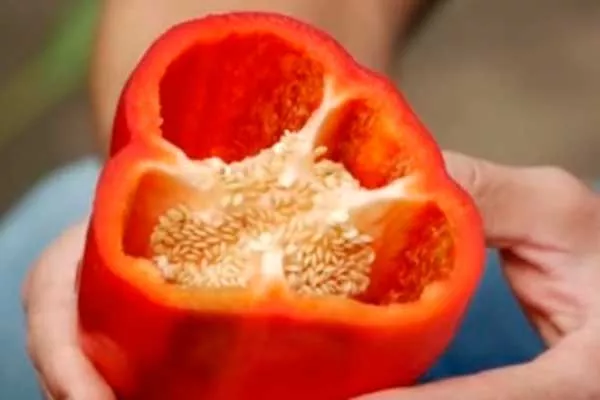
The fruit has a thick skin, and the pulp is rich in fiber. The vegetables are a bit firm when eaten fresh, but remain juicy. When cooked, their flavor fully unfolds. When cooked, for example, in lecho or baked or grilled, they remain firm and firm.
Chemical composition, benefits and harms
Livadia pepper is rich in vitamins and minerals, making it a healthy addition to the diet. It contains:
- Vitamins. It's especially rich in vitamin C, which supports the immune system and helps reduce stress. Vitamins A, B6, and E are also present.
- Minerals (potassium, magnesium, phosphorus and iron). They are important for the normal functioning of the body.
- Antioxidants (lycopene). May reduce the risk of developing cancer and protect cells from free radicals.
- Fiber. Promotes improved digestion and maintains intestinal health.
Livadia pepper is high in vitamins and minerals, which has a beneficial effect on digestion, vision, and the immune system. However, it can also reduce blood viscosity and lower blood pressure.
Eating fresh vegetables may be unsafe for people with digestive problems, but heat treatment makes them completely harmless.
Fruiting period and yield
Livadia is a mid-season hybrid. Harvest maturity is reached 75-80 days after emergence. The average yield is 12.8 kg per square meter.
Shelf life and marketability
Vegetables store well. If harvested at the technical ripeness stage, they can be stored in a cool place for several months, right into winter.
Peppers withstand transportation well, while maintaining an attractive appearance, thanks to their thick and durable skin.
Resistance to diseases and pests
The hybrid demonstrates strong immunity to the mosaic virus and rarely suffers from other diseases. Infection can be transmitted to Livadia from neighboring plants and less resistant pepper and tomato varieties. Pest infestation is moderate. Preventative treatments are mandatory.
Planting Basics
Growing pepper seedlings is an important step in agronomy, requiring a careful approach and knowledge of basic principles. Proper cultivation provides plants with optimal conditions for growth and fruiting, which ultimately impacts the quality and quantity of the harvest.
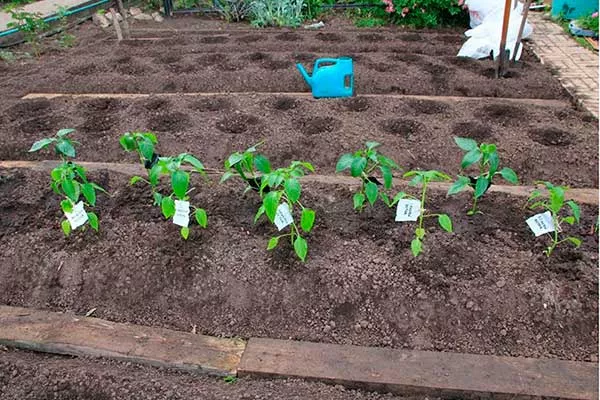
- ✓ The optimal soil temperature for planting seedlings should be at least +15°C.
- ✓ The distance between plants in open ground should be at least 50 cm to ensure sufficient air circulation.
Requirements
To successfully grow the Livadia pepper variety, choose sunny sites with fertile soil and good light. Pay special attention to watering and fertilizing the plants with specialized fertilizers.
To avoid damage, provide support for the bushes, preventing them from touching the ground. Remove weeds promptly and control potential pests to ensure healthy growth.
Soil and seed preparation
High-quality soil is the foundation of successful planting. It should be light, nutritious, and well-drained. The optimal mixture includes peat, humus, and sand. Pre-treat the soil, adding mineral fertilizers to improve its structure and nourish the bushes.
Seed preparation is crucial. Harden them to increase their resilience to adverse conditions. To do this, place the seedlings first in hot water, then in cold water for a few minutes. This helps activate the seeds' defense mechanisms and improves their germination rate.
Sowing seeds for seedlings
Start the event in the second or third week of March. Step-by-step instructions:
- Place the seeds in prepared soil to a depth of about 2 cm and moisten with warm, settled water.
- To create a greenhouse effect, cover the container with film until the seedlings appear.
Once the seeds have sprouted, provide the plants with sufficient light and maintain an optimal temperature, reducing it to +20°C after the seedlings emerge.
Planting seedlings in a hotbed/greenhouse
Plant the seedlings in mid-May, once the weather has become consistently warm. Harden them off beforehand, gradually acclimating them to the outdoors.
In a greenhouse or hotbed, space plants about 40 cm apart to ensure good air circulation and prevent diseases. Ensure adequate lighting and regular watering.
Planting seedlings in the open ground
Begin planting outdoors in early June. Choose a location protected from strong winds and well-drained. Space the plants sufficiently apart to allow for proper development.
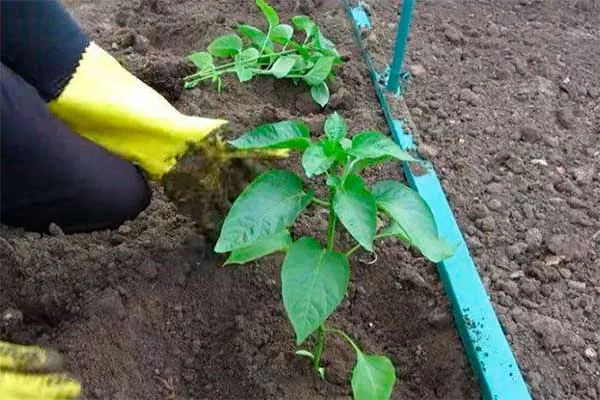
Prepare the holes in advance by adding a little compost or organic fertilizer to each to provide the seedlings with additional nutrients.
Pinching out stepsons
This is an important agronomic practice that helps improve yield and fruit quality. Perform this procedure after 4-5 leaves appear.
Removing side shoots promotes better development of the main stem and improves light and air access to the plant. Pinching out side shoots helps prevent overcrowding and disease.
Agricultural technology
Plant care plays a key role in successful crop cultivation, as it ensures the necessary conditions for growth and development. Simple maintenance procedures help increase yield and vegetable quality, which ultimately impacts the overall results of agricultural work.
Watering
During the initial growth stage, provide the bushes with moderate moisture, as the plant does not tolerate high humidity, either in the soil or in the air. Constantly monitor the soil moisture level.
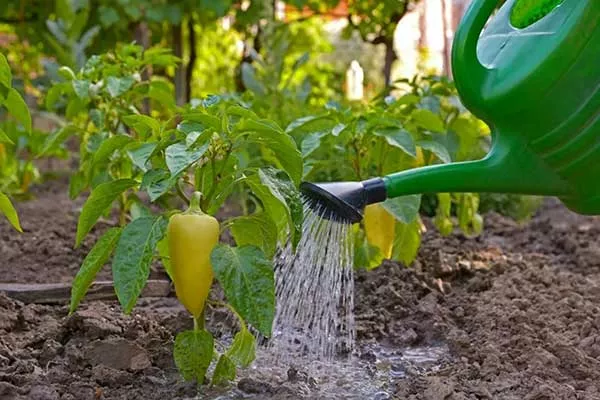
Ideally, the top 3-5 cm of soil should be slightly dry. If the soil is excessively damp, water the root system immediately, avoiding spraying the leaves.
What and when to feed?
Throughout the fruiting season, fertilize pepper plants an average of six times. Follow this schedule:
- Apply the first fertilizer immediately after transplanting the seedlings into a greenhouse or open ground, depending on the growth stage.
- At the initial stage of development, seedlings are actively growing and require nitrogen and phosphorus, which can be provided with urea.
- Two weeks after the first feeding, when the root system begins to adapt, add another portion of urea under the root.
- Organic fertilizers, such as compost, have a positive effect on the development of bushes, helping young plants build strength. Dissolve magnesium with added nitrogen in water and use as a root feed, which promotes better establishment of the hybrid. Manure is also suitable for this purpose.
- The penultimate fertilizer should contain nitrogen and potassium. Apply it to the roots before fruit set, which helps strengthen their vitality and protect against pests, such as with azophoska.
During the period of bud formation, move on to the final stage – use azofoska.
Do I need to transplant Livadia peppers and how should I shape the bush?
The plants have a spreading rosette shape, so they require careful maintenance. Be sure to tie them to a support, leaving only the two main stems and removing any other side shoots.
When transplanting, be careful, as the roots of seedlings have difficulty adapting to a new location; damage to them may result in their incomplete recovery.
Full germination is essential for successful growth. This allows the bushes to become stronger, both in their trunk and root system, and to develop healthily in their permanent location after transplantation.
Diseases and pests: how to deal with them
The Livadia pepper variety is highly resistant to common diseases, such as tobacco mosaic. Its thick skin protects the fruit from insect damage.
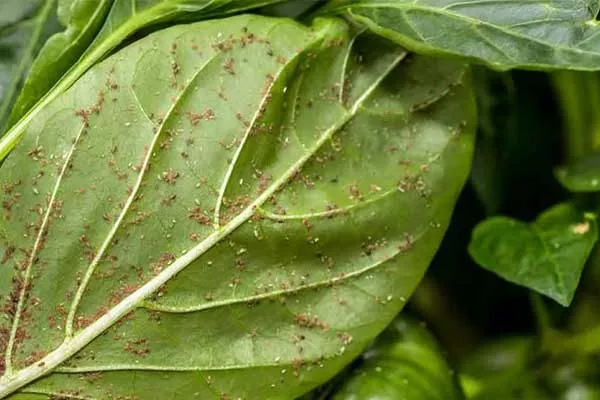
However, it is important to prevent other diseases and control potential pests to ensure a bountiful and healthy harvest:
| Diseases | Treatment methods |
| Fungal | Destroy affected plants. Apply fungicides to prevent recurrence. |
| Bacterial | The variety is resistant to bacterial infections, as the seeds are treated by the manufacturer and additionally before planting. |
| Viral | The Livadia hybrid is not susceptible to viral infections. |
To control pests, use different pesticides depending on the type of insect.
Harvesting peppers
Timely harvesting of ripe vegetables is crucial, allowing immature ones to continue developing. Harvest timing depends on the desired storage period.
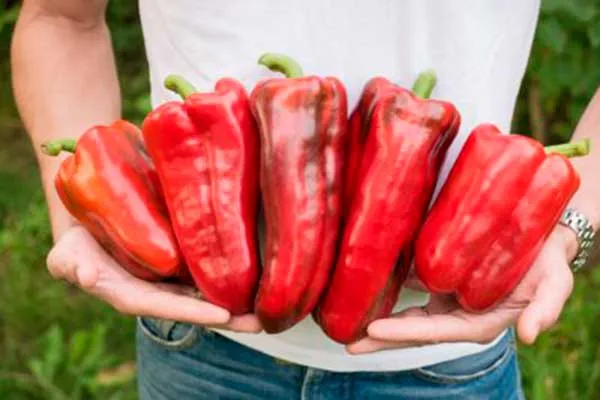
Fruits picked while green can ripen on their own and, at low temperatures, can be stored for several months without losing their marketable appearance. Reaching commercial maturity takes about four months.
Positive and negative qualities
Before planting a crop in your garden, carefully consider its pros and cons. This will help you avoid any unpleasant consequences you might encounter while growing it.
Advantages of Livadia:
However, high yields are achieved primarily in greenhouse conditions, while in open beds this figure can be reduced by almost half.
- ✓ The hybrid requires mandatory bush formation to achieve maximum yield.
- ✓ Seeds from grown fruits are not suitable for re-sowing, as they do not retain their hybrid qualities.
The hybrid has several disadvantages: the need to form a bush and the impossibility of using seeds taken from grown vegetables.
Similar hybrids
| Name | Ripening period | Plant height | Fruit shape |
|---|---|---|---|
| Aries F1 | Mid-season | Up to 1.4 m | Elongated-prismatic |
| Lamuyo | Early ripening | Tall | Trapezoidal |
| F1 partner | Average ripening period | 1.2-1.4 m | Similar to Livadia |
Several thick-walled, large-fruited hybrid peppers resemble the Livadia pepper. Below are several varieties:
- Aries F1. A mid-season hybrid that reaches a height of up to 1.4 m in greenhouses. The fruits are bright red, elongated and prismatic, weighing up to 300 g, with a wall thickness of approximately 7 mm. Yields are up to 14 kg per square meter.
- Lamuyo. A tall, early-ripening hybrid with trapezoidal, dark-red peppers weighing 200-250 g and with a 7-8 mm thick wall. It is resistant to a number of diseases and yields up to 12 kg per square meter.
- F1 partner. A mid-season variety, 1.2-1.4 m tall. The fruits are similar to Livadia in appearance and characteristics, but are shorter and have thicker walls. They weigh between 190 and 220 g, with a pericarp thickness of 1.2 cm. Yields per square meter are 8 kg in open ground and 14 kg in greenhouses.
The Livadia hybrid is deservedly considered one of the best modern sweet peppers thanks to its combination of good productivity, ease of care, and large, attractive fruits with excellent flavor. These characteristics made it incredibly popular immediately after its seeds appeared on the market.
Gardeners' reviews of the Livadia pepper
The Livadia pepper has earned a well-deserved place in many gardens thanks to its combination of ease of care and high productivity. Its rich flavor and firm flesh make it ideal for culinary experiments. This hybrid provides a stable harvest throughout the season, provided all proper cultivation practices are followed.