
There are many varieties of peppers in the gardening world, but one of the true leaders among them is the Lamuyo hybrid. Not only does it impress with its beauty and large fruits, but it also delights with its superb flavor. Successful cultivation is achieved with proper and comprehensive care.
Who developed the variety and when?
Vadim Ivanovich Blokin-Mechtalin is a renowned plant breeder whose efforts led to the development of the Lamuyo hybrid. The plant thrives not only in greenhouses but also in open soil. In 2020, the variety was approved and cleared for use.
Characteristics of the variety
| Parameters | Characteristic |
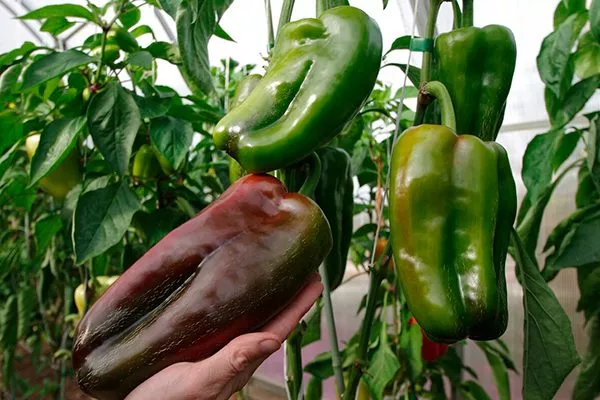
| Pepper weight | Maximum weight 320 g, average – from 200 to 250 g |
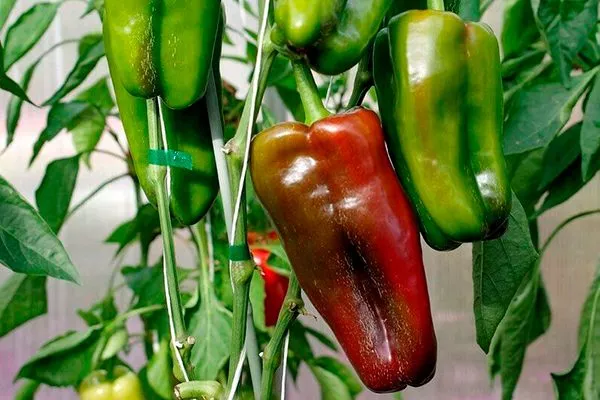
| Color | Dark green (technical maturity), dark red (fully ripe) |
| Form | Prismatic |
| Pepper size | Length 20-24 cm, diameter 7-8.5 cm |
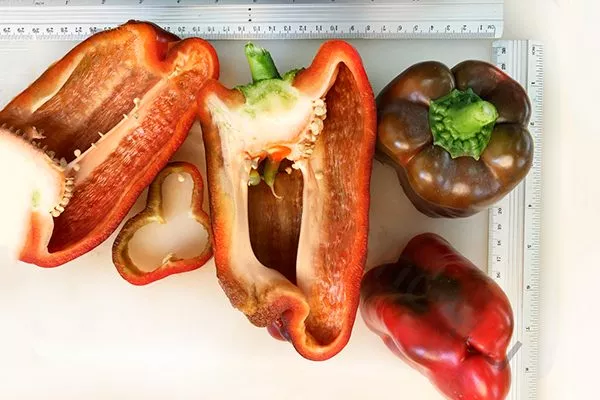
| Wall thickness | 6-8 mm (technical maturity), up to 9-10 mm (ripe fruits) |
| Taste qualities | Bright sweet taste |
| Productivity | 11.3 kg per 1 sq. m |
| Ripening speed | 95-100 days from germination to full ripening of fruits |
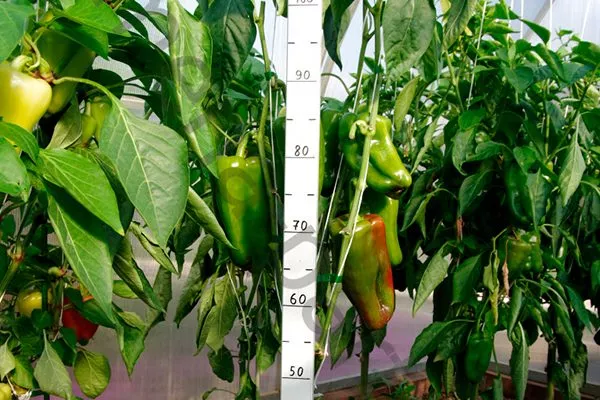
| Height of an adult plant | 60 cm |
| Bush shape | Semi-spreading |
| Number of cameras | 3 |
| Flowering type | Female |
| Ability to transport and store | Good tolerance and long-term storage of fruits |
| Resistance to adverse conditions | Resistant to high temperature |
| Immunity to diseases and pests | Resistant to tobacco mosaic virus, not susceptible to bronze virus |
Description of the variety
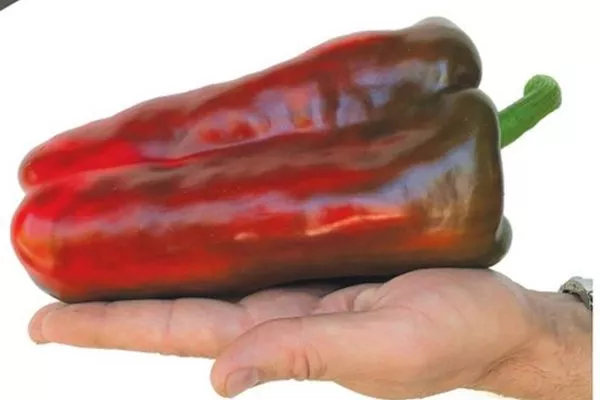
The plant forms a medium-sized, semi-spreading bush with dark green, wrinkled leaves, reaching a height of up to 60 cm. Lamuyo fruits are impressively large and drooping. The diameter of the fruit reaches 8.5 cm, with a wall thickness of 8 mm.
The fruit contains three seed chambers. The surface is smooth and shiny, with slight wrinkles. The fruit can be harvested at the technical ripeness stage, when it turns dark green. When ripe, the skin turns dark red.
The variety has outstanding flavor, with a rich, sweet taste. Lamuyo is a versatile variety, ideal for fresh consumption and processing. It is recommended for cultivation in various regions of the country.
Ripening and yield
This variety is an early-ripening crop, requiring an average of 95 to 100 days for the fruits to fully ripen. Growers claim an average yield of 11.3 kg per square meter of planting area. A single plant can yield 7 to 10 peppers.
Pros and cons of the variety
Before planting peppers, familiarize yourself with their pros and cons. Lamuyo peppers have many advantages:
Tips for growing the Lamuyo F1 pepper variety
The Lamuyo cultivation process is largely similar to the methods used for more standard sweet pepper varieties. Cultivation techniques include regular watering, fertilizing, loosening the soil, removing weeds, and shaping the plant.
When to sow pepper seedlings?
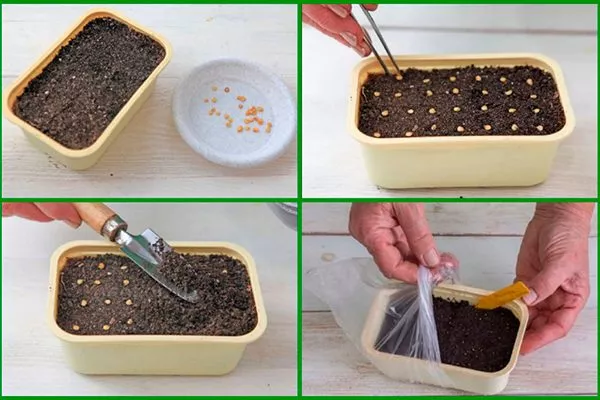
Begin sowing Lamuyo pepper seeds for seedlings in late February or early March. To improve germination, pre-prick the seeds in a damp cloth. Prepared soil for sowing should be light and fertile. The optimal seeding depth is 1 cm.
- ✓ Maintaining soil temperature at +25°C to +28°C for optimal germination.
- ✓ Use only settled water for irrigation to avoid leaf chlorosis.
How many days does it take for Lamuyo F1 pepper seeds to germinate?
Lamuyo peppers typically germinate 6-15 days after sowing. To ensure uniform and rapid germination, maintain room temperatures between 23°C and 25°C (73°F and 82°F). If the temperature drops below 15°C (59°F), the pepper seeds may fail to germinate.
Should I dive?
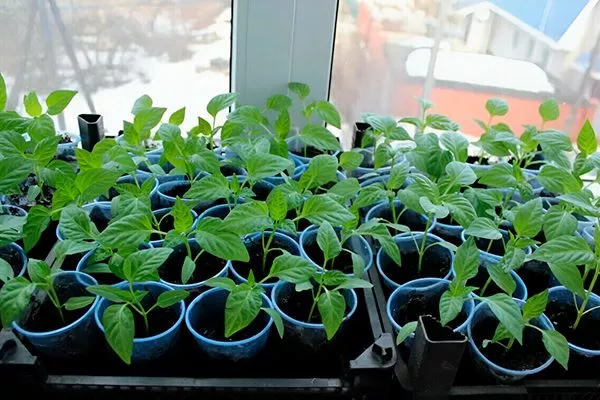
Prick out seedlings when they have 2-3 true leaves. After transplanting them to the greenhouse, begin shaping the bush into 2-3 trunks. The signal to begin pinching out side shoots is when the trunk forks into two stems. At this point, remove all side shoots, leaving only 1-2 of the most developed.
When the plant begins to form fruits, wait until 20 ovaries have formed, then pinch off the tops of the stems and side branches located above the fork.
When and at what distance to plant in the ground?
Before planting Lamuyo pepper seedlings outdoors, harden them off by placing them on a balcony or veranda. If this isn't possible, simply open a window. Avoid hardening off on days when frost is possible or when temperatures are below 13°C.
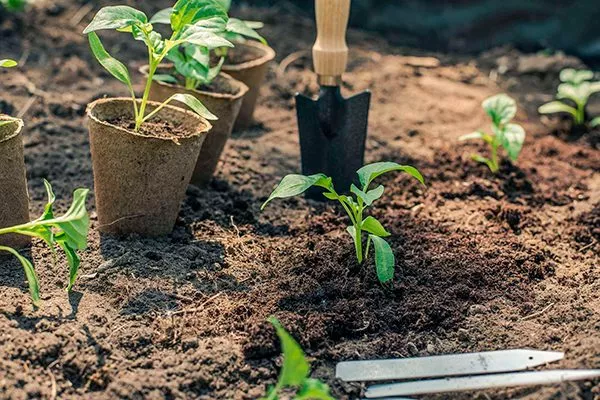
Planting pepper seedlings in the ground should be done with extreme care, following specific steps. Here are the step-by-step instructions:
- Choose a sunny location with fertile, well-drained soil.
- Prepare the soil by adding compost or humus to provide nutrients.
- Before planting, water the seedlings moderately so that the soil sticks to the roots.
- Create holes approximately 15-20 cm deep and wide.
- Carefully remove the seedlings from the container, holding them by the leaves.
- Place the seedlings in the hole, burying the roots and part of the stem.
- Fill the holes with soil and compact it well around the plant.
- Water the seedlings generously after planting.
- Install supports or use temporary shelters to protect from wind and possible frost.
Water regularly, remove weeds, fertilize, and watch for diseases and pests.
Watering
Water Lamuyo pepper seedlings regularly 1-2 times a week using warm, settled water. During hot periods, increase the frequency of watering, especially for newly planted seedlings, which should be watered every 2 days. Water only at the roots of the plants.
What and when to feed?
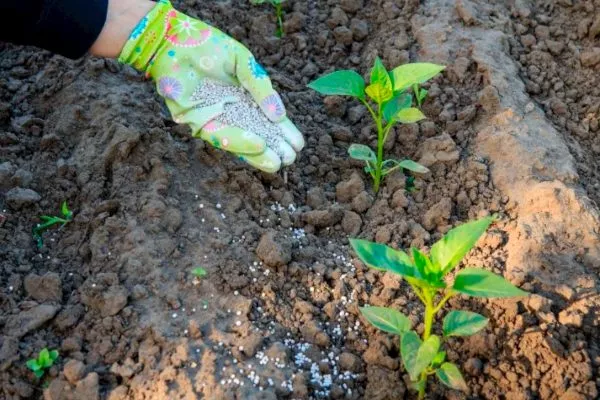
During the entire growing season, Lamuyo peppers are recommended to be fertilized 2 to 4 times, preferably with mineral fertilizers. Aelita vegetable fertilizer and similar products are suitable for this purpose.
Diseases and pests
Lamuyo peppers, like other plants, are susceptible to various diseases and pests. Conduct preventative measures and timely treatments to prevent and control diseases and pests.
- Treat with biofungicide 10 days after planting seedlings.
- Treat with insecticide at the first sign of thrips or whiteflies.
- Repeat the biofungicide treatment at the beginning of flowering.
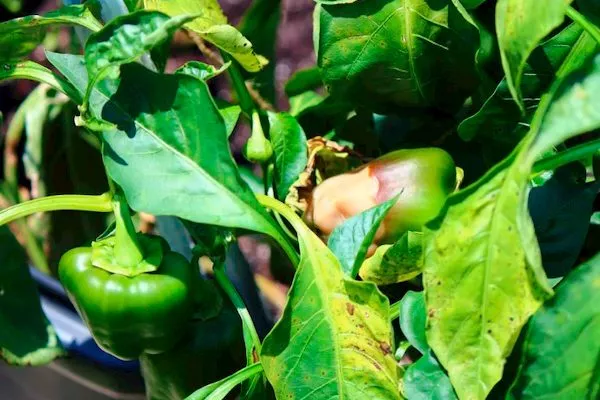
Below are the main diseases and insects that can affect Lamuyo pepper:
- Tobacco mosaic. A viral disease transmitted by thrips. It appears on leaves as characteristic bright spots and a mosaic pattern.
- Late blight (late dance). A fungal disease that causes root and stem rot. It appears as dark spots on the leaves.
- Thrips. Small insects that feed on plant sap and carry viruses. They can cause leaf and stem deformation.
- Whitefly. A virus-transmitting pest. The larvae suck the sap from the leaves, causing yellowing and depletion of the plants.
Reviews
The Lamuyo pepper is a true revelation for those seeking to grow healthy and delicious vegetables with minimal effort. Its abundant harvest, beautiful plants, and outstanding flavor make it an attractive choice for gardeners of all experience levels.