
The King of the North pepper is a cold-hardy variety suitable for cultivation in all regions of Russia, including Siberia, the Far East, and the Urals. It is a mid-season variety with attractive appearance and is not particularly demanding in cultivation.
Who developed the variety and when?
The exact year of selection is unknown, as the King of the North variety has not yet been added to the country's State Register. Therefore, gardeners rely on the information provided by the originator on the seed packages. The Russian agricultural company "Aelita" is responsible for the production of planting material.
- ✓ Check the expiration date of the seeds; the optimal storage period for peppers is up to 3 years.
- ✓ Pay attention to the manufacturer, give preference to proven agricultural companies.
- ✓ Consider the climatic conditions of your region when choosing a variety.
Description of the variety
Peppers are low-growing, reaching just 45-50 cm in height. They are standard varieties. Characteristics of the plant and fruit include:
- the crown of the bush is spreading with moderate foliage;
- leaf color – dark green;
- the central stem is powerful and strong;
- root system – developed;
- flowering type – mixed;
- the location of the fruits is drooping;
- the number of peppers on one bush is from 6 to 8 or more pieces;
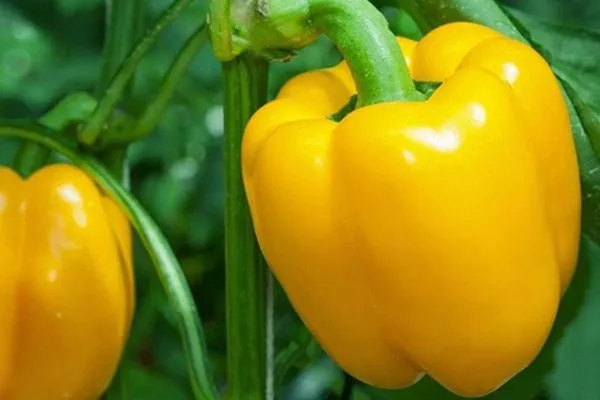
- the shape of the fruit is smooth and rectangular-cuboid, with equal ribs;
- weight – from 150 to 200 g;
- length – from 10 to 14 cm;
- number of seed chambers – from 3 to 4 units;
- fruit color is yellow-golden;
- walls – thickened, from 6 to 8 mm;
- the peel is glossy and smooth.
Characteristics
This variety is considered mid-early, ripening between 95 and 120 days after the first shoots emerge. It is characterized by uniform germination and ripening, so harvesting is not a drawn-out affair.
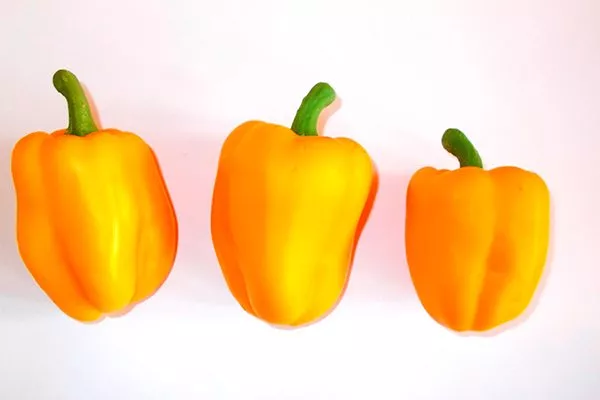
The vegetable can be eaten fresh as early as early July, but at this time it still has a dark green hue (but still has a pleasant taste). Harvesting ends in August.
Other characteristics:
- Productivity. Considered high-yielding, experienced gardeners harvest 7 to 9 kg per square meter. Unlike other varieties, the King of the North yields the same whether grown in greenhouses or open beds.
- Climate and conditions. Any type of soil is suitable, as the bushes easily adapt to sudden cold snaps and shade. This stress-resistant plant does not tolerate drafts but prefers abundant sunlight.
- Disease/pest resistance. The plant's immunity is average, so preventative treatments are essential. To achieve this, spray three times with insecticides and fungicides in the spring. The most universal option is Bordeaux mixture.
Particularly dangerous are tobacco mosaic (viral disease), verticillium wilt and fusarium.
Purpose and taste
The King of the North boasts excellent culinary qualities—its flesh is not only tender and juicy, but also very sweet and aromatic. It's also waterless, allowing home cooks to preserve it dry.
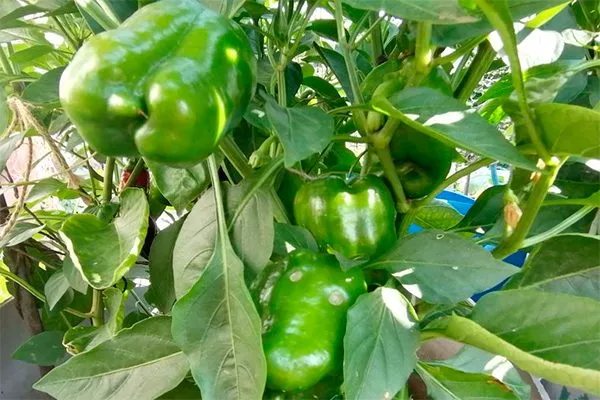
Thanks to the even and uniform shape of the peppers, they are considered ideal for stuffing. They are used to prepare cold appetizers and hot dishes, as well as pickled and canned peppers. This variety is also suitable for long-term freezing.
Advantages and disadvantages
Sweet pepper consumers value this variety for its impeccable taste, but gardeners have their own criteria.
Landing features
This variety is planted only using the traditional seedling method. It's much more important to pay attention to the transplanting conditions:
- no more than 5 bushes should be placed per 1 sq.m.;
- diagram – 50x35 cm;
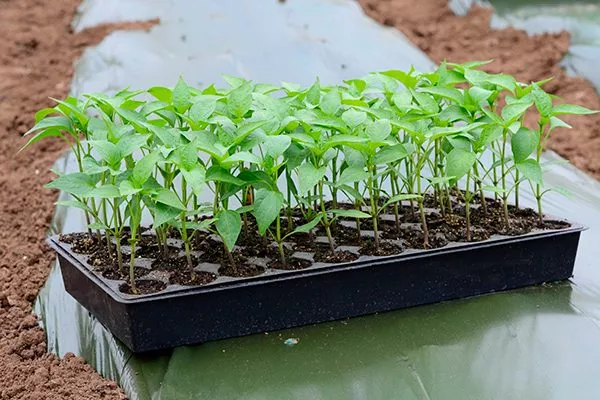
- Sowing of seeds is carried out 65-70 days before transplanting into open beds or a greenhouse.
Plant care and formation
Agrotechnical measures are simple, but take into account some varietal characteristics (requirements):
- Water only at the roots using a drip system;
- frequency of humidification – once every 3-6 days, depending on the weather;
- Greenhouses require ventilation, so if there is no appropriate system, open the room for ventilation;
- fertilizing is needed every 2-3 weeks;
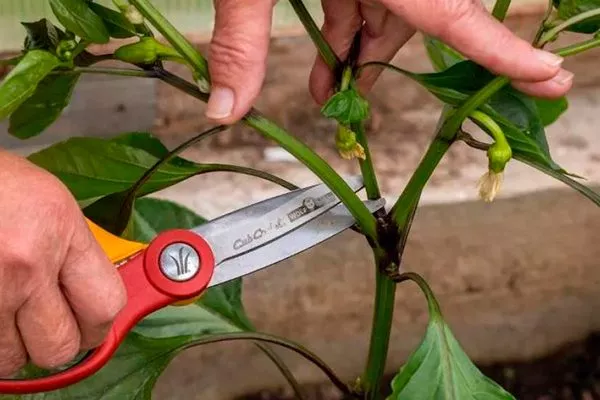
- Formation is carried out in two stems.
- The first feeding is 2 weeks after planting the seedlings - with nitrogen fertilizers.
- The second feeding during the flowering period is with potassium-phosphorus fertilizers.
- The third feeding during fruiting is with complex fertilizers.
Reviews from vegetable growers
The King of the North pepper is a cold-hardy variety of sweet pepper. It's not a hybrid, so you can collect the seeds yourself, which is especially important for many gardeners. Grown from seedlings, it thrives both in open ground in the south and in heated greenhouses in the north. In other regions, a plastic cover is sufficient.