
The Kolobok pepper is a member of the sweet Gogoshara (Ratunda) variety and is considered high-yielding, early-ripening, and easy to grow. It comes in two varieties: yellow and red. It can be planted in open ground, greenhouses, or under plastic, but many residents of high-rise buildings manage to harvest it even from pots.
Description of the Kolobok pepper variety
According to one version, Kolobok originated in Moldova (Tiraspol), but other sources claim that the variety was developed by a domestic breeder, Yu. I. Panchev. The pepper was bred in 1979, but was only added to the state register four years later.
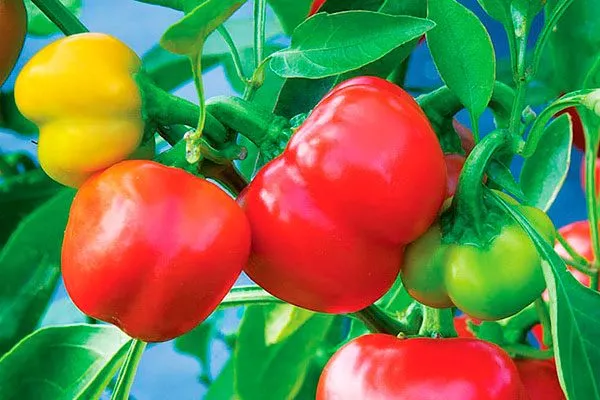
Pomological description of Kolobok – species
| Name | Fruit color | Taste | Disease resistance |
|---|---|---|---|
| Red | Red | Sweet | Moderate |
| Yellow | Yellow | Soft | Low |
Kolobok is divided into 2 subspecies:
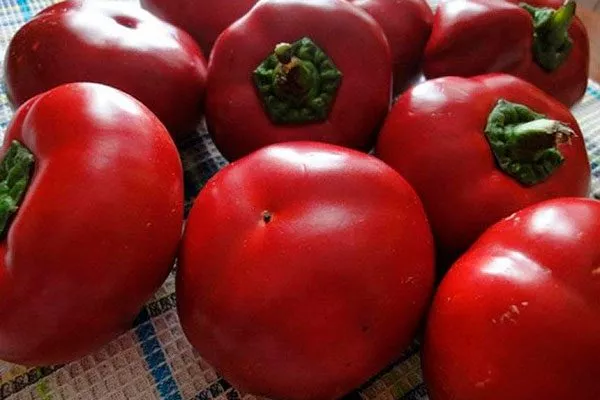
- Red. The most common variety, it is characterized by increased sweetness and a rich red hue. Its flavor and aroma are pronounced.

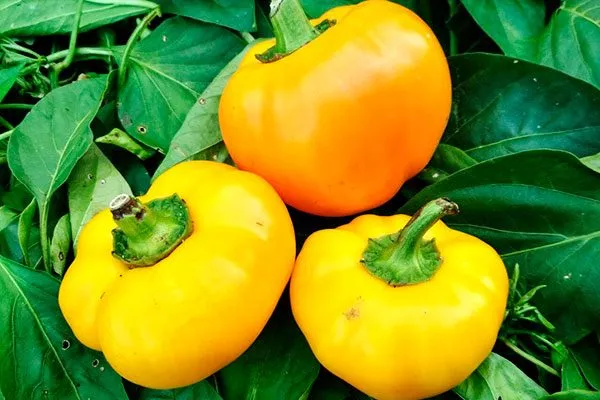
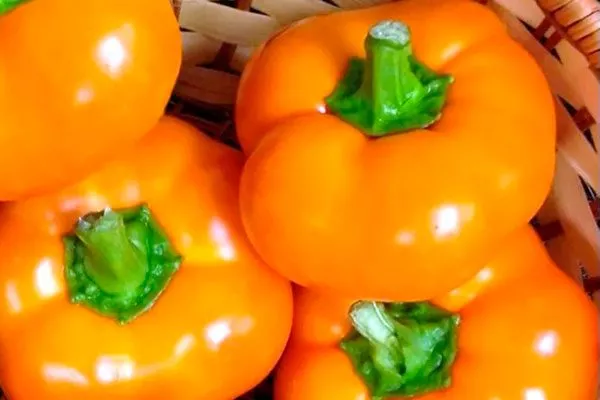
- Yellow. It differs not only in color, but also in taste - the pulp is not so sweet, the taste is mild.
Characteristics of fruits and plants
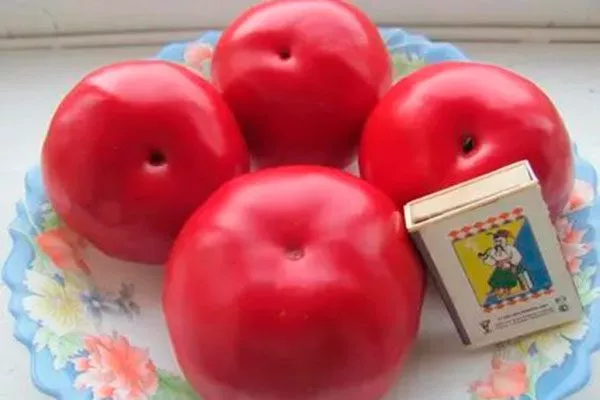
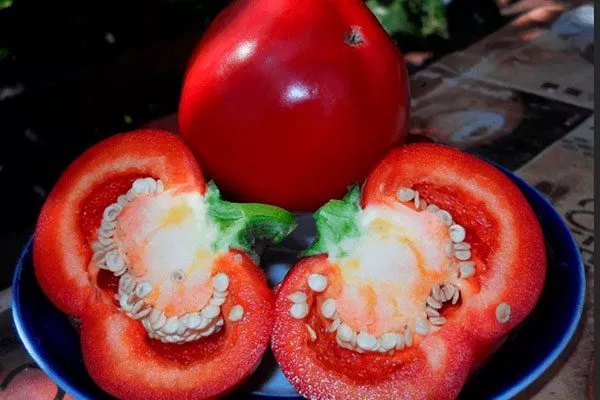
Peppers, like any other rotunda, have a round shape with no texture, so they resemble tomatoes from a distance. They also have other distinctive features:
- shrub - semi-standard determinate type, low-growing, reaches a maximum height of 40 cm;
- shoots are strong and thickened, highly branched;
- ovaries - bacon;
- leaves - slightly corrugated, bright green;
- foliage – dense;
- fruit size – diameter about 7 cm, weight from 100 to 165 g;
- wall thickness – from 8 to 20 mm;
- taste – sweet, without spiciness or bitterness;
- internal space – almost absent due to the thickness of the walls;
- the pulp is crispy and juicy;
- The skin is dense and resistant to cracking, with a glossy surface.
Main characteristics of Kolobok
The peppers' rich color makes them ideal for garnishing dishes. They are versatile vegetables, used for pickling, canning, freezing, stuffing, and preparing hot and cold dishes. A special feature is that they retain their shape when baked.
- ✓ Provide plants with access to direct sunlight for at least 6 hours a day.
- ✓ Maintain soil pH between 6.0-6.8 for optimal nutrient absorption.
Other characteristics:
- Ripening period. The variety is considered early maturing, so from the moment the first shoots appear until harvest time, a minimum of 110 days, a maximum of 140 and even 180 days pass. The number of days is influenced by climate, current weather, and care conditions.
- Productivity. The minimum yield per square meter is 2.3 kg, while the maximum recorded is 6 kg. However, this requires enhanced agricultural practices.
- Regions for cultivation. Initially, the goal was to zone it for the North Caucasus, but over time, the variety began to be grown throughout Russia and the former CIS countries, as far as Siberia and the Urals. However, in the latter case, planting is first done using seedlings, after which the young bushes are transferred to heated greenhouses.
- Climate conditions. The region must have full sunlight throughout the main growing season. If the summer is cloudy, the fruits will not have time to absorb the necessary sweetness.
- Drought resistance. Peppers usually tolerate short-term drought well, but Kolobok doesn't like it, so watering is done frequently.
- Cold resistance. It is not advisable to expose plantings to sudden temperature changes; during such periods, plants need to be insulated.
- The need for shading. Pepper prefers exclusively sunny areas, but in the afternoon the rays have a negative effect, so light shading is recommended.
- Resistance to diseases and pests. Resistance is only to tobacco mosaic blossom-end rot. Fusarium wilt and anthracnose are also common. This is because Kolobok is a cultivar, not a hybrid. Therefore, preventative fungicide treatments should be carried out in early spring. Fitosporin is an excellent choice.
Common pests include aphids and whiteflies. These are controlled with insecticides. - Transportability. The variety shows high results – it can be transported over long distances, up to 2-week trips.
Landing
Kolobok is grown exclusively from seedlings, which reduces the ripening time. There are a few special considerations:
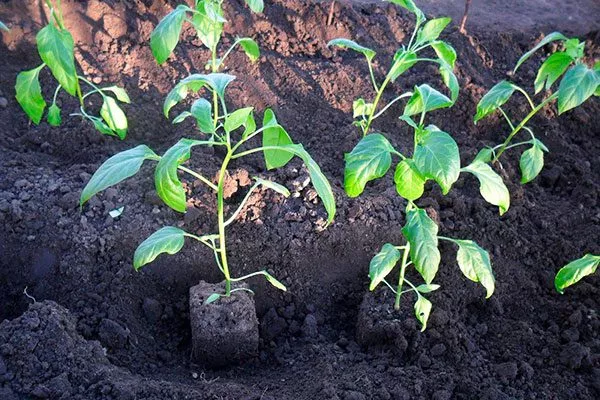
- Deadlines. Sow seeds between March 10th and 25th, and transplant into open ground or greenhouses between May 10th and 25th. This means exactly two months should pass from sowing.
- Features of sowing. The seeds are planted 5-10 mm deep in individual containers to avoid picking. The variety has a good germination rate, with sprouts appearing within a week.
- Transplanting seedlings. First, select a plot where pumpkins, beets, peas, or beans were previously grown. Cucumbers should not be planted after the previous plot. The recommended planting pattern for a greenhouse is 30x50 cm, while for open ground, it's 40x60 cm.
- ✓ Optimum soil temperature for sowing seeds: not lower than +15°C.
- ✓ The need for pre-sowing treatment of seeds with fungicides to prevent fungal diseases.
Care instructions
Please note the specific care measures for this pepper:
- Watering. In greenhouses, water the bushes every 2 or 3 days, but be sure to ventilate the area. In open beds, watering once every 4 days is sufficient, but mulch should be applied to maintain the desired moisture level.
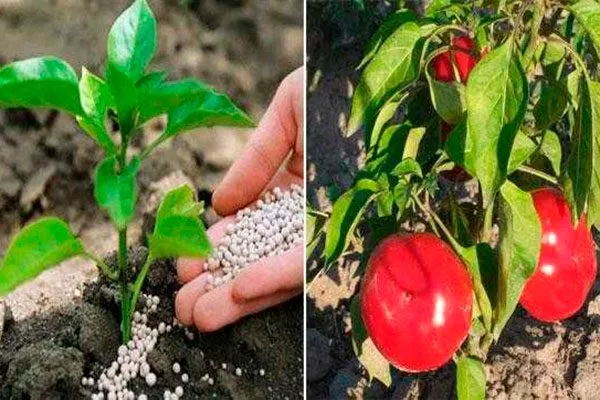
- Top dressing. Fifteen days before replanting, add organic matter, just as you would to the planting holes outdoors. During flowering and fruiting, mineral supplements are required.
- Pruning, garter, shaping. Kolobok has strong shoots, so they are not tied up or pruned.
Advantages and disadvantages of the variety
The main advantage of this variety is the ability to collect your own seeds, but there are other positive qualities as well:
There are no critical downsides, but the bushes are prone to fungal diseases and are sometimes attacked by pests.
Harvesting and storage
It's best to harvest the peppers when they're technically ripe, rather than biologically ripe, so they'll keep longer. The minimum shelf life in cool conditions is 15 days. However, wrapping each pepper in paper doubles the storage time.
Reviews
The Kolobok pepper is characterized by excellent flavor, early ripening, and high yields. Since this variety is not a hybrid, it is sometimes susceptible to disease. The key is to avoid mistakes in cultivation and maintain soil moisture, as the pepper is extremely drought-sensitive.