
Cayenne pepper is one of the most popular spices in Asian cuisine. Compared to black or red pepper, it's not used as often in our country. Cayenne pepper is characterized by a deceptively mild aroma and a fiery flavor. Growing this crop in your garden is not difficult; you just need to follow the basic cultivation guidelines.
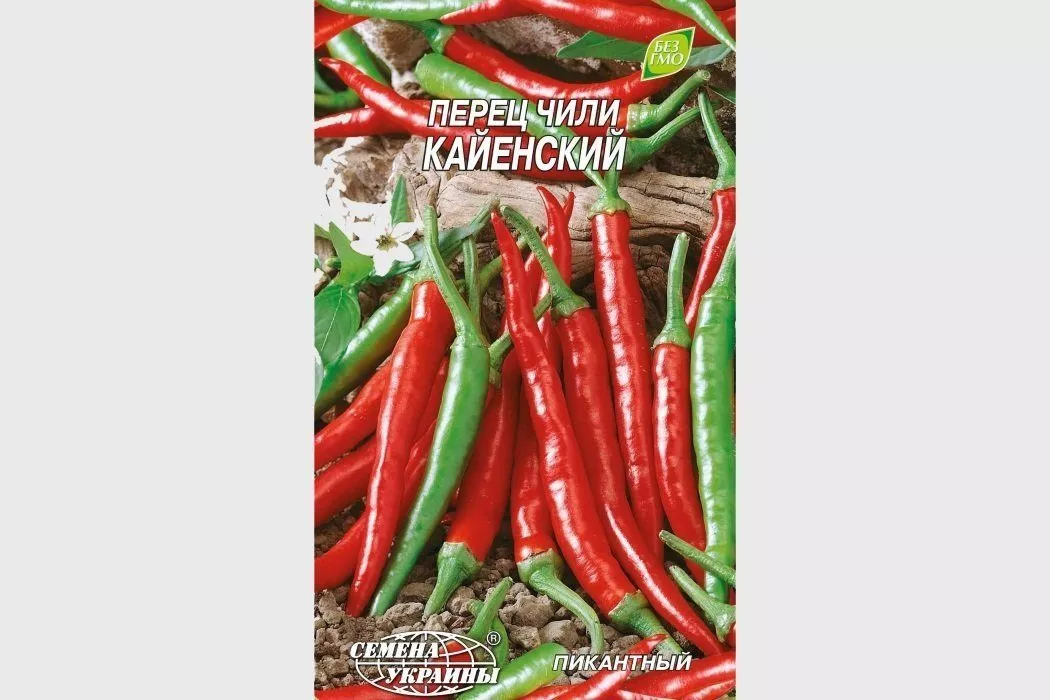
Cayenne pepper seeds
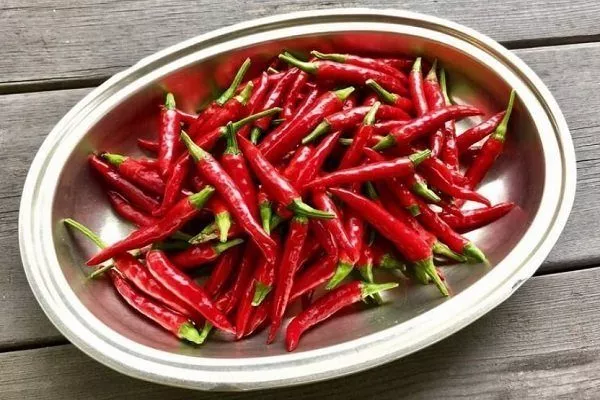
Cayenne pepper
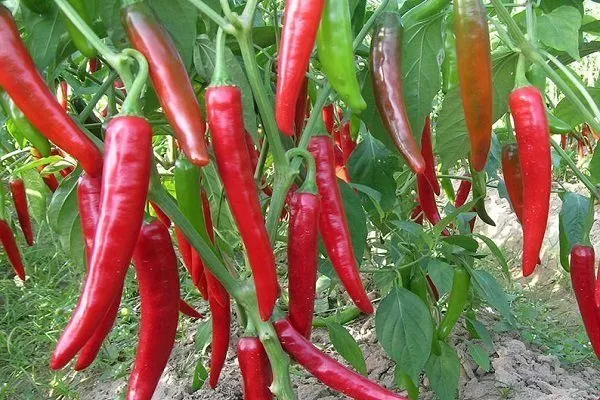
Cayenne pepper has a hot taste.
History of Cayenne Pepper
Cayenne pepper has been cultivated in Mexico and South America for many years. However, the island of Java and parts of South India are considered the historical origins of this crop.
Native American tribes consumed it as a delicacy, just as we eat fruit. Even then, the Indians believed that these fruits had medicinal properties and would protect the body from any illness.
Red cayenne peppercorns were first introduced to Europe by Christopher Columbus. They were brought by the Spanish explorer and immediately gained popularity as an inexpensive alternative to black pepper. At that time, black pepper was extremely popular among the European population and was perceived as an extremely valuable spice due to its scarcity.
Cayenne pepper, brought from the West, solved several problems at once. It added variety to familiar dishes and allowed more people to acquire this spicy spice at a low price.
Today, cayenne peppers are grown in Mexico and China. However, East Africa, which imports cayenne pepper worldwide, is the leading producer of this crop.
Description and characteristics
Chili pepper is a term commonly used to describe any pepper with a pungent, even hot, flavor. Cayenne pepper falls into this category. Therefore, the terms are used interchangeably.
Cayenne pepper is generally classified as a member of the nightshade family. Today, there are many different varieties and cultivars of this plant. They can vary in skin color and fruit shape.
Appearance
The fruit comes in three shades: green, yellow, and the familiar red. Sometimes, dark brown fruit is also found.
An unripe pepper pod has a light greenish skin. It is also commonly eaten, and is called a pepperoni. Depending on growing conditions, the pepper can range in length from 3 to 12 cm. Its shape can vary widely, including cherry, olive, or heart.
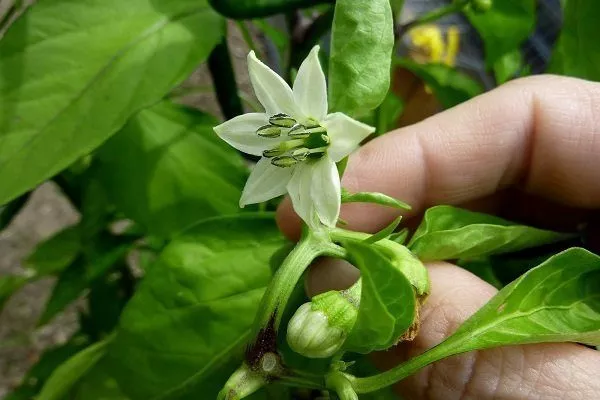
The shrub is a dense, branched plant that can reach 1 m in height. It blooms continuously, so it will delight the eye with its bright, miniature flowers.
Taste and smell
The heat of cayenne pepper is directly related to its variety. A special heat scale, named after the American chemist Wilbur Scoville, was even developed for the plant's fruit. It allows for comparison of the degree of heat produced by different pepper varieties. Cayenne pepper typically reaches 45,000 units.
An interesting fact is that the spiciness and mouth-burning taste of chili peppers can be felt even when diluting 1 g of pepper in 1,000 liters of water.
What's especially appealing to chefs around the world about cayenne pepper is its aroma. It imparts a unique flavor to even the simplest dishes. It's all down to a special substance called capsaicin, found in the seeds, skin, and stems of the pepper.
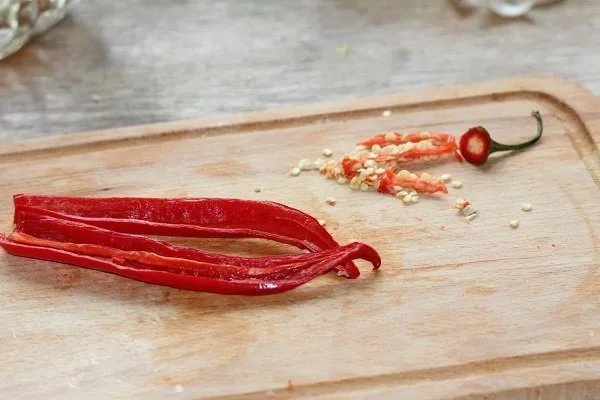
The pepper's distinctive bitterness and pungency are largely due to the seeds. Removing them can significantly reduce the burning sensation. Scientists have noted that by regularly adding red chili peppers to the diet, the body becomes accustomed to the fruit's unique bitterness and subsequently experiences less discomfort.
Beneficial and harmful properties
As mentioned earlier, cayenne pepper has numerous beneficial properties for the human body. Let's consider a few of them:
- Contains a large number of vital micronutrients—riboflavin, potassium, iron, niacin, and magnesium. Contains small amounts of vitamins A, E, K, and C.
- Pepper pods have a warming effect on the body, stimulating blood flow and dilating blood vessels. In medicine, they are often used as part of mustard plasters or ointments.
- An infusion prepared from the fruits of this plant helps relieve headaches and promote the restoration of inflamed tissues.
- Daily consumption of a small amount of dried chili has a positive effect on male potency.
- The fruits have an antimicrobial effect, helping to eliminate fungus and harmful microorganisms. Chili is often included in ointments for fungal infections under the nails or on the feet.
- Consuming chili as a spice can be prescribed to people prone to frequent allergic reactions and spasms in the gastrointestinal tract.
- Adding chili to your diet helps strengthen the immune system and purify the blood.
- It has a positive effect on the body in cases of heart and vascular diseases. Cayenne pepper consumption has been shown to reduce the risk of heart attack.
Red pepper pods should be used with extreme caution, as excessive use can have the opposite effect. Cayenne pepper is contraindicated for people with ulcers, digestive disorders, or kidney problems.
How to grow cayenne pepper?
For many years, chili peppers were considered exotic in our country and were imported exclusively as a ready-made spice. However, recently, more and more skilled gardeners are cultivating this crop themselves.
Caring for red chili peppers is very similar to growing vegetables like bell peppers or tomatoes. In either case, greenhouse conditions and regularly maintaining high humidity are required.
You can find out about growing chili peppers on a windowsill here.
Germination of seeds
Pepper seeds won't germinate unless they're germinated first. The germination process takes about 9-10 days, no more. The step-by-step process is as follows:
- To begin, place the seeds in a cheesecloth or piece of cotton cloth.
- Then place the seeds in a warm, draft-free place. Moisten the cloth regularly, ideally every 4-5 hours. The warmth and humidity will promote swelling of the seeds.
- After a few days, the seed will germinate. As soon as this happens, it should be planted immediately in fertile, pre-loosened soil to allow air to reach the roots. Plant only those seeds that have developed strong, healthy roots. Only then can you hope for good germination. Any remaining unsprouted seeds that haven't germinated within 7 days should be discarded immediately.
- Plant the prepared seeds in any available container. This process is best done in late February. This is because this crop is highly dependent on sunlight and requires good lighting. Choose a location where the container with the seedlings will receive maximum daylight.
- Moisten the soil and cover the container with plastic wrap to create a favorable microclimate for the peppers. The greenhouse effect will stimulate rapid growth and development of the seedlings.
- As soon as you notice two or more unfurled leaves on the seedlings, transplant them. To do this, prepare individual pots and transplant the seedlings.
- Once the seedling reaches a height of 12-16 cm, it can be transplanted into open ground. Alternatively, a larger flower pot can be used for indoor growing on a windowsill.
- ✓ The ambient temperature should be stable within 25-28°C for optimal seed swelling.
- ✓ Use only distilled or settled water to moisten the cloth to avoid salting the seeds.
Cayenne pepper isn't demanding when it comes to fertilizers and other supplements. Fertile soil is sufficient for successful growth. If desired, you can mix a small amount of organic humus or wood ash into the soil.
Drafts and picking are irritants for plants, causing stress. Therefore, try not to disturb the seedlings unnecessarily and prevent them from freezing.
For information on germinating pepper seeds and planting seedlings, watch this video:
Planting in the ground
A seedling that reaches a height of 12-16 cm has a strong root system. This means it can adapt to new conditions and begin to bear fruit. In a greenhouse, the plant can reach a height of up to 1 m and grow into a lush, beautiful shrub.
- ✓ The presence of at least 4-6 true leaves before transplanting into open ground.
- ✓ No signs of wilting or yellowing of leaves.
Before transplanting seedlings into the greenhouse, ensure the temperature is relatively stable during the dark hours. The most favorable temperature for peppers is 8-10 degrees Celsius. To ensure successful planting of capsicum seedlings, follow these steps:
- Loosen the soil thoroughly and level it using a garden fork.
- Dig one hole in each bed, spaced about 40 cm apart. Keep a distance of 50 cm between rows.
- Water each hole generously with water (it is essential that it is warm) and add 5 teaspoons of any organic fertilizer (it is recommended to use peat-based fertilizer).
- Plant the seedling so that the root collar is level with the ground surface.
- Lightly press the soil around the planted bushes with your palm to compact it. Then mulch with dry peat moss or compost.
If the temperature drops unexpectedly, especially at night, it's recommended to attach metal arches over the seedlings. These can be used to construct a so-called shelter from industrial film or agro-fiber fabric. This will protect the plant from freezing.
The ideal soil for the successful growth and development of this crop is a mixture of sand, humus, and loam in equal proportions. Many people purchase ready-made mixtures designed for growing tomatoes. This is because both crops are similar in many ways and require similar conditions.
According to gardeners' experience, the plant has largely adapted to the environmental conditions of our country, including the composition of the soil.
Selecting a location and lighting
Without the right conditions, the plant won't begin to bear fruit. It will continue to bloom, and visually it may appear to be growing. But the red, hot peppers will never appear. The first thing to consider is choosing a location.
Unfortunately, in our country's cold climate, growing fruit-bearing cayenne peppers is virtually impossible. Seedlings planted in open beds (where temperatures fluctuate several times in a 24-hour period) will die within a relatively short period of time. Therefore, allocate the necessary amount of greenhouse space for peppers.
Loosen the beds to make them taller. Make sure the selected side of the greenhouse receives sufficient sunlight. The greenhouse should be closed most of the time.
Plant care
Growing cayenne pepper in a greenhouse isn't as difficult as it might seem at first glance. Much of the care for this crop is similar to standard greenhouse vegetable care:
- As the plant develops, pinch off side shoots and promptly remove shoots from the roots.
- Maintain soil aeration. This is a key requirement for cayenne pepper to produce fruit well. After each soil moistening, which compacts the soil and reduces its aeration, remember to thoroughly loosen the soil around each plant. Achieve a good 5-7 cm of soil aeration to ensure adequate airflow to the root system.
Please note that ovaries tend to form near the plant's stems. To ensure large ripening peppers, thin out the inflorescences as often as possible. Only keep the strong and healthy ones.
Watering
Long before the bush begins to bloom vigorously, water the plant every 7 days. Calculate the required amount of water in advance – 11 liters of liquid per 1 square meter of cayenne pepper planted area. During warmer temperatures and scorching sun, water twice a week.
Flowering and fruiting are the stages when red peppers require increased amounts of water. Therefore, water every three days. Water the plant only at the root zone. Never allow water to come into contact with the leaves.
Trimming
When all the growing conditions for cayenne pepper are met, the plant naturally develops into a strong, lush bush. It blooms and bears fruit regularly. If desired, you can lightly pinch the tips of the young plant to encourage bushier growth. However, for those who prefer larger, more robust chili peppers, it's recommended to regularly remove several flower heads.
Storing peppers
There are many ways to extend the shelf life of chili peppers. The preferred storage location for hot peppers is a cool, dark place or refrigerator. The peppers should be hermetically sealed in a plastic bag beforehand. Store the pods this way for no more than 14 days, and eat them fresh if needed.
If you need to store cayenne pepper for a longer period of time, we recommend using the following freezing method:
- To begin, sort your entire supply of green beans into small portions. Estimate the approximate amount you can use at one time. This is necessary so that you can access the required amount without defrosting the remaining stock, and avoid refreezing the vegetables later.
- Then chop it into large or small pieces, depending on your preference. Don't forget to rinse the pods first.
- Divide into plastic bags or containers and place in the freezer compartment.
To reduce the heat of cayenne pepper slightly, remove all seeds before freezing.
Drying is another equally popular method for preserving red pepper pods. It's also the easiest way to extend the shelf life of a large batch of peppers. Tie the pods to a clothesline with string and leave for several days. Make sure the pods don't touch each other. Drying is recommended in a well-ventilated area with access to sunlight.
If you don't have a few days to let the chilies dry naturally, use a gas or electric stove. Rinse the peppers in cool water, then pat them dry with a towel to remove excess moisture. Many home cooks agree that it's best to cut the chilies into small pieces and remove the stems. However, this isn't necessary.
Line baking sheets with parchment paper and arrange the chili peppers in a single layer. Place the baking sheets in the oven for a few minutes. The oven temperature should be at least 122 degrees Fahrenheit (50 degrees Celsius). Leave the oven door slightly open—this will allow the chili peppers to dry evenly rather than overcook.
Store dried pods in airtight containers in a dark place at room temperature. A regular glass jar with a plastic lid is preferred.
Prevention of diseases and pests
There are plenty of harmful insects ready to feast on the juicy fruits and leaves of cayenne pepper. The most common are cutworms, aphids, whiteflies, and Colorado potato beetles. Fortunately, gardeners can easily get rid of their destructive presence.
Wood ash is used as a preventative measure. Once a month, shrubs are covered with a light layer of wood ash. This protective layer repels pests, making the plant less attractive to them.
If harmful insects have appeared and have already damaged the plant, you should use homemade repellent infusions (soap, onion, and garlic), which are prepared using the same principle. The main ingredient is crushed and diluted in water at a ratio of 1:10. The resulting solution is sprayed on the affected shrubs using a spray bottle.
Because this "hot" crop has a fairly long growing season, the plant is susceptible to various fungal diseases. The most common among all chili varieties is late blight. Several effective biological treatments have been developed to combat its harmful effects: Pentaphage and Gaupsin.
Ways to Eat Cayenne Pepper
In the culinary world, cayenne peppers have long found their use as a spice, adding piquancy and pungency to any dish, even the most simple:
- They are added fresh and dried to meat and vegetable dishes, sauces, marinades, and salad dressings. Ground hot pepper is used to season first courses, light salads, and, perhaps lesser-known, kefir and yogurt.
- Small whole pepper pods are added to soups, vegetable stews, and pilafs. For those who love spicy dishes, chili is even added to chocolate desserts. The main advantage of cayenne pepper is that it retains its beneficial properties even after several heat treatments.
- Ground chilies are typically used in pastas and fish dishes. Dried hot peppers are used to flavor vinegar and olive oil for salad dressings.
- Since not everyone can appreciate the fiery spiciness of cayenne pepper in food, it is often added as an auxiliary ingredient to a set of spices.
When combining ingredients such as garlic, dried dill, bay leaf, basil, and coriander, the pepper's spiciness perfectly complements this aromatic ensemble. The most widely available spice sets that include cayenne pepper are "Curry" and "Khmeli-Suneli." - Chili peppers are prevalent in Asian and Mexican cuisine. The most celebrated dishes in which chili peppers are a key ingredient include chili con carne (a traditional Mexican soup), adjika, a favorite in our country, virtually any Eastern soup, pickled and stuffed peppers, and classic chili sauce.
For a video review of the Cayenne pepper variety, watch the following video:
Reviews
Because this crop is completely unpretentious and requires little care, gardeners and vegetable growers have largely given it positive reviews. This pepper isn't particularly difficult to grow, but it's sure to add a unique flavor to your dishes.