
The California Wonder sweet pepper variety was first cultivated in the West a century ago. Today, countless varieties of this pepper have been developed. It adapts perfectly to our climate and produces a rich and aromatic harvest. You can learn about its care and maintenance in this article.
Description and characteristics of the variety
The "California Miracle" pepper variety, despite its exotic name, has adapted well to domestic gardens. Visually, it's virtually impossible to discern any significant differences from hybrid bell pepper varieties. The fruits are large, bright red. The bushes are well-branched with sturdy stems.

California Wonder Sweet Pepper
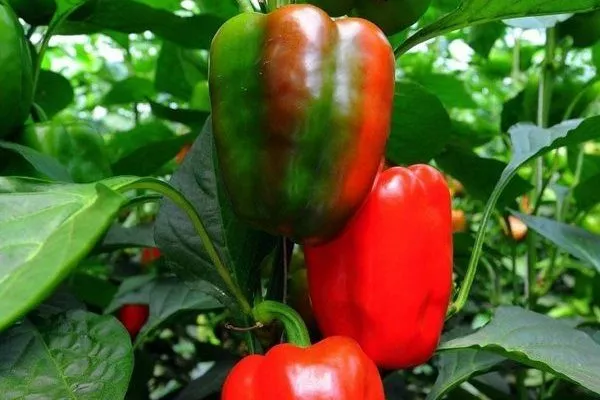
The fruits of the California Miracle can have different skin colors when ripe.
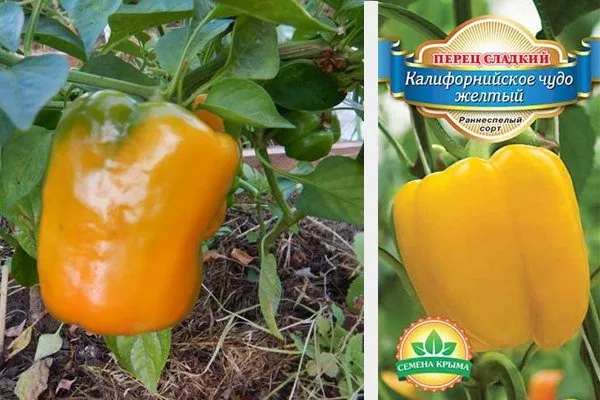
Yellow pepper California miracle

California Wonder Orange Pepper
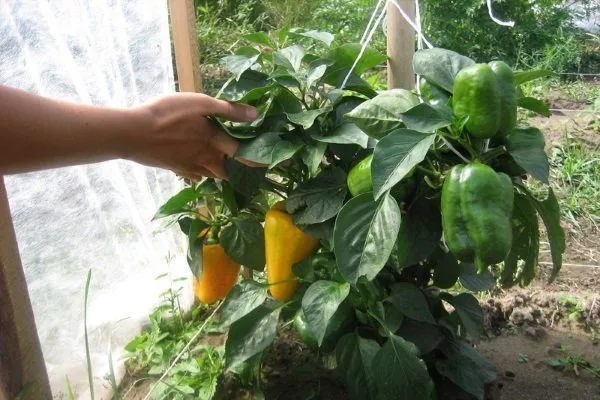
Pepper California Miracle ripe green, on the same bush with yellow

California Wonder Purple Pepper
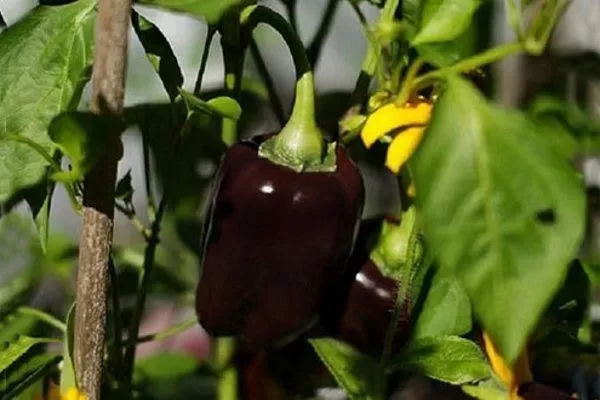
California Wonder Chocolate Pepper
Let's take a closer look at the characteristic features of this variety of sweet pepper:
- The bush is medium-sized, its height can reach 80 cm.
- The fruit typically takes on a cuboid shape during ripening. The surface is ribbed, visually divided into several segments.
- The skin is dense, shiny, smooth.
- The flesh of the California pepper is meaty, juicy, and has a distinctive sweet flavor. The walls are 9 mm thick.
- At the stage of biological maturity, the pepper acquires a bright scarlet hue, and technical maturity is characterized by a greenish tint of the skin.
One of the main distinguishing characteristics of the "California Wonder" variety is its high sugar content. "California Wonder" peppers are also known for being equally delicious fresh, stuffed, and can be used for winter preserves. Thanks to their crisp, dense skin, the peppers retain their shape even when cooked.
California Wonder Pepper Varieties
| Name | Disease resistance | Soil requirements | Ripening period |
|---|---|---|---|
| dark green | Average | Fertile, well-drained | 120 days |
| deep yellow | High | Fertile, well-drained | 110 days |
| ginger | Average | Fertile, well-drained | 115 days |
| deep red | High | Fertile, well-drained | 120 days |
| black with purple gloss | Average | Fertile, well-drained | 125 days |
| deep chocolate | High | Fertile, well-drained | 130 days |
This sweet pepper variety has another interesting feature. The fruits of the "California Miracle" can have varying skin colors when ripe. The skin color doesn't alter the pepper's flavor or other characteristics at all, but it does add visual appeal to the bush.
The following peel shades are possible:
- dark green (mistakenly taken for technical immaturity of fruits);
- rich yellow hue;
- red (the fruits visually become similar to persimmon);
- the most famous is a deep red shade;
- black with a purple sheen (very reminiscent of eggplant skin);
- deep chocolate shade that was bred a couple of years ago.
Yellow and red peppers have the greatest mass.
Advantages and disadvantages
The popularity of the California Wonder sweet pepper variety among gardeners is quite easy to explain – it offers a huge number of advantages over other similar varieties:
- excellent presentation of fruits;
- taste qualities – juiciness, meatiness, absence of bitterness;
- the ability of the bush to produce a good harvest not only in a greenhouse, but also in an open garden bed;
- the plant is quite unpretentious in maintenance;
- no need for pinching out shoots or creating supports to secure stems;
- fairly fast ripening period;
- versatility of fruit use (fresh, canned, pickled);
- Peppers have a long shelf life, which makes them easy to transport over long distances.
Vegetable crops, regardless of variety, tend to have a number of drawbacks that must be taken into account. Fortunately, "California Wonder" has minimal drawbacks.
The only significant drawback of this variety is its low resistance to infectious and viral diseases. However, this problem is relatively easy to overcome—it only requires periodic preventative measures.
Features of cultivation
There are several features that should never be ignored when growing California Miracle seedlings:
- Don't overwater the soil. Although this crop requires moist soil, excess water causes blackleg disease.
- The water used for watering the seedlings must be warm, preferably left to steep beforehand.
- Create conditions so that there are no drafts or excessively dry air in the room.
- If possible, try to extend the daylight hours for the plant. Purchase special lamps for seedlings.
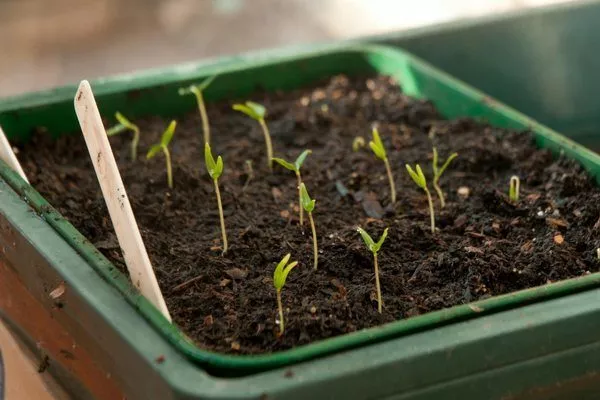
Seed preparation
Preparing the seeds is an important step before planting. The process is quite simple, yet extremely effective. Therefore, it's not recommended to ignore it:
- Soak the seeds in warm water and leave until they swell.
- After they have increased in size, wrap them in a damp piece of cotton cloth and leave for 3 days.
Such seed manipulations allow for faster and more effective germination. It has been noted that seeds planted directly in the soil take much longer to germinate and are less vigorous. The seedlings ultimately mature less vigorously and require additional fertilizing.
Planting seeds for seedlings
Planting sweet pepper seeds, especially this variety, preferably in separate containers or cups. This is because the root system of seedlings, when all the growing conditions for this crop are met, develops very actively.
Fill the containers with a mixture of fertile soil, sand, and humus in a 1:1:2 ratio. The best time to plant "California Miracle" seedlings is February. Proper planting influences the future development of the plant, its resistance to infectious and viral diseases, and the quality of the fruit.
Place the seeds in the soil, making small holes in the ground and covering them with soil. Use a spray bottle to moisten the soil and cover the container with plastic wrap to create a "greenhouse effect."
Read about fertilizing pepper seedlings in our other article.
Picking seedlings
Sweet pepper roots are much less resilient to transplantation than tomatoes or other vegetable crops. They typically require more time to recover. Therefore, it's best to avoid transplanting if possible. If transplanting is necessary for objective reasons, consider the following:
- Only seedlings that have already developed more than 3 leaves are subject to picking.
- Add a small amount of mineral fertilizer to the replanting soil. This will have a beneficial effect on the injured plant.
- Avoid watering the day before transplanting. The compacted soil around the seedling's root system will press down on the stem and pull out the roots.
Transplanting seedlings into open ground
It's best to plant sweet pepper seedlings immediately after they reach 65 days of age. Older seedlings are at greater risk of injury during planting. A few days before planting, harden the plants off. To do this, periodically take them outside or leave a window open.
Before planting, make small holes in the soil. Loosen the soil first and water the holes thoroughly. Space the seedlings at least 45 cm apart.
To retain moisture in the soil, which sweet peppers so desperately need, use mulch. This, in turn, will help keep the soil loose and breathable.
Avoid mixing hot pepper varieties with Californian (sweet) peppers. This is because both varieties can cross-pollinate, which will alter the flavor of both plants.
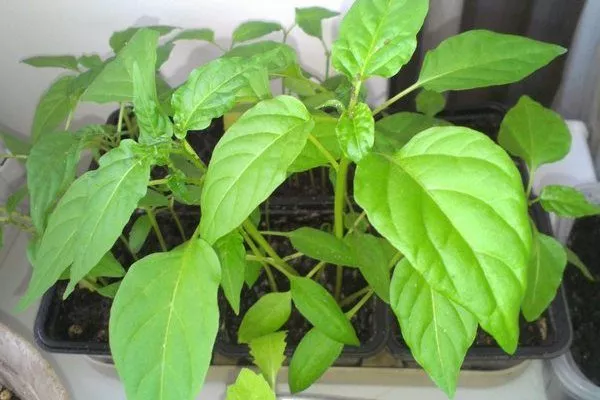
A bountiful harvest is guaranteed provided the soil is highly fertile, thoroughly dug and moistened beforehand. Don't forget about crop rotation. When planning to grow this variety of sweet pepper in open beds, the best site is a former location for onions, carrots, and various legumes.
Caring for California Wonder Peppers
Growing peppers in a greenhouse or open garden bed isn't particularly labor-intensive, but it does require attention. Proper care of sweet pepper bushes will surely reward you with a bountiful harvest within just three months.
Watering and fertilizing
California Wonder thrives on moist soil. But don't overdo it. Excess water will have a negative impact on the shrub. Water as needed, as soon as you notice the soil has dried out. Periodically loosen the soil around the entire diameter of the shrub. This will allow air to reach the root system and prevent moisture from stagnating.
Fertilizers should also be used with caution. Typically, fertilizers containing phosphorus, nitrogen, and potassium are used for good plant growth and development. No more than 45 grams of fertilizer is required per square meter. Nitrogen is applied slightly less—25 grams per square meter.
Based on the experience of long-time gardeners, the "California Miracle" variety only requires a single application of fertilizer in the spring, during the first few weeks after planting the seedlings outdoors.
Bush formation
In most cases, only experienced gardeners prune sweet pepper bushes. Beginners are convinced that even without shaping the "California Miracle" bushes, the harvest will be bountiful. However, seasoned gardeners know that proper pruning can increase yield and fruit size.
This variety is a tall plant, reaching a height of 80 cm. It's essential to thin the bushes by pinching and removing excess, non-fruit-bearing shoots. This promotes better airflow and sunlight.
Sweet pepper varieties are pruned to regulate the above-ground portion of the bush. Failure to prune in a timely manner delays fruit ripening and contributes to a decline in quality and flavor. Pepper bush shaping involves removing:
- lateral shoot on the main stem;
- flower bud;
- small sections of the main stems, especially those that produce a large number of shoots without fruit.
It's customary to leave the flower bud on the main stem so it has time to produce a shoot. The side shoot is then removed along with the flower bud. However, one leaf should be left. This ensures that each shoot has two leaves, which will allow it to feed.
Learn how to shape peppers in your garden from the video below:
Harvesting
The time for fruit harvesting directly depends on the following parameters:
- Consider the variety's ripening time. In the case of "California Miracle," this is approximately 120 days from planting in open ground.
- Considering the characteristics of a specific pepper variety. This variety is sweet, meaning the fruit ripens slightly earlier than hot pepper varieties.
- Climate in the current season.
For bushes not grown in greenhouses, the last parameter will be crucial. A heat-loving crop like peppers cannot tolerate subzero temperatures. Therefore, when the first frost arrives, all the fruit on the bushes is harvested.
Once they reach technical maturity, peppers can ripen on their own if placed in a warm room. In fact, many gardeners don't wait for sweet peppers to reach biological maturity, preferring to harvest them early.
If the shrubs are grown in a greenhouse, then harvesting can be delayed when frost sets in. However, keep in mind that consistently cold temperatures slow the growth of vegetables and stop the plant's development. Therefore, there's no point in delaying harvesting.
Another important factor is the shelf life of the California Wonder sweet pepper. The fruits of this variety have a long shelf life and can withstand long-distance transportation. However, this is only possible if the peppers are harvested before reaching biological maturity. Otherwise, it is recommended to eat them fresh, preserve them, or pickle them.
Diseases and pests
Dull and drooping leaves, often accompanied by dry edges, are a sign that the plant is in dire need of nitrogen fertilizer. If you notice purple spots on the underside of a leaf, immediately fertilize the shrub with a magnesium-based fertilizer.
There are not many diseases that the California Miracle sweet pepper variety is susceptible to:
- blackleg;
- late blight;
- macrosporiosis.
The crop is treated with chemical solutions called "Barrier" and "Zaslon." These treatments are carried out no later than two weeks before harvest.
Like any other crop, sweet peppers are also susceptible to insect pests. Typically, these are:
- aphid;
- mole crickets;
- Colorado potato beetles.
The most effective way to combat these pests is wood ash. It is applied to shrubs and the top layer of soil around the roots.
Gardeners' reviews
Despite its heat-loving nature, the "California Miracle" sweet pepper has adapted perfectly to our country's challenging weather conditions. This variety is particularly beloved by domestic gardeners for its large, sweet fruits, unique aroma, beautiful bushes, and abundant harvest.