
The Spanish Bull pepper is characterized by high yields and tolerance to a variety of growing conditions. Its fruits are juicy, sweet, and versatile – ideal for fresh eating, canning, and freezing. Their large size makes them a popular choice for stuffing. The bushes are tall, yet robust, and easy to care for.
History of breeding and description of the variety
The variety was created in 2019 as a result of selection carried out by Gavrish S. F., Kapustina R. N., Verba V. M. and Korobitsina A. A.
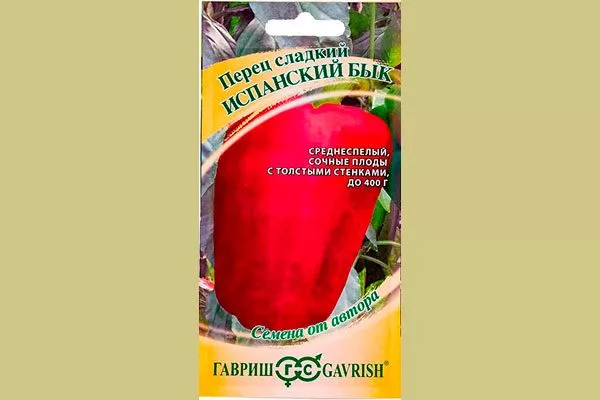
This sweet variety prefers sunny locations and produces high yields with proper care. It grows well in a variety of conditions, including open ground, greenhouses, and even under plastic covers.
Appearance of the plant and fruits
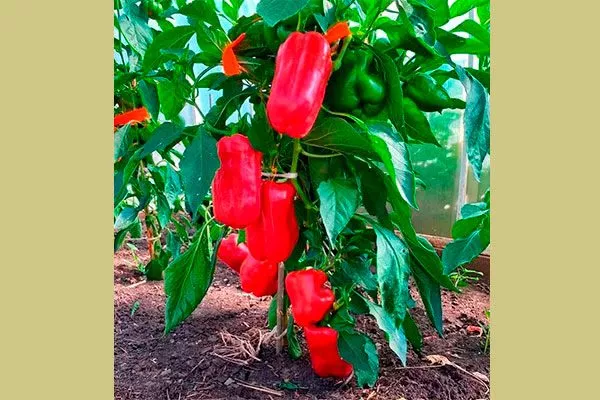
The bushes reach up to 120-150 cm in height, but in greenhouses they can grow up to 165-170 cm. Mature plants are small in size, but quite spreading, with drooping fruits.
Distinctive features of the culture:
- The foliage is dense and well-developed. The leaf blades are medium-sized, dark green, with a slightly wrinkled texture and jagged edges. The leaves have distinct veins, with the midrib usually lighter than the background. The plant has short internodes.
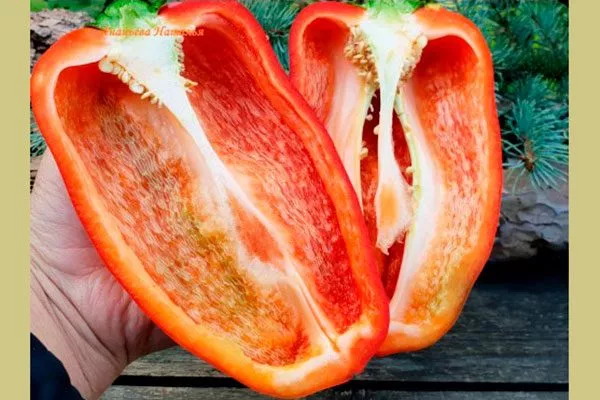
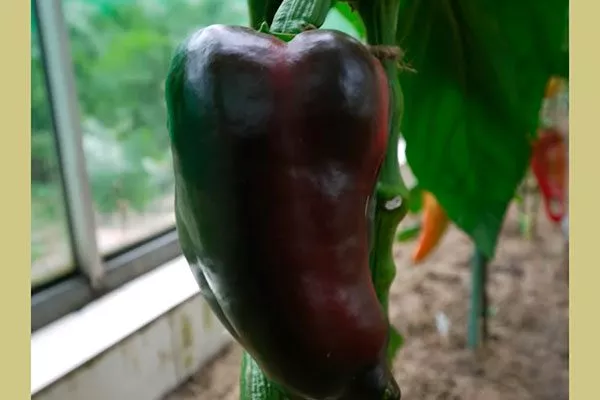
- Medium-sized, well-maintained bushes produce cylindrical, moderately ribbed fruits. Each pepper contains 3-4 chambers. The fruit walls are strong yet flexible, measuring 7-8 mm thick.
- Mature vegetables are typically 14-15 cm long, though larger specimens are occasionally found. Their weight ranges from 350 to 390 g, with some larger specimens weighing 400-450 g.
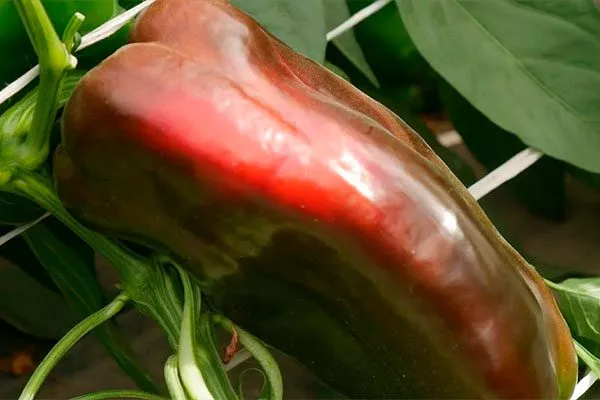
- Ripe fruits have a juicy texture. When unripe, they are dark green, turning red as they ripen. The ribbed surface of large, juicy peppers has an attractive glossy sheen.
Taste qualities, purpose
The Spanish Bull variety quickly gained widespread popularity due to the excellent taste of its fruits. The vegetables are distinguished by their sweetness and juiciness, making them versatile. The peppers are excellent for eating fresh.
They make delicious salads, vibrant appetizers, and a variety of dishes—both festive and everyday. These vegetables are used for canning, pickling, and other processing. They freeze well, retaining their nutritional properties and rich flavor.
Yield and ripening
It offers numerous advantages, but is considered a mid-late variety—it takes about 120-125 days or more from germination to fruiting. Peppers typically ripen in the late summer months.
Growing and care
The crop doesn't require much effort, but careful care will ensure high yields and healthy plant development. Start by growing strong seedlings:
- Prepare the planting material: soak the seeds in warm water for several hours to speed up germination.
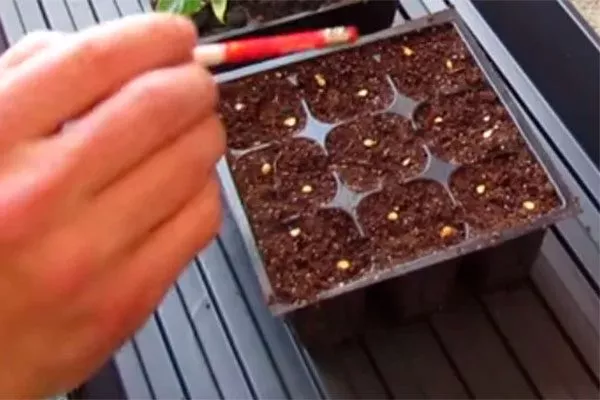
- Sow them in a container with soil in early February or March, depending on your region's climate. Use a light, nutritious soil suitable for vegetable crops.
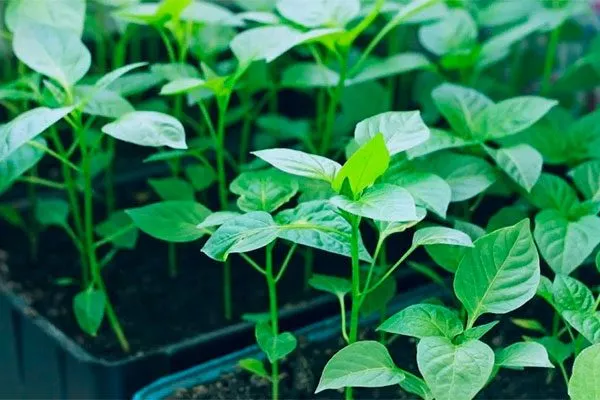
- Plant the seeds 1-2 cm deep, carefully cover with soil, and moisten. Cover the container with plastic wrap or glass to create a greenhouse effect and place it in a warm location with a temperature of approximately 23 to 25°C. Once the seedlings emerge, remove the cover and reduce the temperature to 18 to 20°C to prevent the seedlings from stretching.
Basic requirements:
- Before planting the seedlings, thoroughly dig the area, remove weeds, and add organic fertilizer—rotted manure or compost (approximately 4-5 kg per square meter). Mineral fertilizers—complex substances with phosphorus and potassium—are also recommended. The soil should be neutral or slightly acidic (pH 6-6.8).
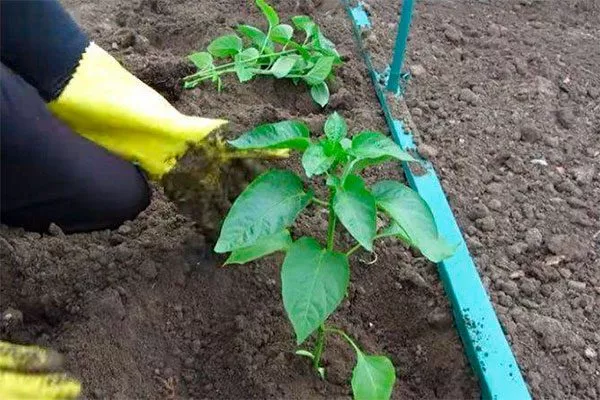
- Transplant pepper seedlings into open ground after the threat of frost has passed and nighttime temperatures have stabilized at 15–18°C. Moisten the seedlings thoroughly before planting.
- Space plants 40-50 cm apart and 60-70 cm between rows to ensure good ventilation and room to grow.
- Dig holes about 15 cm deep and add some humus or complex fertilizer.
- After planting, water the plants generously and, if necessary, cover them with plastic film to protect them from cold nights for the first few days.
To ensure your bushes are strong and healthy, producing bountiful harvests, follow these standard care procedures:
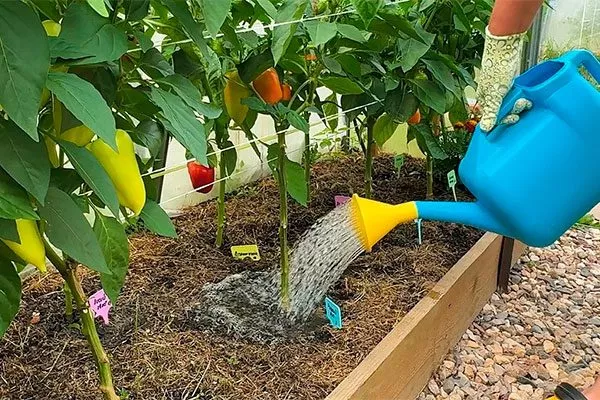
- Watering. Peppers require regular and even soil moisture. Apply warm, settled water to the roots, avoiding contact with the leaves to prevent disease.
Watering frequency: approximately once every 3-4 days, but water more frequently in hot and dry weather. The soil should be moist, but not stagnant.

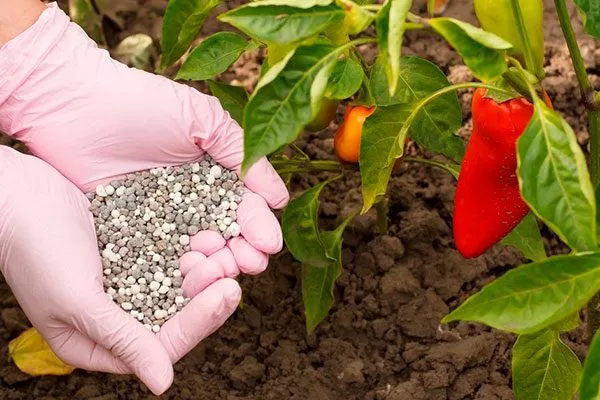
- Top dressing. Apply the first fertilizer 2 weeks after planting the seedlings, using organic compounds (infusion of mullein, bird droppings) or a weak solution of mineral substances.
Next, alternate the feedings: use complex mineral fertilizers with phosphorus and potassium to improve fruiting, and organic fertilizers to strengthen the plant. On average, apply 3-4 feedings per season. You can use wood ash to boost immunity and improve the taste of the fruit.
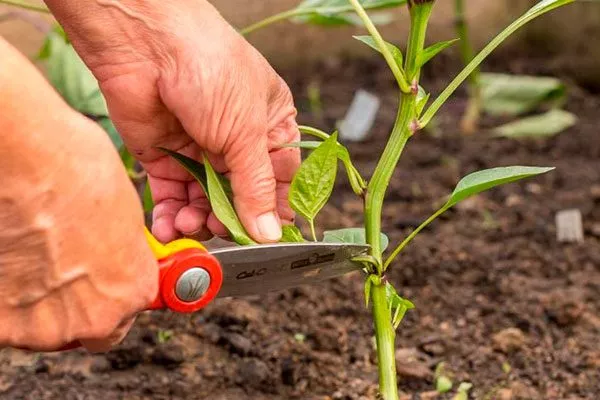
- Formation of a bush. To ensure strong and productive plants, remove lower shoots and weak buds to ensure energy is focused on developing the main fruit. If necessary, prune out side shoots to improve ventilation and light exposure.
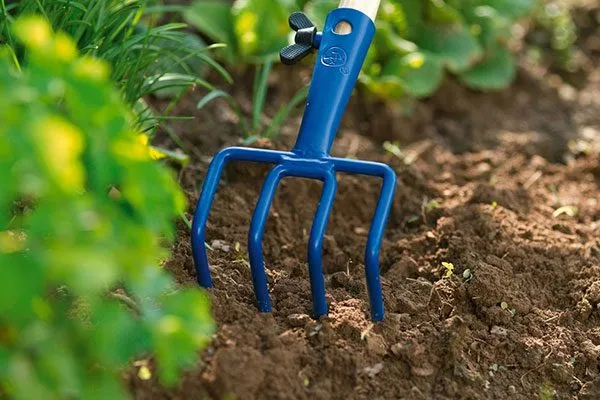
Structuring the bush promotes larger and higher quality vegetables. - Soil care. Regularly loosening the soil around plants improves oxygen access to the roots and helps retain moisture. Loosen the soil carefully to a depth of 5-7 cm, so as not to damage the roots.
Mulching with organic materials (straw, hay, peat, sawdust) reduces moisture evaporation, suppresses weed growth, and maintains optimal soil temperature. It's best to mulch after watering or rain.
Despite the crop's good immunity, plants can be susceptible to diseases and pest attacks. It's important to address the problem promptly:
| Disease/Pest | Symptoms | Methods of struggle |
| Late blight | Brown spots on leaves and stems that spread quickly, moisture and rot on fruits. | Regularly ventilate the plantings, avoid overwatering the soil, and apply fungicides (e.g., Fitosporin, Acrobat MC) at the first sign of disease. Remove affected plant parts. |
| Powdery mildew | A white powdery coating on the leaves, which gradually leads to their drying out. | Treat with sulfur- or copper sulfate-based preparations, maintain a proper watering and ventilation regime, and remove affected leaves. |
| Viral diseases (eg mosaic) | Variegated spots on leaves, deformation, reduced yield. | Destroy infected plants, spray with insecticides to control virus carriers – aphids, whiteflies. |
| Aphid | Curling and yellowing of leaves, sticky coating. | Use insecticides (Aktara, Confidor), garlic or tobacco infusions for prevention. |
| Whitefly | Small white butterflies and sticky secretions on leaves that cause rotting. | Set traps, apply insecticides, ventilate greenhouses regularly and remove weeds. |
| Spider mite | Small yellowish dots on the leaves, thin web on the back side. | Treat with acaricides, spray with water to reduce numbers, maintain air humidity. |
Reviews
The Spanish Bull pepper combines excellent flavor, firm fruit structure, and ease of care. Its mid-late ripening period is offset by a stable harvest until late summer. The variety's versatility allows it to be used in a variety of culinary applications while maintaining its rich flavor and nutritional properties.