
The Husky pepper is a variety that attracts gardeners with its early maturity and cold tolerance. It's important to learn about its key characteristics, advantages, and growing practices for both greenhouses and open ground. This plant requires proper care to ensure a good harvest.
Who developed the variety and when?
The hybrid was developed by Dutch breeders and based on the breeding work of the renowned global seed company Enza Zaden. Since 2015, it has been included in the Russian Register and has received permission for cultivation in various regions of the Russian Federation.
General appearance
It is distinguished by its accelerated fruit ripening and excellent durability. The name of this variety draws inspiration from the world of dogs, namely one of the earliest maturing breeds, adapted to the extreme northern conditions.
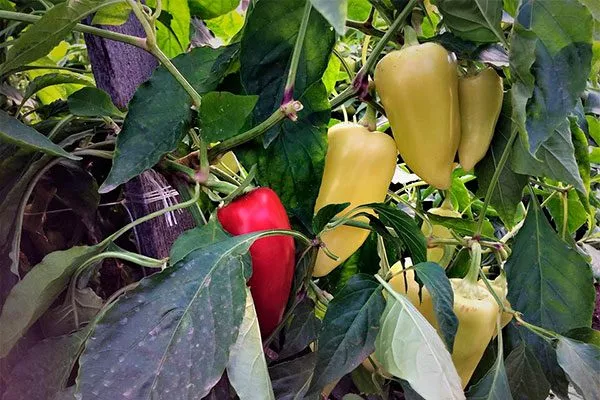
Appearance characteristics:
- It grows as a branched bush, reaching a height of up to 70 cm.
- The root system shows considerable strength and resilience.
- The stems are covered with numerous wrinkled leaves, colored a rich green hue.
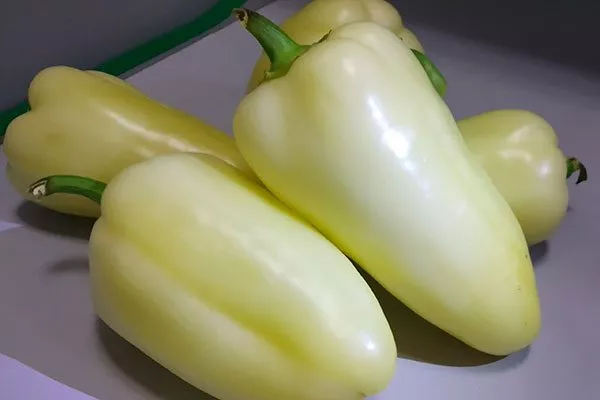
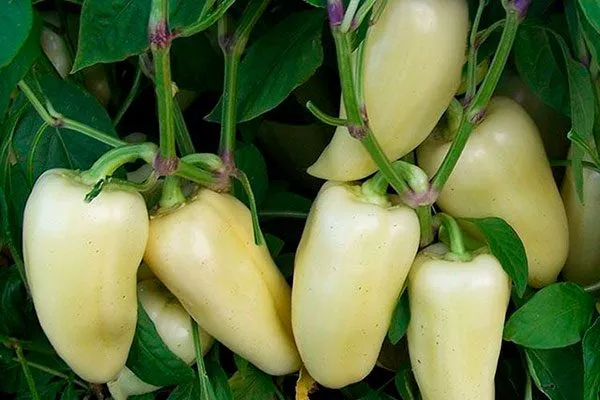
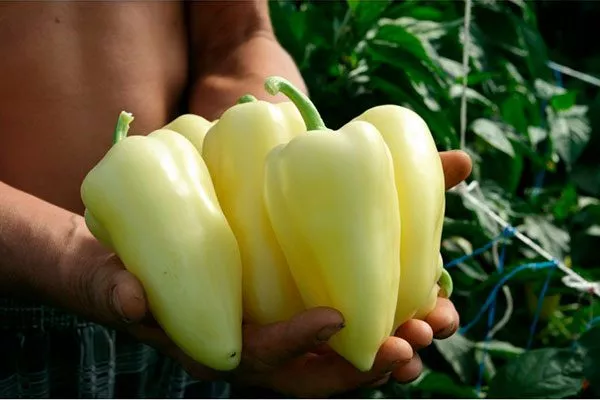
- The fruits have a conical configuration without pronounced narrowings and widenings, their surface is shiny.
- Technically ripe peppers have a milky white hue, but when biologically ripe they turn red.
The walls are quite thick, measuring 6-9 mm across. It is characterized by a rich flavor and pleasant aroma.
Characteristics
The Husky pepper has good cold tolerance, making it suitable for growing in early spring or in colder regions. It is more sensitive to frost than indoor-grown varieties, and requires protection in case of unexpected frosts.
Advantages and disadvantages
Before planting a new variety, study its positive and negative qualities. Advantages of the Husky pepper:
Features of cultivation
The seedling cultivation process begins with the expectation that they will be transplanted into the garden in 60 days. Treat the seeds with an antiseptic and soak them in a biostimulant solution. Once the sprouts emerge, distribute the seedlings among 2-3 individual pots filled with fertile soil.
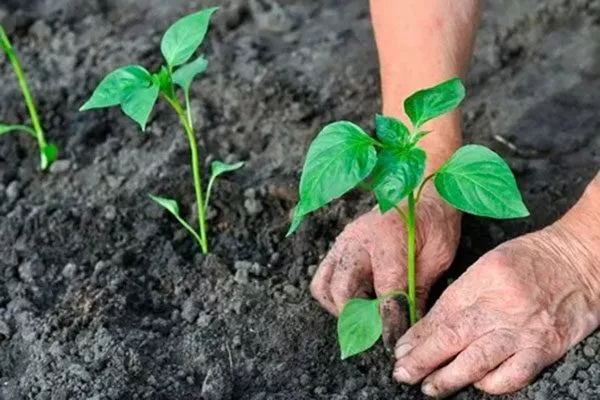
Transplant seedlings into open ground after the risk of frost has passed. In colder areas, protect the plantings with plastic film or agrotex. Provide frequent and deep watering, but avoid overwatering the roots. Apply mineral fertilizers and organic matter three times per season.
Below are the data provided for the Central Belt of Russia:
| Sowing seeds for seedlings | Planting seedlings in a hotbed/greenhouse | Planting seedlings in the open ground | Pinching out stepsons | Harvesting (in a greenhouse/in an open area) |
| End of February | Mid-May | Beginning of June | After 4 sheets | Late June-July |
Care instructions
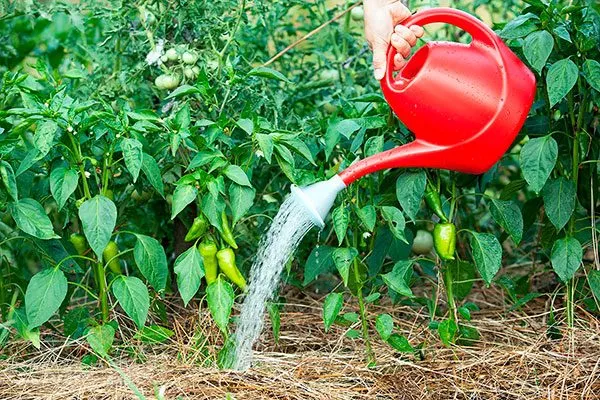
During the period of young plants, water approximately 1-1.5 liters, and during flowering and fruit formation, 2-3 liters. Fertilize the bushes with nitrogen-containing fertilizers before budding, and with phosphorus-potassium fertilizers afterward. Use Chisty List, Agricola, and Fertik at any stage of plant growth.
The hybrid is highly resistant to various diseases and pests, demonstrating excellent immunity to bacterial black spot and tobacco mosaic virus. The bushes are at risk of pest infestation:
- Aphids and spider mites. Treat infected areas with a decoction of wormwood or tansy, use an infusion of yarrow.
- Colorado beetles. Spraying with an infusion made from celandine will help effectively get rid of insects.
- Slugs. Plant parsley next to peppers – its pungent smell repels pests.
Harvesting
In a greenhouse, fruits form 100-110 days after germination. Harvesting begins in late June and continues into July, depending on growing conditions and region.
When growing outdoors, begin harvesting after the last frost has passed and the soil has warmed. This period begins in June and continues through July-August.
Reviews
The Husky pepper is a reliable choice for gardeners seeking an early and bountiful harvest. Proper planting and subsequent care will ensure the plant develops a strong immune system and thrives.