
The Habanero pepper is native to Mexico. This vegetable is among the hottest and most incredibly spicy peppers. Habaneros were first imported to China and Europe, but today the variety is the basis of the famous Tabasco sauce and is in high demand in cooking. This exotic plant requires specific growing conditions and maximum attention.
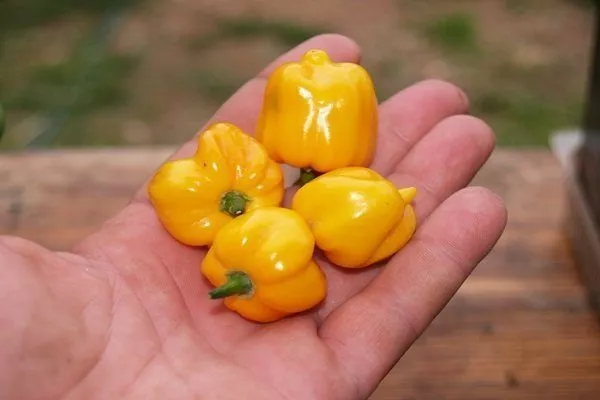
Habanero peppers have a hot flavor.
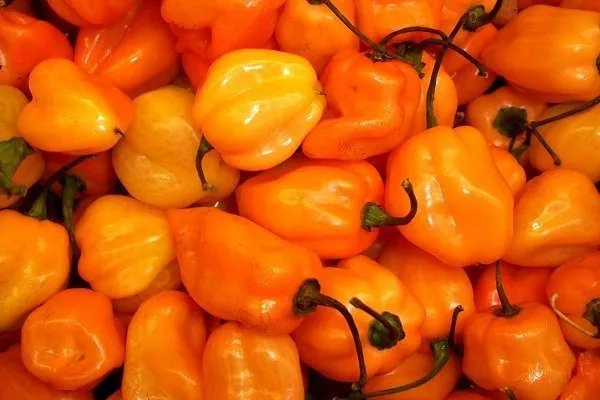
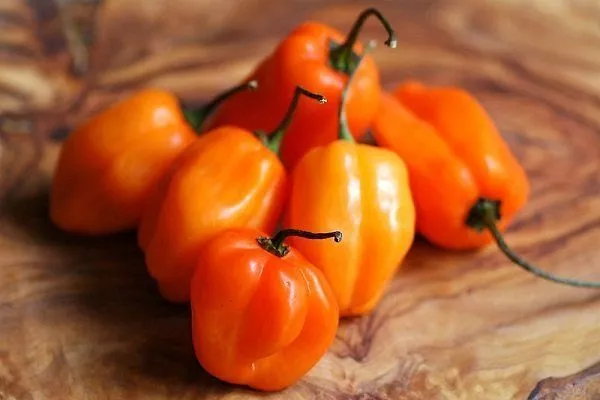
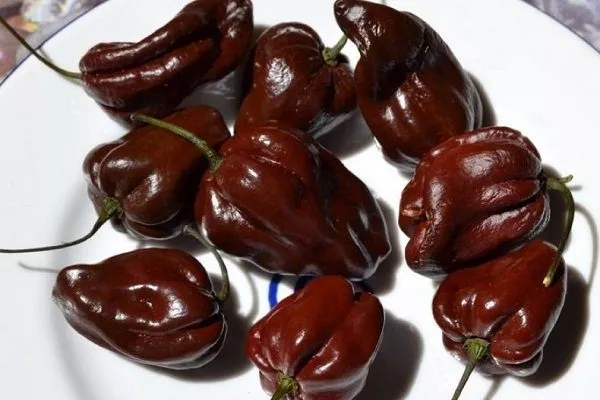
Habanero can be orange or even chocolate colored.
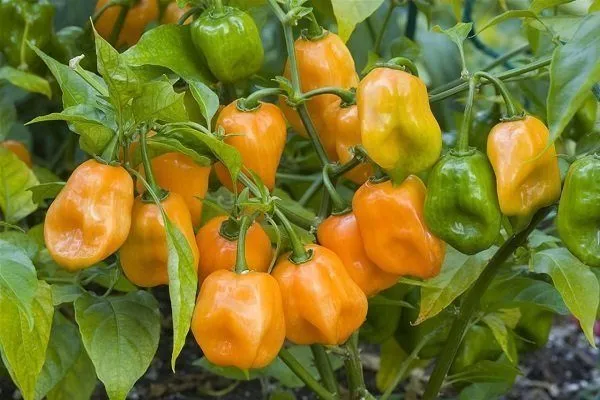
Habañero pepper
The Origin of the Habanero Pepper
The pepper gets its name from the Cuban capital, Havana. However, it may also be known by its scientific name, "Capsicum sinensis," which was given to it in the 18th century by the Austrian botanist N. Jacques. During his travels to the West Indies, the scientist discovered the incredibly vibrant and beautiful vegetable, but was convinced it had been brought to America from China.
The Habanero pepper originated in the Yucatan Peninsula (Mexico) and the Caribbean islands. In ancient times, the Mayans and Incas used the pungent fruits for both cooking and various rituals. After Columbus discovered America, this variety gradually began to conquer Eurasia and is now widely grown throughout the world.
The Mexican pepper is a tropical plant, but given the right conditions, it can be successfully grown in our regions. Habanero is often used as an ornamental plant, as it has a very attractive appearance and looks great both in a pot and in a flowerbed.
Description of the variety
The habanero is considered the hottest pepper. The peppers are harmless and very appealing, reminiscent of paprika. Because of their intense heat, they are never eaten fresh. They are often ground into a spice or used in preserves.
A distinctive feature of this species is its high yield. Most gardeners grow Habanero bushes purely for ornamental purposes. Depending on the specific variety, the fruits can be orange or yellow, but dark brown and even white are also common. This plant does not tolerate frequent watering, so it's best to water infrequently but deeply. This will ensure a consistent and abundant harvest.
Habanero is a valuable source of various micronutrients and vitamins. This hot pepper contains calcium, iron, potassium, phosphorus, and vitamins A, B, C, and D.
Characteristics of the fetus
Just one Habanero bush can produce around 90-100 small fruits per year (weighing approximately 2-3 kg). If conditions are created as close to natural as possible, it will bear fruit several times a year.
The fruits are not very large – about 2-2.5 cm in width, no more than 6 cm in length. The weight of one fully ripe pepper is between 35-55 g. The fruits are unevenly heart-shaped, the pod walls are thin, the skin is smooth, waxy.
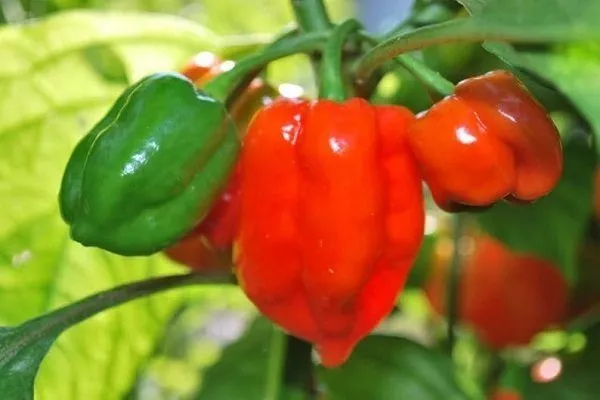
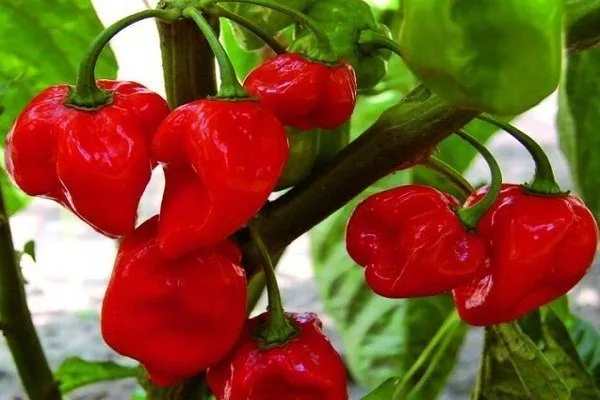
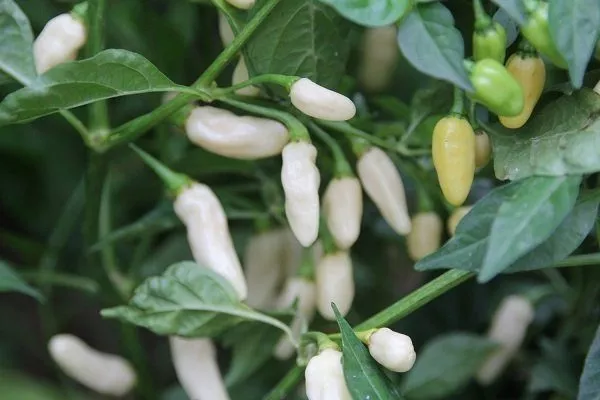
If the fruit is not fully ripe, it has a green tint. When fully ripe, the pod can be yellow, red, chocolate, orange, or white (the color depends on the specific pepper variety).
- ✓ The fruits can reach a spiciness of up to 500 thousand units on the Scoville scale.
- ✓ The bush can produce up to 100 fruits per year under optimal conditions.
Habanero is considered one of the most powerful aphrodisiacs in the world, making it beneficial for men.
Taste qualities
The habanero resembles a typical bell pepper, but is smaller. While this vegetable may seem harmless, it's actually one of the hottest foods in the world. Just a tiny bite is enough to start a veritable fire in your mouth, which can be very difficult to extinguish.
Peppers contain capsaicin, which is completely insoluble in water. Therefore, drinking water simply won't help alleviate the pain of a Habanero. The best remedy for the heat of peppers is milk. Milk protein is excellent at detoxifying the body from capsaicin.
Over a hundred years ago, the Wilbur Scoville scale was developed to measure the heat of peppers. Different varieties of Habanero can reach not only 100,000 but also 500,000 Scoville units. This value is used to determine the heat rating of the fruit.
Uses of Habanero Pepper
Habaneros should not be used in fresh salads or stews. They are used only as a seasoning, added sparingly during cooking.
It is not recommended to eat peppers raw, as this can be dangerous for the stomach.
Varieties of the variety
There are several varieties of this hot pepper. The main difference lies not only in the color of the fruit, but also in the degree of spiciness:
- Habanero Red Savina – was obtained in California. Its distinctive feature is the intense pungency and juiciness of the fruit.

- Habanero Red Caribbean – widely used in Mexican cuisine.
- Habanero Tigerpaw-nr The fruits are orange, with a pungency ranging from 260,000 to 370,000 units. The variety's main characteristic is its high resistance to nematodes.
- Habanero Fatally This variety was developed in South Africa. The fruits can be chocolate or orange in color.
- Habanero White – the rarest variety of the cultivar, difficult to grow, as it requires special care.
Features of cultivation
The volume and quality of the harvest depend on the appropriate conditions for growing peppers. They can be grown in a greenhouse or on a windowsill in your own apartment. The most important thing is to properly adjust the temperature, light levels, and humidity in the room. Creating ideal conditions will allow you to harvest year-round.
- ✓ The air temperature should not fall below +15°C at night.
- ✓ Lighting must be at least 16 hours a day; additional lamps may be used.
Lighting and temperature conditions
This hot pepper variety is a heat-loving plant. If you plan to grow it outdoors, choose a well-lit area with full-day sun. Avoid drafts and strong winds, otherwise the plant may die. Ideal growing conditions for this pepper variety are 20 to 25 degrees Celsius.
You can also grow the plant indoors. In this case, place the pot near a south-facing window. Make sure there are no cracks or drafts in the windows.
Preparing the soil and container
When planting pepper seeds, use small, opaque containers, as light can negatively impact the roots. Simple plastic cups are a good choice, but wrap them in foil first.
When growing in a greenhouse, choose small containers or plant in wooden boxes. In the latter case, place a drainage layer at the bottom of the box—fine expanded clay, crushed brick, or polystyrene foam work well.
To plant seeds, use a pre-prepared substrate. This can be a commercially available mixture. You can also make your own: mix equal parts compost with a small amount of peat, vermiculite, and perlite. Maintain the following ratio: 2:1:1. Be sure to disinfect the soil.
To help the seedlings better withstand future transplantation, you can use soil from the garden.
Seed preparation and planting timing
Before you begin planting the seeds, prepare them properly:
- approximately 25-30 days before sowing, warm the grains;
- Treat purchased seeds with a fungicide, you can place them in a solution of potassium permanganate, add a little salt, then rinse with clean water;
- do not use the grains that float to the surface after treatment with potassium permanganate, as they will not bear fruit;
- for 2-3 days, place the grains on a cotton pad and moisten with a small amount of water;
- Make sure that the grains are not only constantly moist, but also warm - as soon as they swell, they will begin to sprout.
Sow seeds approximately 9 weeks before transplanting the seedlings to their permanent location. This is usually in February.
Sowing technology
To ensure good germination of seeds, follow these steps:
- for planting, use a substrate that has been preheated to +25 degrees Celsius;
- Place the seeds at a depth of about 1 cm, but no more;
- when planting in a box, leave a distance of at least 5 cm between rows;
- After sowing, sprinkle the seeds with soil and compact them slightly;
- pour warm water;
- Cover the top with transparent film or glass to create a greenhouse effect.
The first shoots will begin to appear in approximately 2-4 weeks. Growth rate directly depends not only on the quality of the seedlings used but also on the soil composition. At night, the thermometer should not drop below 16 degrees Celsius. Moisten the soil only with warm water using a spray bottle.
For more information on how and when to sow pepper seedlings, read next article.
Caring for seedlings
Remove the film or glass when the first shoots appear. Provide the sprouts with at least 16 hours of light. You can also use lamps if natural light is insufficient. However, place the lamps at least 10 cm apart.
Regularly ventilate the room where the seedlings are located. Once the sprouts have 3-4 full-fledged leaves, transplant them into individual containers if you're growing peppers in a box.
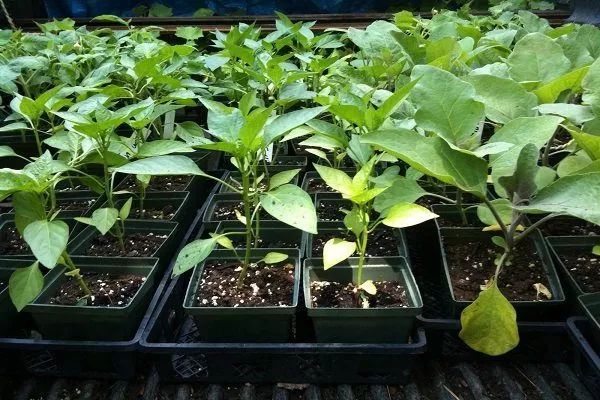
Perform the picking as follows:
- prepare separate containers, the diameter of which should be at least 8 cm;
- fill the containers with substrate;
- water the seedlings well and remove them carefully;
- pinch the root and place in pre-watered substrate;
- deepen the sprout to the cotyledon leaves, sprinkle with soil, compact it a little;
- Water and mulch with humus, you can add ash, but in small quantities.
Planting in open ground and timing
When the seedlings develop 7-9 full-fledged leaves, you can begin transplanting them to their permanent location. Ideally, the plant should be about 18 cm tall, and the nighttime temperature should not drop below 15 degrees Celsius. Late May is usually the ideal time to transplant Habanero.
Before repotting, add humus and peat to lighten the soil. Repot the plant with the old soil; this will help it cope with the difficult process and adapt more quickly to its new location.
Features of plant care in open ground
The most important thing is to ensure proper watering, pollinate and prune in a timely manner, and don't forget about the benefits of fertilizing.
Watering mode
Young plants require constant watering. However, care must be taken to avoid stagnant water, otherwise the Habanero may become diseased and die. Water the plants every 2-3 days, at a rate of 1-1.5 liters per plant.
When growing indoors, reduce watering as winter approaches—no more than once a week. In April, peppers require a lot of moisture, as this is when active green growth begins.
Top dressing
Apply nitrogen fertilizer during the active growth period. Avoid nitrogen fertilizers once flowering and fruiting begin, as they prevent fruit ovary formation and negatively impact the fruit's flavor. Follow the instructions on the fertilizer packaging.
Throughout the season, actively use phosphorus-based fertilizers, as they have a positive effect on plant growth and provide the greatest benefit to the roots. Apply fertilizer according to the proportions specified in the instructions.
Organic fertilizers are very beneficial for Habanero, with the exception of fresh manure.
Pruning and pollination
Remove the first flowers that appear. This is necessary to allow the bush to gain strength.
When grown outdoors, pollination is performed by insects. If the habanero is grown indoors on a windowsill, use a brush and manually transfer the pollen.
Harvesting and rationing
To regulate the harvest, remove the first flowers as soon as flowering begins. This will allow the plant to strengthen and produce better fruit.
Harvest the peppers as they ripen. Avoid picking green pods, as they won't have the characteristic habanero flavor.
Prevention of diseases and pests
Habaneros are highly resistant to most diseases common to nightshades. Nematodes are the most common problem. This problem can be alleviated with a hot bath. Follow these tips:
- carefully dig up the bush so as not to damage the roots;
- clear the roots from soil;
- Place the root in a container filled with hot water (about 50 degrees) for several minutes – this procedure is fatal to nematodes.
Advantages and disadvantages of the variety
The main benefits of Habanero are:
- incredibly high degree of spiciness, which is why this variety is widely used in cooking;
- simple cultivation;
- decorative appearance;
- high yield.
The disadvantages of this variety are:
- strong love of heat and even light frosts can destroy the bush;
- low resistance to nematodes;
- strong bitterness - it is better to pick the fruits with gloves.
You can watch a video review of the Habanero pepper variety in the following video:
Reviews
The Habanero pepper is a heat-loving perennial plant, so it can be grown both outdoors and in a pot on a windowsill. The plant is very beautiful, and the fruits make a wonderful addition to hot sauce.