
Growing Fiuggi peppers is rewarding and rewarding. By following simple yet important tips, you can create a nurturing environment for your plants and enjoy the fruits of this hybrid. Planting and growing these peppers is easy for both beginners and experienced growers.
Description of the hybrid
Fiuggi is a medium-sized plant, capable of reaching a height of 70 to 90 cm under favorable conditions. The bushes are often used as decorative elements in garden beds.
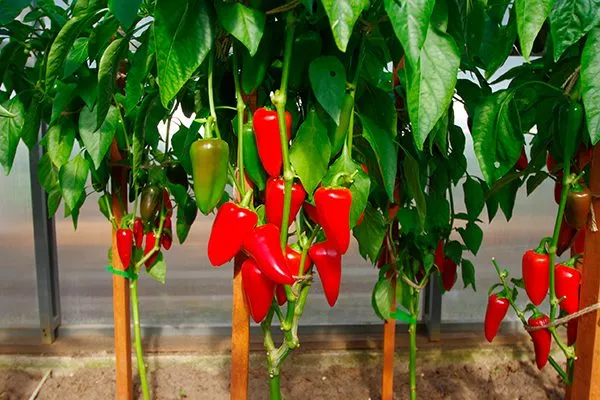
Characterized by compactness, moderate foliage, bright green leaves, a strong central stem and good spreading of branches with a mixed type of flowering.
It grows successfully in open ground and under plastic cover. It grows faster in greenhouses and hotbeds.
Thanks to the compact size of the bushes, they can be placed in large pots on a balcony or windowsill, making this variety versatile for various growing methods.
Characteristics of the appearance of the plant and fruits
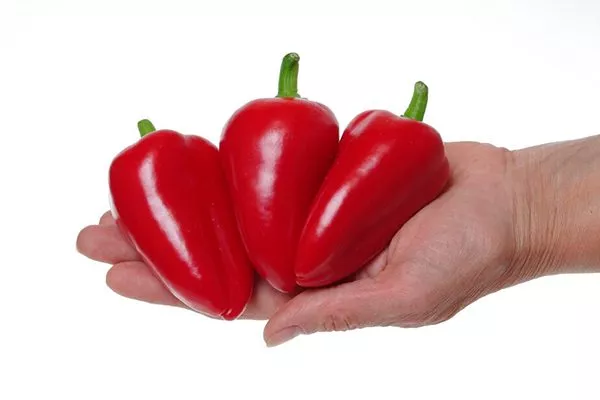
This early hybrid belongs to the small-fruited variety category. The vines produce fruits weighing 30 to 50 grams and measuring 8-10 cm in length. The fruits are neat and conical in shape. At technical maturity, the peppers have a green hue, which gradually turns to a bright red when fully ripe.
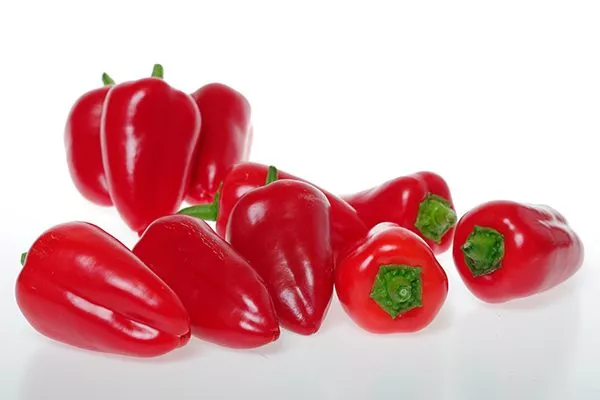
The hybrid is a thin-walled variety, with a wall thickness of less than 5 mm. The fruit skin is elastic, strong, and smooth, with a distinct shine and slight ribbing. Inside the sweet pepper are three seed chambers containing a small number of small seeds.
Ripe peppers have a good shelf life and are suitable for short-distance transportation. They can be stored in the refrigerator for up to a week without losing their flavor or marketability.
Purpose and taste
The light-red flesh of the Fiuggi is meaty, medium-firm, tender, and juicy, yet not watery. The flavor is predominantly sweet, with a pleasant sugariness, complemented by a distinct peppery aroma, a rarity among hybrids.
Peppers have a wide range of culinary uses. They are eaten fresh, preserved whole, stuffed, added to a variety of hot and cold dishes, and also used for pickling and freezing. They are ideal for garnishing salads, sandwiches, cuts, and slaws.
Ripening time and yield
The Fiuggi sweet pepper is an early-ripening hybrid. The time from sprouting to full ripening of the first fruits on the bush is less than four months – 105-110 days.
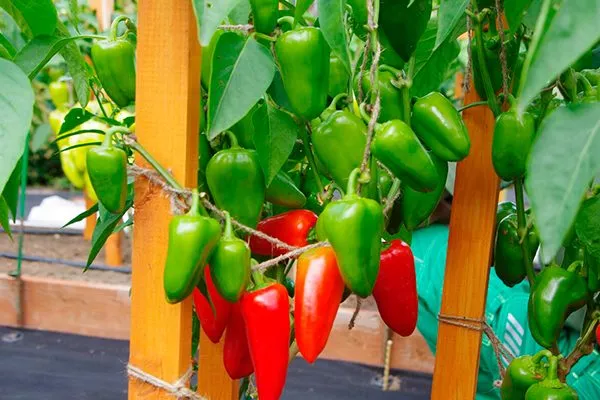
Peppers ripen at different times, which prolongs the fruiting period, allowing you to enjoy delicious vegetables from the garden for a long time.
From 1 square meter of planting area you can get up to 5 kg of compact peppers.
Planting diagram
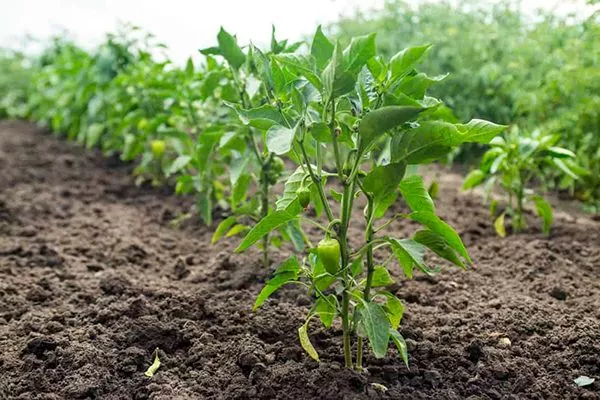
To ensure optimal growth and fruiting of pepper plants, it's important to follow planting guidelines, including planting density and spacing. It's recommended to plant no more than 4 plants per square meter, adhering to a 60x40 cm planting pattern.
Soil requirements
For successful pepper growing at home, we recommend using special store-bought soil. It has a lightweight structure and contains essential nutrients.
- ✓ Soil pH should be between 6.0-6.8 for optimal nutrient absorption.
- ✓ The soil should contain a high percentage of organic matter (at least 3-4%) to ensure good structure and water-holding capacity.
Necessary climatic conditions
Fiuggi peppers prefer warm conditions, so choose a level, cleared area with plenty of sun and warmth to grow them. Make sure they're protected from cold winds and drafts.
Pros and cons
Before planting a new variety in your garden, it's important to study its pros and cons to avoid problems. The main advantages of the Fiuggi hybrid are:
The plants are highly decorative. Gardeners have not found any significant drawbacks.
Growing and care
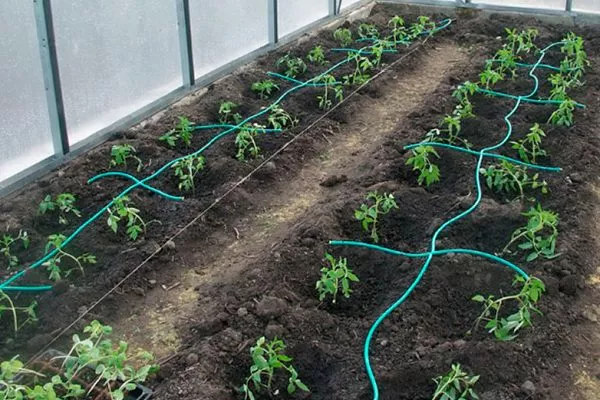
To obtain seedlings, begin sowing seeds in March. Before this stage, select, disinfect, and treat them with a growth stimulant to improve germination.
Helpful tips:
- Plant seedlings from May to June.
- Before planting, prepare the area by removing plant debris and other debris. In the fall, dig the soil, adding mineral and organic matter, and then dig it again in the spring.
- Moderate and regular watering are important aspects of shrub care. Monitor soil moisture levels to prevent over-watering or over-watering, which can lead to plant diseases.
- Regular loosening of the soil is necessary to provide the root system with sufficient moisture, oxygen and nutrients.
- Fertilize several times a season using mineral and organic fertilizers.
Resistance to diseases and pests
Fiuggi peppers have excellent resistance to a variety of diseases and are rarely attacked by pests. However, the risk remains. Let's consider control methods:
- Powdery mildew. A fungal disease that causes a white coating on the leaves, which can impair photosynthesis. To combat this, use fungicides such as Topaz or Baikal. Garlic infusions and a milk solution (mix milk with water in a 1:9 ratio and spray on the plants) are also helpful.
- Late blight. A fungal disease that attacks roots and shoots, causing plants to wilt. Use fungicides such as Ridomil Gold or Alpha Thiobac for treatment. Water the plants with a Bordeaux mixture solution.
- Colorado beetle. The insect feeds on leaves, which can lead to complete plant death. Treat plants with Prestige or Zubr insecticides. Collect the pests by hand.
- Thrips. These are small insects that feed on plant sap. They cause yellowing and deformed leaves. Use insecticides such as Aktara or Confidor. Laundry soap or garlic infusions (soak the garlic in water, then spray with the resulting solution) are also effective.
Growing Fiuggi peppers is an exciting and productive process, offering gardeners a wide range of opportunities to produce delicious and juicy fruits at home. This hybrid boasts excellent pepper flavor and a number of advantages, making it an excellent choice for those seeking a bountiful harvest.