
Among the many pepper varieties, Egyptian Strength stands out – not only does it possess unique flavor, but it also boasts high yields and tolerance to various growing conditions. Successful and productive cultivation of this variety is guaranteed with proper and timely care.
General description of the Egyptian Power variety
The Egyptian Power variety is an excellent choice for sweet pepper connoisseurs. It produces an early and abundant harvest and beautifully decorates garden beds, becoming a striking decorative element in the garden.
Features of the bush
This bell pepper variety is characterized by medium-sized, determinate bushes with a compact shape. Mature plants rarely exceed 45-50 cm in height.
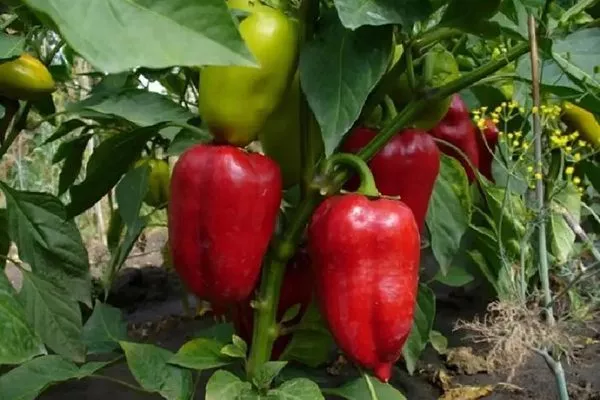
The plants have shortened internodes, and the shoots are closely packed. The leaves are small, green, and smooth, with a glossy surface and no hairiness on the underside.
Fruits, their taste and purpose
The entire above-ground stem has the characteristic aroma of bell peppers. The fruits ripen relatively quickly and are small, no more than 11-12 cm in length.
Characteristics and features of fruits:
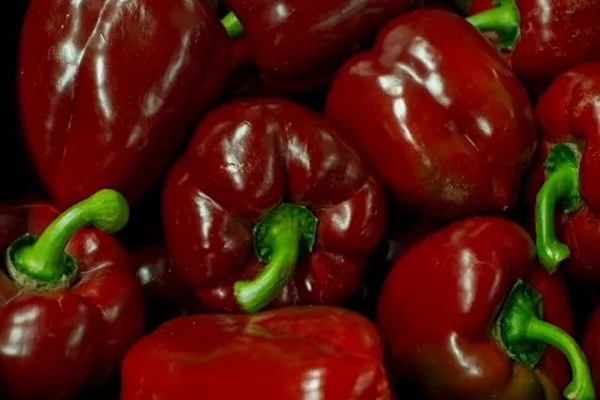
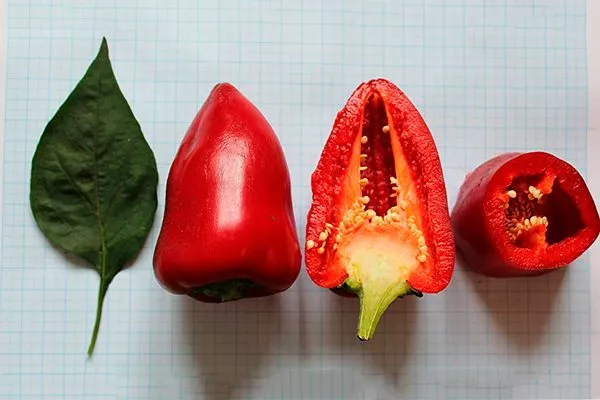
- Mature peppers are conical in shape and turn dark red when fully ripe, starting their development while green.
- The average fruit weight fluctuates around 130 g, but larger specimens weighing over 160 g can be found.
- Thanks to its glossy, dense and elastic skin, the pepper retains its decorative appearance for a long time.
- The fruit's flesh is thick (8-9 cm), three-chambered, with seeds collected near the stalk. It is dense, juicy, and not watery.
- The taste is sweet, without sourness or bitterness. The pulp is high in ascorbic acid and other vitamins.
This variety of bell pepper can be included in the daily diet of obese people due to its low calorie content and optimal protein and carbohydrate content. People with allergies should consume the fruit with caution due to the bright red color of the skin and flesh.
Ripening and yield
Egyptian Power is an early-ripening bell pepper variety. The first fruits begin to appear 95-98 days after sowing the seeds outdoors. Harvesting, especially in regions with moderate and warm climates, occurs in mid- to late summer.
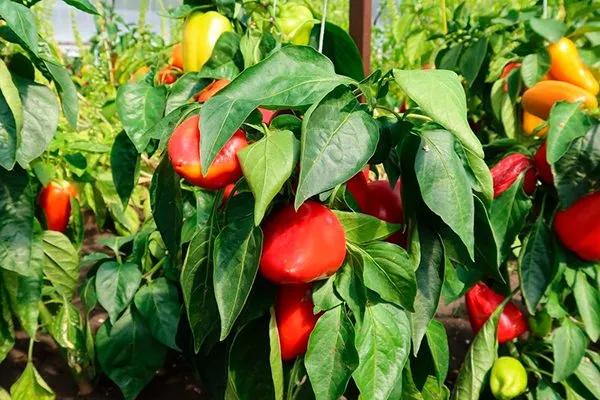
Characterized by high productivity, this variety yields up to 4.5 kg of peppers per square meter when grown outdoors. In greenhouse conditions, yields can increase by 2-2.5 kg.
Scope of application
Egyptian Power peppers can be eaten fresh or cooked, including frozen, boiled, or stewed, while preserving their flavor and nutritional properties. The fruits are used for stuffing, preparing various dishes, salads, appetizers, and canning.
Who developed the variety and when?
The variety was developed through breeding work conducted at the Siberian Research Institute of Plant Growing and Breeding. A team of scientists, including Gubko, Salmina, Steinert, Zhitnekovskaya, Aliluyev, and Avdeenko, worked to create an early, high-yielding variety.
The task was successfully completed, and in 2019 this variety was included in the State Register of the Russian Federation.
Strengths and weaknesses of the variety
One of the main advantages of the Egyptian Strength bell pepper is its ability to be successfully grown both outdoors and in greenhouses. Other positive characteristics of the plant include:
Features of agricultural technology
Caring for pepper seedlings is an essential part of successful cultivation, as these plants are quite demanding in terms of growing conditions. Therefore, careful attention is required when caring for them.
When to sow for seedlings?
It was previously believed that the optimal time to sow pepper seeds for seedlings was in winter. Nowadays, almost all gardeners prefer to do this in March: early in the month for greenhouse cultivation and closer to the middle for outdoor planting.
When do the seeds germinate?
Sprouted pepper seeds can germinate in just 3-4 days, while dry seeds require 1-1.5 weeks to germinate.
Sowing seeds for seedlings and care step by step
It's important to provide nutritious, moisture- and air-permeable soil for sowing pepper seeds. The ideal mixture is a 2:1:1 ratio of compost, sand, and fertile soil, supplemented with a small amount of wood ash.
Sow seeds in individual cups, as peppers don't tolerate transplanting. When two true leaves appear, transplant the seedlings to their permanent location. This method saves space on the windowsill for at least three weeks and reduces the cost of expensive seeds.
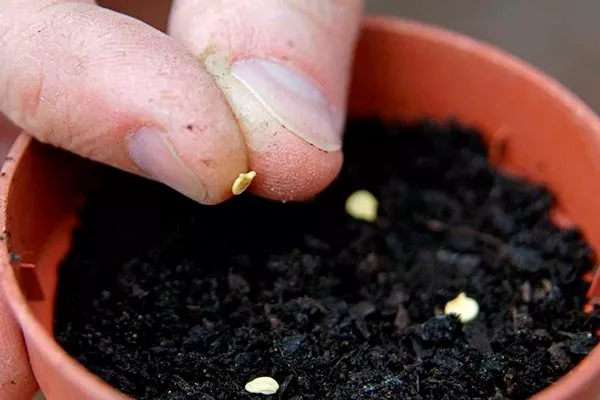
The seed capsule can be any size, but it should be at least 5 cm high, and the cups should be at least 300 ml in volume. Sowing is done in the traditional way:
- Pour a 1 cm thick layer of coarse sand onto the bottom of the container for drainage, and place the prepared soil on top with a 2-3 cm margin to the edges.
- Place the seeds on the soil at a distance of 2-3 cm from each other, and in the cups use one sprouted seed, or 2-3 seeds if they have not yet sprouted.
- Cover the seeds with a thin layer of soil about 1.5 cm thick, compact lightly and water carefully.
- Cover the containers with glass and place in a warm place with a temperature of +24…28°C.
After a week, carefully remove any excess seedlings. If the first few days are successful, when all the seeds have sprouted and the seedlings remain strong and not stretched out, further growing conditions for the seedlings become easier.
Should I dive?
For peppers, traditional transplanting with root pinching is undesirable. Therefore, if the seeds were sown in a common container, when the second true leaf appears (usually 12-15 days after germination), carefully transplant the seedlings into separate containers using the same soil.
It's important to water the soil thoroughly and try to extract the seedlings with the root ball. Using a pencil, create a new hole in the soil for transplanting and lower the seedling into the desired depth. At this stage, you can plant it deeper, but not all the way to the cotyledon leaves.
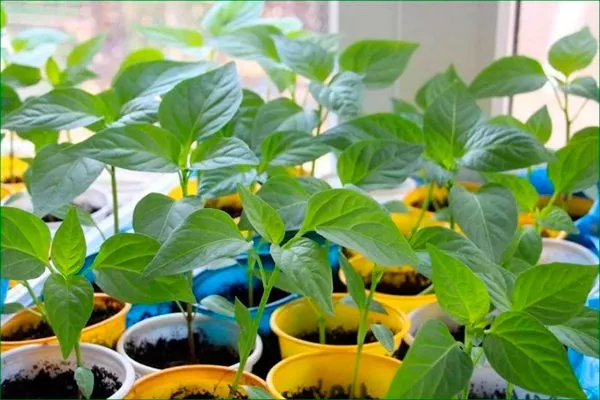
After gently compacting the soil and watering, move the seedling cups to a semi-shaded area for 2-3 days. After this, continue caring for the plants as before.
Planting seedlings in a hotbed/greenhouse
When the pepper plants have more than 12 leaves, buds will begin to develop, and you can plant them in a greenhouse or hotbed. Typically, it takes about two months from sowing the seeds to planting the seedlings in the ground.
To plant seedlings, a soil temperature of 15°C or higher is required. To prepare the soil, apply phosphorus or potassium fertilizers (40 g per square meter) and nitrogen fertilizers (30 g per square meter). Pepper beds should be 1 m wide, with 50 cm between rows.
Plant the pepper bushes 15-30 cm apart. Water the holes thoroughly before planting, adding 2 liters of water to each hole. Firm the soil under the planted pepper bushes thoroughly with your hands. Pepper seedlings planted in a greenhouse or hotbed should be mulched with humus and peat.
Planting seedlings in open ground
Transplant peppers outdoors at the end of May, after the last frost has passed. The ideal average daily air temperature should be 15°C (59°F), and the soil temperature should be 10°C (50°F).
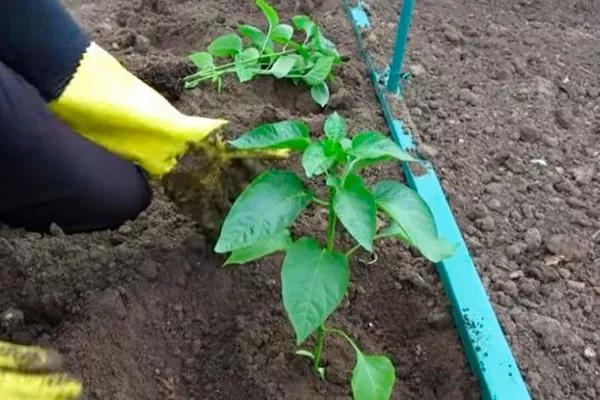
The planted plants should occupy a site where melons, root crops, legumes or greens grew last year, since planting peppers in the same site two years in a row is not recommended.
The landing process is as follows:
- Start planting in the afternoon or late evening.
- Make holes in the soil, a little deeper than the container where the pepper seedlings were grown.
- Add compost (200 g), ash (100 g), superphosphate (5 g) to each hole and fill the holes with water.
- Transfer the pepper bush to the hole, cover it with soil and use peat as mulch.
- Drive a 50cm high stake into the ground near each bush for tying.
Peppers planted in the ground will revive and begin active growth in 1-1.5 weeks, once their root system has recovered.
Pinching out stepsons
Pinching out Egyptian Force peppers is an important agronomic practice aimed at improving the plant's shape and increasing yield. Follow these recommendations:
- Regularly inspect the pepper bush, looking for the appearance of side shoots - lateral shoots growing in the corners between the stem and the leaf blade.
- If the side shoot is young and easily separated from the main stem, remove it using sharp pruning shears or scissors. This is usually done when the side shoot is still small, to avoid wasting the plant's energy on growth.
- Removing excess side shoots helps maintain a compact and stable bush. This promotes better air and light circulation, which benefits the ripening fruit.
- If the side shoot has become larger, trim it using a sharp blade. This helps prevent the plant from becoming overcrowded and preserves its energy for developing the main fruits.
When removing side shoots, be careful not to damage the main stem or nearby leaves. This is important to prevent infection and damage to the plant.
Watering
Although the Egyptian Power pepper variety tolerates excess soil moisture, it is recommended to avoid overwatering. It is more effective to water frequently with small amounts of water, ensuring the top layer of soil is moistened to a depth of 20-25 cm.
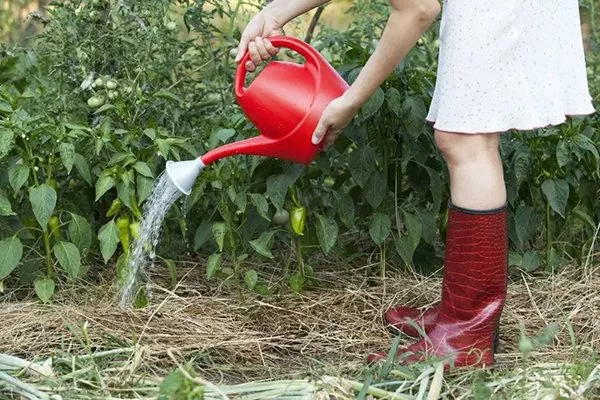
Water the plant's roots, avoiding drips on the foliage and fruit. Water in the morning or evening, using warm, settled water.
What and when to feed?
Feed Egyptian Strength bushes approximately five times throughout the growing season. Immediately after transplanting the seedlings into the beds, apply the first fertilizer using nitrogen fertilizer. During flowering, apply mineral or organic fertilizers, such as mullein.
Loosening and weeding
After watering, loosen the soil to a depth of 3 cm, being careful not to damage the peppers' root system. At the same time, remove any weeds that could harbor pests.
Harvesting in greenhouses and open ground
Harvesting and properly storing Egyptian Strength peppers play a crucial role in maintaining their quality and freshness. Here are a few key steps for effective harvesting and storage:
- Harvest peppers when they reach technical maturity. This usually occurs when the peppers are fully ripe and have acquired the characteristic color of the variety (dark red).
- To prevent damage to the stem and surrounding fruits, use sharp knives or scissors when harvesting. This will help preserve the integrity and appearance of the fruits.
- Harvest the fruit periodically as it ripens to avoid overheating the bush and maintain uniform growth.
- Before storing, inspect each fruit. Make sure they are free of damage, rot, or signs of disease.
- Fresh peppers can be stored in the refrigerator at a temperature of approximately 7-10°C. Place the peppers in a plastic bag or container with holes for air circulation.
- Peppers can be frozen for a longer shelf life. Before freezing, wash and dry the peppers, then cut into pieces and place in a freezer bag.
- Drying for later use is acceptable. Use a dehydrator or oven at low temperatures. Store dried peppers in glass jars or bags.
Diseases and pests
The Egyptian Power variety boasts a high level of immunity, making it virtually immune to the main diseases common to greenhouse plants. However, it is necessary to protect the pepper from potential pests, such as:
- slugs;
- aphid;
- spider mite.
An effective method for controlling aphids during the growing season is spraying with garlic infusion. This method is only suitable if the insect population is small. In case of a massive infestation, use insecticides.
Akarin is an effective remedy for spider mite control. To prevent slugs from appearing on your plants, it's important to properly care for your plants, regularly weed the beds, loosen the soil, and carefully monitor the condition of the leaves.
Reviews from vegetable growers
Growing Egyptian Strength peppers is an art accessible to anyone willing to devote a little attention and care to their garden. By following the recommendations for sowing, care, pinching, and fertilizing, you can ensure healthy growth and a bountiful harvest of this amazing pepper variety.