
The Dutch Gypsy pepper is characterized by its very early ripening period and is easy to care for. It has a strong immune system and is suitable for growing in temperate climates.
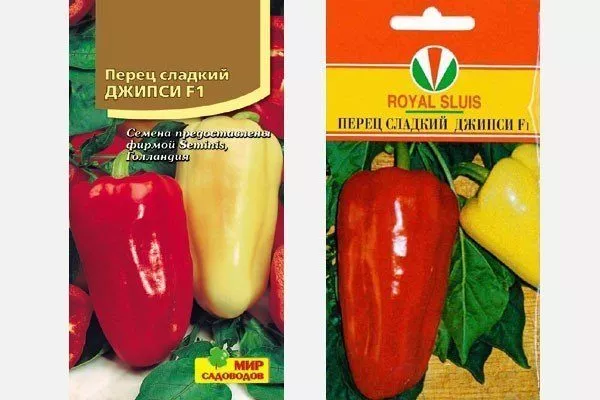
Gypsy pepper seeds
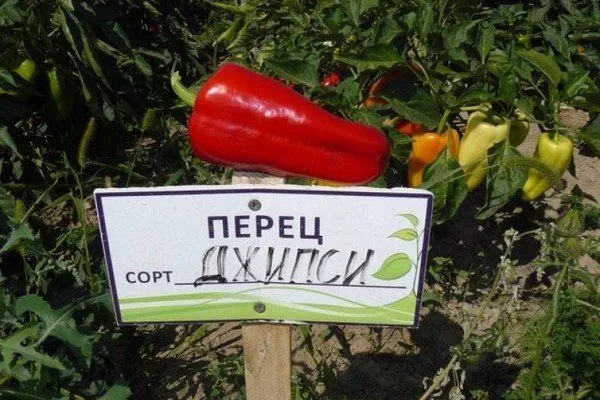
the weight of one fruit is approximately 110 g
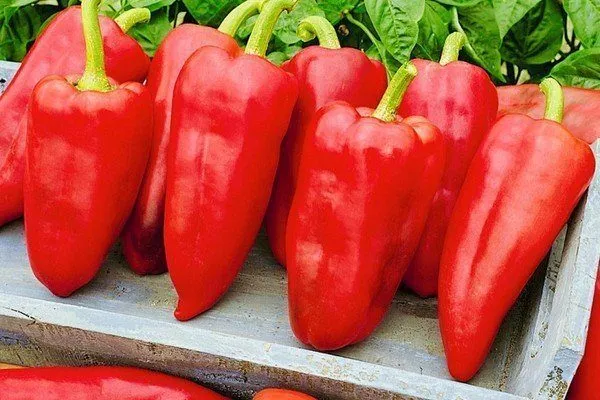
The variety is distinguished by the uniformity of fruit sizes.
Origin of the Gypsy pepper hybrid
Originating in the Netherlands, it is imported to Russia by Seminis. The hybrid Gypsy variety thrives in our soil thanks to its characteristics, particularly its early ripening period. The hybrid was developed in the early 2000s. Scientists wanted to develop a variety characterized by super early ripening, strong immunity, and resistance to weather changes, especially frost.
Characteristics and description
The hybrid's pods can be added fresh to dishes two months after planting the seedlings in the soil. To obtain an early harvest, greenhouse seeds are sown as early as February, and transplanting is not necessary due to the weak root system.
Appearance of the bush and fruits
The plant is short, reaching approximately 0.6 m, and is not very branched. The stems are thin and can break with the slightest mechanical damage. The roots do not penetrate deeply into the soil, remaining almost at the surface (approximately 0.25 m). The leaves are small, wide, and bright green.
The bush begins to bloom 2.2 months after sowing. The flowers are small and white, and there are both male and female varieties. Flowering continues almost until frost. The bush is self-pollinating, but cross-pollination is also possible.
Gypsy peppers often cross-pollinate with bitter crops, resulting in an overly pungent flavor. To prevent this, plants should be planted farther apart (at least 0.15 m apart). The pods are not very large, but have a beautiful shape. This hybrid is distinguished by the uniformity of the entire crop, with each plant weighing approximately 110 g.
The main characteristics of the fetus:
- the skin is not thick, but dense enough, which is good for transporting the harvest;
- the pepper is cone-shaped, tapering slightly towards the tip;
- walls approximately 5 cm thick;
- pulp with a characteristic crunch;
- has 3 chambers;
- yellow seeds.
The Gypsy pepper is considered technically ripe when the fruit turns a creamy yellow, fully ripens, and turns red. The hybrid seeds have a high germination rate—approximately 80%.
Taste qualities
Farmers are pleased with the taste of these vegetables. The fruits are juicy but not too watery, the skin is crisp, and the flavor is slightly sweet. There's no bitterness or pungency to the fruit; everything is fairly standard. The aroma is particularly appealing: it's distinct, full-bodied, and characteristically peppery.
Productivity
The hybrid yield is modest, which is not surprising. The reason is that almost all early crops are not particularly productive. Their main characteristic is that while other vegetables are just beginning to bloom and form ovaries, these plants are already producing fruit.
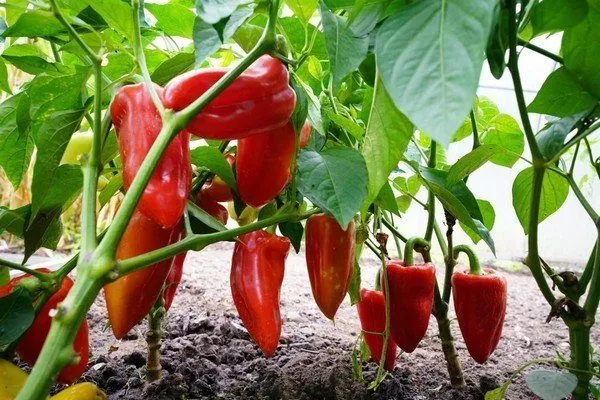
The Gypsy pepper yields approximately 4-4.5 kg per square meter, with approximately 12 pods formed on one plant.
Growing conditions
The Gypsy hybrid does not have any special care requirements, but to speed up the process and achieve the best results, some nuances will need to be observed.
- ✓ The soil temperature for planting should be at least +15°C.
- ✓ The distance between plants should be at least 0.4 m to prevent cross-pollination.
It prefers warm soil, so plant it in raised beds in mounds 0.5 m apart. Another caveat: the bushes don't have dense foliage, so to prevent the pods from burning in the sun, it's best to provide some shade.
Deadlines
The timing of Gypsy's growth depends on where you plan to grow the bushes and when you plan to transplant them outdoors. If you have an excellent greenhouse and know that the plants are frost-resistant, then plant seeds for seedlings You can do this as early as the first days of March, and then plant it in the greenhouse in the last week of April.
In this case, you will begin harvesting from the beginning of summer; under good conditions, the plant will bear fruit for a long time, and will continue to bear fruit for approximately 2 months.
If you don't have a greenhouse or you decide to plant seedlings directly in open ground, then you should wait a little and sow the seeds in early April.
Selecting a container
Almost all gardeners claim that the Gypsy pepper does not tolerate transplanting, much less picking. The plant's roots are sensitive and easily damaged, so to avoid this, plant the seeds directly into individual pots. Peat pots are an excellent option, especially since Gypsy pepper seeds are not the cheapest, and you don't want to damage the plants.
Substrate requirements
The Gypsy pepper isn't particularly picky about soil, but it prefers loamy or sandy loam soil with humus. It doesn't tolerate high levels of nitrogen in the soil. Slightly acidic soil isn't suitable for growing early varieties, so add chalk or lime to increase the acidity.
You can choose between a pepper substrate or a potting mix for indoor plants. They are similar in composition, and this plant will thrive in both.
Planting a hybrid
While peppers can be grown directly in the ground, it's better to use seedlings. Not every region can afford to plant seeds directly in the ground.
Preparing and sowing seeds
First, select the best seeds from all the available ones; they should be firm and undamaged. Then soak them in a weak solution of potassium permanganate. The good seeds will sink to the bottom, while the poor seeds will float. Rinse the remaining seeds thoroughly under cold water and dry.
Sow the seeds in a potting mix, cover with plastic wrap, and place the containers in a warm place, at a temperature of around 25 degrees Celsius. The seeds will germinate in 1-1.5 weeks.
Picking seedlings
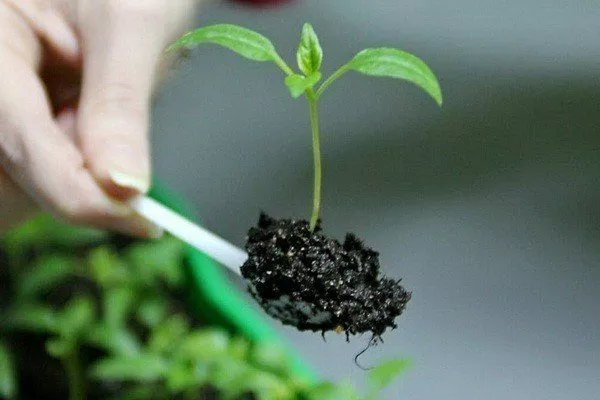
As mentioned earlier, the stems and root system of the Gypsy pepper are weak, so exercise extreme caution and care when transplanting. Damaging the seedlings is very difficult, and once the roots are damaged, the plants will not recover.
Experienced farmers recommend avoiding picking and transplanting altogether. Sow each seed in a separate pot.
Caring for seedlings
Once the cotyledon leaves have formed on the seedlings, lower the temperature to 16°C (61°F), dropping it to 12°C (55°F) at night. Maintain soil moisture and do not allow the soil to dry out. Pay special attention to fertilizing the seedlings. Apply the first fertilizer a week after transplanting (if done). Use simple mineral fertilizers.
Apply the second fertilizer 10 days after the first. You can use the same fertilizer as the first application. A good solution is 2-3 tablespoons of ash and 1 liter of water, then let the mixture steep for 5 days. Dilute the mixture 1:1 before watering the plants.
The third application of fertilizer is carried out 4 days before the immediate transplantation of the seedlings into open ground using ready-made fertilizers diluted according to the instructions.
Apply all fertilizers during watering: first add water, then fertilizer, and then water again. This will prevent seedlings from burning, especially if you've made a mistake with the dosage.
Hardening
When growing pepper seedlings, hardening them off is essential. During the day, take the seedlings outside. Before transplanting, the plants should reach 0.2 m in height and have approximately 10 leaves.
Transplantation into open ground
It doesn't matter where the peppers are grown - in open ground or in a greenhouse - as long as they are tied to stakes or a special trellis during transplantation.
Planting dates
Transplant seedlings into open ground when the threat of winter frost has completely passed. Keep in mind that by this time, the soil should have warmed to 15–18 degrees Celsius.
At the time of transplantation, the seedling may have several flower buds. The seedlings are 2 months old. If the seedlings are already 70 days old, all flowers and buds are removed; otherwise, they will take a long time to establish, and fruiting will occur much later than expected. Seedlings with dense buds establish more quickly.
Selecting a location and planting depth
Prepare the pepper planting area in advance. Dig the soil to a depth of a spade, remove any weeds, and apply fertilizer. To prevent sunburn, plant the seedlings in the afternoon or on a cloudy day.
Dig holes the size of the plant's current pot. Fill the holes with compost, spacing the holes approximately 0.4 m apart. For easier watering and care, consider planting the peppers in a staggered pattern rather than in straight rows.
A video review of the Gypsy hybrid, its yield, and ripening time in open ground:
Peculiarities of caring for Gypsy pepper
Gypsy sweet peppers don't require much care, but there are some steps you need to take to ensure an early harvest.
Weeding and loosening
Weeding involves removing all weeds growing around and near the plants. It's essential to remove them, as they contain fungal spores and various bacteria that can attack the peppers at any time.
Loosening the soil improves the growth of this crop. This will aerate the soil and increase the availability of nutrients. Loosening is done after watering or rain.
The depth of loosening directly depends on the development of the pepper: before flowering - 6 cm, during flowering - 10 cm, at the beginning of fruiting - 14 cm, gradually decreasing to 6 cm.
Watering and fertilizing
The first time plants in open ground are watered is when they are transplanted. Water is added to the holes, and the seedlings are planted. Water again after four days.
Until fruiting, water the peppers once a week. Stop watering once the first fruits have set. Resume before the second flowering period.
Rules for watering peppers:
- Use only warm and settled water (+22 degrees and above).
- Water plants in the morning or evening.
- Do not water directly at the roots, do not wash away the soil.
- 1 plant needs 2-2.5 liters of water.
Gypsy peppers produce a good harvest when they are fully supplied with nutrients. Fertilize three times during the growing season.
- 20 days after direct planting of plants in open soil (mineral fertilizers).
- At the beginning of fruiting (organic).
- 14 days after the second feeding.
- The first feeding should be carried out 20 days after planting, using mineral fertilizers.
- The second feeding should be carried out at the beginning of fruiting, using organic fertilizers.
- The third feeding should be carried out 14 days after the second, using complex fertilizers.
The best fertilizers for peppers:
- Herbal infusion. Take 2 kg of various herbs, add 10 liters of water, and leave for 6 days to ferment. Mix the resulting mixture with water (1:10) and water the plants.
- Chicken manure. 250 g of organic matter and 10 liters of water. Let the mixture sit for about 4 days, stirring occasionally. Dilute 0.5 liters of the mixture in 5 liters of water and water the plant from a distance of 0.3 m from the trunk, avoiding direct contact with the foliage.
- Mineral fertilizers. Dissolve 10 g of superphosphate and urea in 10 liters of water. One plant requires 0.5 liters of solution.
Garter
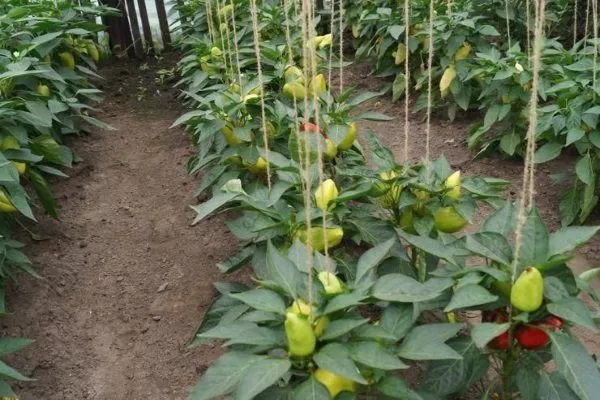
Gypsy needs support. The plant's branches are very weak, so they are easily damaged by fruit and wind. To give the plant something to support itself, plant 0.7 m high stakes near each bush during transplanting. Avoid tying the bush and the stake tightly with fabric strips; the plant needs to feel free.
In the greenhouse, the peppers are tied with twine, the other end of which is secured to the upper horizontal support.
Prevention of diseases and pests
The Gypsy pepper is resistant to tobacco mosaic, but requires treatment against late blight, sclerotinia, bacterial spot, and rot. Preventative measures not only strengthen the pepper's immune system but also increase the plant's resistance. For treatment against various diseases, use hydrogen peroxide, iodine, and biofungicides.
Gypsy peppers are susceptible to pests such as aphids, spider mites, and whiteflies. To repel them, regularly spray the plants with herbal infusions. Use wormwood, onion, and potato tops.
To get rid of pests for a long time, use special insecticides such as Actellic and Aktara.
Advantages and disadvantages of Gypsy sweet pepper
The Gypsy pepper hybrid, like other peppers, has its pros and cons, which must be taken into account when growing the plant.
Advantages of the hybrid variety Gypsy:
- the possibility of transportation without loss of taste and appearance of the pods;
- excellent aroma and superb taste of the fruits;
- a considerable amount of harvest;
- early ripening period;
- does not require special care;
- relatively strong immunity;
- not afraid of sudden temperature changes and weather changes.
Disadvantages of Gypsy:
- the walls of the fruit are thin;
- hardness of fruits even after heat treatment;
- need support;
- do not tolerate picking and transplanting.
Reviews
The early hybrid Gypsy pepper has proven itself a favorite among gardeners; it doesn't require extensive care and produces a fairly large harvest. The plants can be grown not only for home use but also for sale. They are suitable for fresh salads and canning.