
The Dragon's Breath pepper is an excellent choice for those who enjoy spicy food. It's very productive and disease-resistant. It can be grown in any conditions, but care is crucial, as it affects its immunity and yield.
Characteristics of Dragon's Breath pepper
In the world of chili peppers, there's a constant race for heat. Breeders are constantly crossing varieties to create new, even hotter subspecies. This allows them to expand their selection and increase the levels of capsaicin, the substance responsible for heat.
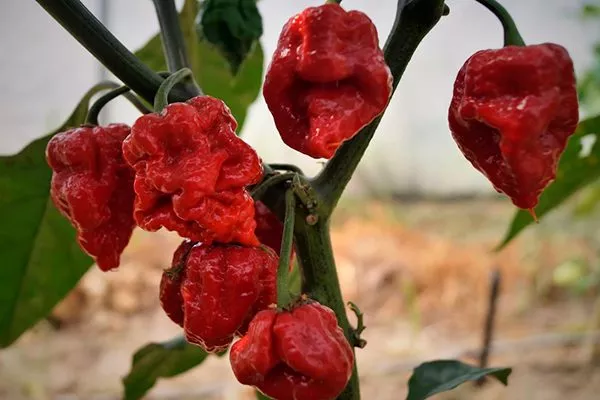
Origin
Bred by Mike Smith, a UK breeder, the pepper was originally intended to be a beautiful plant, but instead, it turned out to be a fiery pepper. Its heat turned out to be an unexpected side effect of the breeding process.
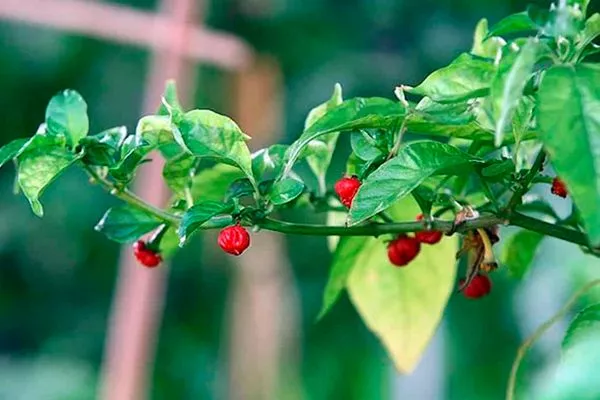
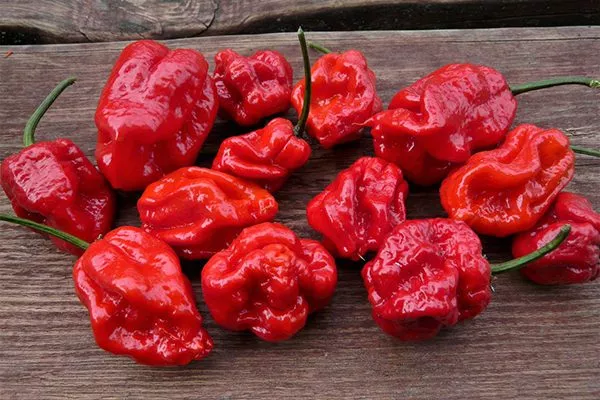
Appearance of the pod
The pods are very small, only 1-2 cm long. They are wrinkled and bumpy. Some may have a tiny scorpion tail, a sign of high capsaicin content.
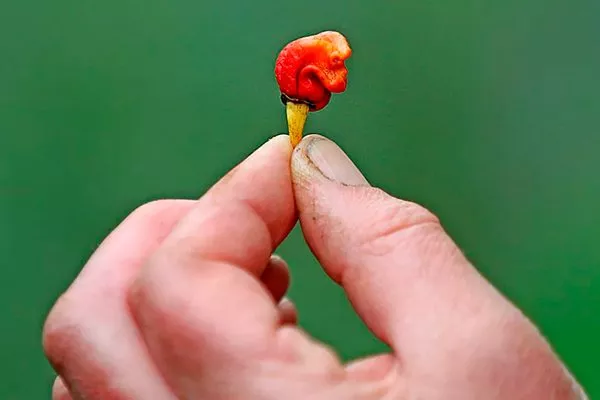
The degree of hotness of the Dragon's Breath pepper
The heat level was unofficially tested and found to be 2,480,000 Scoville units. This is significantly higher than the Carolina Reaper, previously considered the world's hottest pepper, which has a heat rating of 2,200,000 Scoville units. A typical jalapeño averages around 5,000 units.
Purpose and taste
Used as an additive to dishes or sauces for those who enjoy extremely spicy food, its pleasant aroma makes it an indispensable ingredient for adding a piquant flavor to various dishes. It has a bright, deep flavor with spicy notes.
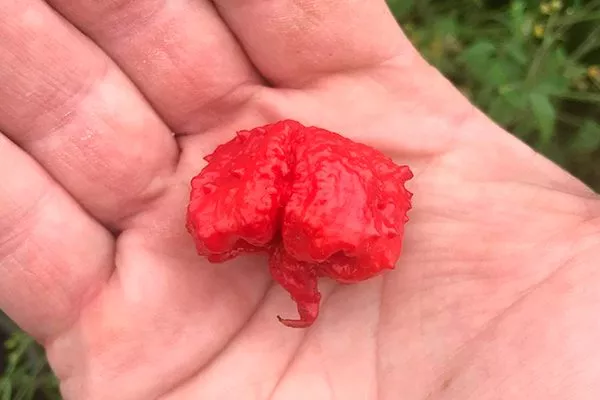
Ripening time
It has a relatively short ripening period. Formation typically begins 90-100 days after the first shoots emerge. Full fruit maturity occurs in 120-130 days.
Productivity
The yield depends on many factors, such as climate, soil quality, care, etc. On average, one plant can yield between 1 and 3 kg of vegetables. In greenhouse conditions, the yield can be higher than in open ground.
Growing and care
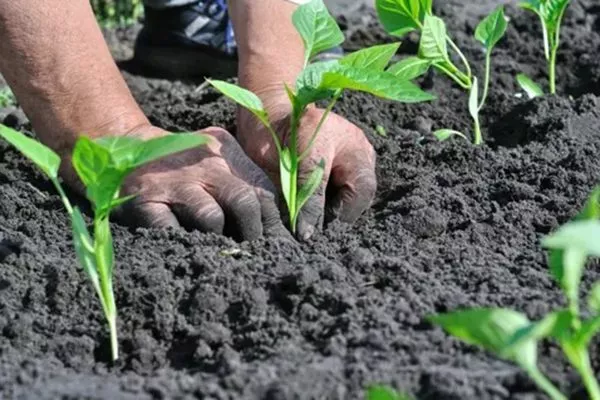
Choose a suitable planting location. The plant prefers well-lit areas with fertile, well-drained soil. Follow these recommendations:
- Dig the soil to a depth of 20-30 cm and add organic fertilizers – compost or humus.
- Sow seeds 1-2 cm deep in late February or early March. Cover them with plastic wrap or glass. The optimal temperature for germination is -25-28°C.
- When the seedlings reach 6-8 weeks of age, transplant them into open ground or a greenhouse. Before planting, harden them off, gradually acclimating them to cooler temperatures.
- ✓ The optimal soil temperature for seed germination should not be below 25°C, which is critical for their germination.
- ✓ The need to use growth stimulants for seeds, given their high pungency, which can slow down germination.
Care is important for the crop. Follow these agronomic practices:
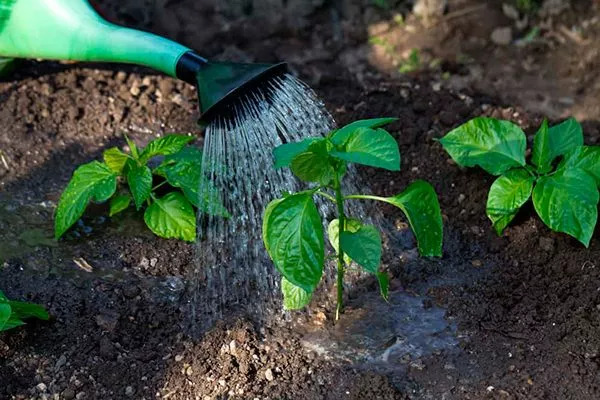
- Watering. Provide regular watering, especially in hot and dry weather. Water the plants at the roots, avoiding contact with the leaves.
- Top dressing. Feed the bushes with complex fertilizers every 2-3 weeks. Use both organic and mineral fertilizers.
- Loosening the soil. Regularly loosen the soil around the bushes to ensure air access to the roots.
- Weeding. Remove weeds promptly to prevent them from taking away nutrients and moisture.
- Protection from pests and diseases. Use specialized preparations. Practice crop rotation and avoid growing crops in the same location for more than two years in a row.
- ✓ High capsaicin content requires special care when harvesting and handling plants.
- ✓ The compactness of the plants allows them to be grown in limited space, which is not mentioned in the article.
By following these recommendations, you can grow healthy and productive bushes.
Reviews
Dragon's Breath is a popular hot pepper variety distinguished not only by its unusual appearance but also by its high yield and disease resistance. It has a pleasant flavor and can be used in a variety of dishes, making it prized by gardeners both in our country and abroad.