
Bulgarian is a popular mid-season pepper variety. It is grown in many countries worldwide. It is prized for its large, fleshy, and sweet fruits, which are suitable for fresh eating, canning, and cooking. It is important to provide the plant with timely care and consider its storage requirements.
Description of the variety
Bell peppers are widely known for their excellent flavor, making them one of the most sought-after varieties on the market. They are characterized by attractive, large fruits and versatile uses.
- ✓ The fruits are highly resistant to cracking due to changes in humidity.
- ✓ Plants exhibit increased resistance to verticillium wilt compared to other varieties.
Characteristics of the appearance of the plant and fruits
Displays vigorous growth and abundant foliage. Bushes form compactly, reaching heights of 50 to 70 cm.
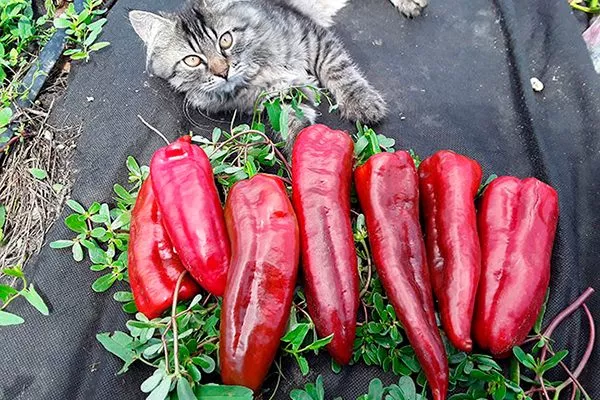
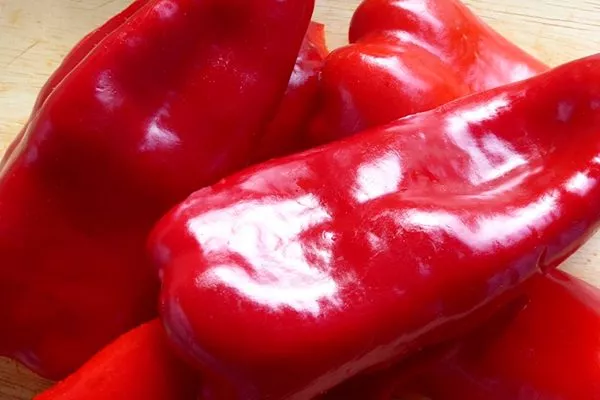
Peppercorns reach 20-25 cm in size and are cone-cylindrical in shape. They weigh 150-250 g. Their surface has a ribbed structure, and the wall thickness is 4-5 mm. A characteristic feature is the fine structure of the walls.
Purpose and taste
This versatile fruit can be eaten fresh, enjoying its juicy and tender flesh. It's also excellent for cooking: it can be added to salads, baked, or fried. Thanks to its properties, it retains its flavor even when canned.
Ripening time
It stands out for its rapid maturation, reaching full maturity in just 95-98 days after emergence.
Advantages and disadvantages
Before planting a crop in your garden, consider its pros and cons. This variety has many positive qualities:
The nuances of landing
Growing them doesn't require any difficulty or experience. The main thing is to grow healthy seedlings and ensure they are planted correctly so they take root in the garden.
- ✓ The soil pH level should be strictly within 6.0-6.8 for optimal nutrient absorption.
- ✓ The soil must contain a high percentage of organic matter (at least 4%) to ensure the necessary moisture capacity and nutritional value.
Pre-planting preparation of the garden bed
Fertile, loose soil with a neutral pH is preferred. Prepare the pepper bed in the fall: dig to a depth of 20 cm and add organic fertilizer (compost, humus).
Growing seedlings
Sow seeds for seedlings in late February or early March. Plant them 1-1.5 cm deep in the soil. Cover the seedlings with plastic or glass and place them in a warm location (25-28°C). Once the seedlings emerge, remove the plastic and ensure good lighting.
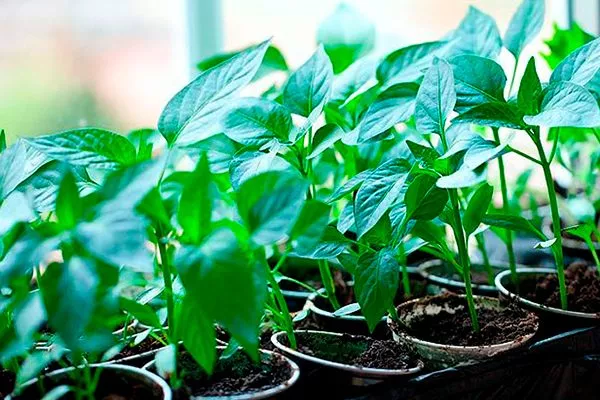
Water the seedlings moderately, as the soil dries out. 10-14 days before planting, begin hardening off the plants: place the containers on the balcony or loggia for a few hours a day, then gradually increase the time.
Time and layout of the landing
Plant the seedlings in the ground when the danger of frost has passed and the soil has warmed to 15°C. This usually occurs in late May or early June. For low-growing varieties, space plants 30-40 cm within a row and 50-60 cm between rows.
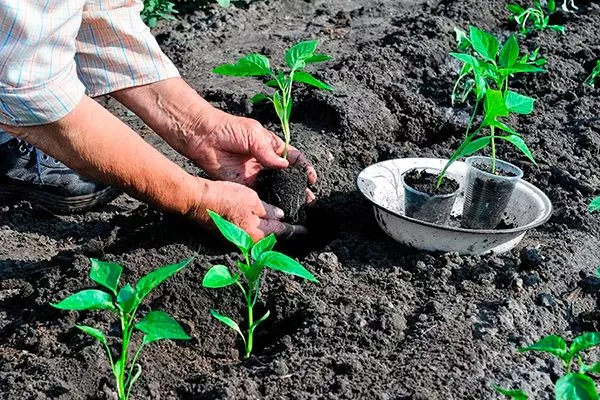
Before planting the seedlings, add organic fertilizers (compost, humus) and mineral fertilizers (superphosphate, potassium salt) to the holes or furrows. Plant the seedlings at the same depth they were growing in the containers. After planting, water thoroughly.
Care conditions
Regularly loosen the soil to ensure air reaches the roots. Remove weeds, which may compete with the peppers for nutrients and water. Mulch the soil with straw, sawdust, or other organic material. Follow other standard gardening practices.
Irrigation method
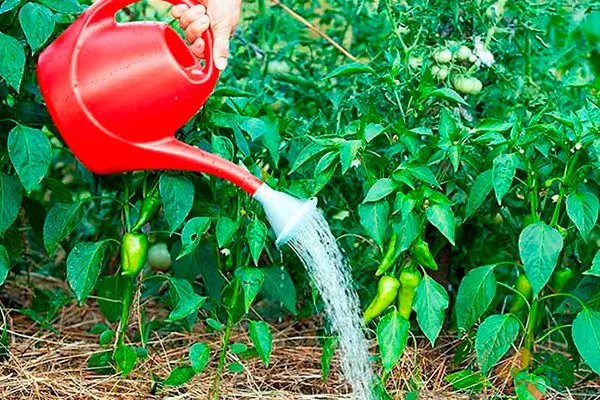
The plant doesn't like overwatering, so water it sparingly. The optimal watering schedule is once every 5-7 days. In hot and dry weather, increase watering to 2-3 times a week. It's best to water in the morning or evening, when the sun is not as strong. Use settled or rainwater.
Features of top dressing
For good growth and development, regularly feed the bushes with complex mineral fertilizers. Apply the first fertilizer 2-3 weeks after planting. Use a solution of mullein (1:10) or chicken manure (1:20).
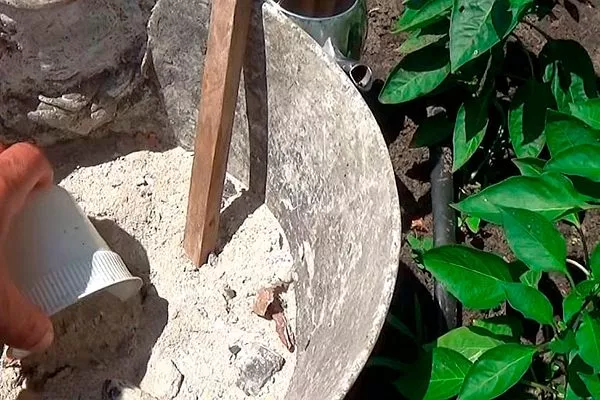
Apply the second feeding 2-3 weeks after the first. During this period, phosphorus and potassium are essential. Use a complex mineral fertilizer, such as nitrophoska (20 g per 10 liters of water). Apply the third feeding during flowering. Boron and molybdenum are important during this period.
Diseases and pests
Bulgarian peppers have average resistance to diseases and pests. Under unfavorable growing conditions or improper care, plants may suffer. The table provides recommendations for disease and insect control:
| Disease/pest | Description | Prevention and treatment | Folk remedies |
| Late blight | A fungal disease that affects leaves, stems, and vegetables. It appears as brown spots with a white coating. | For prevention, use biological or chemical preparations – Fitosporin-M or Ridomil Gold. Treatment involves removing affected leaves and fruits. Treat plants with fungicides such as Quadris and Ordan. | Spray with a solution of milk whey (1 liter per 10 liters of water).
Use garlic infusion for treatment (200 g of crushed garlic per 10 liters of water). |
| owl | The caterpillar eats the pepper leaves and can penetrate the inside of the plant, eating away its flesh. Damaged peppercorns are susceptible to fungal and bacterial diseases. | As a preventative measure, regularly loosen the soil, remove weeds and attract birds to the area. Collect pests by hand. Treat crops with Inta-Vir and Decis insecticides to control them. | Spray with wormwood infusion (1 kg per 10 l of water).
Treat with celandine infusion (1 kg of dry herb per 10 liters of water). |
| Big slug | Gastropods that feed on leaves and fruits. They leave a slimy trail. | Prevention involves removing weeds and debris from the area. Mulch the soil and use traps, such as beer or kvass containers. Collect slugs by hand and treat plants with metaldehyde-based products: Groza, Slizneed. | Sprinkle crushed eggshells or wood ash.
Spray with ammonia solution (10 ml per 10 l of water). |
Terms and conditions of collection
Peppers are light green at technical maturity. At biological maturity, they acquire a characteristic color (red, yellow, or orange).
Optimal conditions for collection:
- dry and sunny weather;
- air temperature above +10°C;
- full ripening.
Step by step guide:
- Carefully cut the peppers from the bushes using a sharp knife or pruning shears.
- Do not pull them by the stem, as this may damage the bushes.
- Harvest peppers regularly as they ripen.
Growing Bulgarian peppers is a simple process, easily mastered by even novice gardeners. With proper care and adherence to gardening guidelines, this variety will reward you with a bountiful harvest of delicious and nutritious fruits.