
Growing peppers brings satisfaction when the garden smells of fresh, aromatic fruit. The Blondie variety is very popular due to its ease of care, but it does require attention and proper and timely maintenance.
Types of Blondie
Breeders around the world strive to increase the yield and marketability of agricultural crops. One of the best methods for achieving this goal is the creation of hybrids by crossing two unique varieties.
| Name | Ripening period | Disease resistance | Fruit size |
|---|---|---|---|
| Blondie F1 (Switzerland) | 60 days | High | Large |
| Blondie F2 (Netherlands) | Average | Average | Average |
Blondie F1 (Switzerland)
One of the successful results of this crossbreeding is the Blondi F1 pepper variety. It is characterized by strong immunity and large fruits.
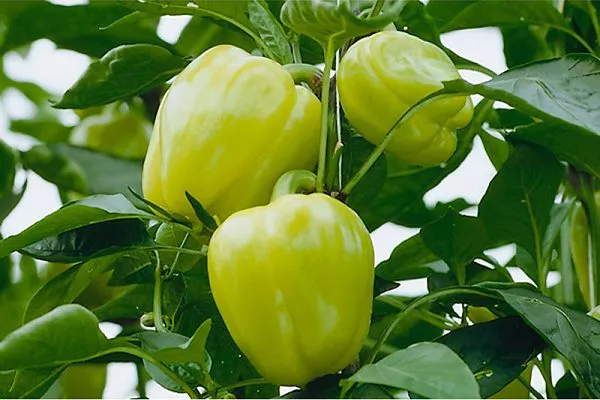
Description of the bush
This medium-sized plant reaches a height of up to 60 cm. It is characterized by a semi-spreading habit, giving it a compact appearance. The plant has short internodes and prominent foliage, which allows good light exposure for the fruit and creates favorable conditions for their development.
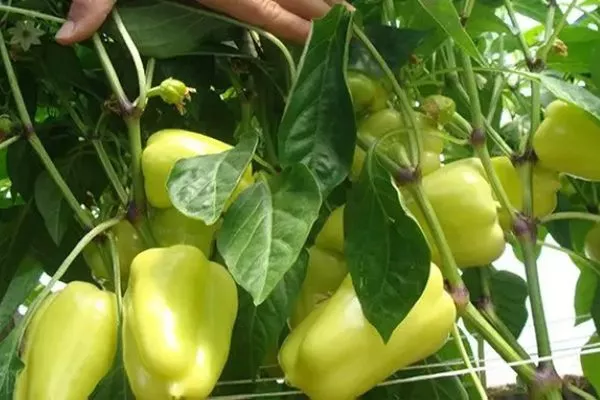
Description of the fruit
Blondie peppers not only provide visual pleasure, but also boast a large size and attractive characteristics, making them an attractive choice for gardeners.
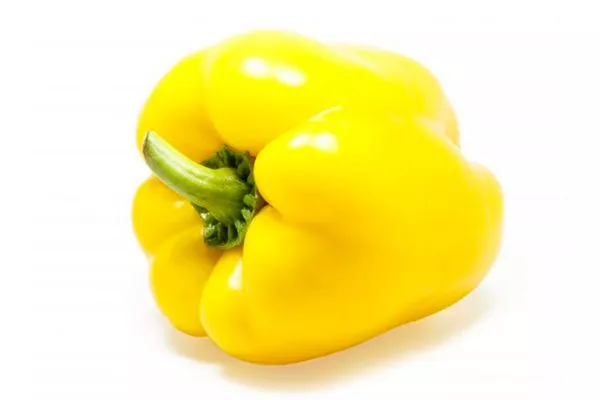
The fruit is characterized by the following features:
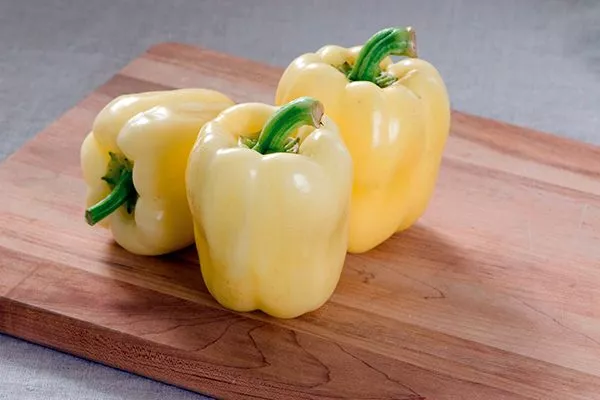
- It has a cubic shape and contains 4 seed chambers, which gives it a characteristic appearance.
- It has an impressive weight, approximately 200 g, with an average size of 10.5 x 10 cm. These parameters make it suitable and convenient for culinary use.
- When ripe, the fruit takes on shades of ivory, lemon or orange.
Characteristics
According to its characteristics, this hybrid has many distinctive features. Its main characteristics are:
- The hybrid reaches maturity in just 60 days after planting the seedlings, allowing for an early and stable harvest.
- Blondi F1 pepper has valuable medicinal properties. It can thin the blood and lower blood pressure, and is recommended for patients with diabetes, anemia, and cardiovascular disease.
It is effective in fighting depression, strengthens immunity to viral infections and contains higher amounts of vitamin C than lemon. - The hybrid easily adapts to various climatic conditions. It has increased cold tolerance and thrives in high temperatures. The pepper is easily transported, making it ideal for bulk purchases from supermarkets.
Each hybrid bush produces an impressive harvest, reaching up to 18 kg of peppers.
Blondie F2 (Netherlands)
The Blondie F2 pepper is a hybrid pepper variety developed in Holland. Below is a detailed description of the plant, fruit, and characteristics of this variety.
Description of the bush
The bush is medium-height and compact. The plant is well-branched, with a sturdy stem, making it wind-resistant. The leaves are dark green, glossy, and fairly large, allowing good light to reach the fruit.
Description of the fruit
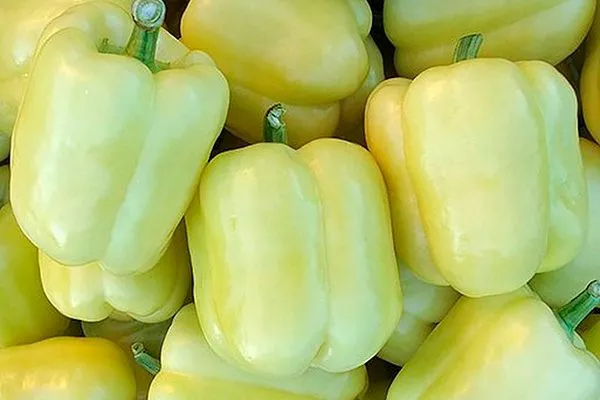
The fruits have a distinctive, shiny blond hue. They are typically prismatic, slightly elongated, and thick-walled. Fruit size varies, but they average around 150 g. They are characterized by excellent flavor, juicy flesh, and minimal seeds.
Characteristics
The hybrid variety has many distinctive features. It includes the following characteristics:
- The pepper has a medium ripening period, which makes it suitable for a variety of climatic conditions.
- Provides a bountiful harvest of beautiful and tasty fruits.
- The bushes are resistant to various diseases.
- The fruits of this variety can be used fresh, and also for preparing various dishes, such as salads, appetizers, and preserves.
Subtleties of agricultural technology
Peppers are successfully grown both in greenhouses and outdoors. This plant species adapts well to a variety of environmental conditions, providing a reliable and consistent harvest.
Landing
Planting peppers is a crucial step in growing them, and proper execution can significantly impact the future harvest. Step-by-step instructions:
- Blondie peppers prefer sunny locations, so choose a spot with good access to light. Make sure the soil is well-drained, preferably medium-fertile.
- Clear the area of weeds and other plants. If necessary, amend the soil with organic matter (such as compost) to ensure good nutrient levels.
- Sow seeds in pots or containers a few weeks before you plan to plant seedlings.
- Place pepper seeds about 1 cm deep in soil-filled pots or containers. Ensure warm temperatures and humidity for successful germination.
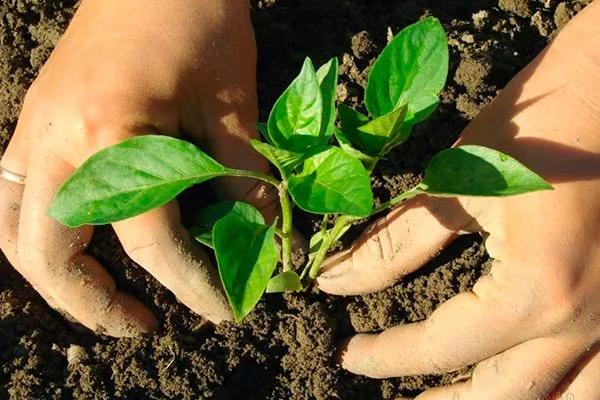
- Transplant the seedlings after all danger of frost has passed and they have become established. Maintain space between plants, giving each one enough room to grow and develop.
- ✓ The optimal soil pH should be in the range of 6.0-6.8 to ensure better absorption of nutrients.
- ✓ The soil should be rich in organic matter, with a humus content of at least 3%.
Care
This hybrid is suitable for growing both outdoors and in various types of greenhouses, but it is recommended to give preference to heated rooms with high-quality lighting and good aeration.
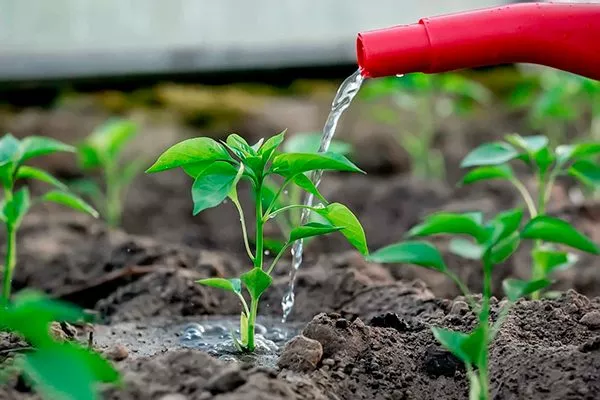
One of its advantages is its easy adaptation to various natural and weather conditions, including resistance to frost and drought.
Diseases
Like many other sweet pepper hybrids, Blondie has strong immunity to various diseases. In addition to those to which the hybrid is already resistant, there are a number of other diseases that pose a threat to the overall harvest.
| Disease | Blondie F1 (Switzerland) | Blondie F2 (Netherlands) |
|---|---|---|
| Downy mildew | High | Average |
| Bacterial cancer | High | Average |
Downy mildew
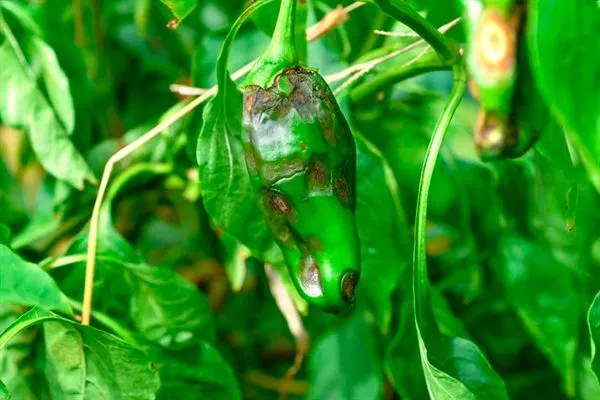
One of the most dangerous fungal diseases, widespread in various climates, is caused by conditions of high humidity and heat. The disease is characterized by the formation of numerous spots and yellow spots on the leaves, which leads to the cessation of normal plant and fruit development.
Prevention and treatment measures for downy mildew:
- It is important to regularly rotate plant locations to reduce the likelihood of fungal disease re-infection.
- An effective preventative measure is removing diseased plants. This reduces the spread of fungal spores and lowers the risk of infection of surrounding crops.
- Treating plants with these products at the initial stages of infection facilitates effective disease control. Cuproxate and Oxychom have antimicrobial properties and can prevent the further spread of downy mildew.
Effective prevention and timely treatment are key elements in downy mildew management, ensuring the safety and health of plants.
Bacterial cancer
Bacterial canker is a potentially dangerous disease for the Blondie hybrid, especially when grown in greenhouses. During bacterial canker, the plant's leaves become crusted with brown spots, and the infected plant is untreatable.
The following methods are recommended for the prevention of bacterial cancer:
- Regular disinfection of the greenhouse helps reduce the risk of infection. The use of methyl bromide in the greenhouse is an effective method for controlling the potential spread of the disease.
- Maintaining optimal conditions in the greenhouse, such as temperature and humidity levels, helps create less favorable conditions for the development of bacterial canker.
Pests
In addition to diseases, plants are also at risk from pests. There are many insects, and it's important to know how to prevent them from attacking, as well as how to effectively control them if they do.
Wireworm
Wireworms, which live in the soil and feed on plant roots, can cause stunted plant growth. To combat this pest, take the following measures:
- Dig the soil regularly to identify and destroy wireworm larvae, which helps prevent them from damaging plant roots.
- Plant special plants to attract wireworms. This will make them easier to control and eradicate.
- Use pesticides. This prevents damage to the root system and promotes normal plant development.
These precautions help to effectively control and reduce the impact of wireworms on plants, ensuring their healthy growth and development.
Colorado beetle
The Colorado potato beetle poses a threat to plants, as it feeds on any part of the plant and can completely destroy a bush with fruit. Use the pesticide Komandor. This product helps control the beetle population and prevents their destructive effects on the plant.
Use Aktara pesticide to treat pepper roots. Soaking the roots in this product helps protect the plant from pests, starting from the root system.
Slugs
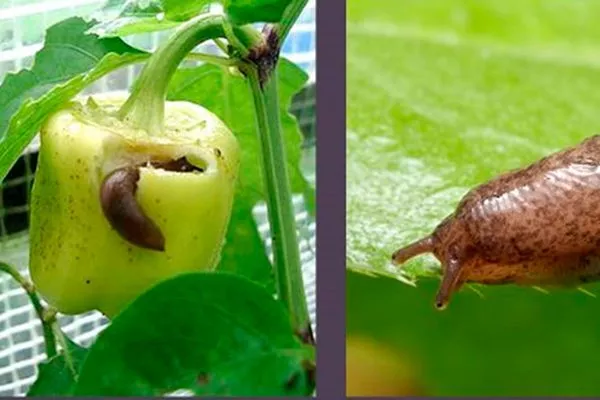
Slugs pose a threat to peppers by eating their leaves and bushes, creating holes and leaving slimy residue, which can lead to rotting of the damaged plants. Weeds can serve as a hiding place for slugs. Regularly clearing the area of weeds creates a less inviting environment.
Sprinkling quicklime on the soil can be an effective method of controlling slugs. The lime creates an inhospitable environment, helping to reduce their numbers and prevent damage to plants.
Reviews
Growing Blondie peppers is an investment in flavor and benefits for your garden. From carefully sowing the seeds to carefully tending the plants, every step of the process is essential to ensuring a bountiful, high-quality harvest.