
Big Boy is one of the most popular and sought-after pepper varieties, earning recognition thanks to its excellent varietal characteristics. This early-ripening variety attracts attention not only with its vibrant and appetizing appearance but also with its excellent flavor. It has a strong immune system, and both experienced and novice gardeners can easily grow it.
History of appearance
This varietal fruit plant was developed by breeders N. V. Nastenko, V. G. Kachainik, and M. N. Gulkin. It was first presented in 2011 and entered into the state register the following year. Development took place at the Aelita company.
Description of Big Boy bell pepper
The vegetable is juicy, lacks bitterness, has a rich aroma, stores well, and withstands long-distance transportation well. It's important to carefully study all the characteristics of the crop to ensure bountiful harvests.
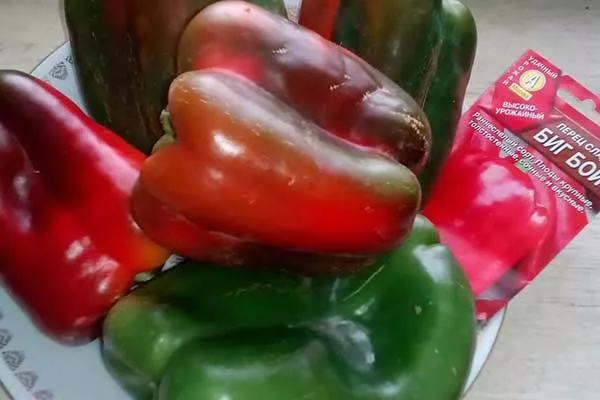
Weight, color and shape of fruits
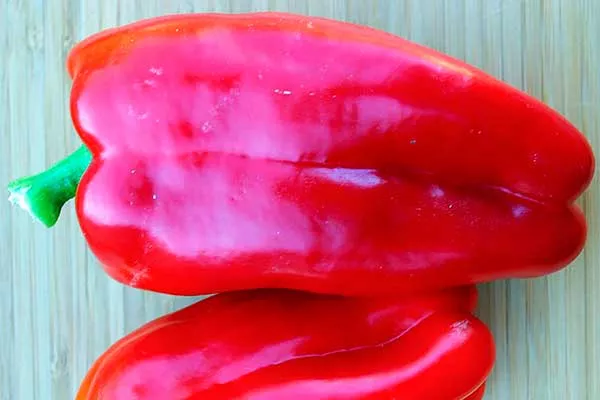
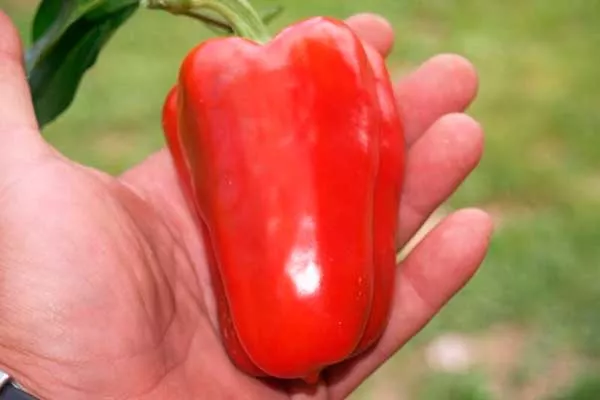
The peppers are cylindrical in shape with a glossy, shiny surface. When fully ripe, they acquire a rich, bright red color.
Height and size of the bush
Plants grown in open ground are short, about 60-70 cm, while under plastic cover, the shoots grow slightly taller. The crown is slightly spreading, and the stems are strong, so additional supports are not required to support the crop. The leaves are small and dark green, and the fruits grow drooping on the bush.
Taste and purpose
The flesh is meaty and juicy, with a pleasant aroma. Experienced tasters agree that the vegetable has a pleasantly sweet flavor. This variety is versatile. Big Boy peppers are suitable for freezing, fresh salads, canning, and also for making lecho, ketchup, and sauces.
Useful properties of fruits
The Big Boy variety is rich in vitamin C, which strengthens the immune system and helps fight infections. The fruit also contains vitamins A, B6, and E, which are beneficial for vision, the nervous system, and the skin. This vegetable is recommended for people with weakened immune systems.
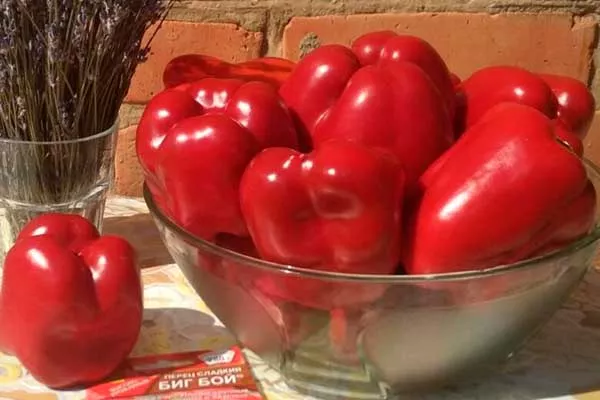
Antioxidants protect cells from damage, slow the aging process, and reduce the risk of chronic diseases. Its low calorie content makes it beneficial for maintaining a healthy weight, and the fiber promotes digestion.
Characteristics of Big Boy pepper
This variety has many positive qualities, making it a favorite choice for many gardeners in our country. It's easy to grow but requires minimal care.
Big Boy pepper yield
This variety is noteworthy for its high productivity. When grown in a greenhouse, it yields generous amounts of pepper—7.5 to 8 kg per square meter.
Disease resistance
The Big Boy variety is resistant to the tobacco mosaic virus. With proper care, it rarely suffers from the disease and is virtually immune to insect attacks.
Growing regions
The plant is successfully cultivated in various regions, including the Northern, Northwestern, Central, Volga-Vyatka, Central Black Earth, North Caucasus, Middle Volga, and Lower Volga regions. Big Boy grows well in the Ural, West Siberian, East Siberian, and Far Eastern regions.
Pros and cons
Before cultivating seedlings on a plot, it is important to study the positive and negative qualities of the crop in order to avoid all sorts of difficulties.
Big Boy has many advantages:
Among the disadvantages, some gardeners note susceptibility to certain diseases.
Features of cultivation
Begin preparing the soil for the beds in the fall. The best predecessors for the Big Boy variety are onions, cucumbers, legumes, and greens. Avoid growing the bushes in areas previously occupied by other nightshade crops.
- ✓ The soil pH level should be strictly within 6-6.6 for optimal nutrient absorption.
- ✓ The soil must be well-drained to avoid waterlogging and root rot.
Pepper is a heat- and light-loving plant with high watering requirements. Insufficient watering can slow seedling growth. The variety prefers fertile soil with a pH of 6-6.6.
When and how to plant seedlings?
To ensure the vegetable has time to ripen, sow it 60-70 days before you plan to transplant it to its permanent location. Depending on your region, sow it between February 10 and March 10.
Follow the recommendations:
- First, disinfect the planting material in a solution of potassium permanganate or fungicide.
- Place the seeds between layers of cheesecloth and place in a warm place, making sure the cloth doesn't dry out. They will sprout in 10-14 days. Don't let the sprouts overgrow, as they are delicate and may break.
- Use a ready-made potting mix or prepare your own by mixing peat, well-rotted compost, and sand in a ratio of 2:2:1. To protect seedlings from fungal diseases, steam the mixture in a steamer for at least one hour.
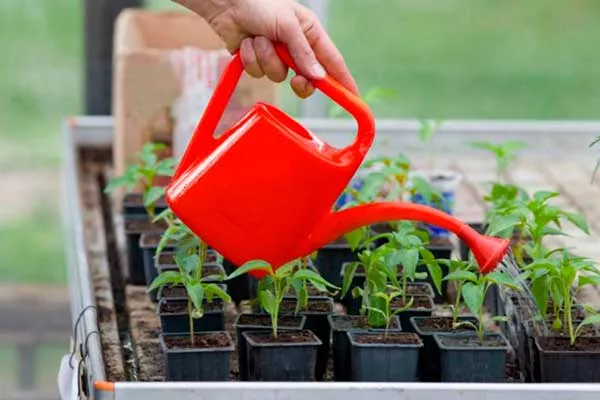
Planting pepper seedlings:
- Disinfect the container with a solution of potassium permanganate.
- Fill it with potting soil and compact it.
- Space seeds 1.5-2 cm apart to prevent shading.
- Cover with a layer of soil no more than 1.5 cm thick, compacting it lightly. When watering, make sure that the seeds do not end up on the surface.
- Maintain the temperature in the room where the seedlings will germinate at +25°C.
- After the seedlings appear, reduce the temperature to +15…+17°C.
To prevent the seedlings from becoming leggy, rotate the container periodically. When the seedlings develop 2-3 true leaves, transplant them into individual pots or cups.
Transplantation into open ground
When the average daily temperature reaches 15-17°C, transplant the seedlings into open ground after hardening them off. The distance between plants in a row should be 50 cm, and the width between rows should be 60 cm.
Make the plant holes not too deep. The root collar should remain above the surface when planting. After transplanting, water thoroughly and apply mulch.
Transplanting into a greenhouse
This is an important stage in the crop's cultivation process. It provides protection from adverse weather conditions and promotes faster growth. Proper preparation and careful care will help the crop adapt to new conditions and ensure a bountiful harvest.
Preparing a closed greenhouse
Before the season begins, inspect the area for any remaining plant debris, debris, and pests. Clean all surfaces and remove old mulch.
Follow these steps:
- Conduct a soil analysis to determine nutrient levels. Add the necessary fertilizers—both organic (humus, compost) and mineral. This will ensure the plants have access to all the necessary micronutrients.
- Make sure the greenhouse maintains an optimal temperature. The recommended temperature for comfortable seedling growth is around 20-25°C. Use heaters or ventilate the room if necessary.
Maintain the required humidity level. If the air is too dry, misters or humidifiers will help.
Work process and care
Seven to 10 days before transplanting, begin hardening off the seedlings. Take them outside for several hours a day, gradually increasing the time spent outdoors. This will help them adapt to greenhouse conditions.
Work order:
- Dig holes at a distance of 50 cm between plants and 60 cm between rows.
- On a cloudy day or in the evening, carefully remove the seedlings from their containers, being careful not to damage the roots. Place them in the holes, fill them with soil, and compact them lightly.
- Water the transplanted plants generously with warm, settled water. After watering, mulch the soil to retain moisture and prevent weed growth.
Monitor the temperature and humidity in the greenhouse and adjust them as needed. Check plants regularly for pests and diseases. If necessary, provide additional lighting on cloudy days.
Aftercare
Caring for the crop is essential, as the quality and size of the fruit depend on it. Following certain recommendations will help you achieve generous and abundant harvests.
Agrotechnical measures:
- Watering. Moisten the bushes every week with warm, settled water, which promotes their health and growth.
- Loosening and weed control. Loosen the soil regularly and remove weeds, but be careful, as the pepper's root system is located close to the surface.
- Garter. In a greenhouse, shoots grow taller, so they may need to be secured to supports for support.
- Trimming. To ensure a good harvest, remove side shoots and leaves before the fork, as well as fruits growing inside the bush. On secondary shoots, pinch off weaker buds.
- Top dressing. Fertilize the plant every two weeks. Use herbal infusions before fruit set, and potassium-phosphorus solutions during fruit formation. Apply fertilizer to moist soil.
- Ventilation. Ensure regular ventilation of the room to create comfortable conditions for the bushes.
- Before the ovaries appear: use herbal infusions every two weeks.
- During fruit formation: switch to potassium-phosphorus compounds.
- Apply all fertilizers to moist soil for better absorption.
Prevention of diseases and pests
The Big Boy pepper isn't particularly resistant to most diseases and pests. However, if not properly cared for, it can be susceptible to certain problems:
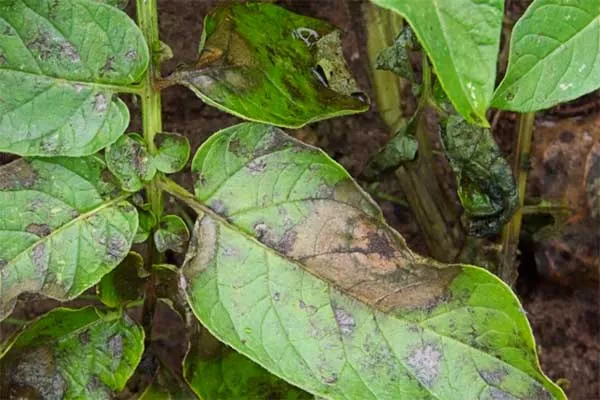
- Late blight. A common fungal disease that manifests as brown spots on leaves and fruit. To prevent this, spray the bushes with Fitosporin.
- Verticillium wilt. Symptoms of the disease include wilting of plants and drying of leaves. There is no cure, so remove diseased plants and disinfect the soil.
- Blossom-end rot. It occurs due to a mineral deficiency and appears as whitish, damp spots, which are easily treated by adding calcium nitrate to the soil.
- Blackleg. Accompanied by darkening of the base of the trunk. To prevent fungal disease, preventative measures are sufficient, including treating the seeds with potassium permanganate and avoiding stagnant soil moisture.
- Colorado beetle. The insect can destroy all foliage if left untreated. For small infestations, collect the beetles by hand, but for large numbers, use specialized chemicals or natural methods, such as planting horseradish, beans, or calendula near the peppers.
- Spider mite. A sign of a serious infestation is the appearance of webbing. Leaves begin to wilt, and the mites themselves reside on the underside of the foliage. Use specialized treatments to control them.
- Aphid. This tiny insect sucks the sap from plants. It's difficult to notice in the early stages of infestation, but if ants and white egg deposits accumulate under the bushes, it's a sign to take action. To control aphids, use insecticides or a soapy solution with ash.
Analogues
| Name | Ripening period | Disease resistance | Recommended growing regions |
|---|---|---|---|
| Big Boy | Early ripening | High | Northern, Northwestern, Central, Volga-Vyatka, Central Black Earth, North Caucasian, Middle Volga, Lower Volga, Ural, West Siberian, East Siberian, Far Eastern |
| Big Papa | Mid-season | Average | Central, Central Black Earth, North Caucasian |
| Big Mama | Late-ripening | Low | North Caucasian, Middle Volga |
| Big Girl | Mid-season | High | Central, Central Black Earth |
The Big family from the Aelita company includes several varieties: Big Papa, a rich purple color, Big Mama, an orange color, and Big Girl, also orange, but smaller in size compared to Big Mama.
Varieties with different ripening times include Winnie-the-Pooh, Siberian Prince, Spanish Sweet, Snow White, Morozko, and Kupets. Varieties with distinctive shapes include Ferrari F1, Maccabi, Red Elephant, Bogatyr, Belozerka, and Alyosha Popovich.
Gardeners' reviews of the Big Boy pepper
Big Boy peppers boast excellent flavor and produce generous harvests. Due to their numerous advantages, many gardeners across the country choose them for cultivation. By following planting recommendations and caring for them, you'll grow strong plants that will produce juicy, large fruits throughout the season.