
The Beloserka sweet pepper variety is one of the most well-known of all peppers. Almost every large agricultural company grows this variety. Gardeners and vegetable growers note that Beloserka has advantages over other varieties. You can learn about the reasons for this variety's popularity and the specific care and maintenance requirements for it by reading this article.
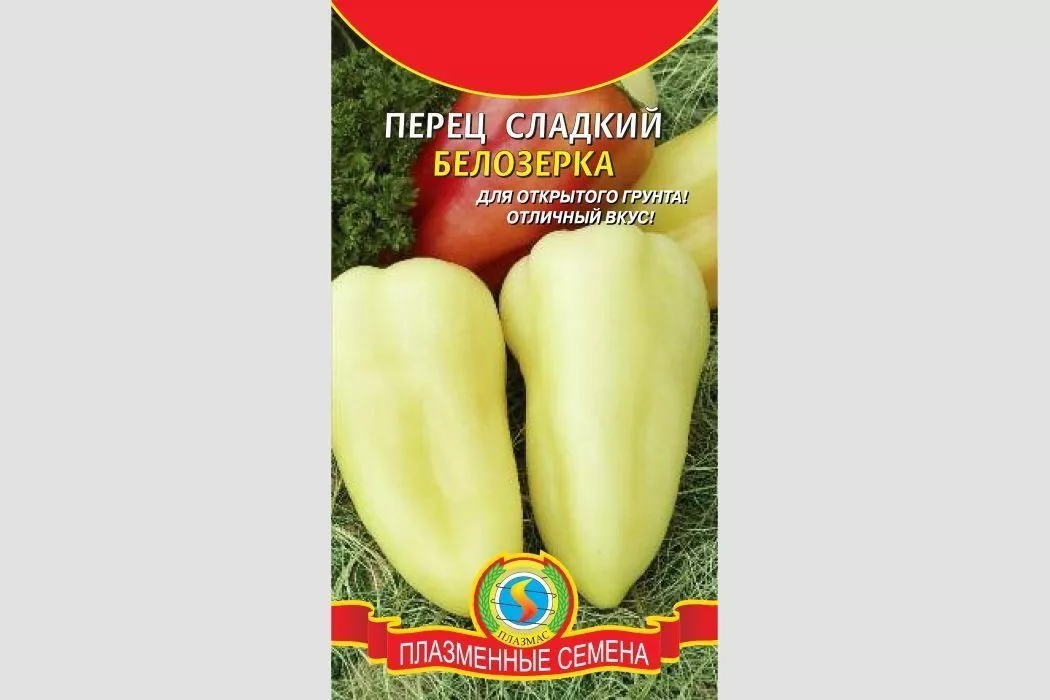
Belozerka pepper seeds
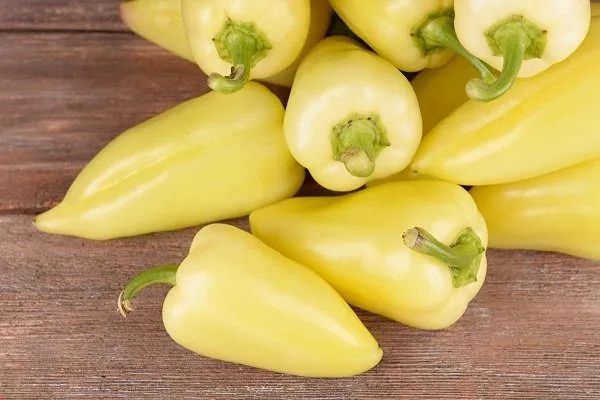
The fruits of the Beloserka sweet pepper are cone-shaped.
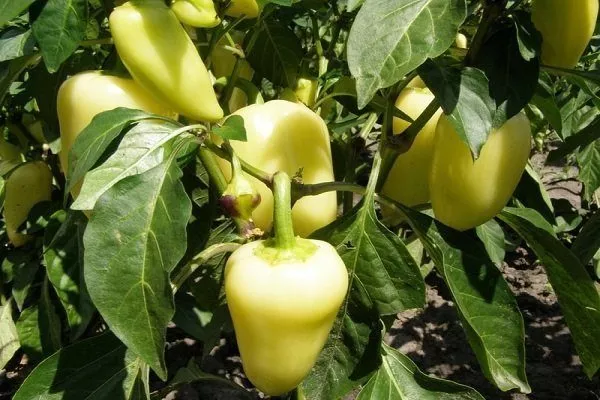
Sweet pepper Beloserka
Description and characteristics of the variety
The Belozerka pepper variety was bred in Russia back in the 1990s. Several years later, this sweet pepper variety was officially listed in the Russian Federation State Register. The original name of this variety was "Lumina."
This variety is perfectly adapted to the challenging climate of our country. Breeders have successfully grafted the plant to withstand sudden temperature fluctuations, a fairly common occurrence in the Russian climate.
Bush
'Belozerka' is a hybrid, so it shares some of the characteristic features of other varieties. Its growing season lasts approximately 100 days. It takes at least 145 days to reach biological maturity.
The bush reaches a maximum height of 75 cm. Therefore, 'Belozerka' peppers require no support or additional staking. The bush is semi-standard with voluminous, dark green foliage. The main stem is strong, and the roots (with proper care and maintenance) are robust and resistant to harmful insects.
Fruit
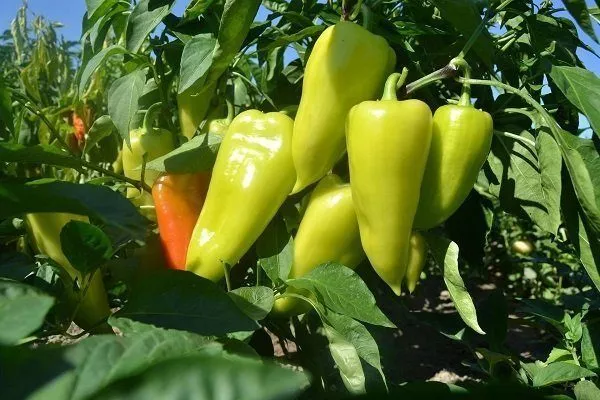
The Belozerka pepper may visually resemble a cone. Its main distinguishing feature from other sweet peppers is the pointed tip of the fruit. Before reaching biological maturity, the fruit's skin has a light greenish tint. Afterward, it takes on one of two possible colors: scarlet or yellow.
The skin of healthy peppers has the characteristic shine of all sweet peppers. The skin thickness does not exceed 7 mm. However, this thickness may vary (or decrease) depending on the location of the plant—outdoors or in a greenhouse. Learn more about growing peppers in a greenhouse. here.
The fruit contains a small volume of seeds that are easily removed. Belozerka peppers are sweet, without any sour or bitter aftertaste. The flesh is typically firm and firm. The maximum weight of a single fruit is 135 g, while the minimum is 80 g.
Ripening speed
Belozerka's fruits are mid-early. It takes at least 115 days from transplanting the seedling into open ground for the fruit to ripen. Keep in mind that several factors influence the ripening time of sweet peppers:
- climate;
- the presence of harmful insects or infectious diseases;
- prolonged absence of sun;
- temperature of water used for irrigation.
Productivity
One of the reasons for the enduring popularity of the Belozerka sweet pepper variety is its high yield. It's especially worth noting that all the fruits ripen simultaneously on the bush, making harvesting easier. One square meter yields approximately 8-9 kg of sweet and juicy peppers.
Advantages and disadvantages of the Beloserka pepper
The question of why gardeners and horticulturists love this pepper variety can be answered by examining its advantages:
- The plant isn't demanding in terms of maintenance. Care is so simple that even an inexperienced gardener can handle it. Moreover, the plant is so undemanding that even with less-than-ideal care, the harvest will be good.
- There's no need for regular fertilization. During the growing season, the plant will need to be fertilized twice: when the first two leaves appear and again after a week and a half. Any organic fertilizer can be used.
- The low height of the bushes eliminates the need for gardeners to fertilize and tie the stems. The massive leaves, located primarily at the top of the plant, create a sort of "umbrella" for the fruit, protecting the peppers from the sun's scorching rays.
- All fruits have an excellent commercial appearance.
- Belozerka peppers have a long shelf life. Fruits harvested at technical maturity can be transported over long distances without losing their marketable appearance.
- This variety has good resistance to fungal diseases.
- Peppers have a universal purpose – canning, fresh use, freezing or pickling.
No serious defects were noted in this variety.
Over time, the upper part of the bush becomes deformed, and the plant begins to wilt. The fruits become less visually attractive and, according to gardeners, are unsuitable for canning.
Features of planting and growing
The Belozerka sweet pepper variety can be grown both outdoors and in greenhouses. To ensure vigorous growth and development, the plant requires careful seed preparation and subsequent seedling care in the early stages. The preferred time for planting seedlings is late March.
- ✓ The optimal soil temperature for planting seedlings should be at least +15°C.
- ✓ The distance between plants should be at least 60 cm to ensure sufficient space for root growth.
Seed preparation
A few days before the intended planting date, you need to perform a few simple preparatory steps. First, soak the seeds in a deep container of warm water for 2-3 hours. After this time, remove any seeds floating on the surface of the water. They will not germinate and are therefore unsuitable for planting.
Re-immerse the remaining seeds in clean, warm water, this time adding a few drops of potassium permanganate. Growth-promoting agents may be used.
Planting seeds
After preparing the seeds, it's time to plant them. Make several small holes in the soil in peat pots or any other container. Place the seeds at a depth of no more than 1.5 cm.
It is preferable to use separate containers for growing sweet peppers, since the plant’s root system develops quite quickly and sooner or later it will need to be picked.
Selecting and preparing soil
To ensure seedlings emerge at the same time, try to maintain a consistent room temperature. Avoid drafts or excessive heat. The optimal room temperature should be at least 24 degrees Celsius.
Once the seeds have been sown, moisten the top layer of soil with a spray bottle. Then wrap the containers in plastic wrap to create a "greenhouse effect."
Sweet pepper seeds require fertile soil. A ready-made soil mix, available at any gardening store, is ideal. To strengthen the seedlings' roots, use a complex mineral fertilizer. It should only be used after the first three leaves have formed.
Please note the proportions: for 4 liters of liquid (warm water), use 10 g of superphosphate and 5 g of potassium. Fertilize again after 14 days, this time doubling the amount of nutrients used.
Planting seedlings
The seedlings are planted in open ground in the last days of May. The distance between plants should be at least 60 cm, and between rows – 70 cm.
A few days before planting, harden off the seedlings. To do this, place them outdoors for 10-15 minutes the first time. Increase the interval by 5-7 minutes in subsequent times.
Hardening off allows the plant to adapt more effectively and quickly to new conditions when planted in open ground.
It's recommended to postpone planting seedlings until the afternoon. In cloudy weather, planting in the morning is acceptable.
Loosen the prepared beds and make the required number of holes. Water the holes generously. Don't skimp on water; each hole should use at least 1 liter of warm water. Slowly remove the seedling from the pot and place it in the hole. Sprinkle the seedling with fertile soil.
Caring for seedlings after planting in the ground
Due to the undemanding nature of the Belozerka sweet pepper variety, basic care consists of timely watering, weeding, and fertilizing as needed. Loosen the soil along the diameter of the bush, but try not to penetrate deeper than 7 cm. This is because the root system is mostly located in the upper layers of the soil.
It's also worth mentioning the impact of temperature on plants. If the vegetable crop is grown in a greenhouse, no difficulties should arise. However, if you decide to plant seedlings in open beds, you need to monitor the plant's condition more closely.
Although this variety copes well with adverse weather conditions, try to protect the crop from external factors whenever possible. Use a special covering material for vegetable crops if the outside temperature is close to 5 degrees Celsius.
Watering
Water the shrubs once every 7 days, or twice in hot weather. Use only warm, preferably settled, water. The ideal temperature for this water is 25°C (77°F). A minimum of 13 liters of water should be used per square meter.
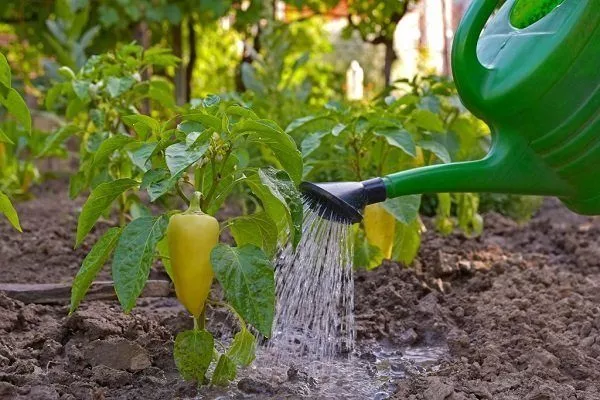
Flowering and fruit ripening are stages when the plant requires moist soil. Therefore, water three times every seven days, doubling the amount of liquid.
Top dressing
Beloserka peppers don't require regular fertilization. They obtain all the necessary nutrients and beneficial microelements from fertile soil and water. However, if desired, fertilizing to stimulate plant growth and development is acceptable. However, this should be done in moderation and not overdoing it.
For this variety, it is recommended to use only mineral complex fertilizers. It is advisable to avoid chlorine-based fertilizers, as this substance and sweet peppers do not tolerate each other well.
Use no more than 3 tablespoons of mineral fertilizer per hole. Apply the mixture to the plant's root system. Then, thoroughly loosen the soil around the diameter of the bush.
Remember that all fertilizers should be applied only to moist soil. Therefore, shrubs should be watered with warm, stagnant water beforehand.
For more information on fertilizing pepper seedlings, please read the article:When and how to properly feed pepper seedlings?
Harvesting and storage
There are two ways to harvest:
- The first method is suitable for those who plan to use the peppers immediately, for example, for cooking or making homemade winter preserves. Harvesting occurs when the peppers reach biological maturity, when the skin acquires a characteristic scarlet or yellow hue.
- The second option is ideal for transporting fruit over long distances or for long-term storage for later use. In this case, the harvest is made when the fruit reaches technical maturity.
Harvest peppers using pruning shears or scissors, cutting off the fruit along with the stems. Store peppers free of scratches, dents, and other mechanical damage.
For best storage, wrap large quantities of peppers in paper towels and place them in wooden crates. This way, they can last throughout the winter months. Check the peppers occasionally for rot and remove any damaged ones if necessary.
| Storage method | Shelf life | Conditions |
|---|---|---|
| In wooden boxes | Up to 3 months | Temperature +5°C, humidity 85% |
| Freezing | Up to 12 months | Temperature -18°C |
Freezing is another good method for storing this vegetable. However, all peppers must be ripe. Rinse the vegetables in cool water and pat dry with a towel to remove excess moisture. Then remove the stems and seeds. Cut the peppers into strips or cubes. Place the slices in plastic bags or food containers and place in the freezer.
Diseases and pests
One of the main advantages of the Beloserka sweet pepper variety is its resistance to various diseases. Fungal infections most common among sweet peppers, such as late blight, fusarium, and rot, pose no threat to Beloserka bushes. As a preventative measure, plants are treated once or twice with fungicide solutions, including Barrier and Fitosporin.
The only difficulty in caring for this variety is insect pests. The vegetables can be regularly attacked by aphids or spider mites. Fortunately, there are extremely effective home remedies for pest control.
One of the most well-known remedies is a garlic infusion sprayed on the leaves of the bushes. A great alternative is onion peels mixed with grated laundry soap and steeped in boiling water.
Reviews of Beloserka pepper
Belozerka peppers combine the best traits of various sweet varieties. Easy to care for and maintain, they deliver a bountiful harvest of juicy and delicious peppers. This variety is ideal for those who don't have time to spend in their garden every day. If you follow basic growing guidelines, you can harvest in as little as 2.5 months.