
The Baraniy Horn pepper is characterized by high yields and a rich, pungent flavor, ideal for fresh consumption and various preserves. This variety is appealing for its versatility, excellent appearance, and long fruiting period. It adapts well to a variety of growing conditions.
Brief description of the variety
Ram's Horn is a hot pepper variety created by Russian breeders V.V. Ognev, N.N. Klimenko, S.V. Maksimov, and A.N. Kostenko. The application for registration was submitted in 2012, and the variety was added to the State Register of Breeding Achievements of the Russian Federation that same year.
You can get acquainted with other varieties of hot peppers, recognized by domestic gardeners as some of the best, Here.
Appearance of the bush
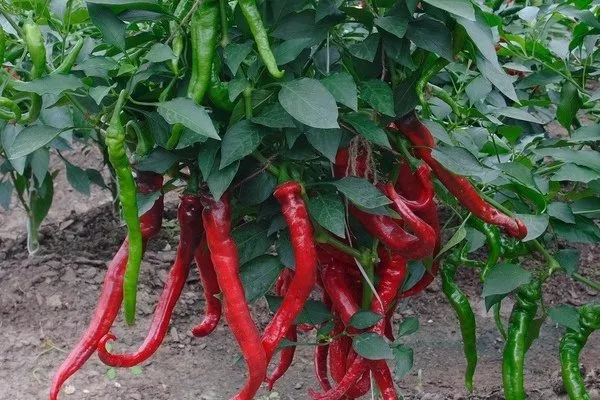
The plants are medium-sized and have a compact, dense habit. In open ground, they grow to 50-60 cm, while in greenhouse conditions they can reach 100-110 cm. The leaves are green, medium-sized, and slightly wrinkled.
Thanks to its vertical growth and non-spreading crown, this variety allows for efficient use of space in the garden bed.
Features and characteristics of fruits
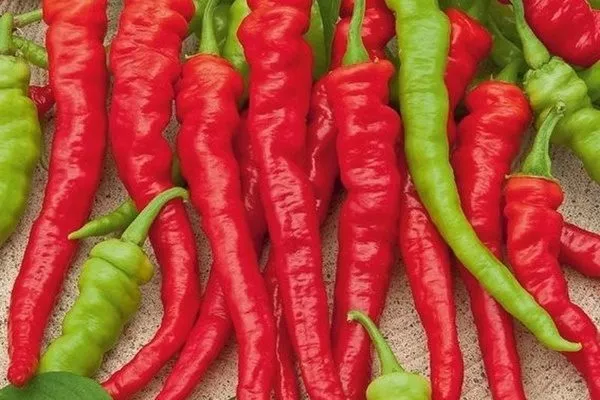
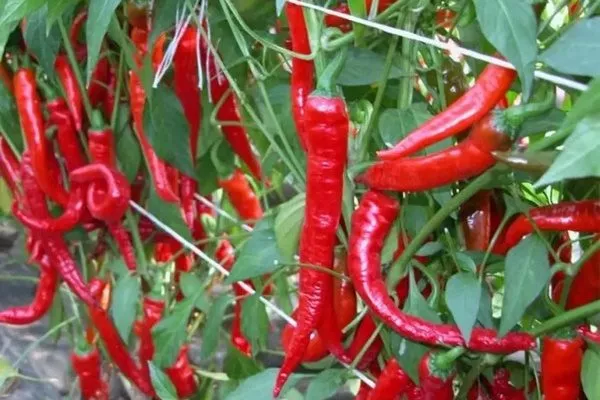
The peppers have a drooping, elongated shape with a characteristic curved outline, reminiscent of ram's horns - the tip bends in the opposite direction.
Distinguishing characteristics:
- The surface is slightly wrinkled, the diameter reaches 3 cm, weight – from 15 to 25 g.
- At technical maturity, the color is pale green with a whitish tint; when fully ripe, it is dark red and rich.
- A cross-section reveals 2-3 seed nests. Since this variety is not a hybrid, the seeds can be used for subsequent cultivation.
- Wall thickness: 1.5-2 mm.
- The taste is very sharp, with a distinct spicy aroma, so pepper is added to food in limited quantities.
In which regions can it be grown?
According to the State Register of Breeding Achievements, this variety is recommended for cultivation in most regions of Russia. It is successfully cultivated in the following areas:
- Central zone, including Moscow region;
- Volga region;
- Black Earth Region;
- southern regions;
- in the Northwest, the Urals, Western and Eastern Siberia and the Far East.
Productivity
Up to 3 kg of yield can be harvested from one square meter of "Baranii Horn" pepper planting. Each plant produces approximately 50-60 fruits. This yield is achieved when grown under plastic cover and following agricultural requirements, regardless of the region. In cooler years, yields may decrease slightly.
Disease resistance
The Ram's Horn variety is characterized by moderate disease resistance. Plants can be affected by phytoplasmosis, late blight, and bronze leaf spot. Pests such as aphids, wireworms, spider mites, and other insects are also possible.
To protect plantings, it is recommended to regularly carry out preventative treatments and carefully inspect the bushes for signs of infestation.
Application
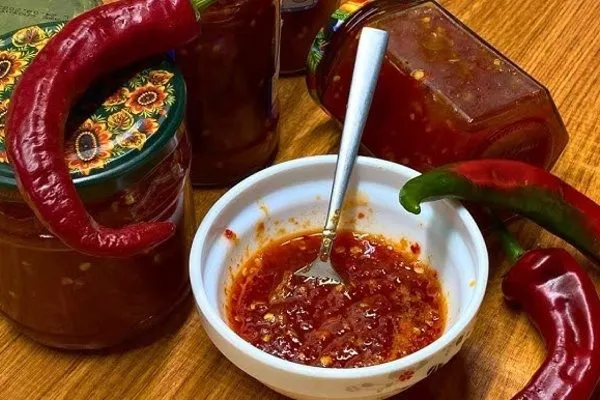
Thanks to its moderate heat, Ram's Horn pepper is suitable for those who prefer very spicy dishes. It can even be consumed in moderation by those with certain digestive ailments.
The fruits are used both fresh and pickled. They pair well with meat, side dishes, and appetizers, and are used as a seasoning.
Landing features
Due to this crop's sensitivity and high care requirements, it is recommended to grow it exclusively from seedlings. This is because it is difficult to provide suitable conditions for seed germination and young shoot development in open ground.
Deadlines
Sow Ram's Horn pepper seeds for seedlings between February 1st and 10th. By the time they're transplanted into a greenhouse or open ground, the plants will have time to strengthen and develop a healthy root system.
Plant seedlings under plastic cover in mid-May, and in open beds in early June. By this time, some seedlings may have flower stalks located at the first fork of the stem.
Selection of planting material
Ram's Horn pepper seeds can be purchased at specialty stores or nurseries. They are typically pre-treated and ready for planting.

When choosing packaging, pay attention to its condition: it should be intact, without mechanical damage, damp marks, or dried spots, which may indicate a violation of storage conditions.
Preparing seeds and soil
The harvest and shelf life dates indicated on the packaging help you assess the freshness and quality of your seed. Follow these steps:
- If the seeds were collected independently or sold in bulk, select large, healthy specimens without signs of mold or foreign inclusions, weeding out any unsuitable ones.
- Before planting, disinfect the seeds by soaking them for 30-40 minutes in a saturated solution of potassium permanganate.
- While the seeds are being processed, prepare the soil mixture: mix equal parts garden soil, humus, and sand. Add 20 g of chalk or gypsum for every 5 kg of mixture and mix thoroughly.
- Set some of the prepared soil aside, and place the rest in a planting container and water generously with a hot solution of potassium permanganate.
Growing seedlings
Ram's Horn peppers grown from seedlings have higher yields and better-quality fruit. Learn all the intricacies of sowing seeds and caring for seedlings. Here.
Follow the basic rules:
- After the soil has cooled slightly, compact it lightly and spread the prepared seeds on the surface without burying them too deep. Then cover them with a layer of reserved soil or river sand about 0.5 cm thick.
- Cover the container with the seeds with plastic wrap or glass and place it in a warm place at approximately 25°C for germination. The first sprouts will appear within a week, after which remove the cover and move the container to a well-lit area.
- Before picking, maintain the same temperature and provide additional lighting.
- When the sprouts have developed 2-3 true leaves, transplant them into individual peat pots, small cups, or a spacious container spaced 10x10 cm apart. When transplanting, carefully remove the sprouts from their original container and plant them to the level of the cotyledon leaves.
- The root system of seedlings is very delicate, so it is not recommended to transplant them directly into larger containers - this may stunt the plants' growth.
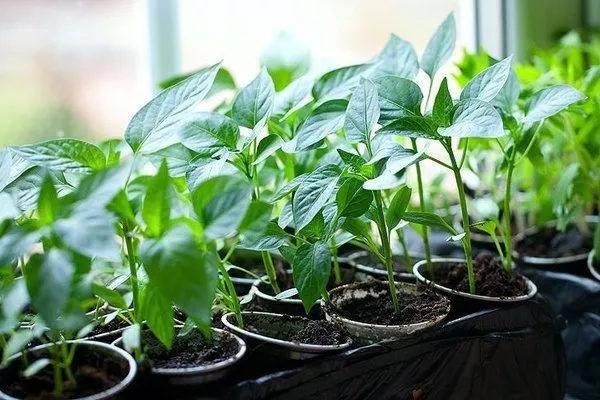
- For uniform growth, place the seedlings in a south-facing window, rotating the pots regularly to prevent the sprouts from becoming stretched or crooked. If there is insufficient natural light, supplemental lighting for 14-15 hours per day is required.
- Until a strong root system forms, water the plants with small portions of warm water, gradually switching to watering through a tray after the seedlings have strengthened.
Don't neglect fertilizing your seedlings. You can read about when and how to properly fertilize pepper seedlings here. Here.
When the seedlings are three months old, transplant them to their permanent location. These plants quickly adapt and begin to grow vigorously.
Transplanting into beds and care
Plant mature pepper seedlings in open ground after the threat of recurrent spring frosts has passed.
Requirements and conditions:
- Since peppers are sun-loving, a well-lit, wind-protected location is ideal. Dig the soil beforehand, adding 10 kg of humus, 500 g of wood ash, and 1 kg of an acidifier (chalk, dolomite flour, or gypsum) per square meter.
- Plant the seedlings in a 50x30 cm pattern at a depth of no more than 10 cm. It is recommended not to plant the root collar too deeply. It is preferable to transplant the seedlings (planting them with the root ball still attached).
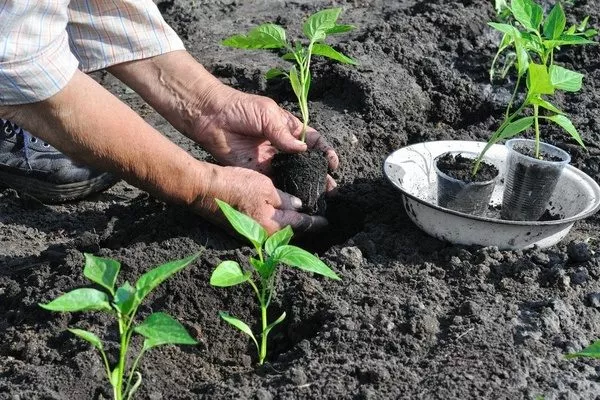
- In cold climates, it's best to plant Ram's Horn peppers in narrow beds in two rows. This makes it easier to install arched supports to temporarily shelter the plants during inclement weather. With proper care, the harvest can be as early as July.
- When bushes become overgrown, experienced gardeners recommend removing yellowed lower leaves and shoots that have borne fruit, which improves ventilation and stimulates the formation of new ovaries.
Growing hot peppers at home
If you plan to grow peppers indoors, transplant the seedlings into pots with a drainage layer under the soil mixture when transplanting. You can read more about the intricacies of growing hot peppers indoors here. Here.
Follow the rules:
- Place plants on windowsills facing south, southeast or southwest.
- If natural light is insufficient, provide supplemental lighting. When the sprouts reach about 20 cm, pinch their tips to promote branching.
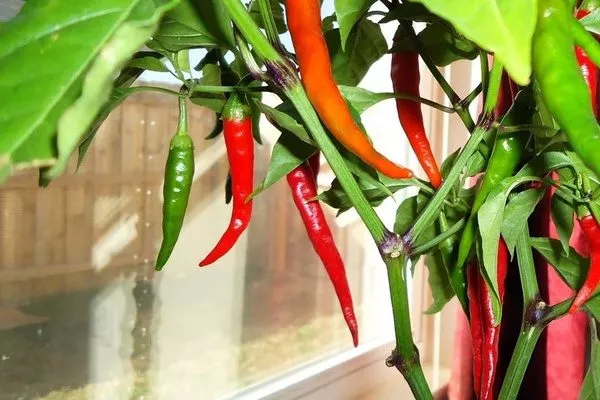
- Caring for hot peppers indoors involves regular watering and fertilizing. Moisten with settled, room-temperature water, not pouring it directly onto the soil but pouring it into a tray underneath the pot. Once the water has been completely absorbed, add more.
- In spring and summer, feed the crop with complex mineral fertilizers, applying them to moistened soil after watering. When ventilating, ensure that the plants are not exposed to drafts.
Diseases and pests
Unlike many other vegetable crops, the Ram's Horn pepper is particularly susceptible to pests and various diseases. The main problems and their control methods are presented in the table:
| Pest/disease | Symptoms | Treatment methods |
| Aphid | Damages leaves and fruits, causing bushes to wither and dry out. | Treat with insecticidal solutions. |
| Spider mite | A thin web appears on the stems, branches and leaves, and the plant gradually withers and dies. | Spray with Fufanon, Actellic, Fosbecid, Karbofos. |
| Wireworm | Click beetle larvae eat fruits and leaves. | Before planting in the ground, apply bait and destroy pests, repeating the procedure until they are completely eliminated. |
| Slugs | They damage fruits, causing them to wither and fall off. | Use the Strela preparation, add a solution of saltpeter into the furrows around the plants, sprinkle mustard powder or crushed hot pepper around the bushes. |
| Mosaic disease | Yellow spots on fruits, light green marks, curling and deformation of leaves. | Disinfect the grains before sowing, treat young plants with a solution of milk and water (10:1) when the disease appears. |
| Rot | Damage to fruit tips. | Adjust watering and fertilizing, remove infected fruits, and treat the remaining ones with a solution of saltpeter. |
| Gray and white rot | Only fruits are affected. | For prevention, use fungicides Topaz, Hom, Ordan. |
| Bronzeness | Dying off of parts of leaves and fruits. | Remove and destroy affected plants, treat healthy bushes with Fundazol. |
| Stolbur | Dwarfism and yellowing of bushes, small fruits. | Carriers are insects. Remove diseased plants and frequently loosen the soil around healthy plants to prevent pests. |
| Late blight | Small black spots appear on the fruits, which quickly increase in size and harden. | For prevention, spray with Barrier and Zaslon preparations. |
In addition to pest and disease control, it's important to strictly adhere to agricultural practices when growing Ram's Horn peppers. Even short-term exposure to unfavorable factors can weaken the plants or destroy the harvest.
These factors include:
- prolonged frosts;
- excessive heat;
- waterlogging or stagnation of water in the soil;
- moisture getting on the leaves.
Analogues
The Ram's Horn pepper has several similar varieties and hybrids that share similar characteristics. Popular varieties include:
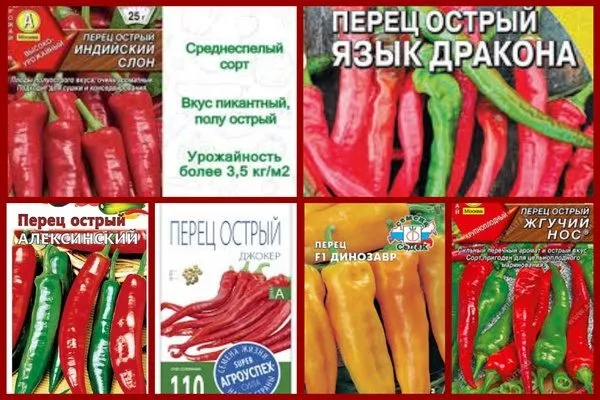
- Indian elephant. The fruit weight varies from 22 to 25 g, the walls are 2 mm, the taste is semi-sharp.
- Dragon's tongue. Very small fruits weighing 3.5 g. The variety is valued for its rich peppery aroma and strong pungency.
- Aleksinsky. An early variety with semi-sharp pods weighing 20-25 g. The yield reaches 3-4 kg per 1 sq. m.
- Joker. Fruits weigh 50-70 g with walls 3 mm thick. The plant is moisture-tolerant and requires full sunlight.
- Dinosaur F1. The hybrid delights with yellow-fruited, trunk-shaped peppers weighing about 95 g. Productivity reaches up to 6 kg per 1 sq. m.
- Burning nose. Vegetables weigh about 30 g. The crop can withstand periods of drought.
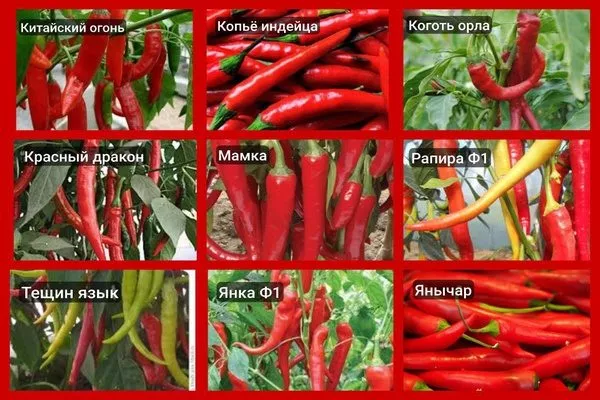
- Chinese fire. Very long pods weigh 35-38 g. Green vegetables are semi-sharp, red ones are hot.
- Indian spear. The peppers are small, weighing only 7-10 g, and the wall thickness is 2 mm.
- Eagle's claw. Pods weigh 55-65 g. Average yield – 4 kg per 1 sq. m.
- Red dragon. The vegetables weigh around 10 grams. Green peppers are mildly spicy, while red ones are hot. Productivity is low—only 2.5 kg per square meter.
- Nurse. The vegetables weigh 20 g. The crop has the same yield indicators as the Red Dragon variety.
- F1 rapier. The fruits are light red when fully ripe, very long, weighing 65-75 g with a small diameter.
- Mother-in-law's tongue. Peppers weigh between 40 and 45 grams. The crop is very drought-resistant. You can find more details about this popular variety here. here.
- Yanka F1. The Dutch hybrid produces fruits weighing about 40 g. The plants easily tolerate a lack of watering.
- Janissary. The average weight of vegetables is 40 g. The variety has low productivity – only 2 kg per 1 sq. m.
Pros and cons
Reviews
The Ram's Horn pepper is prized for its consistent fruiting and excellent flavor, even in cool weather. Despite some care requirements, this variety is highly productive and attractive. It's an excellent choice for those who love spicy vegetables, guaranteeing a high-quality and tasty harvest, but requires proper care.