
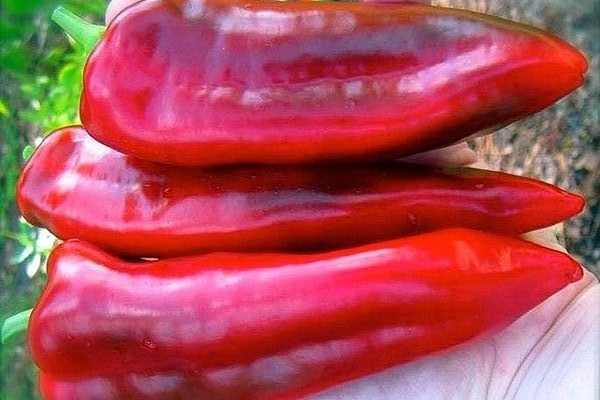
The Banana Dessert pepper attracts attention with its bright, large, unusually shaped fruits and excellent flavor. This variety is prized for its cold hardiness and low maintenance, making it suitable for successful cultivation even in northern regions. Its high productivity and versatility make it popular among gardeners and professionals.
Description of the variety
This variety was developed by Siberian breeders in 2017. It is characterized by high resistance to sudden temperature fluctuations, cold, and strong winds. Even with insufficient soil moisture, the plant continues to produce fruit reliably.
Characteristics of the appearance of the plant and fruits
The bushes have a strong structure and reach a height of about 70 cm. Other distinctive characteristics:
- leaves - dark green, medium sized, slightly wrinkled;
- fruits – elongated, narrowly conical in shape, weighing from 100 to 250 g, up to 35 cm in length;
- color - At the stage of technical ripeness, they have a greenish-white or creamy hue, which makes them look like a bunch of bananas - this explains the unusual name of the variety.
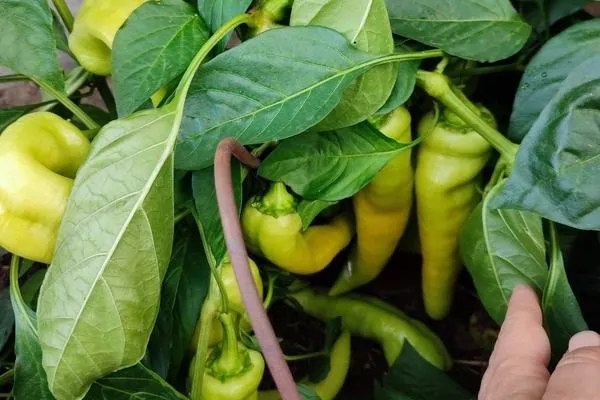
As the peppers ripen, they turn bright red.
Purpose and taste
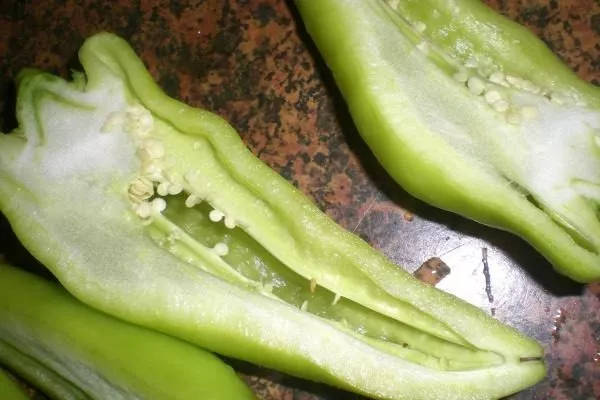
Peppers of this variety have a balanced, pleasant flavor with a slight sweetness. Thanks to the small number of seed chambers (only 2-3), the vegetables are easy to peel. Juicy and aromatic, they are excellent for both fresh eating and canning.
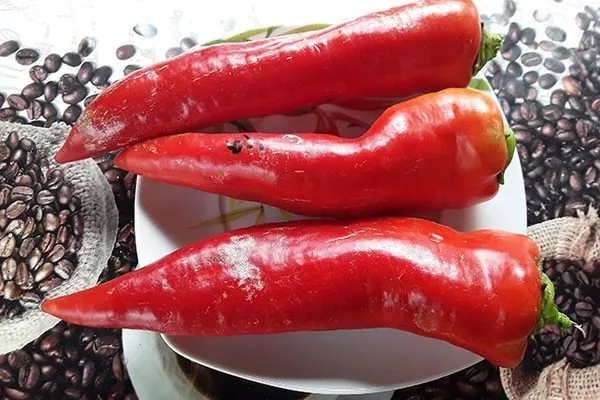
The fruits can be frozen, used in hot dishes, salads, soups, and other recipes. There are virtually no limitations to their culinary uses.
Ripening time and yield
Banana dessert is a mid-early variety: it takes about 120-125 days from germination to harvesting the first fruits. The harvest typically ripens in July-August.
Growing regions
Sweet peppers with their unique names are well-adapted to the conditions of the central, northern, and northwestern regions. They are successfully cultivated in the Ural, Volga-Vyatka, and Central Black Earth regions.
The crop is cultivated in the Middle Volga and Lower Volga regions, in parts of the Far East, and in Western and Eastern Siberia.
Soil preparation
To successfully grow the Banana Dessert pepper variety, you need to prepare the soil in advance. Basic recommendations:
- In the fall, choose a sunny, wind-protected spot, as the plant dislikes drafts. Remove plant debris from the bed and dig the soil to a depth of 25-30 cm.
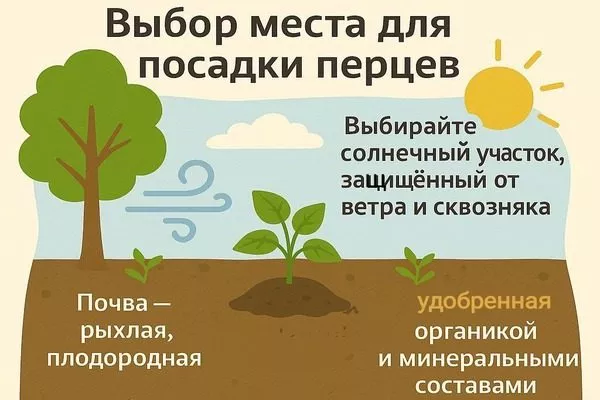
- Add organic matter: 5-7 kg of humus or compost, 30-40 g of superphosphate, and 15-20 g of potassium sulfate per 1 sq. m. If the soil is acidic, add lime or ash (200-300 g per 1 sq. m).
- When the snow melts, loosen the top layer of soil to speed up warming.
- 10-14 days before planting, apply nitrogen fertilizers – for example, 15-20 g of ammonium nitrate per square meter.
- Level the bed thoroughly; you can form low ridges.
- Water the soil with warm water and cover with film to warm it up.
Keep in mind that peppers don't grow well after nightshades (tomatoes, eggplants), but they thrive in areas where the following crops were previously grown:
- legumes;
- carrot;
- onion;
- cabbage.
The soil should be loose, fertile and well-drained – loams and sandy loams are best.
Landing
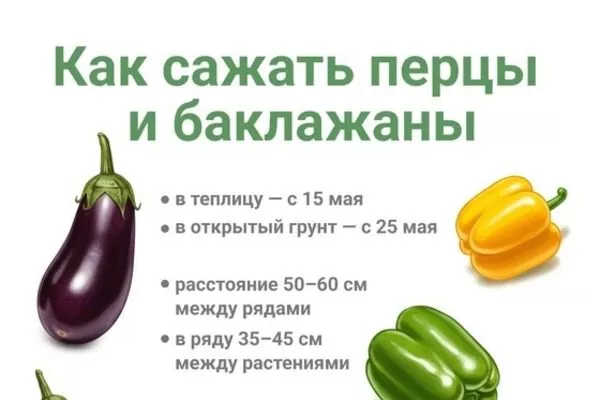
To grow the Banana Dessert pepper variety, it is important to properly prepare the beds, adhere to the planting pattern, and carefully plant the seedlings.
Follow the basic rules:
- Form beds 60-80 cm wide and 20-25 cm high if the soil is heavy or wet. Add a handful of humus or compost and 1 tablespoon of wood ash to each hole and mix thoroughly. Before planting, water the holes with warm water (1-1.5 liters per hole).

- Maintain a distance of 35-40 cm between plants in a row and 50-60 cm between rows. Place no more than 4-5 bushes per square meter to ensure good air circulation and access to light.
- Plant seedlings when the soil warms up to +15°C, and the daytime temperature remains consistently above +20°C.
- Plant the seedlings deep down to the cotyledon leaves, especially if they are stretched. Lightly compact the soil around the plants.
- Immediately after planting, moisten (0.5-1 l per bush) and mulch the surface with humus, peat or dry soil to retain moisture.
- During the first few days, if necessary, cover with non-woven material from the sun or nighttime cold.
If you prefer greenhouse vegetable growing, learn about all its nuances. Here.
Plant care
Caring for this crop doesn't require much effort, but it's important to follow certain guidelines. To ensure healthy plants and a bountiful harvest, follow standard agricultural practices:
- Watering. Water peppers only with warm, settled water (22-25°C). Water every 4-5 days before flowering, every 2-3 days after fruiting begins, and daily during hot weather. Apply water at the roots, avoiding the leaves and stems.
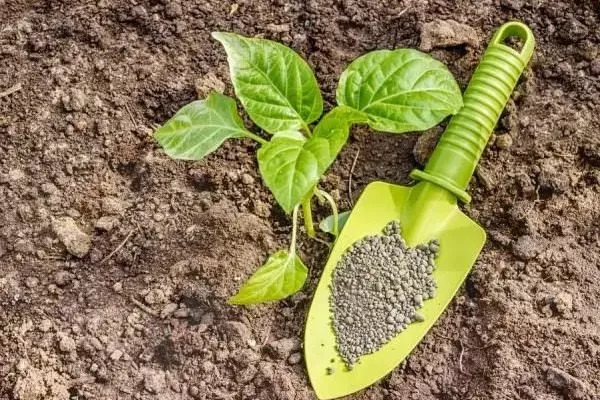
- Top dressing. Fertilize the bushes for the first time 10-14 days after planting, using a mullein solution (1:10) or bird droppings (1:20). During budding, use nitrophoska or ash infusion, and at the beginning of mass fruiting, apply potassium-phosphorus substances, such as superphosphate and potassium sulfate.
Alternate fertilizers – organic and mineral. - Loosening and mulching. After each watering, gently loosen the soil without damaging the roots. Use mulch (dry grass, straw, or compost) to retain moisture and prevent weeds.
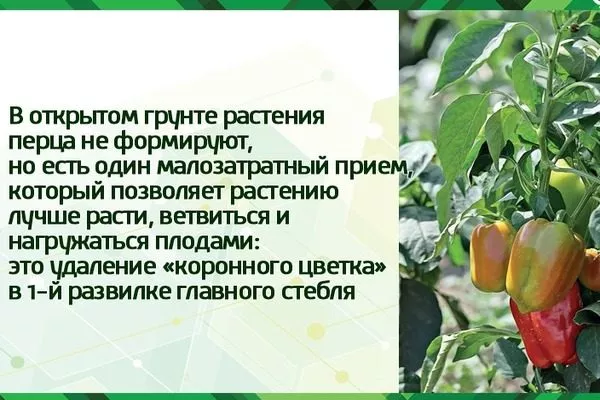
- Formation of a bush. Pinch the top if the plant is becoming leggy—this encourages branching. Remove lower leaves and side shoots below the first fork. Regularly remove diseased, dry, and crowded shoots.
Protection from diseases and pests
When growing the crop, there is a risk of encountering a number of problems. Despite its good immunity, the crop can suffer from diseases and be attacked by insects:
- Alternaria It most often appears in greenhouses. Brown spots appear on the leaves. To prevent this, regularly ventilate the room and maintain a stable temperature. At the first sign of the disease, treat the plants with Bordeaux mixture.
- Fusarium wilt The disease begins with yellowing of the lower leaves and the top of the plant. It spreads quickly throughout the bush and is untreatable. Remove and burn affected plants, and spray the remaining ones with Fundazol.
- Blossom end rot Occurs with excess nitrogen and a calcium deficiency. Water-soaked spots appear on the top of the fruit, which then die off. To correct this problem, fertilizing with calcium nitrate is recommended.
- Bacterial cancer Symptoms include thickening of stems and roots. If the infestation is minor, prune off affected areas and treat the cut surfaces. Remove heavily infected bushes from the area.
- Gray mold Affects flowers and vegetables: inflorescences darken and fall off, and a gray coating appears on the fruit. Prevention includes ensuring good ventilation and lighting. For treatment, use Fundazol, Topaz, or potassium iodide.
- Mole cricket Damages plant roots. In spring, dig the area deeply and spray with Medvetox.
- May beetle larvae damage the root system. To prevent damage, soak seedlings in a solution of Aktara before planting.
Harvesting and storage
Vegetable harvesting can typically begin in July or August, depending on planting time and growing conditions. If you want to speed up the ripening of your crop, learn how. Here.
Basic requirements:
- collect peppers both at technical ripeness (cream, greenish-white) and at biological ripeness (completely reddened);
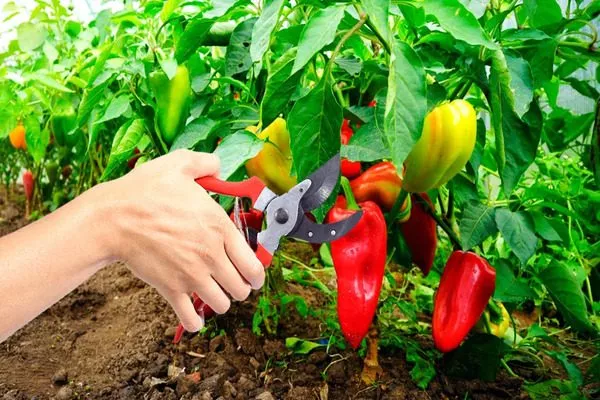
- Harvest in dry weather, carefully cutting vegetables with pruning shears or a knife so as not to damage the stems;
- Collect regularly, every 5-7 days, which stimulates the formation of new ovaries;
- fruits at the stage of technical ripeness are stored for up to 2-3 weeks at a temperature of +8…+10°C and humidity of 85-90%;
- ripe (red) peppers can be used immediately for food, canning or processing, they have a shorter shelf life - about a week;
Similar varieties and hybrids
In terms of fruit characteristics, the Banana Dessert variety is similar to several other sweet pepper varieties and hybrids. Similar varieties:
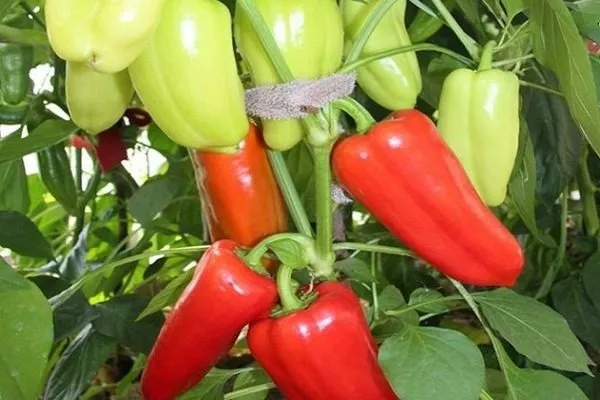
- Gypsy Hybrid – One of the earliest varieties. It takes only about 90 days from germination to technical maturity. The peppers are elongated, 10-15 cm long, and weigh up to 180 g. At biological maturity, they turn bright red.
The yield per bush reaches 1.5 kg. The hybrid is characterized by good taste and resistance to nightshade diseases such as late blight and tobacco mosaic.
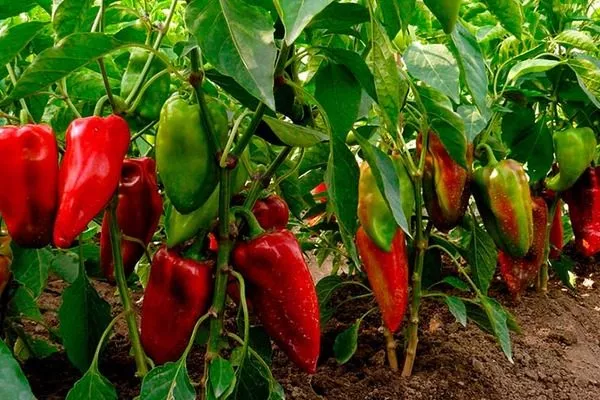
- Early ripening hybrid Buratino – A productive variety. One square meter yields up to 14 kg of fruit. The fruits reach a length of up to 17 cm and weigh approximately 100 g. When ripe, they acquire a rich red hue.
The crop tolerates both cold and heat well, is disease-resistant, and is unpretentious, making it suitable for cultivation in regions with risky farming.
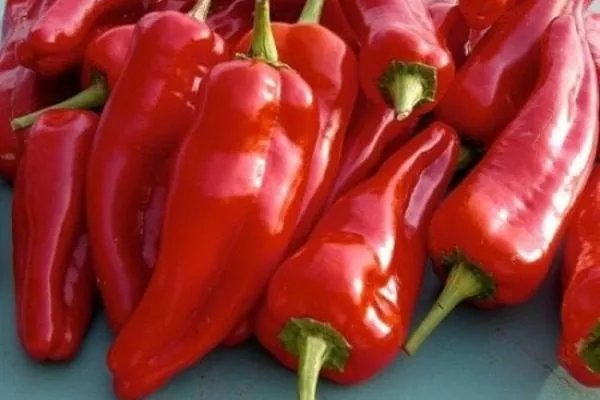
- Red elephant - A mid-season variety, the fruits reach technical maturity 110-115 days after emergence. The plants are vigorous, semi-spreading, and reach a height of approximately 1 m.
Large vegetables can reach a length of up to 22 cm and weigh up to 200 g. Productivity per square meter is up to 7 kg. They are ideal for growing in open ground and under plastic covers.
Pros and cons
Advantages:
Gardeners consider the only drawback of this variety to be its susceptibility to damage by harmful insects.
Reviews
The Banana Dessert pepper is a reliable and productive variety, combining an attractive appearance with a rich flavor. Its tolerance to adverse conditions and ease of cultivation make it an ideal choice for a variety of climates. Its versatility allows it to be used fresh, preserved, and cooked.