
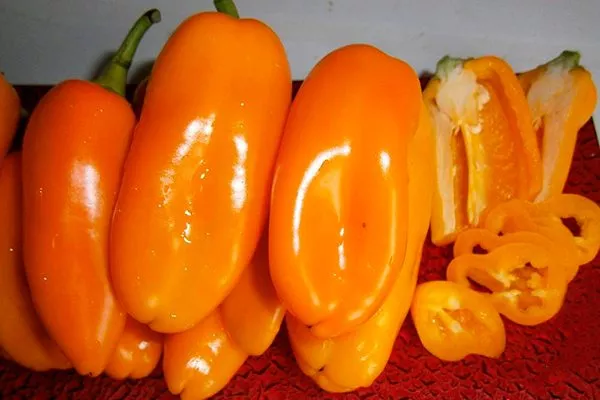
The Orange pepper doesn't resemble the fruit of the same name in appearance, but it has an exotic, slightly tart aroma and flavor. It belongs to the sweet variety group and is intended for cultivation in the south and central parts of Russia. However, it can be successfully grown in greenhouses even in harsher climates.
Who developed the variety and when?
The cultivar (not a hybrid) was developed by the well-known Russian agricultural company "Russkiy Ogorod." The vegetable was included in the "Vkusnyashka" line, but the exact year of selection is unknown.
Description and characteristics of the variety
The main focus of the Orange pepper is its flavor and aroma. It contains a large amount of carotene, vitamin C, and sugar, giving it a slightly different flavor than the typical pepper. It's versatile—suitable for fresh consumption, hot dishes and cold appetizers, canning, freezing, and even drying.
What the plant and fruits look like:
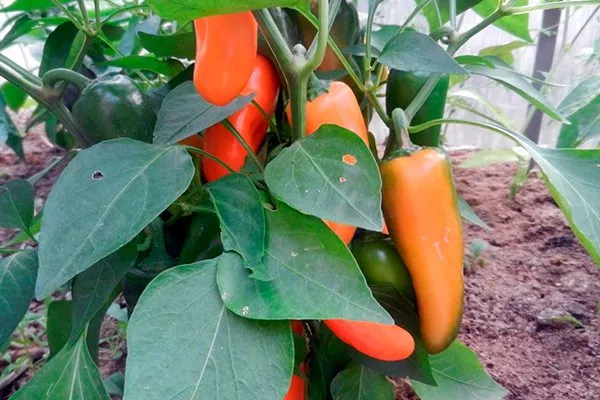
- the color of peppers can be bright yellow or reddish;
- fruit shape – cylindrical;
- dimensions – length 5-10 cm, weight 40 g;
- wall thickness – about 5 mm;
- the skin is glossy, smooth and very thin;
- the bush is compact and low-growing, not exceeding 42 cm in height;
- number of fruits on one plant – 25-35 pcs.;
- stems – strong, erect;
- leaves are large and green.
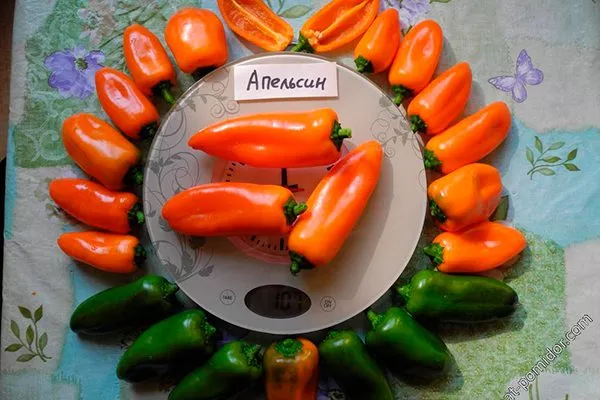
The ripening period is early – the harvest can be done 95-105 days after the first shoots appear. The yield is high – approximately 7-8 kg can be harvested per square meter per season. Ripening is not uniform, so the fruiting period is spread out. You can enjoy the delicious fruits from July to September.
Advantages and disadvantages
The variety is considered highly resistant to the tobacco mosaic virus, but can be affected by other diseases and pests under unfavorable conditions and poor agricultural practices.
Landing
Sowing is usually done using seedlings, but in the southernmost regions, seeds can be planted directly into open beds. There are some varietal planting considerations that are important to be aware of:
- Deadlines. Seeds can be sown for seedlings from early December to mid-March. Plants can be moved outdoors after a maximum of 50 days.

- The soil used. It is advisable to purchase a universal composition that is loose and fertile.
- Sowing. Before sowing, the seeds must be soaked for 3-4 days to ensure germination. The planting depth is 5 to 10 mm.
- Growing seedlings. A special feature of this variety is that the seedlings will need to be fertilized twice a month. For this, use nitrophoska, Florist Rost, and any rooting agents (Epin, Kornevin, Heteroauxin).
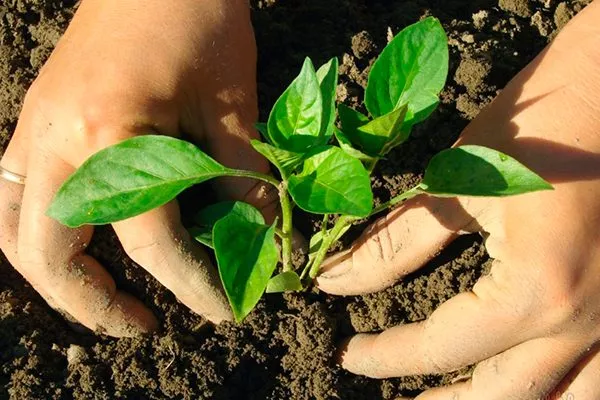
- Transfer. The planting pattern for greenhouses and open ground is 35x50 cm. The soil in the planting hole should contain garden soil, peat, organic matter, sand, and sawdust.
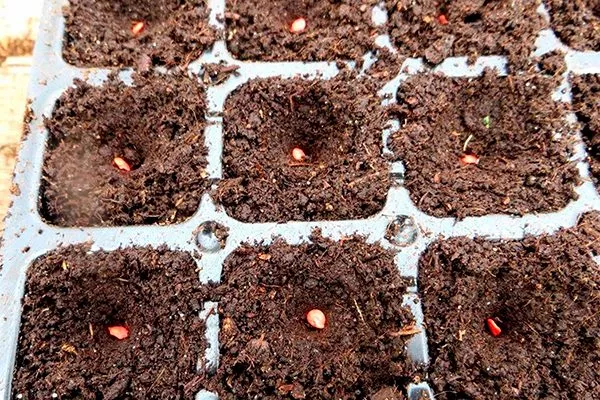
- ✓ Optimum temperature for seed germination: 25-28°C.
- ✓ The need to use phytolamps for seedlings in conditions of insufficient natural light.
Growing and care
The care procedures are standard, but there are some special nuances:
- After the seedlings have taken root, be sure to shape the bush by pinching the top of the central stem;
- water three times a week in large volumes - 10-12 liters of water per 1 sq. m;
- feed with slurry, chicken manure, herbal infusions and mineral complexes;
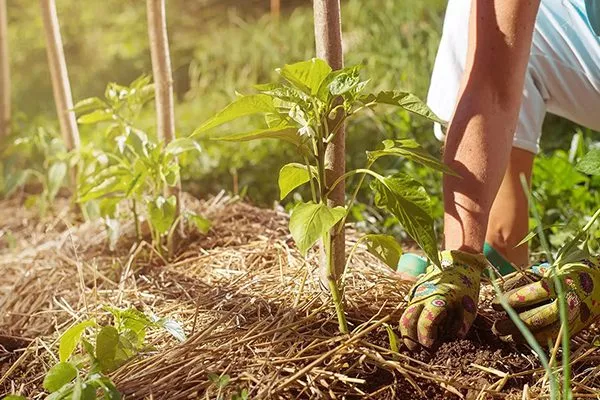
- Mulch the trunk area, which will reduce the frequency of watering.
Diseases and pests
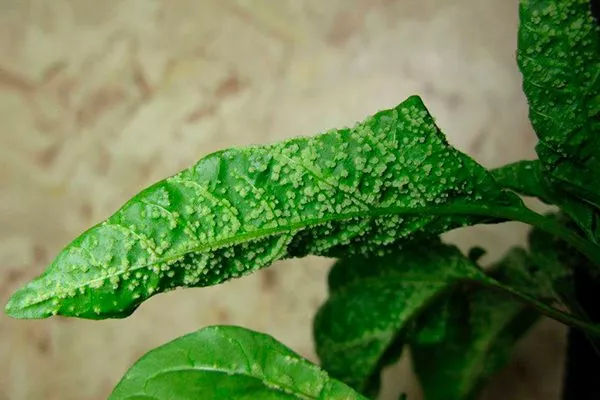
Common diseases include blackleg, gray mold, fusarium wilt, canker, cladosporiosis, late blight, and bacterial wilt. Dangerous pests include aphids, Colorado potato beetles, slugs, mole crickets, and spider mites. To prevent these problems, spray with insecticides and fungicides in the spring and summer.
Reviews
The Orange pepper is a striking example of a small, yellow-red variety, distinguished from others by its fruity aroma and flavor. It is easy to grow, boasts numerous positive qualities, and produces high yields.