
Sani Delight F1 is an early-ripening variety of small-fruited squash, a high-yielding hybrid. Gardeners choose it for their gardens due to its beautiful fruit, delicious flavor, excellent shelf life, and transportability. It is also of interest to farmers cultivating commercial vegetables.
Introduction to the variety
The hybrid variety of squash has many excellent characteristics that make it suitable not only for private but also commercial cultivation on an industrial scale:
- early maturity (the crop ripens in 38-45 days after the first shoots emerge);
- high yield - up to 16.4 kg per 1 sq. m of planting or up to 30,000 kg per 1 ha;
- disease resistance;
- cold resistance, which makes it possible to cultivate the hybrid in cool climates;
- the suitability of the crop for long-distance transportation and its long shelf life (the fruits retain their marketable appearance for 2 weeks).
Originators
Sunny Delight F1 (other names: Sunny Charm, PS 42395) was born in 2007 thanks to the efforts of breeders representing the company Monsanto Holland BV (Netherlands).
It is successfully grown almost everywhere in the Russian Federation. The hybrid is recommended for cultivation in private household plots and farmland located in the following regions of the country:
- Northern;
- North-West;
- Central;
- Volga-Vyatka;
- Central Black Earth Region;
- North Caucasian;
- Middle Volga;
- Lower Volga;
- Ural;
- West Siberian;
- East Siberian;
- Far Eastern.
Characteristic features of the appearance of the plant and fruits
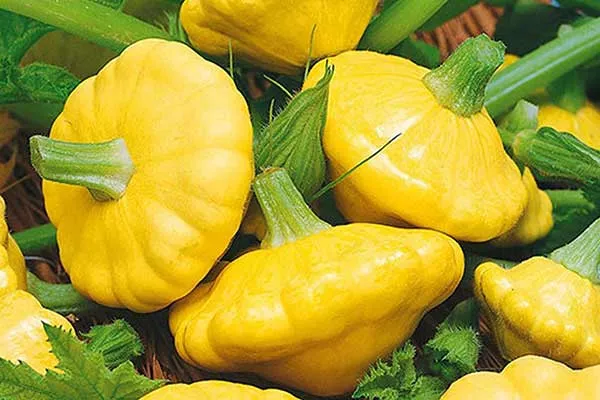
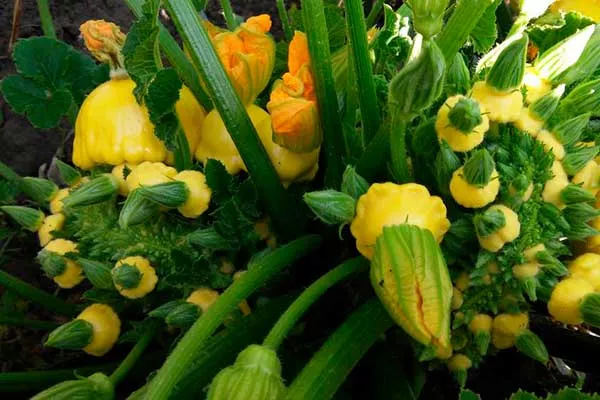
Sunny Charm bushes are compact and open-growing. Each produces 15 to 30 fruits. These fruits are uniform in shape and size, distinguished by their compact size and attractive appearance. Their characteristics are as follows:
- diameter - 6-8 cm;
- weight - 70-100 g;
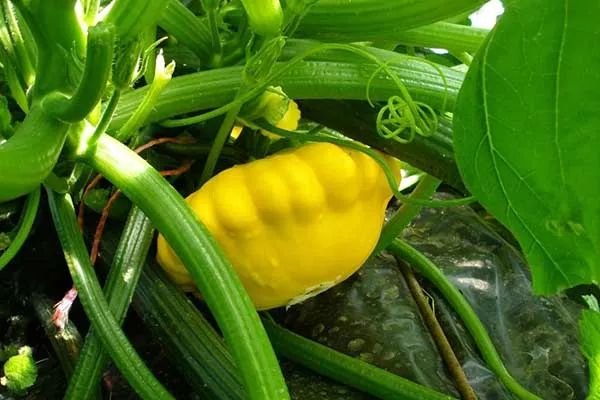
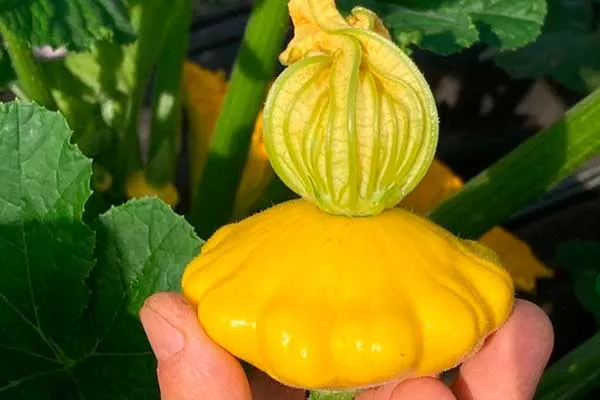
- disc-shaped with a serrated edge;
- bright yellow sunny skin color, smooth, glossy;
- pulp: medium-dense, white in color, very aromatic.
Purpose and taste
Sani Delight pattypan squash has a remarkable flavor that professional chefs consider a delicacy. Its flesh is tender, sweet, and nutty.

When fried, these vegetables resemble mushrooms. They pair perfectly with meat, fish, and other garden produce.
The Dutch hybrid's harvest is intended for universal use:
- the fruits are eaten fresh;
- used for preparing various dishes (salads, appetizers, side dishes, purees and soups);
- processed to produce puree (baby food);
- canned whole or sliced;
- freeze.
Squash is considered a dietary and healthy food, especially when young. It's rich in vitamins, particularly ascorbic acid, and minerals (potassium, iron, calcium, and others).
How to grow it yourself?
The seed producer of this hybrid vegetable variety recommends growing it in open garden plots. For an earlier harvest, use temporary plastic cover.
Cultivate the Dutchman in one of two ways:
- seedlings;
- without seedlings (direct sowing of seeds into garden soil).
- ✓ The optimal soil temperature for sowing seeds should not be below +15°C, which is critical for germination.
- ✓ The distance between plants should be at least 60 cm to ensure sufficient space for growth.
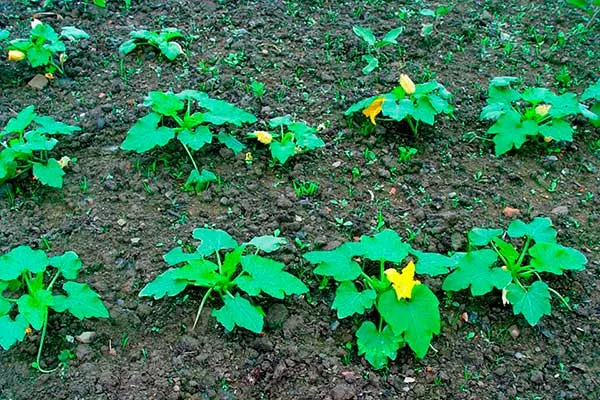
Start sowing in late April or May. Wait until the threat of frost has passed and the soil in the garden has warmed to 15°C. The seedling method, as well as the use of temporary cover, will help you get your first fruits faster. Plant the seedlings in the garden when they are 3-4 weeks old.
Site and conditions requirements
Select a suitable place in your garden for growing squash:
- spacious;
- smooth;
- well-lit by the sun, since the vegetable crop is very light- and heat-loving;
- located in the southern or south-eastern sector of the site;
- protected from strong winds, which can damage the squash bushes (it is desirable to have low trees growing around the perimeter and a fence);
- with fertile and loose soil, characterized by good air and water permeability, slightly acidic or neutral.
Preparing soil and seeds
In the fall, prepare the plot for growing vegetables. They thrive in soil fertilized with organic matter. Add cow manure (3-4 kg per square meter) or compost (7-8 kg per square meter), as well as ash (100 g per square meter) when digging the garden soil. Break up any large clods of soil.
The seeds also require minimal preparation before planting. Soak the hybrid squash seeds in water for 2 days. If desired, you can germinate them by wrapping them in a damp, clean cotton cloth and leaving them in a dark, warm place until the seeds sprout.
Planting in the garden
Before sowing the seeds of the Dutch hybrid Sunny Delight in the garden soil, enrich it with the following components:
- sawdust (consumption - 2 kg per 1 sq. m) - to facilitate root respiration of plants;
- Superphosphate (application rate - 17 g per 1 sq. m) - for rapid growth of crops, better development of bush roots;
- wood ash powder (12 g per 1 sq. m) – to stimulate root formation in squash.
Prepare planting holes. Make them 5-6 cm deep. Use a 60 x 50 cm pattern. Plant several seeds (3-4) in each hole. Cover them with a soil mixture consisting of garden soil, sand, peat, and wood ash. Water the plantings and cover them with plastic wrap.
Sowing for seedlings
Sow Dutchman's radish seeds for seedlings in the last week of April. Use plastic or peat cups (10 cm in diameter) and loose, fertilized soil. A store-bought all-purpose potting mix or a homemade one will work well. To make the latter, use the following ingredients:
- turf or garden soil;
- river sand;
- humus;
- mineral compositions (add them according to the instructions on the package).
Fill the containers with soil. Make holes in it up to 4 cm deep. Cover the seeds with soil. Water the seedlings. Keep them warm until the sprouts emerge (25°C during the day, 18°C at night).
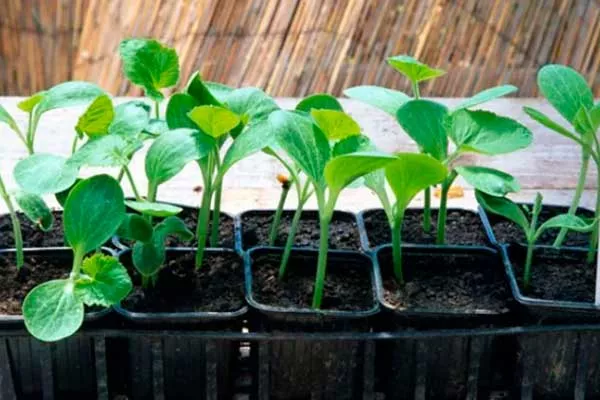
Once the seedlings emerge, reduce the room temperature to 18°C (16°C at night). After 7 days, increase it again to 22-25°C. Water the seedlings sparingly and infrequently. Ventilate the seedlings, avoiding drafts.
Fertilizing and replanting
Fertilize your Sunny Charm squash seedlings to increase their yield. Follow the fertilization schedule:
- First feeding Carry out the treatment 10 days after the sprouts have sprouted. Water them at the roots with mullein diluted with water (1:10) or a superphosphate solution (15 g per 10 l).
- The second one Apply this before transplanting plants into the garden. Use the same nutrient solutions or apply liquid nitrophoska (5 g per 1 l).
- The first feeding is 10 days after germination: mullein solution 1:10.
- Second feeding before replanting: nitrophoska 5 g per 1 liter of water.
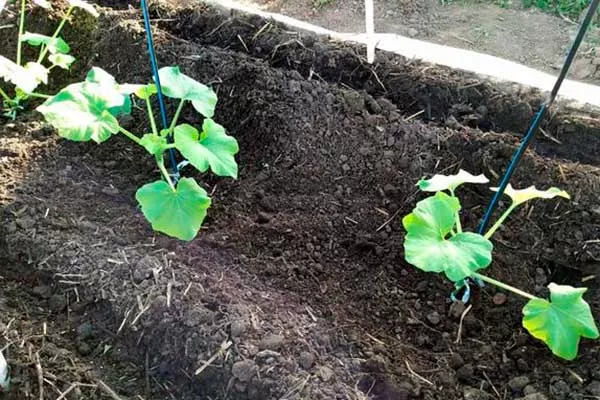
Transplant established seedlings with 2-3 well-developed true leaves (20-25 days old) to the garden. Do this in early June. Follow these guidelines for transplanting:
- plant squash seedlings, keeping a distance of 60 cm between them;
- perform the procedure early in the morning or in the evening;
- pre-water the holes with warm water;
- transplant seedlings together with a lump of earth or in a peat pot, without removing them from it;
- compact the soil around the plants;
- Don't forget to water the seedlings planted in the garden and provide them with temporary cover.
Care methods
Provide your Sani Delight bushes with proper care to ensure a bountiful harvest of high-quality fruit. This includes the following steps:
- Watering the garden bedThis plant thrives on moisture. Water it with warm water in the morning and evening. Apply 3-4 liters of water per plant at a time. The total daily water consumption is 8 liters per plant.
During flowering and fruit set, increase this figure to 10 liters. Pour water directly under the roots. - Adding soil under plantsSquash doesn't require hilling or loosening, but if the roots become exposed, immediately cover them with garden soil.
- Leaf pickingIf the bush has few flowers, remove a third of its leaves to stimulate the formation of new inflorescences and increase the yield.
- Removing weedsRegularly weed the garden bed to ensure maximum nutrition and moisture for the crop, to ensure proper growth and development, and to prevent disease.
- Removing diseased parts of bushesThis applies to foliage, stems showing signs of infection and pest damage, and rotten fruit.
- Fertilizing plantingsSunny Delight squash requires additional nutrition to produce abundant fruit. During the growing season, use complex mineral fertilizers rich in nitrogen, phosphorus, and potassium. Apply them every 14-20 days.
- Pruning and graftingTo increase yield, train, prune, and graft the bush. Remove side shoots to direct the plant's energy toward fruit formation. Graft between different bushes to increase the number of fruit-bearing specimens.
- Protection from pests and diseasesUnder unfavorable growing conditions, the hybrid is susceptible to attacks from mole crickets, aphids, and fungal diseases. To protect it, use biofungicides and chemicals, and monitor the soil condition and moisture.

Self-pollination
When growing hybrid squash, artificial pollination is often necessary. Follow these step-by-step instructions:
- Pick a male flower growing on the central stem.
- Lightly pluck the petals, exposing the pistil.
- Place the pistil of a male flower near a female flower, depositing pollen on it. One male flower is enough to fertilize 4–5 female flowers.
Positive and negative qualities
The Dutch Sunny Delight squash is popular among domestic gardeners due to its many excellent characteristics:
Among its disadvantages, gardeners point out potential difficulties with pollination, which arise when growing vegetables in a greenhouse and requires manual pollination. Another drawback is the inability to collect the seeds themselves, as hybrids do not produce seeds capable of reproduction.
Reviews
Sunny Delight F1 is an early-ripening Dutch squash hybrid popular with Russian gardeners. It captivates with its sun-like, bright yellow fruits, whose small size makes them ideal for whole-fruit canning. Their wonderfully sweet, nutty flavor makes them perfect for eating fresh.