
Pyatachok squash has gained popularity among gardeners due to its compact shape and high productivity. This variety is ideal for garden plots and vegetable gardens where not only a tasty harvest but also ease of cultivation is valued. It's important to carefully study the characteristics of the crop, its growing and care requirements, and potential problems and challenges.
Introduction to the variety and characteristics
Pyatachok is an ideal choice for those who appreciate variety in fresh vegetable dishes or plan to preserve their harvest for the winter. This variety boasts high yields and synchronous fruiting, making it an excellent choice for both novice and experienced gardeners.
Fruiting begins 50 days after germination and continues for a long time. Yields reach up to 1.5 kg per square meter. The variety has moderate heat and drought tolerance, making it resilient to adverse weather conditions.
When and by whom was it bred?
Developed in 1999 by breeders A. V. Medvedev, N. I. Medvedeva, and A. A. Kapustin at the Federal Research Center, the N. I. Vavilov All-Russian Institute of Plant Genetic Resources, it is ideal for both home cooking and canning.
The specificity of the bushes and cucumbers, taste
A compact bush plant with medium-sized fruits. Each fruit weighs approximately 224 g, is white in color, and has dense, creamy flesh. It has a good flavor, making it an excellent choice for a variety of dishes.
Growing
Choose a sunny site, as shade can negatively impact the yield. The crop thrives in a well-lit location, sheltered from the wind. Good predecessors include potatoes, tomatoes, legumes, and cabbage.
Planting squash directly into the ground
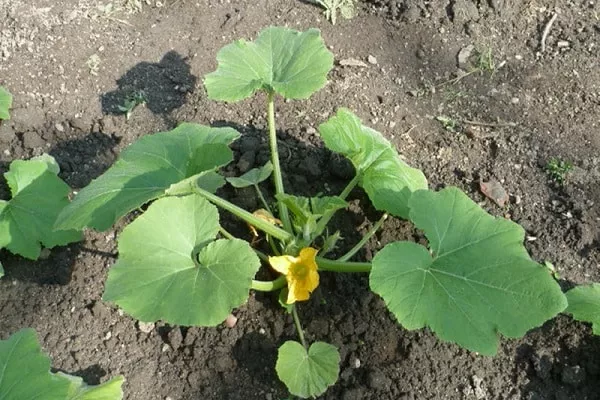
In the spring, after digging the soil, rake the area and form rows for cultivation. Space the plants 50x50 or 50x60 cm apart.
- ✓ The optimal soil temperature for planting seeds should be at least +12°C.
- ✓ To prevent fungal diseases, it is necessary to ensure a distance of at least 50 cm between bushes.
In late May or early June, when the soil has warmed up sufficiently, dig holes and place several sprouted seeds in each hole at a depth of about 8 cm, lightly covering them with soil. Gently water the seeds, dripping them, to avoid disturbing the top layer of soil, then cover the holes with plastic wrap.
Planting squash seedlings
Planting seedlings ensures earlier ripening of vegetables. Follow these recommendations:
- In late April-early May, use disposable plastic cups with a diameter of about 10 cm.
- Fill the containers with loose, fertilized soil. If you don't have prepared soil, mix turf or garden soil with river sand and humus, adding mineral fertilizer according to the package instructions, preferably in liquid form.
- Plant the seeds to a depth of about 4 cm, covering them with soil. Until germination, maintain a temperature of around 25°C during the day and 18°C at night.
- After the seedlings emerge, reduce the temperature or remove the film so that it is no higher than +18°C in the morning and around +16°C at night, otherwise the seedlings may stretch out.
- After a week, increase the temperature again to +22…+25°С.
Water the seedlings moderately and infrequently. Be sure to ventilate the bushes, avoiding drafts.
Feeding seedlings
Ten days after germination, feed the seedlings with a mullein solution diluted with water at a ratio of 1:10. Add an infusion of 15 g of superphosphate, pre-mixed with a small amount of water and allowed to steep for 24 hours. Apply the same fertilizer before planting.
To simplify the process, use nitrophoska, diluting it in the proportions indicated on the package. Plant the seedlings when they are strong and have 2-3 well-developed true leaves (approximately 20-25 days old).
Care
Caring for squash involves several key steps to ensure healthy growth and a bountiful harvest. Follow standard agricultural practices:
- Watering. Provide regular irrigation, especially during flowering and fruit formation. Moisten the seedlings at the roots, avoiding water on the green foliage to prevent fungal diseases. Keep the soil moderately moist, but do not allow it to dry out.
- Top dressing. Apply the first fertilizer 10-14 days after planting the seedlings, using organic or mineral fertilizers. Repeat the application every 2-3 weeks thereafter. Complex fertilizers containing nitrogen, phosphorus, and potassium are suitable. For better fruiting, use an infusion of mullein or bird droppings.
- Loosening and weeding. Frequent loosening of the soil around the plants helps improve root aeration and prevent crust formation on the soil surface. While loosening, weed the soil around the squash, as this can compete with it for nutrients and moisture.
- Formation of bushes. The plant has a spreading, bushy habit, so to improve ventilation and light, remove excess side shoots and suckers. This will help prevent fruit rot.
Harvest the fruit as it ripens, when it reaches the desired size but is still young and tender. Regular harvesting stimulates the growth of new vegetables and increases the overall yield.
Diseases and pests
Plant diseases are easier to prevent than to treat. Knowing the symptoms can save a significant portion of your crop.
Squash is susceptible to the following diseases:
- Anthracnose - It appears as whitish-brown spots on stems and leaves. Fruits become covered with deep holes filled with a pinkish, viscous fluid. The disease progresses in high humidity.
- White rot - White spots of mold appear on plants. Stems soften and break, and fruits fall off and begin to rot. This is a common problem when growing shrubs in greenhouses.
- Root rot - It is caused by fungi and leads to rapid wilting of leaves and drying out of the entire bush, up to the death of the root system.
- Gray mold - It appears as brown spots on stems, leaves, and vegetables. Over time, these spots develop a gray, fluffy coating.
- White mosaic - A viral disease that affects young leaves. They become covered with yellow and white spots, begin to wrinkle, plant growth slows, and the fruits become mottled.
- Peronosporosis - Affects leaves, developing chlorotic spots that eventually turn light yellow and angular. The spots gradually enlarge, turn brown, and become grayish-purple.
- Fusarium - A fungal disease that affects greenhouse shrubs. It can occur selectively on certain specimens or spread as an epidemic.
- Blackleg - Affects seedlings in the early stages of development. The roots quickly wilt, the stem turns yellow, and the root collar turns brown and constricts, preventing the plant from developing.
- Powdery mildew - It appears as an orange or light yellow coating on leaves and stems, causing the bushes to quickly wither.
Use Fundazol or Topsin-M against anthracnose. The following products are effective against white rot: Hom and Ordan, root rot: Previkur and Topsin-M, and gray rot: Topaz and Skor. For downy mildew, treat bushes with Quadris or Abiga-Peak, and fusarium with Fundazol or Topsin-M.
Insect pests of crops:
- Whitefly - A small flying insect with white wings that sucks sap from leaves. Use Aktara and Iskra-M.
- Spider mite - It lives on the underside of leaves, creating webs and sucking out the sap. It is identified by white specks that quickly enlarge, causing them to dry out. Fitoverm and Neoron are effective in controlling this insect.
- Mole cricket - A large copper insect that burrows through the upper layers of soil, damaging roots. The pesticides Groza and Metarizin will help eliminate these pests.
- Sprout fly - A small gray insect that lays eggs in germinating seeds. Treat seeds with Proctor or Rover before planting.
- Root nematode - It causes root overgrowth, which causes nodules to form, which then disintegrate and begin to rot. Treat the soil and roots with Nemabakt or Vermitek.
- Melon aphid - Aphid colonies settle on the undersides of leaves, shoots, and flowers, slowing plant growth and causing it to wilt. Spray seedlings with Aktara and Mospilan.
Garlic infusion is effective against fungal diseases and pests: crush 50 g of garlic, add 1 liter of water, and let steep for 24 hours. Strain the infusion and use it to spray the bushes.
Reviews
The Pyatachok squash is an excellent choice for both beginners and experienced gardeners. It has many positive qualities, including low maintenance and excellent flavor. Despite some potential care difficulties, proper attention to the crop and following recommendations will help you reap a bountiful harvest.