
The Orange UFO squash is not only an aesthetically pleasing plant but also a reliable companion for gardening enthusiasts, bringing both pleasure and excellent results. By following simple care guidelines, you can easily reap a bountiful harvest of delicious, high-quality vegetables.
Introduction to the variety
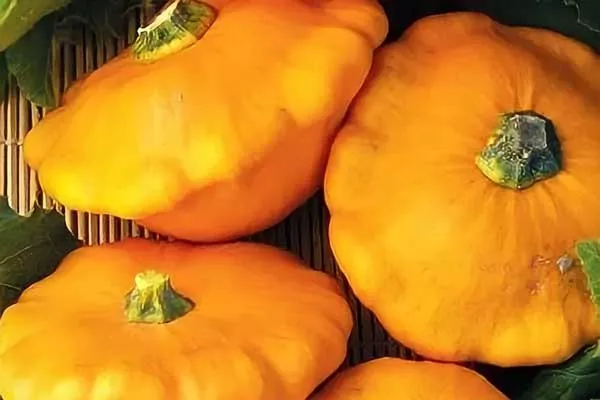
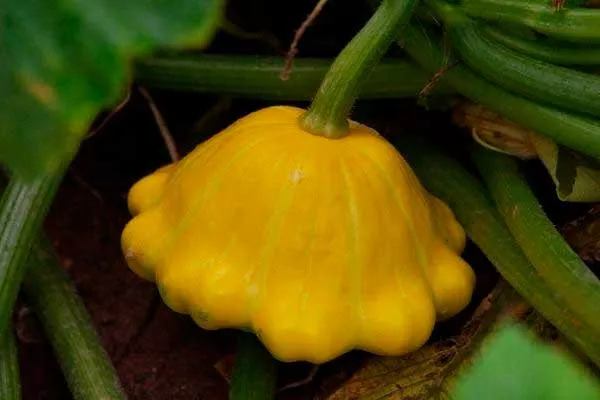
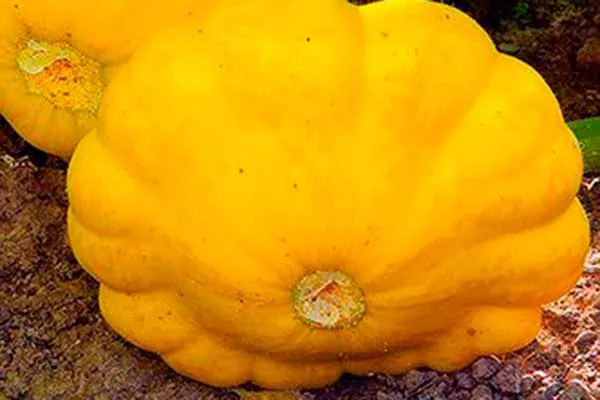
This vegetable is characterized by good productivity, a pleasant taste and aroma, and a unique appearance. In the fall, the fruits, reminiscent of "flying saucers," beautifully decorate the garden.
This variety produces excellent results, with an average yield of 2.9 to 5.5 kg per square meter. It is an early-ripening variety, with the time from germination to fruiting taking 55-70 days.
When and by whom was it bred?
This vegetable crop appeared on the modern market in 2003. Russian breeders worked on developing this annual plant. The author is S. V. Maksimov and N. N. Klimenko.
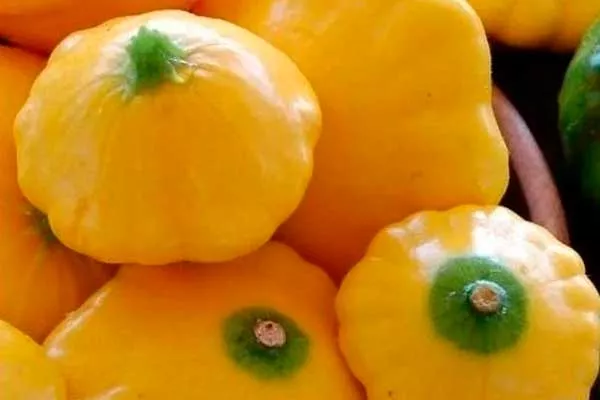
- ✓ The fruits have orange-yellow flesh, which is a unique characteristic of the variety, not mentioned in the article.
- ✓ The average weight of fruits varies from 280 to 500 g, which is also a specific parameter of the variety.
Specificity of bushes and fruits
The squash's skin is yellow, and its flesh is orange-yellow. The fruits are medium in size and weight, ranging from 280 to 500 g. The flesh is firm and slightly juicy.
Taste and application
This vegetable is used in a variety of dishes, including salads, casseroles, and more. Its excellent taste and unique shape make it a true centerpiece on the table.

How to plant squash correctly?
The Orange UFO squash is characterized by its low maintenance, good disease resistance, and high yield. However, to ensure a high-quality and abundant harvest, it's important to follow a few rules.
Choosing a location
To grow the crop, choose well-lit areas protected from strong winds. Plant squash next to bushes that will diffuse direct sunlight without creating shade and also protect the plants from drafts.
The soil should be neutral and well-drained, as close proximity to groundwater can lead to root rot. If necessary, create a drainage layer in the bed before planting to prevent waterlogging.
Soil preparation
In the fall, prepare the plot. First, thoroughly dig the bed, removing all weed roots and beetles that may overwinter in the soil. If the soil is acidic, deacidify it by adding ash or dolomite flour, depending on the pH level. Then, add compost or manure.
Dig the soil to a depth of 25-30 cm. In the spring, about two weeks before planting, repeat the process, removing any roots and beetles missed in the fall. Break up any large clods of soil as you dig. Five days before planting, water the soil with a solution containing Agricola (follow the instructions) and cover with plastic wrap to retain moisture and warm the soil.
On the designated day, remove the plastic wrap, loosen the top layer of soil, and remove any weeds. When planting seedlings, make holes slightly larger than the root system (about 12 cm deep and 10 cm in diameter). To plant the seeds, create furrows approximately 7 cm deep.
- ✓ The optimal soil temperature for planting seeds should not be below +14°C, which is critical for their germination.
- ✓ The seed planting depth varies depending on the soil type: 6 cm for loose soil and 4 cm for dense soil, which is not specified in the article.
Timing of planting seeds and seedlings
Sow seeds outdoors when the soil temperature reaches 8-10°C. For more vigorous growth and germination, the soil should warm to 14°C, typically around late May or early June.
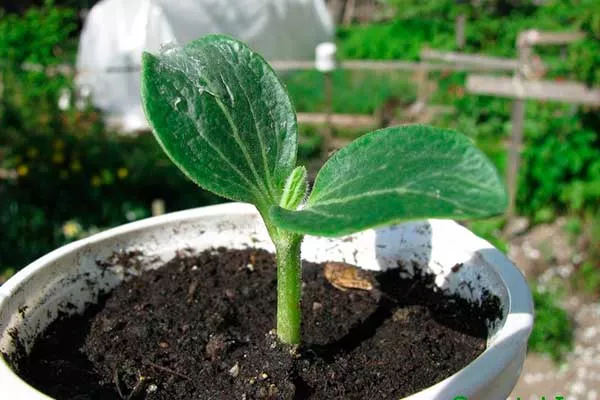
If you plan to grow squash from seedlings, start germinating seeds around mid- to late April, depending on your region:
- Prepare plastic or peat cups by filling them with a mixture of soil and humus.
- Sow 2 seeds in each cup to a depth of about 4 cm.
- Place the containers in a box, cover with plastic wrap, and store in a room with a temperature of 28-30°C. Make sure the containers are not exposed to direct sunlight to prevent damage to the seeds.
- After the sprouts appear, remove the film and lower the temperature to +20-23°C during the day and +18-20°C at night to prevent the plants from stretching and reducing their fruiting.
About 15 days before planting (when the seedlings have at least three leaves), begin hardening off the seedlings. Place the container with the pots outside (or on the balcony) for 15-20 minutes at first, gradually increasing the time by 20-30 minutes.
Before planting, leave the seedlings outside for 24 hours. Plant the seedlings in late May or early June. This method allows the squash to ripen a month earlier.
Planting diagram
It's recommended to plant the UFO Orange squash in a strip or staggered pattern. In the former case, space the plants 50 cm apart and the rows 70 cm apart. Leave approximately 90 cm between the rows.
With the staggered planting method, there is no space between rows, and the interval between them is 50 cm. Leave at least 50 cm between bushes. Plant 5-6 seedlings per square meter.
Step-by-step instructions:
- Bake the seeds in the oven at 50°C for 1-2 days. This will help increase the number of female flowers and improve the seedlings' resistance to disease.
- Soak the planting material in water with a growth stimulant for 24 hours. If desired, place the seeds in a damp cloth for 2-3 days to encourage the emergence of 1-2 mm long roots.
- Place 2-3 seeds (or 1 seed if they have roots) into the soil to a depth of 6 cm for loose soil or 4 cm for dense soil.
- Cover with soil and compact lightly. Cover the soil with plastic wrap until the seedlings emerge, especially at night and in cool weather. Thin them out if necessary, leaving only vigorous plants.
- Water the prepared holes with warm water.
- If the seedlings were in a plastic cup, carefully remove them along with the soil lump.
- Place the seedling in the hole so that the cotyledon leaves are level with the ground. Cover the seedling with soil, compact it, and sprinkle with peat. If necessary, protect the seedlings from direct sunlight.
Plant the seedlings in cloudy weather when there is no strong wind.
The best neighbors and predecessors for squash in the garden
To successfully grow vegetables, it's important to choose the right predecessors and planting partners. This will help improve the seedlings' immunity, repel pests, increase yields, and reduce the risk of disease.
Recommended neighbors and predecessors:
- Marigold. Flowers repel aphids, which harm plants by sucking out all their juices.
- Garlic. Protects against powdery mildew, which appears as a white coating on the leaves.
- Corn. Promotes an increase in the fruiting period, which leads to increased yields.
Plant UFOs where onions, cabbage, carrots, and other vegetables were previously grown. Avoid growing them after pumpkins, cucumbers, and zucchini, as these crops are related to squash, making them susceptible to the same diseases and pests.
Basics of care
When growing squash, it's important to consider certain care aspects. Give your plants a little TLC and implement simple gardening practices to boost their immunity and ensure bountiful harvests.
Loosening, weeding, mulching
Maintain regular weeding to prevent weeds from choking young plants and weakening the immunity of mature plants. Weeds can attract insects.
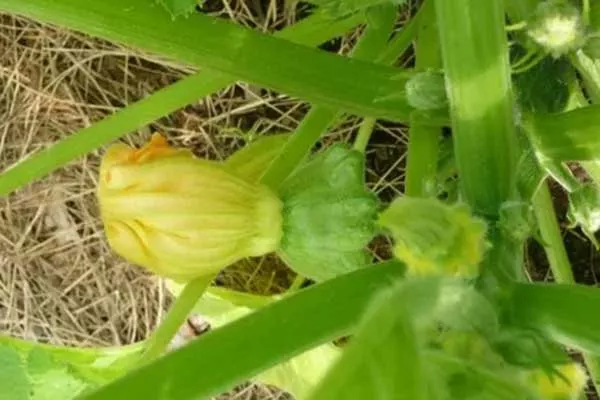
Loosen the soil carefully, as the squash roots are close to the surface and can be damaged. This procedure improves oxygen supply to the roots. To reduce weeds and cover exposed roots, use mulch—peat, sawdust, and dry grass.
Thinning
To improve the quality of the harvest, remove 1-2 old leaves from the bush every 2-4 days. Excess green mass and old leaves can negatively impact the harvest, as they absorb nutrients and shade the vegetables. Perform this procedure in the morning, before the sun shines.
Pollination
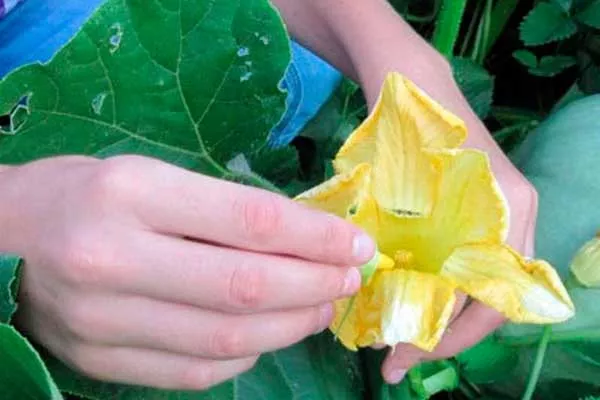
The UFO Orange Squash is easily pollinated by insects in dry weather, but insects are inactive in rainy weather, which can lead to problems. In such cases, transfer pollen from the female flowers to the male flowers yourself to ensure successful pollination.
Watering
The crop requires maintaining soil moisture from the moment of planting. Young plants in temperate climates should be watered every 6 days, using approximately 8 liters of water per square meter. Once fruit sets, increase the frequency to 10 liters per square meter every 4 days.
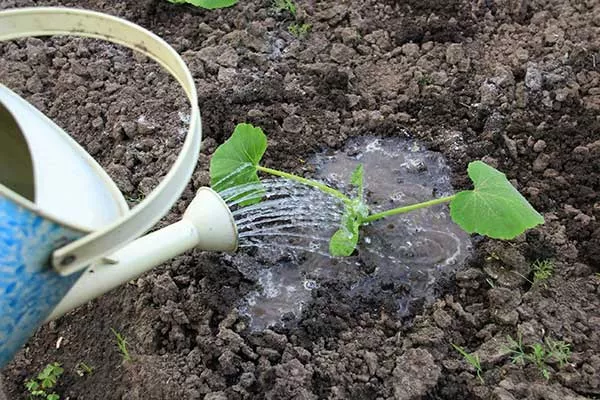
For irrigation, use only settled water warmed to 24°C. Cold water can weaken the plant's immune system. Reduce watering during rainy weather, and increase its frequency during hot weather.
Top dressing
Fertilize vegetables twice during the summer. Before flowering, use a solution of 25 g of Agricola-5 dissolved in 10 liters of water to fertilize 10 square meters. Use a mixture of 20 g of potassium salt and 50 g of superphosphate dissolved in 10 liters of water.
If necessary, repeat the first feeding 15 days after the second. Apply the third feeding with a solution of 10 liters of water, 200 g of ash, and 20 g of urea, using about 2.5 liters per bush. Avoid nitrogen-containing fertilizers during fruiting, as they promote excessive foliage growth and can reduce yield.
Protecting fruits from moisture
Vegetables need to be protected from moisture to prevent them from rotting. To do this, it's recommended to support the branches with fruit so they don't come into contact with damp soil or leaves.
Alternatively, you can use film as a mulch that does not retain moisture.
Pests and diseases
The crop has good immunity and pest resistance. However, if not properly cared for, it can be susceptible to the following fungal diseases:
- Anthracnose. In rainy weather, watery yellow pimples form on the leaves.
- Ascochytosis. Black spots appear on the leaves and shoots, which dry out over time.
- White rot. The fungus attacks leaves, stems and fruits, forming brown spots and ulcers.
- Powdery mildew. White spots resembling mold appear on leaves and vegetables.
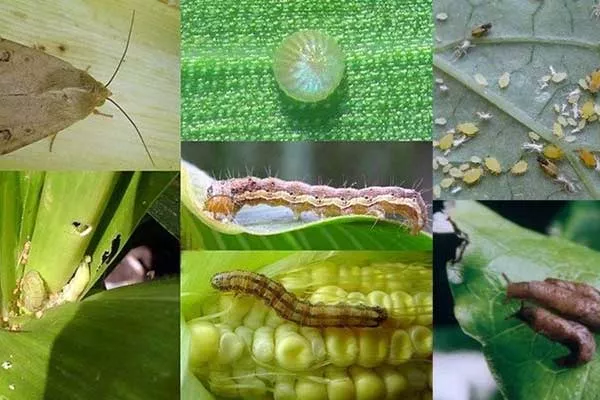
To control pests, use the following means:
- AphidUse a soap solution: dissolve 200 g of laundry soap in 10 liters of water and spray the affected plants. A garlic or onion infusion is also effective: add 200 g of crushed garlic cloves or onion peels to 1 liter of water, let sit for 24 hours, then dilute with 10 liters of water and spray the plants.
- Slugs. To control pests, scatter ash around plants or use beer traps: fill small containers with beer and bury them at ground level. Slugs will be attracted by the smell and fall into the trap.
- Scoop. Inspect plants regularly and remove caterpillars manually. Use insecticides such as Inta-Vir or Fitoverm.
For prevention and treatment, use Bordeaux mixture and antifungal drugs.
Reviews
The UFO Orange Squash is a unique variety distinguished not only by its vibrant color but also by its excellent taste and disease resistance. Its unique shape and rich color make it a true gem in any garden. It's important to learn its key characteristics, benefits, care, and growing instructions. Proper care will ensure bountiful harvests.