
"Little Prince" is the name of an early variety of squash. It's popular with gardeners due to its excellent yield, beautiful fruit, and wonderful flavor. It's a favorite not only among home gardeners looking to add healthy fruits to their family's menu, but also among commercial vegetable growers.
Introduction to the variety and characteristics
The Little Prince is a hybrid squash variety from the Aelita agricultural firm. It boasts many excellent characteristics:
- ultra-early ripening of the crop (the fruits reach the stage of technical maturity 37-40 days after germination);
- long, continuous and friendly fruiting of the bushes, which continues until the autumn frosts strike;
- high yield rates (one plant produces up to 100 fruits per season, provided that the specimens that have reached the stage of technical maturity are picked immediately, without leaving them on the bush);
- average heat and drought resistance;
- marketable appearance of the harvest, its high consumer qualities;
- small-fruitedness (the miniature size of the fruits is the highlight of the hybrid, for which housewives and gourmets love it so much).
Characteristics of appearance and taste
The Little Prince plants are bushy. They are distinguished by their compact habit and large, stiff leaves. The flowers are a delight to the eye with their bright yellow color, crown-shaped form, and large size. All are unisexual and require pollinating insects to produce fruit.
Hybrid squash varieties are attractive and compact in size. They possess the following characteristics:
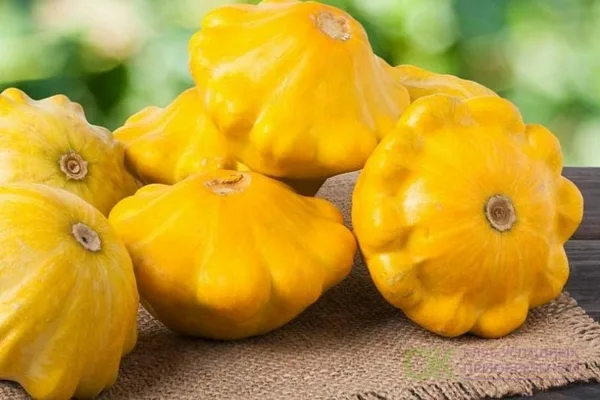
- the weight of a squash at the "technical maturity" stage is 20 g (if you leave such vegetables on the bush, they will increase in size without becoming coarse and tasteless, but the productivity of the plant will decrease);
- diameter - up to 5 cm;
- convex disc-shaped with a wavy edge;
- rich yellow skin color, strong but not tough, with a glossy sheen;
- with tender, cream-colored flesh and quite dense.
Squash is a healthy food. Its flesh contains many nutrients that are beneficial to human health:
- vitamins (C, A, E, K, group B and others);
- minerals (calcium, potassium, iron, magnesium, silicon, cobalt, copper, manganese, selenium).
The calorie content of this vegetable is 19 kcal/100 g. It is rich in dietary fiber. Its pulp contains a fair amount of water. In addition to carbohydrates (83%), it contains protein (12%) and fat (5%).
Including dishes made with the Little Prince squash in your daily menu can provide healing benefits:
- strengthen the immune system;
- improve visual acuity;
- improve the condition of skin and hair;
- reduce the level of bad cholesterol in the blood;
- strengthen the heart, prevent the development of cardiovascular diseases.
Growing rules
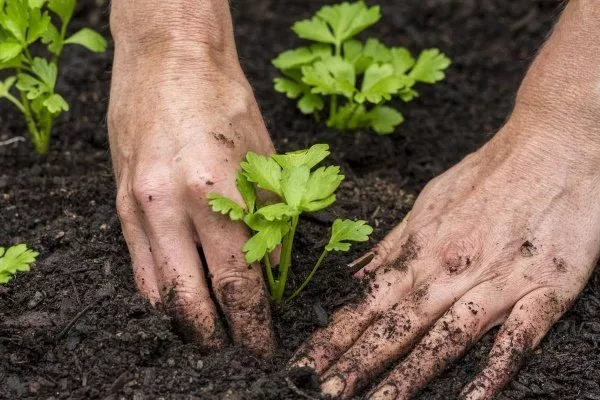
Grow a hybrid variety of vegetable in one of two ways:
- direct sowing into the ground;
- through seedlings.
Sow seeds in open garden soil in late May or early June. Wait until the soil warms to 10-12°C (50-55°F) at a depth of 10 cm. Remember that this crop is frost-intolerant. The optimal temperature for growth and bushes is 21-26°C (70-80°F).
Add humus to the planting hole and lightly cover it with soil. Plant 2-3 seeds in each hole, following the planting pattern:
- interval - 60x60 cm;
- seeding depth: 4-5 cm.
- ✓ Optimum soil temperature for sowing seeds: +10-12°C at a depth of 10 cm.
- ✓ Plant spacing: 60x60 cm to provide sufficient space for growth.
Cover the seeds with a peat-soil mixture. After the first true leaf appears, thin the seedlings, leaving one plant (the strongest and healthiest).
Transplant the 30-day-old seedlings into the garden. Select a sunny, well-protected, wind-protected area with fertile soil for the bed. Plant the squash seedlings in 10-12 cm deep holes. Transplant the plants, root ball included, maintaining a 60 x 60 cm planting pattern.
To obtain a rich harvest, ensure that the hybrid vegetable variety is properly cared for, which includes the following measures:
- WateringSquash should not be watered with cold water. It can cause them to become ill. Use only sun-warmed, settled water for irrigating the beds. Water the plants at the roots. Avoid dripping water on the leaves and stems. Repeat this procedure as the topsoil dries out.
Maintain constant soil moisture. To retain moisture in the garden soil, mulch the beds. - Weeding and shallow looseningPerform these procedures every time after rain and watering. This will ensure better oxygen access to the plant's roots and reduce the risk of damage from harmful insects and infections.
- Top dressingSquash is a short-season crop. Fertilize it twice per season (if you sowed seeds or planted seedlings in well-fertilized soil, you can get by without fertilizing).
Fertilize the bushes for the first time just before they bloom. Use organic fertilizers such as a solution of cow manure or bird droppings. Apply them to the roots, avoiding drips on the leaves. Instead of organic fertilizers, you can apply nitroammophoska, nitrophoska, or Kemira. Apply 50-70 g per square meter.
Fertilize the vegetable crop a second time at the beginning of fruiting. Use mineral mixtures containing phosphorus and potassium. Apply 50-60 g per square meter. - Pinching the bushIf the leaves are overgrown, it's a good idea to perform this procedure to ensure a more abundant harvest. Remove old, lower-tier foliage from the plants. Remove no more than two leaves at a time. Repeat the procedure after a few days. Perform it in the morning. This will improve the flow of nutrients to the fruit.
- Protection from diseasesThe crop is susceptible to root rot when the soil is excessively wet. Under unfavorable growing conditions, it is susceptible to powdery mildew, fusarium wilt, and green mosaic.
If signs of disease are detected, treat squash bushes with biofungicides such as Trichodermin, Fitosporin, or Gamair. To prevent disease, treat bushes from one month of age, 2-3 times per month.
Reviews
The Little Prince is an ultra-early squash variety popular with Russian gardeners and farmers. Its bushes are compact, highly productive, and produce fruit until frost. The fruits are beautiful, tasty, and rich in vitamins. They are suitable for a variety of dishes, including dietary and baby food, whole-fruit pickling, and salting.