
The Kopeyka pattypan squash is a modern vegetable variety that has gained popularity due to its excellent characteristics and versatility. It boasts superb flavor and high nutritional value. It's used in a wide variety of dishes, from simple side dishes to complex culinary masterpieces. The key is proper and timely care and a little TLC.
Introduction to the variety and characteristics
It attracts attention with its striking appearance and excellent taste. It's easy to grow, requiring no special knowledge or skills, yet produces a bountiful harvest. By following simple agronomic recommendations, you can reap delicious and nutritious fruits.
Information about origin
Patisson Kopeyka (gherkin) is a new variety included in the State Register in 2018. Developed by A. V. Kandoba and E. E. Kandoba (Premium Seeds LLC).
Features of bushes, fruits, taste
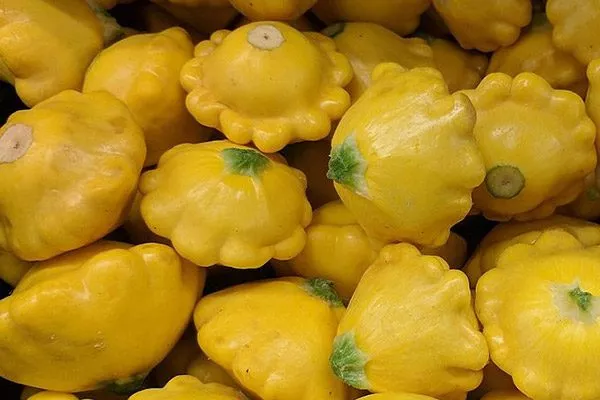
This bush variety is characterized by a compact, unbranched form. The medium-sized leaves are green, with slight spotting. The yellow fruits weigh 140 to 160 g and have white flesh. It is tender, dense, juicy, and crisp, with a high vitamin content. The taste is excellent.
Using the Kopeyka squash in cooking
This versatile variety is suitable for a wide range of dishes. It can be steamed, baked, pan-fried, or added to soups and side dishes. It's perfect for a variety of dishes, including salads, appetizers, and more.
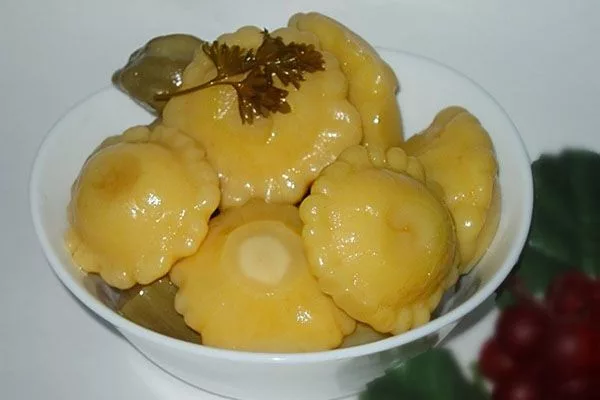
It's perfect for whole-fruit canning, pickling, home cooking, and freezing. For simple preparation, cut the vegetable into pieces, brush with oil, sprinkle with spices, and bake at 200°C for 20-25 minutes. It makes an excellent side dish for meat or fish.
For a more complex dish, bake a squash with ground meat. Scoop out the flesh, fill it with meat or vegetable filling, and bake until done. This vegetable is often used as a garnish. Cut it into flowers, stars, or other shapes and add it to the dish before serving to decorate the holiday table and impress your guests.
The beneficial properties of the Kopeyka squash
This vegetable is not only delicious but also healthy. It's rich in vitamins A, C, and E, as well as minerals (potassium, magnesium, and folate). These nutrients strengthen the immune system, improve vision, increase hemoglobin levels in the blood, and have antioxidant properties.
Landing
To successfully plant a crop, it's important to consider several key points. Follow these recommendations:
- Choose sunny, well-lit areas. The plant grows best in sheltered locations. It's important that the area is protected from flooding and has good drainage.
- The soil should be fertile, light, and well-drained. Prepare it in advance in the fall. Dig the area to a depth of about 25-30 cm, removing weed roots and stones. Add organic fertilizers such as humus or compost.
Add mineral mixtures containing phosphorus and potassium. Level the bed surface evenly. - Sow seeds both in open ground and for seedlings. For seedlings, sow when the soil warms to 15-18°C and the risk of frost has passed. Before planting, soak the seeds in water for 2-3 hours to improve germination.
- Place the seeds into the prepared soil to a depth of 2-3 cm. The distance between them in a row should be 30-40 cm. The interval between rows should be 60-70 cm.
- Make beds 1-1.2 m wide, which is convenient for subsequent maintenance.
- If you are sowing seeds in holes, place 2-3 seeds in each hole, and after the seedlings appear, thin them out, leaving one plant at a time.
- ✓ Soil pH should be between 6.0-7.0 for optimal growth.
- ✓ Check the soil for pests such as nematodes before planting.
After sowing, mulch the beds to retain moisture and control weeds. Ensure the plants receive sufficient water and light for successful growth.

Further care
Caring for squash involves several key aspects. Follow these simple agricultural practices:
- Watering. Water the bushes regularly, keeping the soil moderately moist. Watering frequency depends on the weather and soil type, but typically 1-2 times a week. Apply water at the roots, avoiding contact with the leaves to prevent fungal diseases.
Use the settled liquid, warmed to ambient temperature. - Top dressing. Two to three weeks after germination, apply a complex mineral fertilizer or an organic fertilizer, such as mullein infusion. While the vegetables are developing, use phosphorus-potassium fertilizers. Add wood ash and apply foliar feeding.
- Weeding and loosening. Regularly remove weeds that compete with crops for nutrients and water. Loosen the soil around the plants to improve root aeration and prevent surface crust formation.
- Garter. The plant doesn't require staking, as the bushes are compact and don't spread out. However, if necessary, carefully tie the plants to prevent damage to the fruit and make care easier.
- Trimming. Remove excess lateral shoots to focus the plant's energy on fruit formation. Remove wilted and damaged leaves to improve air circulation and reduce the risk of disease.
Kopeyka squash, like other vegetable crops, can be susceptible to various diseases and pests. It's important to treat them promptly:
- Powdery mildew. Characterized by a white powdery coating on the leaves, which can eventually cover the entire plant. Remove affected parts and treat them with fungicides such as Topaz or Fundazol. Preventatively treat with Bordeaux mixture.
- Fusarium wilt. Symptoms include wilting and yellowing of leaves, which then dry out. Root rot can occur. Apply fungicides such as Previkur or Topsin-M. Ensure the soil is not overwatered and water regularly.
- Ascochytosis. Gray-brown spots appear on leaves and stems, and the fruit becomes bitter. Treat the bushes with Bordeaux mixture or a copper sulfate solution. Remove and dispose of affected parts.
- Aphid. These are small insects that suck the sap from the leaves, causing them to curl and turn yellow. Use insecticides such as Actellic or Fitoverm. Try folk remedies, such as garlic infusion.
- Spider mite. These are small spider-like insects that form webs on the undersides of leaves, causing them to turn yellow and fall off. Spray plants with acaricides, such as Neoron or Fitoverm. Regular ventilation and maintaining soil moisture will help prevent the spread.
- Slugs and snails. They eat leaves and stems, leaving behind characteristic damage. Set beer traps or use special slug pellets. Hand-pick the pests.
| Pest | Method of struggle | Period of activity |
|---|---|---|
| Aphid | Insecticides or garlic infusion | Spring-summer |
| Spider mite | Acaricides | Summer |
| Slugs and snails | Beer traps or hand picking | Night |
Preventive measures:
- Avoid planting in the same location for several years in a row.
- Remove old leaves and fruit to prevent the spread of diseases.
- Provide good air circulation to reduce humidity and prevent fungal diseases.
- Follow agricultural practices.
Harvest the vegetables when they reach 10-12 cm in diameter. If not harvested promptly, they may become tough and less flavorful. Harvest the fruit carefully to avoid damaging the plants.
Reviews
The Kopeyka Patisson is an ideal choice for both beginner and experienced gardeners. Its vibrant color, excellent flavor, and versatility make it an ideal choice for those looking to add variety to their menu and enjoy delicious, healthy fruits straight from the garden. Easy care and high yields are among the best attributes of this variety.