
Karapuz squash is popular among gardeners due to its excellent characteristics and ease of care. Its compact bushes, consistent productivity, and excellent flavor make it an excellent choice for those looking to diversify their garden and enjoy high-quality fruits. The key is to learn the characteristics, benefits, and growing recommendations.
Introduction to the variety and characteristics
This early-ripening variety boasts generous yields and consistent fruiting. It's ideal for growing in a variety of climates, both outdoors and in greenhouses.
Karapuz is resistant to most diseases common to this crop, making plant care much easier. It boasts a long shelf life, making it an ideal choice for commercial cultivation.
When and by whom was it bred?
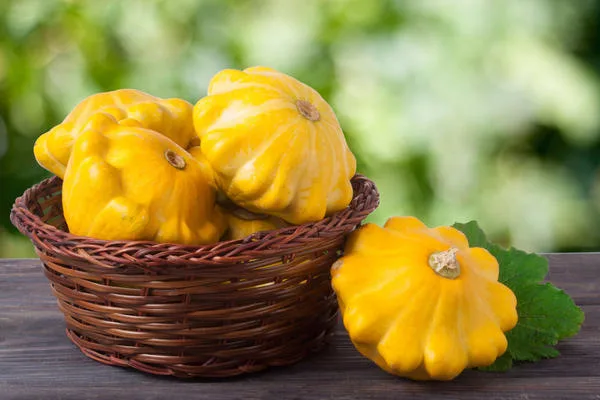
The variety was created by Russian breeders in 2012. The authorship belongs to V. G. Kachainik, M. N. Gulkin and N. V. Nastenko.
The specificity of the bushes and cucumbers, taste
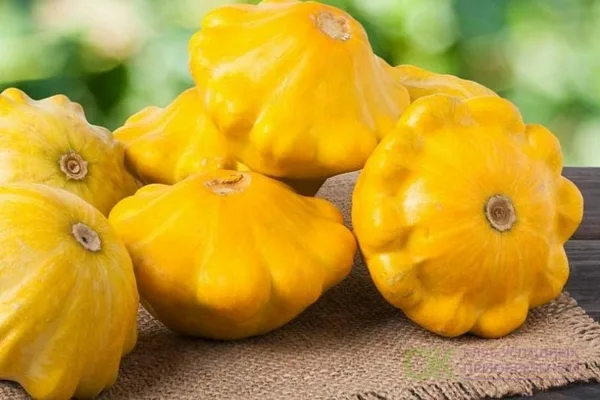
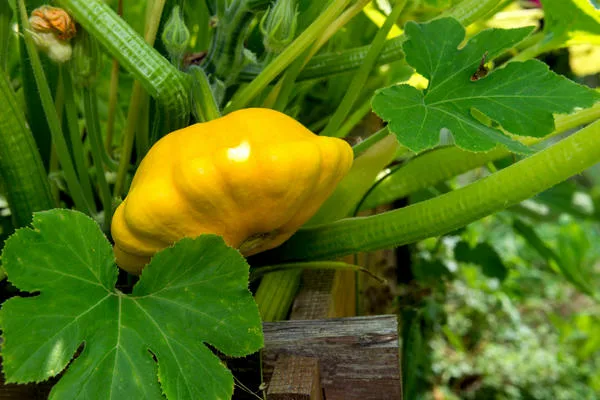
The plant is compact, bush-like, with small, dark green leaves that are unspotted and weakly dissected. The fruits are medium-sized, reaching 10-12 cm in diameter. The weight of a single fruit ranges from 80 to 340 g. The skin is yellow, and the flesh is white.
Growing and care
The plant prefers sunny sites with well-drained, light soils. Choose a site with black soil, sandy loam, or loamy soil.
- ✓ Ensure that the area is not subject to standing water, even after heavy rainfall.
- ✓ Check the soil acidity; the optimal pH level for squash is 6.0-7.0.
Helpful tips:
- Before planting, prepare the area: dig the soil to a depth of 20-25 cm, add organic fertilizers (humus or compost) and harrow to improve the soil structure.
- Sow seeds either directly into open ground or for seedlings.
- Prepare the beds by making furrows in them to a depth of 3-5 cm.
- Place the seeds 20-30 cm apart.
- Cover them with a layer of soil and compact it lightly.
- Water the beds with warm water and cover with film until the seedlings appear.
For seedlings, plant seeds in peat or plastic pots at a depth of 2-3 cm. Place them in a warm location with a temperature of 20-25°C and provide good lighting. Once the seedlings emerge, maintain the temperature at 18-20°C and provide the plants with approximately 15 hours of daylight.
- ✓ The seedlings should have a strong stem and rich green leaves.
- ✓ The root system must be well developed, without signs of rot.
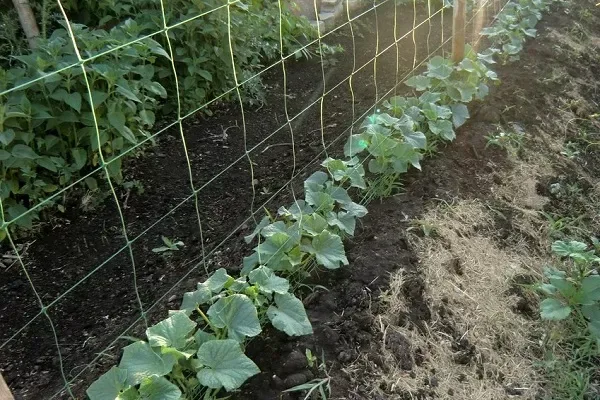
Care for your crop to ensure a bountiful harvest. Follow these simple agricultural practices:
- Watering. Water the bushes regularly, especially in hot weather. Apply warm, settled water to the roots, avoiding contact with the leaves. The soil should be moist but not waterlogged.
- Top dressing. Fertilize the crop twice per season. Apply the first feeding 2-3 weeks after planting the seedlings or when the shoots emerge, using organic fertilizer (mullein infusion or bird droppings).
The second feeding should be carried out 4-5 weeks after the first, using complex mineral fertilizers such as Superphosphate and potassium fertilizers. - Loosening. Regular loosening of the soil will ensure good aeration of the root system and prevent crust formation. Perform this procedure after every watering or rainfall.
Monitor the plants and promptly remove weeds, which may compete with the squash for water and nutrients. Maintain optimal soil moisture levels to prevent over-watering and over-watering.
Diseases and pests
The Karapuz is characterized by a strong immune system, but can occasionally be susceptible to diseases and pest attacks. Most often, problems are caused by improper care:
- Anthracnose. A fungal disease that appears on leaves, stems, and fruits as brown spots with a pinkish tint. The spots can enlarge, causing rotting and tissue destruction.
Remove and destroy diseased leaves and fruit. Treat plants with fungicides such as Hom, Ordan, or Topaz. Practice crop rotation, don't plant squash in the same spot for more than 2-3 years, avoid overwatering, and ensure good ventilation. - Powdery mildew. A fungal disease that appears as a white, powdery coating on leaves, stems, and vegetables. This causes the foliage to turn yellow and dry out.
Remove and dispose of diseased parts. Use Strobi or Topsin. Regularly ventilate greenhouses or hotbeds to avoid excess moisture, and do not allow the soil to become waterlogged. - White rot. It causes damp spots on stems and vegetables, which gradually become covered with white mold. Fruit may begin to rot.
Remove and dispose of all diseased parts. Treat plants with fungicides such as Hom or Ordan. Avoid overwatering, ensure good drainage, and ventilate greenhouses or hotbeds. - Aphid. Small insects feed on the sap of the bushes, which can lead to weakening and deformation of the leaves. The pest also carries viral diseases.
Use insecticides such as Aktara or Inta-Vir. Treat with garlic or tobacco infusion. - Whitefly. Tiny white insects that suck the sap from plants, causing yellowing and curling of leaves. They can carry viral infections.
Use sticky traps. Treat with Confidor or Iskra insecticides. - Slugs. They feed on leaves, leaving behind damage in the form of holes and slimy trails. They are active in damp and humid environments.
Collect slugs by hand, especially in the evening. Place traps made of aluminum foil or special salt around bushes. Use slug repellents, such as metaldehyde or enzymes, which are available at gardening stores.
Following these recommendations will help effectively combat squash diseases and pests, ensuring healthy plant growth and a good harvest.
Reviews
Karapuz squash is an excellent choice for any gardener seeking a bountiful harvest. Its ease of care, disease resistance, and consistent fruiting make it a top choice for beginners. By following the growing and care recommendations, you'll enjoy fresh, high-quality vegetables.