
The Disc Patisson is a source of delicious and healthy fruits that easily integrate into a variety of dishes. This variety has gained popularity due to its low maintenance, good productivity, and resistance to adverse conditions. It's important to understand the planting requirements and ensure proper care to ensure abundant harvests in the future.
Introduction to the variety
The Patisson Disc is an excellent choice for gardeners looking to grow tasty and healthy vegetables. This variety tolerates temperature fluctuations, making it a successful choice throughout Russia.
Information about origin
The variety was bred in 1988 by Olga Vasilyevna Yurina, Irina Viktorovna Ermoolenko, Vera Prokofyevna Kushnereva, and Galina Aleksandrovna Khimich. It was named for the disc- or saucer-shaped fruit.
Features of bushes, fruits, taste
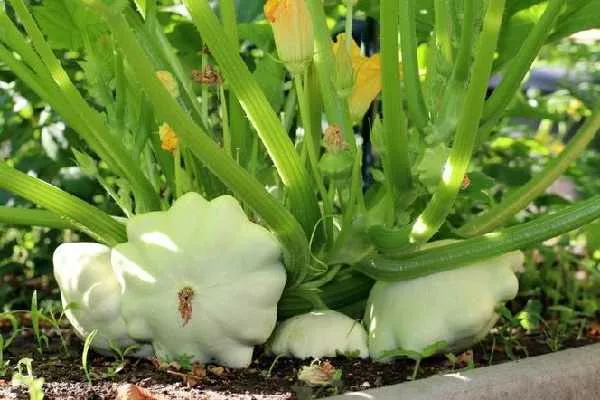
This is an early-ripening variety. The plant is compact, bushy, and vigorous, with 1-2 lateral shoots. The fruits are medium-sized, reaching 17-23 cm in diameter. Their weight ranges from 300 to 400 g.

- ✓ Fruit shape: disc-shaped, 17-23 cm in diameter.
- ✓ Peel color: white or white-cream.
Usage
This variety is excellent for whole-fruit canning, pickling, and salting, especially if harvested before biological maturity. It is often used in stuffed dishes and eaten raw.

Planting squash
Growing this crop doesn't require any special knowledge or skills. Even a novice gardener can handle it if they follow certain guidelines.
- ✓ Optimum soil temperature for sowing seeds: not lower than +15°C.
- ✓ Plant spacing: 70-80 cm to ensure sufficient space for growth.
Deadlines
It's important to adhere to the correct sowing and transplanting timing. To obtain seedlings, begin sowing seeds in late April or early May. If you plan to plant seeds directly into the garden bed, do so in late May or early June, when the soil has warmed to 15°C and the risk of frost has passed.
Site and soil requirements
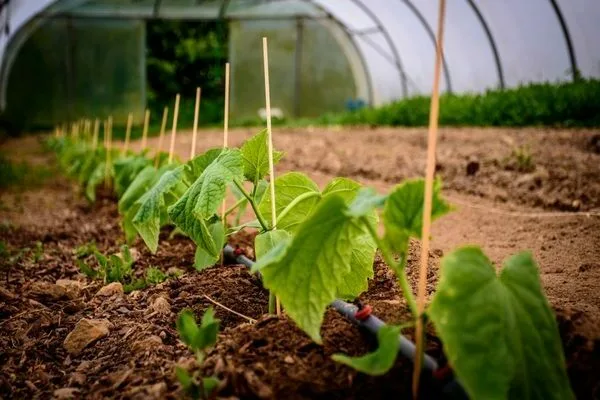
To successfully grow vegetables, choose a suitable site and prepare the soil not only for seedlings but also before planting them in the garden bed.
Follow these recommendations:
- The crop prefers sunny, wind-protected locations. Avoid areas where squash, pumpkins, or cucumbers were previously grown to prevent the spread of diseases and pests.
- The soil should be light, fertile, well-drained, and have a neutral or slightly acidic pH (around 6.5-7.0). In the fall, before planting, dig the soil and add organic fertilizer, such as compost or well-rotted manure.
A light, nutritious substrate consisting of equal parts garden soil, humus, and sand is suitable for seedlings. To improve the soil structure, add a little wood ash.
Preparing and sowing seeds
Before sowing, prepare the seeds to improve germination. To do this, soak them in warm water for 24 hours, then place them in a weak solution of potassium permanganate for a few minutes to disinfect.
Sow seeds for seedlings at the end of April in individual peat pots or boxes at a depth of 2-3 cm. After sowing, cover the containers with plastic or glass and place them in a warm place with a temperature of +25°C. After the seedlings emerge, approximately 7-10 days later, remove the plastic and lower the temperature to +20°C.
Growing seedlings
Give your seedlings plenty of attention. They need regular watering with warm water. Avoid allowing the soil to dry out or become too wet. To ensure healthy growth, provide them with sufficient light—up to 12-14 hours a day. Use grow lights if necessary.
Two weeks after germination, fertilize with a complex mineral fertilizer. After approximately 3-4 weeks, when the plants have 3-4 true leaves, transplant the seedlings into open ground, spacing them 70-80 cm apart.

Key points for growing squash
This crop produces high yields, but requires proper care. Proper watering and fertilizing are essential to ensure healthy growth and development.
Watering
Water the seedlings only with warm, settled water, using approximately 1 liter per 8 pots every 5 days. The optimal water temperature is 25°C. Both excess and insufficient moisture can negatively impact plant development.
After transplanting the seedlings into open ground, while the bushes are establishing roots, water frequently and thoroughly. Helpful tips:
- During the fruit formation period, watering should be increased. Use settled, warm water.
- The watering rate is 6-8 liters per 1 square meter of the garden bed every 5-6 days until flowering begins.
- During flowering and ovary formation, increase the water volume to 8-10 liters per 1 sq. m every 3-4 days.
Apply water at the roots or in specially made furrows around each plant to prevent liquid from getting on the leaves, flowers, and ovaries.
Fertilizer
Fertilize plants twice a season throughout the growing season. If the area was well fertilized during fall and spring soil preparation, additional fertilizing is not necessary.
Step-by-step instructions:
- Fertilize your squash for the first time before they bloom heavily, preferably using organic fertilizers. To do this, prepare a solution from manure and apply it under the bushes, avoiding contact with the leaves.
After the water has absorbed, mulch the soil. If organic fertilizer is not available, use mineral fertilizers such as nitroammophoska, nitrophoska, or Kemira at a rate of 50-70 g per square meter. - The second feeding is carried out at the beginning of mass fruiting, using phosphorus-potassium fertilizers at a rate of 50-60 g per 1 sq. m.
Replace dry fertilizers with solutions: dissolve 40 g of fertilizer in 10 liters of water and apply it under the bushes.
Diseases and pests of squash
The variety is resistant to many diseases. However, it may occasionally be susceptible to the following problems:
- Powdery mildew. A white coating appears on the leaves, which over time becomes denser and covers the entire surface of the plant. This leads to drying out and reduced yields.
Remove affected leaves and treat the bushes with fungicides: Topaz, Fundazol, or colloidal sulfur. For prevention, spray with garlic infusion or whey. - Peronosporosis (downy mildew). Yellow spots appear on the upper side of the leaves and gradually expand. A grayish-purple bloom develops on the underside.
Treat the bushes with Ordan, Ridomil Gold, or Profit Gold. Use an infusion of onion peels or garlic as a preventative measure. - Bacteriosis. Leaves become covered with dark, angular spots, which eventually dry out and fall off, leaving holes. Fruit may rot.
Treat the plants with copper-containing products such as Bordeaux mixture or Oxychom. Avoid overwatering and practice crop rotation. - Anthracnose. Brown spots appear on leaves, stems, and fruits, which then darken and develop into ulcers. Vegetables may become deformed and rot.
Spray the bushes with Antracol, Kuproksat, or copper sulfate. Remove and burn any affected parts. - Aphid. Colonies of small insects appear on young shoots, leaves, and flowers, sucking the plant's sap. The foliage curls, and growth slows.
Treat with insecticides: Aktara, Fitoverm, or tobacco dust infusion. Use a soap solution or wood ash infusion. - Spider mite. The leaves become covered with small, light-colored spots, then become marbled and dry out. A fine web appears between the foliage.
Treat the bushes with acaricides: Fitoverm, Akarin, or Biotlin. For prevention, regularly spray with water and maintain high humidity in the greenhouse. - Whitefly. The leaves become covered with whitish spots, then turn yellow and fall off. Small white insects are visible on the underside.
Use insecticides such as Aktara and Confidor, and set up sticky traps. Ventilate the greenhouse and remove weeds that could harbor pests.
As a preventative measure, practice crop rotation and maintain proper spacing between seedlings. Remove and burn affected parts to prevent the spread of infection.
Reviews
Disc squash is an excellent choice for gardeners seeking a harvest that's not only beautiful but also delicious. Its ease of care, disease resistance, and versatility make this variety a good choice even for beginners. Proper planting, care, and attention to potential problems will help you grow healthy plants.