
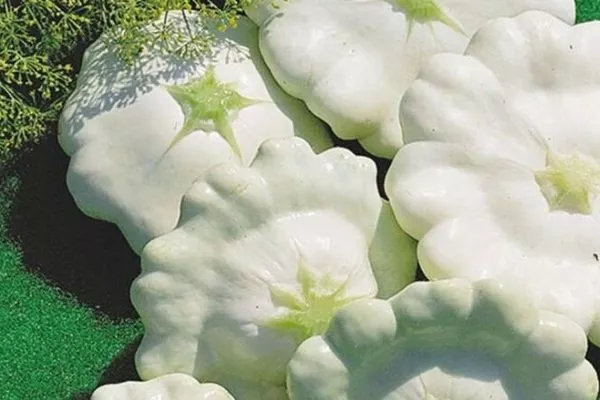
The White 13 squash is one of the most attractive varieties, gaining popularity among gardeners due to its excellent productivity. This crop boasts snow-white fruits, delights with its flavor, and is versatile in cooking. It's important to familiarize yourself with its positive qualities, characteristics, and care recommendations.
Introduction to the variety and characteristics
This variety is distinguished by its early fruiting period. It is ideal for growing in greenhouses and open ground. The period from germination to fruiting is approximately 40-45 days, allowing for a harvest in early summer.
This variety is known for its consistent productivity and adaptability to a variety of climates. It produces a bountiful harvest, reaching 6-8 kg per square meter.
When and by whom was it bred?
The White 13 pattypan squash was developed in 1963 in collaboration with the Federal Scientific Center for Vegetable Growing, Intersemya LLC, and Gavrish Breeding Firm LLC. It is a bushy plant with a branching habit.
The specificity of the bushes and cucumbers, taste
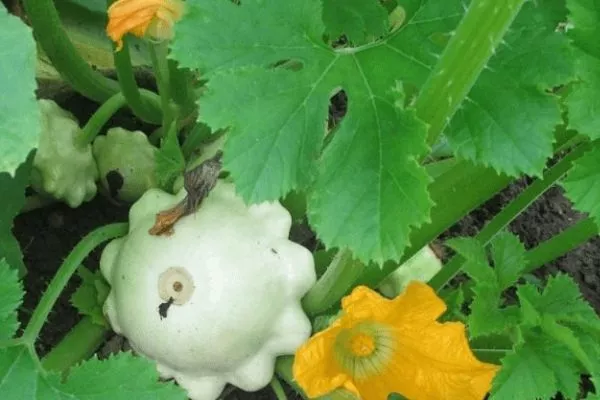
It is characterized by the medium size of the fruits: their diameter is about 13 cm, and the weight varies from 400 to 500 g. The vegetables are colored white both outside and inside.
The firm flesh makes this squash an excellent choice for a variety of culinary applications. Its flavor is also noteworthy.
Growing and care
The crop prefers sunny sites with well-drained, light soil. Sites previously grown with legumes, cereals, or potatoes are best, as squash doesn't like competition from related crops like pumpkins and cucumbers.
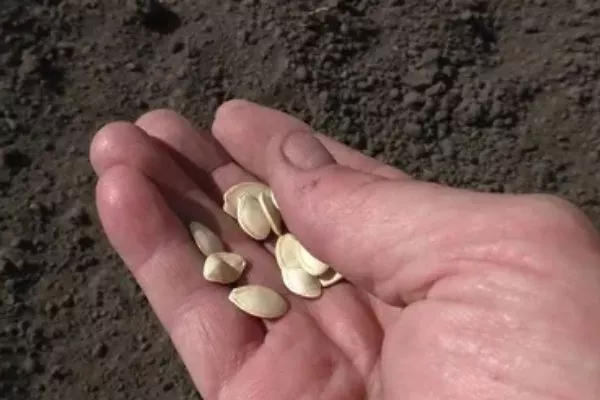
Sow seeds either directly into open ground or for seedlings:
- Sowing for seedlings. Four to six weeks before planting, sow the seeds in containers with a light soil mixture to a depth of 2-3 cm. Maintain a temperature of approximately 20-25°C until germination, then reduce to 18°C. Once two true leaves emerge, transplant the seedlings into individual pots.
- Sowing in open ground. Once the threat of frost has passed and the soil temperature has warmed to 15-18°C, sow the seeds directly into the soil, 2-3 cm deep, using a 50x50 cm pattern. Place 2-3 seeds in each hole, leaving the strongest seedling after germination.
- ✓ Soil pH should be between 6.0-7.0 for optimal growth.
- ✓ The soil should contain a high percentage of organic matter (at least 4%).
Provide the culture with comprehensive care. Follow standard procedures:
- Watering. During the period of active growth and fruit formation, plants especially need moisture. Water them with warm, settled water, avoiding contact with leaves and vegetables. Water 1-2 times a week, depending on weather conditions and soil moisture.
- Top dressing. Two to three weeks after planting, apply organic fertilizer—an infusion of mullein or chicken manure. During flowering and fruiting, feed the bushes with complex mineral fertilizers high in phosphorus and potassium to improve fruit development.
- Loosening. Regularly loosen the soil around the plants to improve airflow to the roots and prevent crusting. This will help prevent weeds from growing, which can compete with the squash for moisture and nutrients.

By following these recommendations, you will provide the bushes with optimal conditions for growth and a good harvest.
Diseases and pests
Despite its strong immunity, the plant can be susceptible to pests and diseases. This is due to improper care.
The most common problems:
- Fusarium wilt. A fungal infection affecting roots and stems. Treat with fungicides (Previcur). Ensure good drainage to avoid overwatering. Remove affected plants and debris from the area.
- Powdery mildew. A fungal disease that affects leaves, stems, and fruit. Spray with fungicides (Strobi or Topsin). Remove infected parts. Improve air circulation around the bushes.
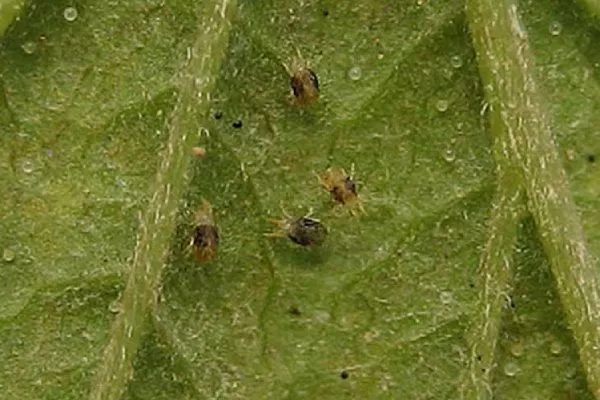
- Spider mite. A small pest that sucks the sap from plants. Spray with insecticides (such as Aktara or Fitoverm). Use acaricides. Ventilate greenhouses regularly and maintain humidity.
- Aphid. Small insects sucking plant sap. Treat with insecticides (Confidor or Fitoverm). Use folk remedies, such as soap solution.
- Slugs. Soft-bodied pests that feed on leaves and fruits. Distribute poisoned baits (such as metaldehyde). Collect slugs by hand and use barriers around plants. Lime or sand are suitable.
| Fungicide | Efficacy against fusarium | Effectiveness against powdery mildew |
|---|---|---|
| Previkur | High | Low |
| Strobe | Average | High |
| Topsin | Low | High |
By following these guidelines, you can effectively control squash diseases and pests and ensure healthy growth.
Reviews
White 13 squash is an excellent choice for gardeners seeking a bountiful and delicious harvest. Its versatility and resilience make this variety ideal for both beginners and experienced gardeners. The key to successful cultivation lies in following proper agricultural practices and care.