
Zyatek cucumbers are a popular variety, boasting excellent flavor and high yields. This hybrid combines several valuable characteristics, making it a top choice for gardening enthusiasts. To fully develop its varietal characteristics, regular care is essential.
Peculiarities of origin
Developed at the Moscow Research Institute of Vegetable Crop Breeding and the Gavrish Breeding Firm, LLC, the variety was developed by breeders S. Gavrish, A. Portyankin, A. Shamshina, and V. Shevkunov. It was approved for use in 2007.
Characteristics and description of cucumber
Recommended for cultivation under plastic cover, in greenhouses, and in open ground. Detailed characteristics of the hybrid are provided below.
Distinctive features
The crop is parthenocarpic, meaning pollination occurs without the help of insects. Cucumbers don't overgrow, become overripe, or become tough; they're less prone to yellowing and retain their rich green color for a long time.
Composition, benefits, calorie content
Cucumbers have a beneficial composition. They contain water, which has a beneficial effect on the kidneys and helps remove excess salts and toxins from the body. They are rich in micronutrients such as magnesium, potassium, zinc, iron, and silver, as well as vitamins A, C, PP, B, and others.
Potassium is vital for healthy heart and vascular function. The pulp and peel contain soft fiber, which supports intestinal motility and eliminates toxins. Caloric content is no more than 15 kcal per 100 g, making them an excellent choice for a diet.
Cucumber-based cosmetic masks are especially effective for sunburn. They make skin firmer and more toned, and provide a subtle whitening effect thanks to their vitamins A and E.
Plant characteristics
The plant has medium branching and a robust root system. Several ovaries form at each node, and since the variety is a female flowering type, there are virtually no barren flowers. The hybrid is an early-ripening variety: 42-48 days pass from germination to full maturity.
The yield is high – up to 13 kg of high-quality fruit can be harvested per square meter when planting 2-4 seedlings per square meter. The crop is well adapted to adverse weather conditions and stressful situations: poor watering, sudden temperature changes, poor soil, or prolonged exposure to direct sunlight.
Characteristics of fruits
| Parameter | Indicator |
|---|---|
| Flowering type | Female |
| Number of ovaries in a node | 2-4 |
| Ripening period | 42-48 days |
| Productivity | up to 13 kg/m² |
| Planting density | 2-4 plants/m² |
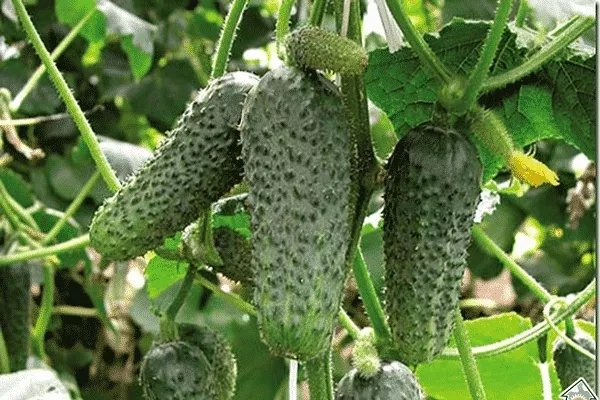
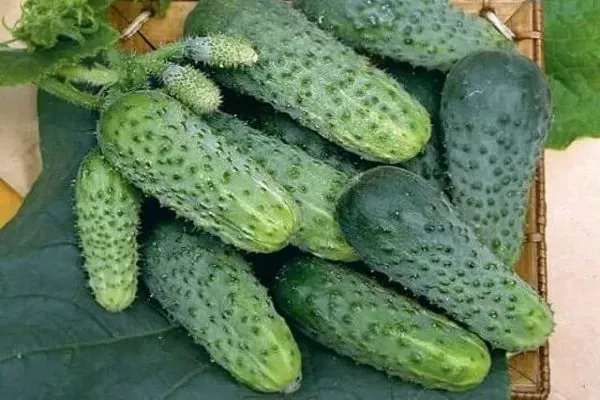
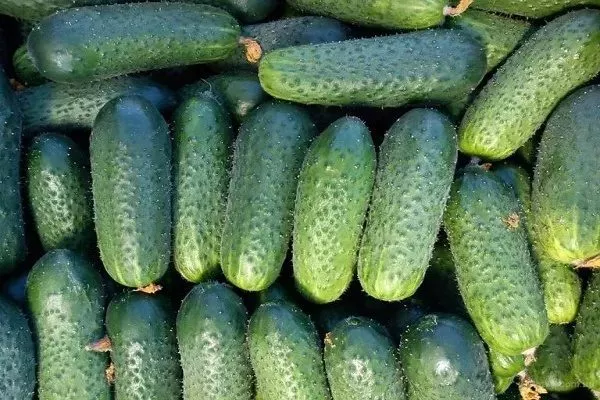
Cylindrical and elongated cucumbers weigh an average of 90-100 g and reach 10-12 cm in length. The skin is dark green, decorated with short light stripes, and the dense pubescence adds a distinctive texture.
Brief characteristics of the fruits:
- Taste - pleasant, without bitterness.
- Pulp – juicy and crispy.
- Seeds – small and delicate.
- Peel – thin but strong.
Vegetables combine attractive appearance and flavor, ensuring high demand in markets. They are grown on an industrial scale and sold throughout the country. They perfectly complement fresh dishes and retain their flavor when preserved for winter.
Growing regions
Zyatek is a versatile variety suitable for growing in any region of Russia. This hybrid is an excellent example of modern parthenocarpic cucumbers, renowned for their hardiness.
The plants successfully tolerate drought, wind, heat, and even cold. However, for maximum yields in traditionally cold regions such as Siberia, the Urals, or the Leningrad region, it is recommended to grow this variety in warm beds.
When to harvest?
Harvesting begins in early July. Additional fertilizing during the fruiting period can extend the ripening period.
Soil requirements
Cucumbers are one of the few vegetable crops that thrive in fresh organic matter. They can be safely planted in manure or compost piles, so there's no need to worry about overfertilizing the soil.
The soil can be very rich and rich. The key is to ensure the substrate is loose enough to allow moisture and air to pass through, as the root system is delicate and sensitive. To improve clay soils, add coarse sand, peat, or rotted sawdust.
The optimal soil should be light, fertile, and sandy or loamy, with a high organic content and good water and air permeability. The soil pH should be between 6.4 and 6.8.
In overly acidic soils, add dolomite flour, chalk or slaked lime.
How to grow a hybrid yourself?
Zyatek cucumbers are grown both in open ground and from seedlings. This is a simple process, but it does require following a few guidelines.
Sowing seeds in the ground
When purchasing seeds from reputable producers, you can be assured of the quality of your seeds. They've already been disinfected and treated with the nutrients necessary for the initial growth stage. This means they're ready for planting right away.
Before sowing, dig the soil and add humus. The distance between holes and rows should be 50 cm. Sow the seeds to a depth of 1.5-2 cm, then moisten with warm, settled water and cover with plastic wrap until germination.
Sowing seeds for seedlings and further care
Schedule of work with seedlings
- Day 1-3: Sowing in prepared containers
- Day 4-7: Seedlings emerge, film removal
- Day 14: First feeding with complex fertilizer
- Day 21: Beginning of hardening
- Day 25-30: Transplanting to a permanent location
Proper planting and care of seedlings is the key to healthy growth. Begin sowing seeds 25-30 days before transplanting to their permanent location.
Follow the recommendations:
- Because of the sensitive root system, use disposable containers for seedlings, disinfecting them with a dark solution of potassium permanganate beforehand. Make small drainage holes in the bottom of the containers to prevent waterlogging, which can damage the young roots.
- Prepare the soil for the seedlings using a mixture of garden soil, peat, and washed river sand. The sand provides lightness and drainage, while the peat enriches the soil with nutrients. Before use, disinfect the soil mixture with a hot solution of potassium permanganate, then pour it into containers, filling them one-third full.
As the seedlings grow, add the remaining soil, providing the plants with additional nutrients. - Sow the seeds 1.5-2 cm deep, moisten with warm, settled water, and cover with plastic wrap to speed germination. Place the containers in a warm location with a temperature of 22-25°C.
- Once the seedlings emerge, move the containers to a windowsill to ensure adequate light. Insufficient light can cause the seedlings to stretch and weaken their stems.
- Water the seedlings as needed from a shallow watering can, then lightly loosen the soil surface.
- In the middle of the seedling period, feed the plants with liquid complex fertilizer for cucumbers.
Harden off the seedlings a week before transplanting, gradually acclimating them to outdoor conditions. To do this, place them outdoors (without drafts) during the day at temperatures no lower than 18°C.
Transfer
Begin preparing the plot a week before transplanting the seedlings. Dig the soil and add compost to enrich it with organic matter. Then, make shallow holes in the soil, fill them a third full with peat moss, and water them.
The planting pattern calls for spacing plants in a 50x50 cm pattern. This spacing ensures they receive sufficient warmth and light to promote healthy growth. Plant no more than four seedlings per square meter.
Caring for Zyatek cucumbers
Further care includes several important procedures. Follow simple agricultural practices:
- Watering. Watering should be moderate and regular until the fruit ripens. Overwatering can lead to root rot, so maintain a balance and avoid overwatering.
- Weeding and loosening. Although these procedures are not strictly necessary, they are highly recommended. Loosen the soil no more than once a week and do so very carefully to avoid damaging the root system.
- Top dressing. This is especially important during the plant's active growth period. Fertilize once a week, combining it with evening watering. Solutions containing potassium and phosphorus produce good results, but experienced gardeners often use diluted manure.
Give the crop a little attention and it will reward you with generous harvests.
| Growth stage | Watering frequency | Water temperature |
|---|---|---|
| Before flowering | Once every 3 days | +22…+24°C |
| Bloom | Once every 2 days | +24…+26°C |
| Fruiting | Daily | +24…+26°C |
| In the heat | In the morning and in the evening | +24…+26°C |

Some features in care
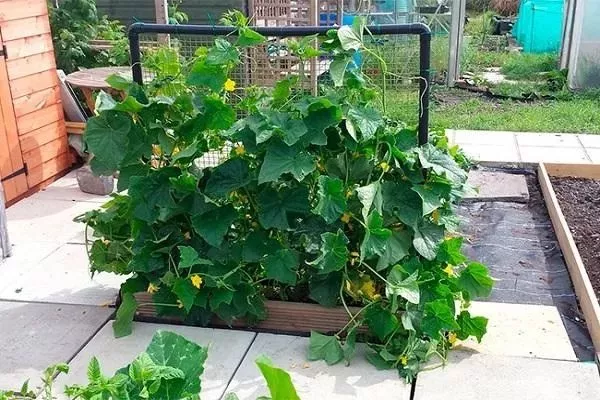
This hybrid requires staking. Installing a trellis is straightforward and involves a few simple steps:
- Install metal supports around the bed on both sides.
- Stretch a wire horizontally between the supports.
- Attach a net to which you will tie the stems and branches.
To increase yield, train your seedlings properly. Use the "single-stem" method, regularly removing side shoots. When the top of the plant reaches the top of the trellis, pinch it back to limit further growth and encourage the development of side branches and fruit.
Diseases and pests
Zyatek cucumbers have a well-developed immune system, but care errors can lead to rot or pests. Common diseases and pests:
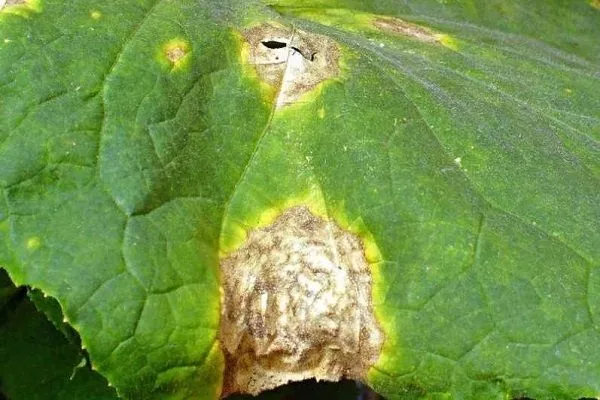
- Gray rot. Occurs with cold watering and high humidity. The disease manifests itself as yellowish-brown, water-soaked spots on the leaves.
To control the disease, treat the beds with fungicides such as Fitosporin, Roval, or Thanos. Trim off damaged shoots and treat the cut surfaces with charcoal powder or slaked lime. - May beetle. It damages roots, causing them to wilt. To control the insect, dig the area deeply in the fall and spring to collect the larvae. Plant nitrogen-producing plants, such as white clover, lupine, or elderberry, near the crop.
Mulching the area with cabbage leaves is no less effective against the May beetle. - Mole cricket. A pest that damages the root system. To control it, locate nests 20-25 cm deep and fill them with a solution of soap or laundry detergent. Use traps filled with beer or kvass, dug near the edges of the plot.
To prevent mole crickets from multiplying, plant marigolds or chrysanthemums around plants.
Harvesting and use of the crop
Cucumbers ripen quickly and uniformly, so harvest every morning before watering. Although Zyatek isn't prone to overgrowing, left-on cucumbers can develop an untidy, barrel-shaped form, and their skins can become tough.
Vegetables can be stored for about a week in the refrigerator or in a cool, dry cellar at 9-10°C. Cucumbers withstand long-distance transportation well without losing their marketable appearance or becoming damaged.
Advantages and disadvantages of a hybrid
Zyatek has proven itself to be a versatile and undemanding variety capable of producing a stable harvest even in unfavorable climate conditions. The hybrid's main advantages and disadvantages include:
Reviews
Zyatek cucumbers are an excellent choice for those who value reliability, flavor, and relative versatility in cultivation. Despite some shortcomings, this hybrid demonstrates consistent fruit quality and excellent flavor. To ensure abundant harvests, it's important to provide proper care.