
The Winter cucumber is a cold-hardy hybrid bred domestically, attracting gardeners with its excellent presentation and transportability. This makes it suitable not only for regular cultivation but also for commercial use.
Who bred the Winter variety?
The hybrid variety Zimniy was developed by Russian breeders. Authors: Dubinin S.V., Dubinina I.N., Lukyanenko A.N. The hybrid was approved for cultivation in 2015. This hybrid variety is suitable for cultivation in all regions of the country.
Description of plants and fruits
The plant is indeterminate, vigorous, and moderately branched. The main stem reaches 1.8 m in length. The leaves are large and dark green.
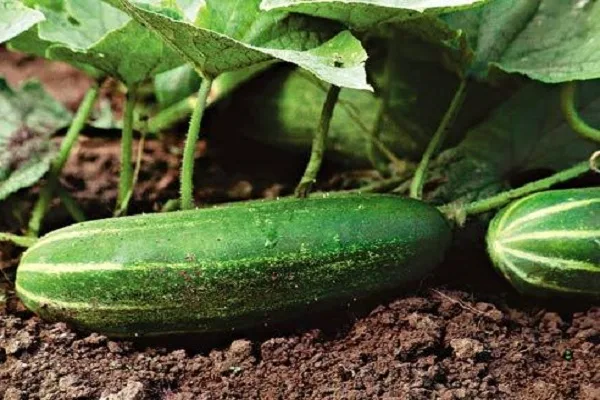
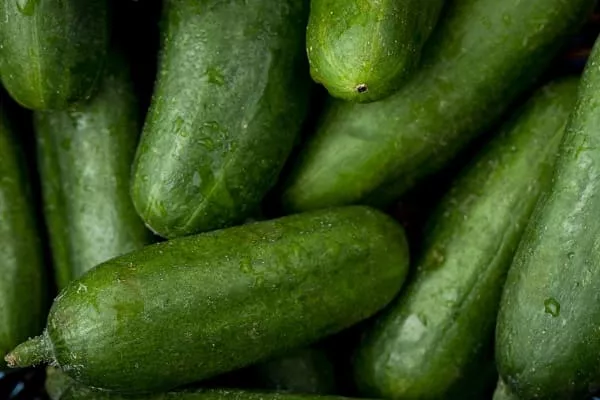
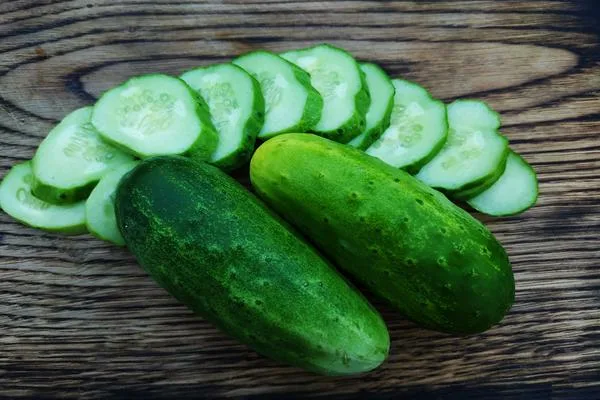
The fruits are cylindrical, green, smooth, and glossy, with white spines on the thin skin. They reach 12-14 cm in length, weighing 120-135 g each.
Taste and purpose
The Winter cucumber has excellent flavor, its fruits are slightly sweet, juicy, and have a unique cucumber aroma.
Characteristics
Belongs to the salad group and is parthenocarpic (self-pollinating). The Winter cucumber is an early-ripening variety, with its fruits ripening approximately 45 days after germination.
The variety is suitable for growing outdoors, in winter and spring-summer greenhouses, and under plastic covers. Gardeners can harvest approximately 14 kg of cucumbers per square meter.
Pros and cons
The domestic hybrid Zimniy will appeal to those who prefer cucumbers with smooth skin—its fruits have no bumps and are virtually thornless. Along with its advantages, this variety also has some qualities that could be perceived as disadvantages.
Advantages:
Flaws:
How to plant in the ground?
The Winter variety is considered hardy and cold-resistant, but to obtain a good harvest, it is important to plant these cucumbers correctly and provide them with suitable growing conditions.
Subtleties of planting:
- Ideally, a sunny site is chosen, although partial shade or light afternoon shade is also acceptable. The soil should be loose, fertile, and enriched with organic matter. Peat soil is optimal for this hybrid.
- Planting seeds or seedlings in open ground is done in May-June, when the air and soil have warmed sufficiently and the threat of frost has passed. Cucumber seedlings are sown fairly early, well before planting in the ground or under plastic cover—in February or March.
- The soil for the cucumber beds is prepared in advance. In the fall, the soil is dug over with humus and compost scattered throughout. In the spring, the soil is loosened and holes are dug in a 60x60 cm pattern, 2-4 cm deep.
The holes are thoroughly watered with warm, settled water. The seeds are placed in the holes, covered with soil (2 cm thick), and lightly compacted. The seedlings are planted in a similar manner. The plant density should be 5-7 plants per square meter.

Care instructions
Although the Winter variety is considered unpretentious, like all cucumbers it requires a certain amount of care, which will determine the yield, quality and size of the fruit.
Care features:
- For watering cucumbers, it's best to use sun-warmed water. The best time to water outdoors is in the evening, while greenhouse cucumbers are recommended to be watered in the morning. Before flowering, water the crop once a week, and every three days during the fruiting period.
- Fertilizing is carried out according to the standard schedule—every 10-14 days. Organic and mineral fertilizers are alternated.
- The stems and side shoots are tied to trellises to make harvesting easier.
- The beds are periodically loosened and weeded after each watering or rain. The soil can be covered with mulch—compost, peat, sawdust, etc.

Diseases and pests
The Winter cucumber is resistant not only to adverse weather but also to diseases, including root rot, cladosporiosis (brown olive spot), and powdery mildew (common and downy). Fungal and bacterial diseases can occur if agricultural practices are severely violated.
For minor infestations, gardeners can spray with a weak solution of potassium permanganate, a soap-ash solution, marigold infusion, or whey. In severe cases, fungicidal products such as Skor, Topaz, Fundazol, Abiga-Peak, Previkur Energy, and others can help save the crop.
The variety is not susceptible to insect damage, but if there is a widespread infestation and/or severe violation of agricultural practices, the plants may be attacked by whiteflies, melon aphids, spider mites, etc. In case of widespread infestation, use Karbofos, Aktara, Aktofit, Iskra, and other insecticides.
Harvesting Rules
Cucumbers are harvested every 2-3 days to prevent them from becoming overgrown. Frequent harvesting also stimulates the formation of new fruit. It is recommended to harvest cucumbers early in the morning or in the evening, when they are at their juiciest and firmest. Fruits harvested during the day quickly wilt and become soft.
It's strongly recommended not to harvest cucumbers in rainy weather, as these fruits don't store well. Harvested cucumbers should be placed in a cool, dark place, covered with a cloth. They can also be stored in the bottom drawer of the refrigerator.
Reviews
The Winter cucumber is an interesting variety that is sure to appeal to gardeners in regions with unstable climates and cool, rainy summers. These cucumbers are appealing not only for their weather resistance but also for their excellent flavor, rich aroma, and juicy flesh.