
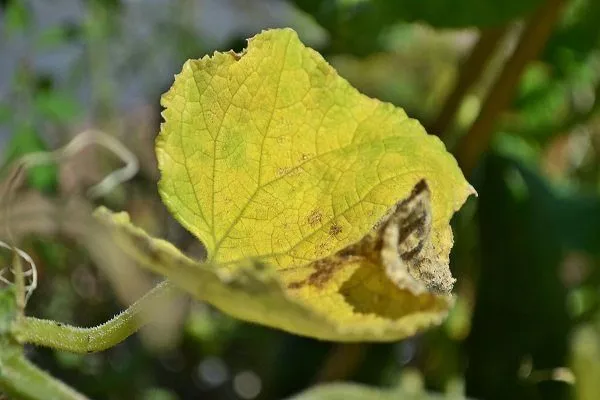
Yellow spots on cucumber leaves are the result of improper care or violation of growing guidelines. Much less commonly, this symptom indicates disease or pests. Determining the cause is not difficult; it's important to clearly understand when exactly the leaves began turning yellow and what factors may have triggered the phenomenon.
Influence of external conditions
Disruption of vegetative development can occur due to: low light, sunburn, insufficient water or nutrients, sudden temperature changes, too rapid cooling of air and soil, infection by diseases or damage by various insects.
Yellow spots have their own characteristics. To determine the exact cause, it's necessary to carefully examine the spot. The damage varies:
- location;
- shades;
- edging of spots;
- additional symptoms of plant disease.
Based on the signs of yellowing, it is necessary to choose the right measures to eliminate them; in different cases they will differ.
Hypothermia
Cucumbers react very quickly to temperature fluctuations. If the temperature dropped rapidly the day before or there was heavy rain, yellow lesions will appear on the bushes. This is because during low temperatures, plants cannot absorb nutrients, resulting in poor growth.
Normalizing the temperature will restore the healthy color of cucumber leaves. Pay attention to weather forecasts; if frost or rain is predicted, cover the plants with non-woven fabric; it allows air to pass through and prevents frost damage.
Lack of light
Sunlight deficiency occurs at various stages of crop development. It often occurs during seedling growth and immediately during fruiting.
If the leaves start turning yellow while growing seedlings, it's due to poor location or cloudy weather. Photosynthesis slows, and the cucumbers don't receive enough nutrients. This problem is easily solved: move the seedlings to a brighter location or use grow lights.
Once the plants have grown sufficient green mass, they begin to shade themselves, causing the leaves located below the stem to lose adequate light and turn yellow. This process is inevitable; in this case, you can simply trim off the yellow parts of the cucumber and prune the vines that aren't producing fruit. This will help partially extend the growing season.
Sunburn
If your plants develop yellow lesions with a clear border, and you previously watered them on a sunny day, the cause is burn. This won't cause any harm, but remember to water them in the morning or evening.
You cannot water cucumbers under the scorching sun rays.
Features of agricultural technology
Agricultural practices are systematic measures aimed at achieving a high yield. Sometimes, failure to follow even one step leads to yellow lesions on the bushes.
Insufficient pollination
The main cause of yellowing is insufficient pollination of already blooming cucumbers. This may occur if only self-pollinating cucumbers were planted. Due to the lack of insects, pollination does not occur.
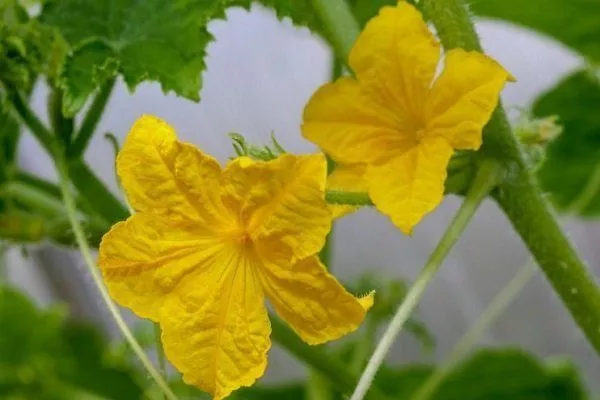
In this case, use "Bud" or "Ovary" products. There's also a folk remedy for attracting insects and restoring pollination: spraying with a special "flavored" water (1 tablespoon of granulated sugar or honey per 2 liters of water). Next year, avoid this mistake and plant insect-attracting seedlings near your cucumbers.
Overload of ovaries
No more than 25 ovaries should be left on a single bush. This is due to the bush developing too quickly, with the ovaries rapidly gaining weight and height. Many cucumber hybrids are capable of forming around 150 ovaries on a single bush, but they will all be small and twisted.
It's important to pinch shoots in a timely manner to give them a chance to fully ripen. Otherwise, excess shoots and ovaries can lead to deformed fruits and yellow lesions.
Incorrect watering
Cucumbers are a moisture-loving crop. The cause of their yellowing and drying out is a lack of moisture and excessive sun exposure. The tips of the plants dry out first, followed by the entire leaf. To solve this problem, it's necessary to ensure proper and regular watering.
Spraying plants is also beneficial, but remember that too much water will negatively affect the development of the bushes.
Read about the rules and methods of watering cucumbers in next article.
Root damage
Moles, mice, shrews, and other pests can damage the root system of not only cucumbers but also other crops growing in your garden. Remember to properly loosen the soil; don't dig too deep, otherwise you'll damage the plants' root systems.
Violation of the microclimate in the root part of the crop is the source of the appearance of yellow spots on plants.
Leaf aging
Yellowing foliage on mature plants is normal, and there's no point in trying to stop it. The bushes have already served their purpose; they're drying out and should be removed from the area.
Lack of fertilizers
Low levels of nutrients in the soil can cause yellowing of plant foliage. This is often a sign of nitrogen deficiency. A lack of fertilizer begins with the leaves becoming lighter in color and then turning yellow. A lack of nutrients causes all the vines on cucumbers to turn yellow, and the fruits to become hooked.
- ✓ Leaves become lighter in color before turning yellow.
- ✓ The fruits take on the shape of hooks.
Nitrogen deficiency is caused by excessive amounts of wood ash and potassium fertilizers in the soil. To avoid this, feed the seedlings with nitrogen fertilizer a couple of days before transplanting them outdoors. When digging in the spring and fall, add rotted manure (1-2 buckets per square meter). This will prevent nitrogen deficiency.
If nutrients weren't added to the soil when transplanting the seedlings, feed them with chicken manure or mullein during the growing season. Also, use an infusion called "herbal tea."
You can save the crop by applying mineral fertilizers containing nitrogen. Leaves can also turn yellow due to excessive amounts of mineral fertilizers. Before applying them to the soil, read the instructions carefully. For information on how to properly fertilize cucumbers in open ground, read next article.
Learn about the causes of yellowing cucumber leaves in the following video:
Diseases and pests
Besides agricultural errors, yellow spots can also appear due to diseases and pests. With these, you need to be extremely careful and attentive to detect the disease early and treat it.
Fusarium
Symptoms: The sprouts emerge successfully and develop rapidly, but during fruit set, the leaves of the plants first turn yellow and then dry out completely. The fungus, which penetrates the cucumbers, secretes toxic substances that prevent the supply of micronutrients to the leaves.
Control options: changing cucumber varieties in the greenhouse, partial replacement of “sick” soil.
Powdery mildew
Powdery mildew is one of the most dangerous fungal diseases of crops. The disease interferes with photosynthesis. Initially, small, light-colored spots form on the bushes, which eventually spread throughout the plant.
A white or yellow coating forms, then the plants dry out.
Preventative measures against powdery mildew: choose varieties resistant to this disease, treat the soil with potassium permanganate, and plant green manure.
Downy mildew
Downy mildew is not much different from powdery mildew. Initially, damage appears on the underside of the leaf, then spreads to the upper surface and turns black. However, the initial signs are the same: yellow or white spots appear on the foliage, bordered by veins. If left untreated, the plants will die within a few days.
Causes of downy mildew include sudden temperature changes, root rot, and watering plants with cold, unsettled water. This disease initially affects weak plants, then affects stronger ones.
Control methods: treat the root parts of the crop with Previkur twice a season.
Root rot
Yellowing of plant leaves can be the result of root rot. This disease destroys cucumber roots, causing them to die from a lack of nutrients. The cause is almost always the same: too much water.
If the bushes have already begun to wilt, it means the seedlings were planted incorrectly and not cared for properly. Use a gardening stick to push the soil away from the bush stems. Just be extremely careful not to damage the root system.
To treat the bush, treat it with a mixture of 1 liter of water, 2 teaspoons of copper sulfate, and 6 tablespoons of wood ash. You can also use chalk or activated charcoal. If these measures don't help, dig it up and burn it. Pour a copper sulfate solution into the hole where it grew.
Pest attack
The most dangerous pests for cucumbers are spider mites and melon aphids. The latter insect infests the underside of the plant's leaves and sucks the plant's sap. The only way to eliminate aphids is by spraying and regularly ventilating the greenhouse.
Spider mites are easy to spot; they create tiny webs on the undersides of leaves. Spots of a characteristic hue appear on the bushes, which then turn completely yellow and dry out. The mites cause enormous damage and can be controlled with Akarin and Fitoverm.
How to treat cucumbers to prevent the leaves from turning yellow?
Yellowing of the leaves of this crop can be avoided by following certain preventative recommendations:
- When planting seedlings in open soil, maintain a distance between plants (0.2-0.3 m).
- Provide good lighting and plant cucumbers in a sunny area.
- Do not overwater the bushes or let them dry out.
- Ventilate the greenhouse, but do not create drafts.
- Regularly apply the necessary fertilizers to your cucumbers.
- Loosen the soil so that the root system has time to become saturated with oxygen.
- Monitor the number of ovaries on one plant and harvest on time.
To prevent leaves from turning yellow, treat your plantation with solutions that are safe for humans but effective against various diseases. Here are some examples:
- Milk and soap. Pour 1 liter of milk into a 10-liter bucket. Add 20 grams of grated soap and 25 drops of iodine. Pour warm water over the mixture. Stir until the soap is completely dissolved. Use this remedy as soon as the plant produces 4 true leaves.
- Iodine and black bread. Pour 1 loaf of bread into 10 liters of water. Once it's fully swollen, add 1 jar of iodine to the mixture. Use this solution only in diluted form (1 liter of solution per 10 liters of water). Treat the bushes once every 2 weeks.
- Onion peel. Take a 0.5-liter jar of husks, pour 10 liters of water over it, bring to a boil, and let it sit overnight. Dilute 2.5 liters of the solution with 10 liters of water and use it to treat the bushes.
- Potassium permanganate. As soon as you notice yellowing on the leaves, immediately apply a 1% potassium permanganate solution. This will disinfect and rid the bushes of fungal spores.
To see how brilliant green solution can help prevent yellowing leaves, watch the following video:
How to combat yellowing of cucumber leaves
Depending on where cucumbers are grown, care instructions vary. If proper care isn't followed, the foliage may begin to turn yellow.
In the greenhouse
The main causes of yellow spots on cucumber bushes are failure to adhere to proper growing practices. Basic rules for caring for cucumbers in a greenhouse:
- Follow the watering rules. When the plants begin to flower and bear fruit, water them three times a week. 10 liters of water per square meter is sufficient. Increase the amount of water on hot days.
- Maintain one temperature regime. Plants don't need the stress of sudden temperature changes. Ventilate the greenhouse occasionally to attract insects to fertilize the plants and kill any fungal spores.
- Feed your plants regularly. Lack of nutrients causes cucumber leaves to turn yellow.
- Follow the correct planting pattern. Do not allow the beds to become too dense, otherwise excessive crowding will cause the lower leaves to turn yellow.
In open ground
Basic rules for caring for cucumbers in open ground:
- Cover plants in a timely manner. Don't leave plants uncovered, especially if temperatures drop to 15 degrees Celsius. Use agrofibre or tents with polyethylene film. Remove the covering material on sunny days.
- Water moderately. When the leaves begin to dry out due to lack of water, add more water than before. If the cause is overwatering, stop watering the bushes.
- Loosen the soil regularly to ensure that the root system is fully saturated with oxygen. You can add wood ash or sand to the soil at this point.
- Treat bushes against pests. It's much easier to catch a disease in open ground than in a greenhouse, so check your plants three times a week. Monitor the amount of fertilizer applied.
- Don't apply fertilizer if your plants don't need it. It is better to fertilize the soil immediately during planting of seedlings.
On the balcony
Growing cucumbers on the balcony – a very difficult task. Why are the leaves of cucumbers on the balcony turning yellow?
- The containers are too small for growing this crop. Young plants begin to turn yellow if their root system is too crowded. Repot the plants in different pots, and the green color of the leaves will return.
- High air humidity. Fungal diseases thrive in overly humid environments. Ventilate your balcony or loggia regularly.
- Large or small amount of water. Monitor watering based on the size of the bush and the humidity in the room.
- Insufficient amount of fertilizers. A plant in a small pot gradually draws out all the beneficial micronutrients, so they need to be added to the soil regularly. The first feeding is done after the sprouts have developed two leaves. You can use a ready-made mixture or make your own: 5 liters of water + 5 g of ammonium nitrate + 5 g of potassium salt + 5 g of superphosphate.
Yellowing cucumber leaves is a result of improper care. Follow basic gardening practices, and you'll significantly reduce the risk of yellowing.