
The Zhar-ptitsa cucumber is one of the best hybrids for those looking to grow high-yielding and low-maintenance vegetables in their garden. It has gained popularity due to its versatility, abundant fruit production, and excellent taste. By following standard agricultural practices, you can grow a crop with a strong immune system.
Information on the approval of Zhar-Ptitsa cucumbers from the State Register of Crop Species of the Russian Federation
Application for approval No. 73716 was filed on November 23, 2017. It was included in the register of approved varieties in 2019. It is approved for use in all regions. The originator is AGROFIRMA POISK LLC, located at the following address: 140153, Moscow Region, Ramensky District, Vereya Village, Building 501.
Introduction to the variety
The hybrid was bred by breeders V. V. Korchagin, N. N. Klimenko, S. V. Maksimov and L. A. Chistyakova. It is a parthenocarpic hybrid.
Characteristic features of the appearance of the plant and fruits
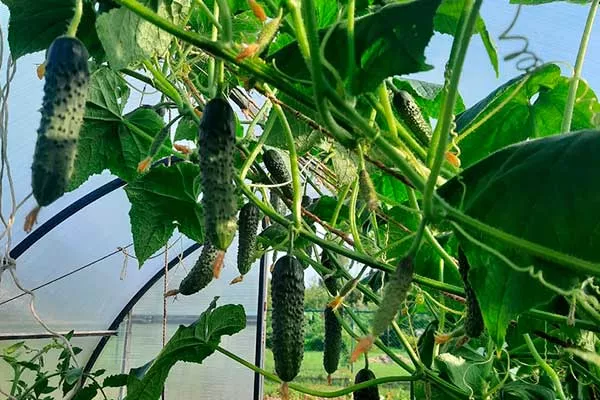
It has an indeterminate growth habit, allowing it to grow indefinitely without developing a central stem or apex. It is distinguished by good branching and large, dark green leaves.
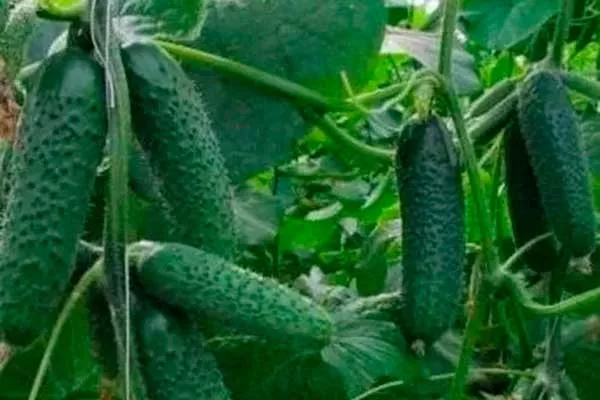
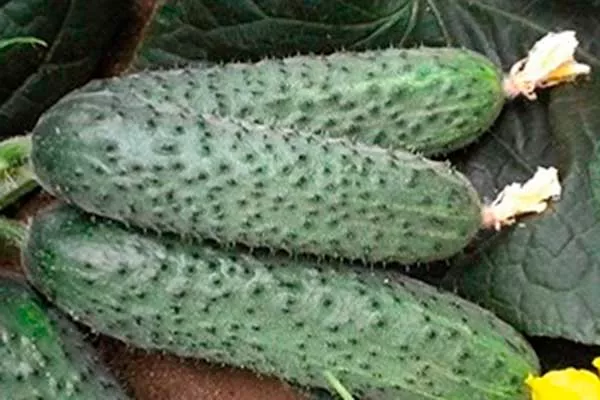
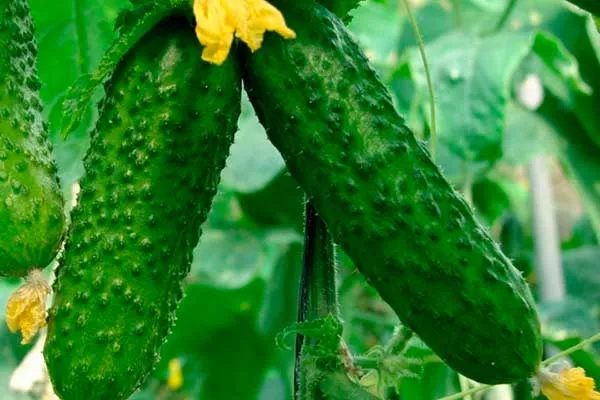
The cucumbers are cylindrical in shape, reaching 12-15 cm in length and weighing 120-150 g. The surface is coarsely tuberculated with short green stripes, and white spines give them additional appeal.
Purpose and taste of fruits
The Firebird cucumber is versatile, making it ideal for fresh eating, canning, and cooking. Its excellent flavor, without any bitterness, makes it particularly appealing to consumers.
Maturation
The vegetables reach full maturity 45-48 days after germination. This variety is known for its abundant fruit production, which is one of its advantages.
Growing and care
For an early harvest, sow seeds for seedlings in mid-March to early April. If you plan to sow directly into open ground or a greenhouse, do so in late May to early June.
Follow these recommendations:
- Soak the seeds in warm water for 1-2 hours before sowing. Harden them off by placing them in the refrigerator for 24 hours.
- Use loose, fertile soil. For seedlings, a mixture of equal parts humus, peat, and sand, with some wood ash added to improve drainage, is suitable.
- Sow the seeds 1-2 cm deep in containers with drainage holes, spacing them 2-3 cm apart.
- Provide a temperature of 22-25°C and 12-14 hours of light per day for germination. Use grow lights or place the containers in a well-lit area.
- Water the seedlings with warm, settled water, keeping the soil moderately moist. Avoid overwatering or overdrying.
- Two weeks after the seedlings emerge, apply the first fertilizer with a complex fertilizer for seedlings, following the instructions on the package.
- Transplant into open ground or a greenhouse when the plants reach 10-15 cm in height and have 2-3 true leaves, usually in late May-early June.
- Choose a sunny location with well-drained soil. Cucumbers prefer light, neutral or slightly acidic soil.
- ✓ The optimal soil temperature for sowing seeds should not be below +15°C.
- ✓ To prevent diseases, it is necessary to ensure air circulation around the plants, avoiding dense plantings.
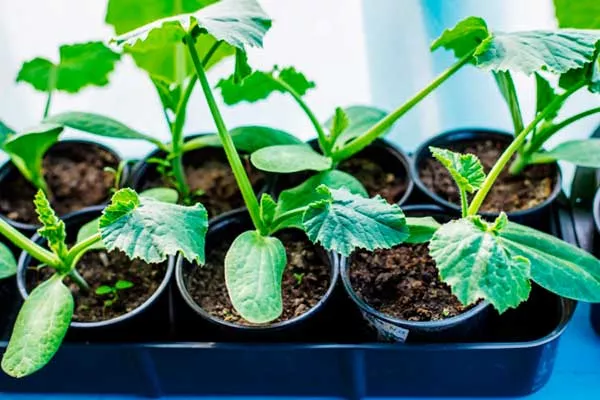
The distance between bushes should be 30-40 cm, between rows – 50-60 cm. Deepen them to the level of the first true leaves.
Provide the seedlings with proper care:
- Water regularly, especially in hot weather. Water at the roots, avoiding contact with leaves and fruit.
- Feed every 10-14 days with a complex fertilizer high in potassium and phosphorus. During the fruiting period, use a specialized fertilizer for the crop.
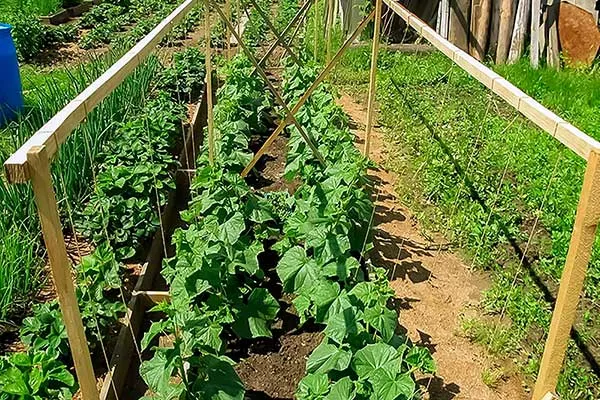
- In greenhouses and open ground, tie shoots to a trellis or support to keep them upright and ensure good air circulation.
- Conduct preventative treatments against diseases and pests. If necessary, use insecticides and fungicides that are safe for cucumbers.
Reviews
Firebird cucumbers are an excellent choice for your garden or dacha. Thanks to their generous yield, wonderful flavor, and low maintenance, this variety is ideal for growing, even for those with no gardening experience. By following planting and care tips, you'll grow healthy plants and harvest high-quality cucumbers.