
Zena cucumbers are a reliable and delicious choice for every gardener. Good yields, disease resistance, and excellent flavor make this variety ideal even for beginners. By using the right growing techniques and taking this variety's characteristics into account, you'll be able to enjoy fresh, crisp cucumbers all season long.
History of origin
The variety was developed by specialists from the Japanese company SAKATA VEGETABLES EUROPE SAS. It received official recognition in Russia in 2009.
Features of the appearance of the plant and fruits
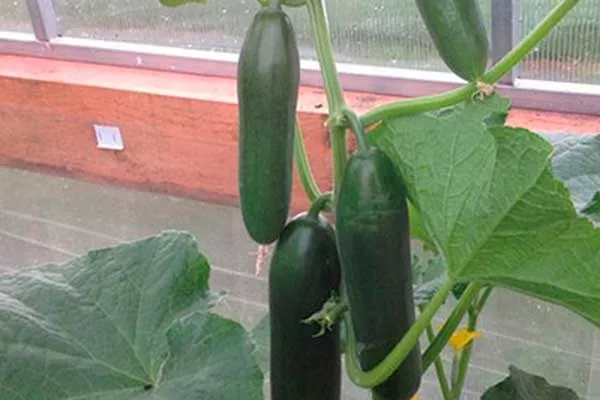
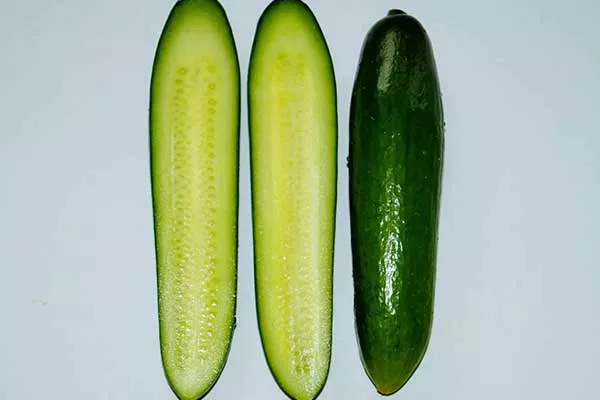
The bushes are compact and sparsely branched, with medium-sized green leaves. The cucumbers are large, reaching 15-17 cm in length. They are cylindrical in shape and have smooth, glossy skin of a rich, dark green color. Ripe cucumbers weigh approximately 150 g.
Characteristics
Zena forms an indeterminate plant, reaching a height of approximately 2 m. The main stem grows without restriction until the end of the growing season. One to two ovaries form in the leaf axils. The root system is strong and robust.
Purpose and taste
This is a salad variety. When pickled or marinated, the fruits lose their shape and become too soft. Therefore, they are recommended to be eaten fresh, added to salads, slicing, canapés, and sandwiches.
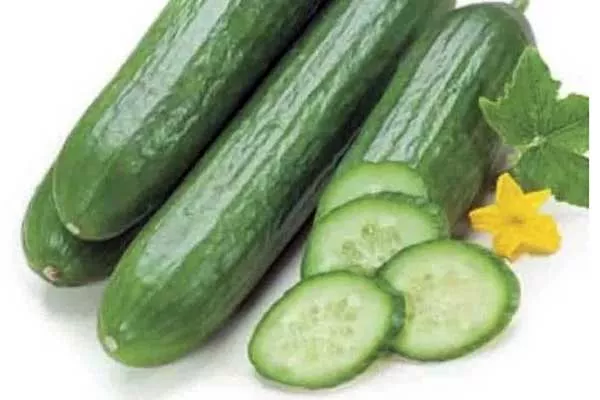
The sweet taste without bitterness makes green cucumbers an excellent stand-alone snack and a good addition to other vegetables.
Maturation
The hybrid belongs to the mid-season group of varieties. Seeds are sown for seedlings in late April, and the seedlings are transplanted to the plot or greenhouse in late May.
When sowing outdoors, plan for late May or early June. The first harvest will be ready in approximately 40 days.
Productivity
On average, one square meter of this variety yields approximately 2.4 kg of cucumbers. The vegetables store well and retain their marketable appearance for up to 10 days. The fruits are transportable, making them suitable for commercial cultivation.
- ✓ The optimal soil temperature for planting seedlings should be at least +15°C.
- ✓ To prevent root system diseases, it is necessary to provide drainage in the holes during planting.
Landing features
The planting material is disinfected in a weak solution of potassium permanganate for 15-20 minutes. To improve germination, soaking the seeds in growth stimulants is recommended.
Planting dates
Determine the sowing time based on the timing of transplanting the seedlings to their permanent location. Plant the seedlings 35-40 days after germination. It's important that the soil is warm and prepared, as the hybrid does not tolerate daily temperature fluctuations well.
Site preparation
Cucumbers require a full range of nutrients to produce fruit. High yields are achieved in fertile soils. The crop's shallow and fragile root system develops poorly in heavy soils.
Prepare the garden bed in advance:
- In the fall or spring, dig the area to a depth of 20-25 cm to improve the soil structure and remove weeds. When digging, add organic fertilizer, such as well-rotted manure or compost (5-8 kg per square meter).
- To increase fertility, add complex fertilizers. In the spring, 1-2 weeks before planting, apply 20-30 g of superphosphate, 15-20 g of potassium salt, and 10-15 g of urea per square meter. This will provide the bushes with essential nutrients for the entire season.
- The plant prefers warm, loose soil. You can create raised beds about 60-70 cm wide, especially in cooler regions. They warm up well and retain heat, accelerating plant growth.
Proper site preparation creates conditions for the full development of cucumbers and a bountiful harvest, keeping plants strong and healthy throughout the season.
Planting seeds
When using seedlings, sow the planting material in containers filled with prepared soil. Use a general-purpose soil mix or prepare your own.
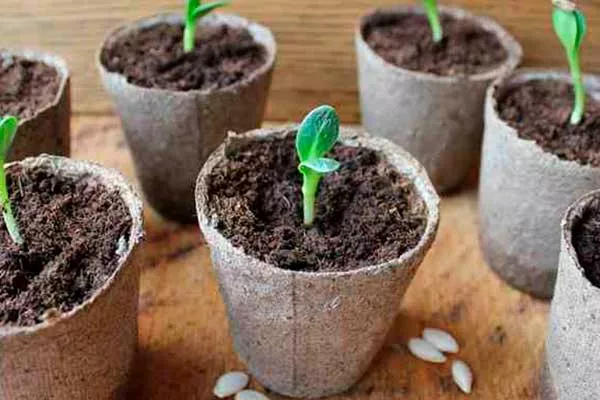
Rotate the seedling containers daily. Provide additional lighting to prevent the plants from becoming stretched or deformed.
Planting seedlings
Harden off the seedlings 5-6 days before transplanting by moving the containers to a cooler room. Plant the seedlings in the holes with the root ball, moisten thoroughly, and cover with soil. Firm the soil around the stems.
To eliminate the possibility of pollination by insects, plant the parthenocarpic cucumber variety Dubrovsky F1 nearby.
Planting diagram
There are several ways to arrange bushes. Choose the best option:
- Single-line vertical method. The distance between plants is 15-20 cm, between rows – 55-70 cm.
- Vertical tape method. Place plants 15-20 cm apart, strips 40-55 cm apart, and rows 70-85 cm apart.
Plant the seedlings in holes at a distance of 40-50 cm from each other.
Care
The crop requires minimal attention and care, but future yields depend on proper agricultural practices. It's important to implement certain measures to improve productivity.
Watering
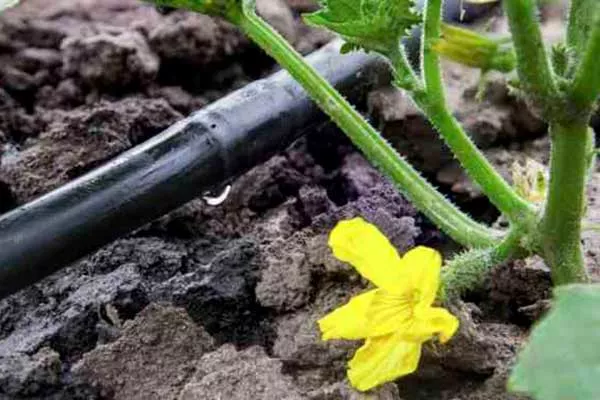
A lack of moisture can negatively impact development and lead to a reduction in the number of cucumbers. The hybrid requires regular watering 2-3 times a week. During the fruiting season, water the soil every other day.
Garter and shaping of bushes
Shoots can be secured either vertically or horizontally, but a V-shaped support is most convenient. This simple method helps reduce the risk of infectious diseases.
The plant produces fruit on the main stem. Remove lateral stems down to the 5th or 6th leaf level. Blinding helps redirect nutrients to the main stem and improves fruit set.
- The first feeding should be carried out 2 weeks after planting the seedlings, using nitrogen fertilizers to stimulate growth.
- The second feeding should be carried out at the beginning of flowering, using potassium-phosphorus fertilizers to improve the formation of ovaries.
- The third feeding should be carried out during the period of active fruiting, using complex fertilizers to maintain the health of the plants.
Top dressing
Fertilize the bushes regularly – once every 10-12 days. During active growth, apply urea, ammonium nitrate, or mullein infusion. During the fruiting stage, the plant requires potassium and phosphorus. For foliar feeding, use boric acid.
Hilling
After heavy watering or rain, a crust forms on the soil surface. Cucumber roots develop in soft, loose soil, so loosening and hilling the soil help oxygenate the root zone.
Diseases and parasites
The hybrid is resistant to powdery mildew and cucumber mosaic virus. It has moderate susceptibility to other diseases. It is important to carefully inspect the plantings and monitor the development of shoots and foliage.
Root rot
The fungus thrives in high humidity and acidic soil. Leaves turn yellow, dry out, and fall off, roots become loose and brown, and shoots dry out.
Maintain soil moisture no higher than 80-85%. Do not plant seedlings too deeply when replanting. Use chlorine-free fertilizers for fertilizing.
Anthracnose
The fungus affects all parts of the plant, causing rust-colored spots up to 3-4 cm in diameter to appear, and ulcers to form on the fruit. This slows cucumber growth. To combat the pathogen, use fungicides such as Hom, Topsin-M, Skor, Previkur, and Fundazol. These products effectively control the disease.
Thrips
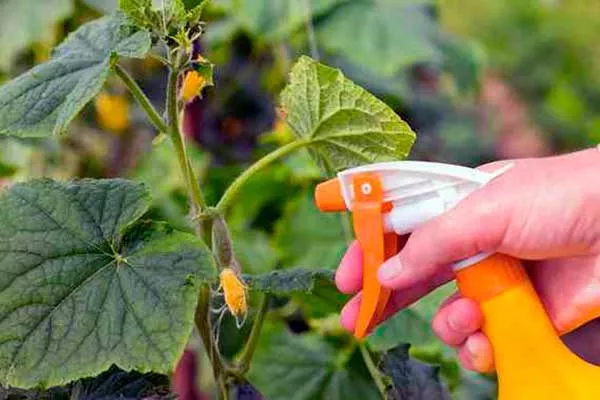
Thrips are small black pests with pointed ends. All stages of their development are dangerous to plants. Treat bushes with onion and garlic infusions. During a large infestation, spray plants with insecticides such as Decis, Aktara, Fitoverm, Pyrethrum, and Confidor.
Harvesting and storage
Harvest cucumbers early in the morning or late in the evening, cutting them from the vines with pruning shears. It's important not to damage the stems or roots during this process.
To keep your harvest fresh, consider a few simple but effective rules:
- The optimal temperature for storing fresh cucumbers is 6 to 8°C, with humidity around 90-95%. Store cucumbers in the refrigerator, in the vegetable compartment, where the desired humidity level is maintained.
- To prevent drying out, wrap vegetables in plastic wrap or paper towels and place them in a perforated bag for air circulation. This will help keep them fresh for up to 7-10 days.
- Greens are sensitive to ethylene, which is emitted by fruits (e.g. apples, bananas), so store them separately to prevent them from overripening and spoiling prematurely.
Positive and negative qualities
Before growing a crop, it is important to pay attention to the advantages and disadvantages of the crop in order to get a good harvest and high-quality fruits in the future.
Among the disadvantages of the crop, some gardeners note the need to purchase seeds annually for sowing, low yield compared to other hybrid varieties, and a limited range of uses for the vegetable.
Reviews
The Zena cucumber variety has gained popularity due to its versatility and high tolerance to adverse conditions. This hybrid boasts not only beautiful, uniform fruits but also an excellent flavor, making it an ideal choice for both fresh salads and preserves. It's important to understand the growing and care requirements and the main advantages of this variety.